


Your Cat's Dinner Is Quietly Helping Rebuild Coral Reefs
A cat food brand is bankrolling one of the largest coral restoration efforts on the planet, and a new documentary on Prime shows exactly what that looks like underwater.

Affiliate disclosure. This article contains affiliate links. We may earn a small commission if you buy through a link, at no extra cost to you. How we handle recommendations.
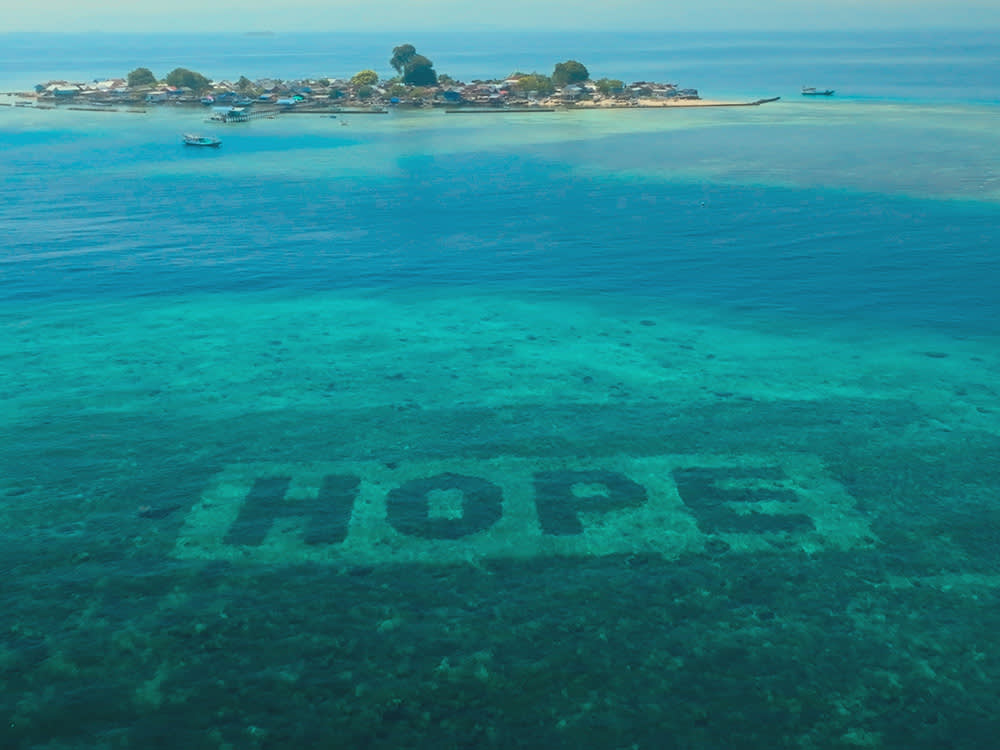
Ask someone to name a great duo and they’ll say peanut butter and jelly, not cat food and coral reefs. But the two are now genuinely linked, because a pet food brand best known for keeping cats fed and faintly smug is helping fund one of the largest coral reef restoration programs on Earth. A documentary presented by that brand, Sheba, now makes the connection impossible to ignore.
The film is called Reef Builders, and it’s streaming globally on Amazon Prime Video. Its subject is the Sheba Hope Grows program, a sprawling effort to bring damaged reefs back to life. What makes the film work is that it doesn’t lead with a logo. It leads with the ocean.
Why any of this is urgent
The scale of what’s already been lost is hard to hold in your head. Researchers estimate that more than half of the world’s coral reefs disappeared between 1957 and 2007, and if the current trajectory holds, as much as 90 percent of the reef still standing could be gone within roughly twenty years.
There’s a quieter problem layered on top of the ecological one: most people have no idea it’s happening. Research commissioned by Sheba found that nearly three-quarters of people, 73 percent, badly lowball how much reef is already gone. That awareness gap is part of why the reefs keep slipping down the list of things we worry about, and it’s precisely the gap the documentary sets out to close.
The stakes reach well past snorkelers and postcard coastlines. Reefs blunt storms and slow coastal erosion, and they prop up fisheries that feed millions. Losing them costs us protection and food, not just scenery.
What the film actually shows
Reef Builders is not two hours of doom. Its real interest is in the people fighting back, and it follows four coastal communities doing that work in four very different ways: Oʻahu in Hawaiʻi, the island of Bontosua in Indonesia, Australia’s Gunggandji Sea Country, and Kenya’s Lamu Archipelago. Every one restores coral on its own terms, shaped by local conditions and local knowledge.
In Indonesia, residents assemble and install “reef stars,” hexagonal steel frames that pin down loose coral rubble and give new growth something stable to build on. Over in Hawaiʻi, the Kuleana Coral Restoration project sends volunteers down to drill broken coral fragments back onto the seabed by hand. The methods differ, but the through-line is the same everywhere: local people leading with ingenuity and stubbornness.
One of those people on screen is Auliʻi Cravalho, the actor and activist who voiced Moana and who is Kanaka Maoli, or Native Hawaiian. She dives alongside the crews reviving the reefs she grew up near, and at the film’s premiere at London’s Natural History Museum she framed the mission plainly, as wanting her community’s children to inherit the same place she did.
So why is a cat food company involved?
It’s a fair thing to wonder. Mars Petcare’s global president, Loïc Moutault, frames the commitment as a natural extension of the brand’s longer sustainability push rather than a one-off marketing stunt. By his account, the Sheba Hope Grows program, run alongside Mars Sustainable Solutions, has now stood up 72 restoration sites in 12 countries, with more on the way.
The logic the company offers is that a brand with global reach and real resources is well placed to do two things at once: tell these restoration stories to a huge audience, and bankroll the people already doing the hard, wet, unglamorous work. Whether or not you buy the tidiness of that pitch, the underlying activity, coral going back onto the seabed at scale, is real.
The bigger picture as the film lands
The documentary arrives at a grim moment for reefs, which sharpens its point. Global reef monitors have been tracking a mass bleaching event that began in 2023 and, by early 2025, had become the most widespread on record, with bleaching-level heat stress reaching an enormous share of the world’s reef area across the Pacific, Atlantic, and Indian Oceans. Against that backdrop, hands-on restoration is not a cure, but it is one of the few levers ordinary communities can actually pull.
That’s the note Reef Builders wants to leave you on: that solutions to climate and biodiversity loss sometimes come from unexpected corners, and that hope, like coral, can take hold if you give it a stable foundation to grow on. It’s a strange thing to owe partly to cat food. It’s also, apparently, true.
You can stream Reef Builders on Amazon Prime Video now.
References
James Okafor covers rescue, adoption, and the causes shaping animal welfare. His work follows the people and organisations working to give more pets a home, and the issues owners and advocates care about most.
Meet our experts ↗Keep reading
 Product PicksThe Cat Tree You Won't Shove in the Basement Before Guests ArriveLeila Torres · 6 min
 LivingMost Catio Plans Overbuild. How to Match One to Your Cat and Your WeekendMarcus Webb · 6 min
 Living"Eco-Friendly" Cat Gear Is Mostly a Sticker. 6 Swaps That Aren't.Nina Vasquez · 8 min
 Product Picks6 Eco Cat Swaps That Don't Feel Like a SacrificeSara Lim · 5 min
 LivingFlushing Cat Litter Can Poison Sea Otters. Never Do ItLeila Torres · 7 min
 Product PicksThe Greenest Cat Toy Is the One Your Cat Doesn't Reject in a WeekJordan Ellis · 7 min