


Flushing Cat Litter Can Poison Sea Otters. Never Do It
Flushing cat litter risks your plumbing, your water supply, and even marine life. Here's why no litter is truly flushable — and how to dispose of waste safely.

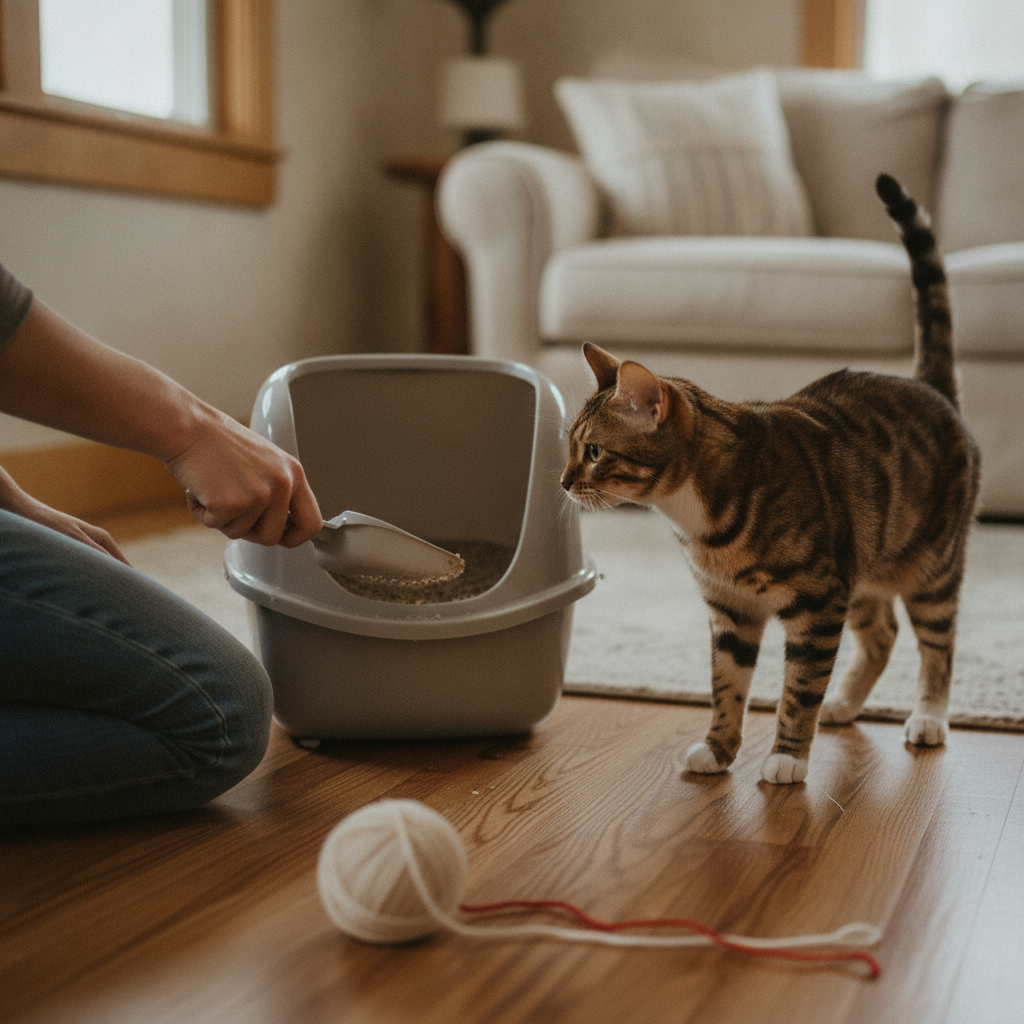
When you adore your cat, it’s easy to make peace with the less glamorous parts of the deal — the surprise hairballs, the occasional puddle of puke, the general low-grade messiness. But one daily reality you can’t really opt out of is the litter box. Every cat wants a clean box to do their business in, and some are far pickier about it than others.
All that scooping can get a cat parent dreaming of a tidier disposal method — and flushing is the one that springs to mind first. You use the toilet to get rid of your waste, so why not your cat’s? It sounds convenient. Unfortunately, flushing litter and cat waste carries real consequences for your plumbing, the environment, and even other animals. Here’s why the toilet is the wrong destination, and what to do instead.
Can you flush cat litter down the toilet?
The plumbing problem
Flushing litter may feel like the easy choice, but it sets your pipes up for trouble — especially any litter that contains clay. Clay is designed to absorb liquid (that’s what makes those tidy clumps in the box), so when it hits water in your pipes, it swells, grows heavy, and can cause serious blockages. It’s no accident that many states list cat litter among the things you should never flush.
Environmental concerns
The damage doesn’t stop at your own pipes. Flushed litter can clog the sewage lines serving your whole street or neighborhood. And some litters contain silica and other eco-unfriendly ingredients that simply shouldn’t end up in water sources.
Cat waste is its own hazard. It can introduce harmful pathogens and parasites into the water supply, where they can infect other people and animals. One of the most concerning is Toxoplasma gondii, a parasite found in cat feces. It can cause serious illness in people with weakened immune systems, and in pregnant women it’s linked to miscarriage and severe fetal harm.
Can you flush cat poop with litter?
You can, but you shouldn’t. Cat waste almost always carries some clinging litter, which can cause blockages — and beyond that, most experts advise against flushing animal waste of any kind, because it pushes harmful organisms into the community’s water supply.
Flushable vs. non-flushable: a litter-by-litter breakdown
Litter crystals
Like most litters, crystals aren’t a good flush. They contain silica and don’t dissolve in water, so they can clog your pipes.
Clay litter
A hard no. Clay is liquid-absorbent — wonderful for clumping waste in the box, disastrous in a pipe, where it expands, absorbs, and causes blockages that can affect not just your plumbing but a whole building’s or street’s lines.
Biodegradable litter
Even litters made from corn, paper, or tofu are designed to be environmentally friendly, not truly flushable. Those ingredients can still clog pipes — and even when they don’t, you’re still introducing cat waste into the water supply, which creates its own set of problems downstream.
What if I just flush litter once in a while?
Even occasional flushing can cause trouble. You’re risking a major plumbing problem, because many litters — biodegradable ones included, and clay-based ones especially — can still cause blockages.
These litters may also carry non-eco-friendly ingredients that don’t belong in the water supply. And any cat waste you flush puts other people and animals at risk through the parasites it can carry. Those contaminants can also reach larger bodies of water, where they may harm marine life.
Eco-friendly alternatives to flushing
Biodegradable litter and composting
Most biodegradable litters that advertise themselves as flushable are really just greener disposal options. They come in all kinds of materials — walnut shells, corn, wheat — and because so much clay and silica litter ends up in landfills (it isn’t biodegradable), a plant-based litter can be the better environmental choice.
Many biodegradable litters can be composted, but with a critical caveat. Because of the Toxoplasma gondii risk in cat feces, you should only compost used cat litter in flower beds or gardens that don’t grow anything humans will eat — the parasite can cause serious illness in people. And if you keep a general compost heap, make sure no cat waste goes into it.
The regular trash
Sometimes the simplest answer is the best one. For cat waste, that means bagging it before it goes in the trash. Scoop the waste into a biodegradable bag rather than dropping it loose into the bin — the biodegradable bag gives the waste a better chance of breaking down at the landfill, though any bag that seals it off will work in a pinch.
Best practices for disposal
Starting with a biodegradable litter made from organic material is the most eco-friendly foundation, and it gives you more disposal options. From there:
- Compost only in non-edible gardens, never where food plants grow, to keep parasites out of the soil.
- Or — the tried-and-true method — scoop into a bag, tie it tight, and throw it in the trash. A regular plastic bag works, but a biodegradable bag made for cat litter is gentler on the environment.
- And whatever you do, never flush.
I get why flushing is tempting — it feels like the cleanest, fastest option. But there’s no such thing as a genuinely flushable litter. Bag it and bin it, or compost it well away from anything you’ll eat. Your pipes and your local waterways will both thank you.
What’s new since this was written
The case against flushing has only gotten stronger, thanks to a growing pile of research on Toxoplasma gondii in the environment. The parasite can survive standard wastewater treatment, travel through storm and sewage outfalls into the ocean, and concentrate in shellfish — which is how it reaches and sickens endangered Southern sea otters along the California coast. A 2024 study found high levels of T. gondii DNA in feral cat feces sampled near the California coastline, underscoring how readily it moves from cats into waterways.
It’s serious enough that California effectively prohibits flushing cat litter, and many flushable-labeled litters now carry warnings to that effect. The bottom line for every cat parent, coastal or not: keep cat waste out of the water entirely, and stick to bagging or careful composting.
References
Common questions
Can you flush clumping cat litter?
Absolutely not. Most clumping litters contain clay, which absorbs liquid and expands. Flushed, that clay swells and hardens in your pipes, causing major blockages in your own plumbing and potentially in your building's or street's lines.
What is the best flushable cat litter?
There really isn't one. Some biodegradable litters market themselves as better for flushing, but they still contain ingredients that can clog pipes — and even a truly flushable litter would put cat waste into the water system, which is dangerous for people and animals alike.
Leila Torres leads our Living coverage, from home life and travel to the products and rescue stories that come with sharing a life with animals. She edits and writes across the section, with a soft spot for pieces about the bond between people and their pets.
Meet our experts ↗Keep reading
 LivingPet Composting: Turning Your Pet's Remains Into New LifeClaire Sutton · 9 min
 LivingPet-Safe Flooring, Ranked by How Your Dog Actually Uses the FloorLeila Torres · 8 min
 LivingYour Pet's Toy Pile Is Working Against YouNina Vasquez · 6 min
 LivingPet-Safe Cleaning Is About How You Clean, Not Just What You BuyNina Vasquez · 6 min
 Living'Pet-Safe' Is a Marketing Word. Read the Label Instead.Dr. Nina Kohl · 7 min
 Product Picks6 Eco Cat Swaps That Don't Feel Like a SacrificeSara Lim · 5 min