


The Cat Tree You Won't Shove in the Basement Before Guests Arrive
Mau builds cat furniture designed to stay in the living room, not hide from it. The founder explains the 'tree cat vs. bush cat' test that tells you what your cat will actually use, and why the wood comes from fruitless trees.

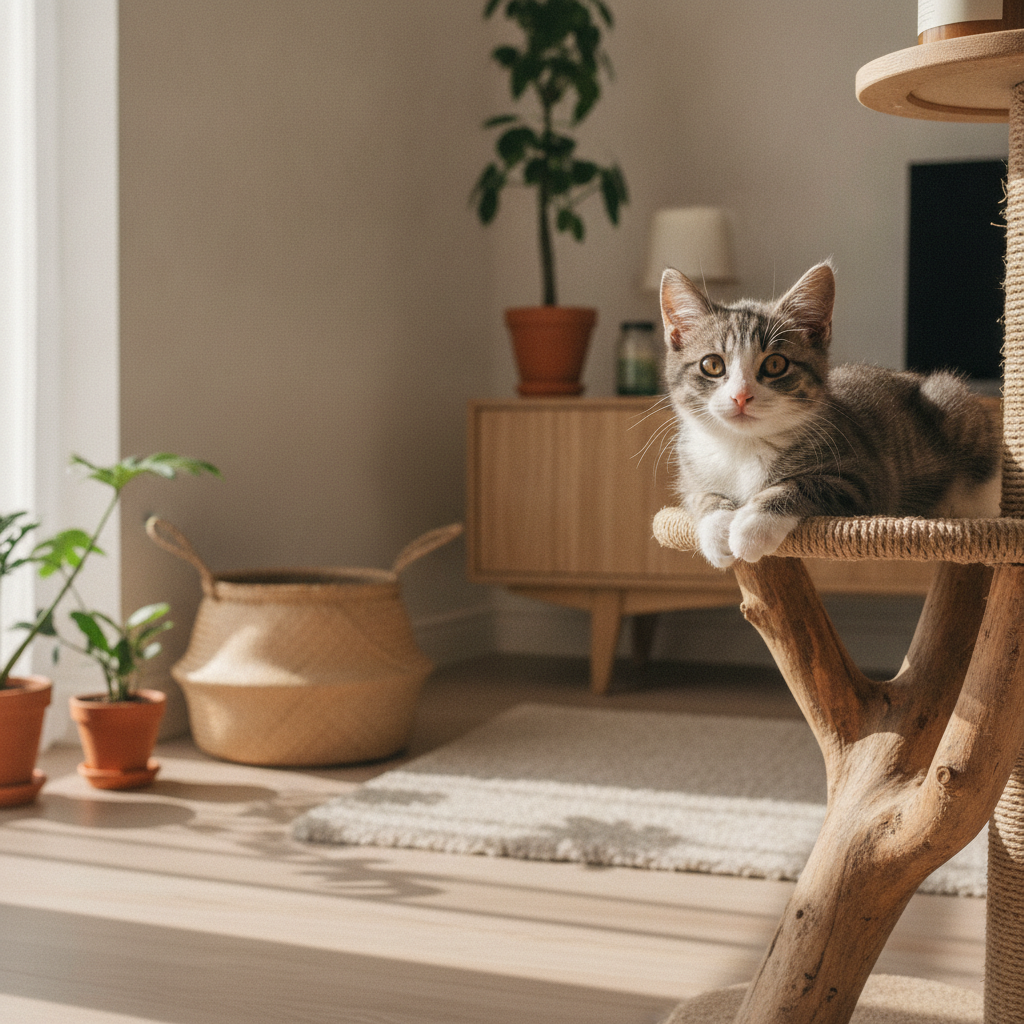
There is a particular ritual that anyone who both loves cats and has people over will recognize: the pre-guest de-catification. The scratching post gets hauled to the basement. The lumpy cat bed goes in a closet. The catnip mice are swept behind the couch. For all the joy a cat brings, the standard-issue gear they require tends to be the fastest way to kill a room’s vibe, so we hide it and pretend, for an evening, that we live like tasteful adults.
A company called Mau is built on the premise that this ritual should not have to exist. Its whole thesis is that a cat’s gear belongs in the room’s decor rather than in a closet when company comes, polished enough that hiding it would never occur to you. To understand how that changes what you buy, and why the wood in your cat’s tree came from a tree that stopped bearing fruit, it helps to hear it from founder Joel Dickstein.
A brand that treats cats like the discerning customers they are
Dickstein’s starting point is simple and a little sentimental: he thinks of cats as family, and he set out to offer them top-tier materials and real functionality so they could live happier, calmer, purr-filled lives. What pushed him from cat owner to cat-furniture maker was frustration. Looking at what was on the market, he saw a real gap in quality, in both materials and design, and decided to close it himself.
The design philosophy has evolved over the years, but its core has stayed put: make products that please the human eye while delivering genuine comfort and utility for the cat. Dickstein is clear-eyed about the tension in that. As much as a maker might dream of designing the next Mona Lisa, the thing still has to be kitty-friendly first, or it fails at its only real job. Every piece gets vetted by what the company affectionately calls its “meowdels,” a rotating cast of cats belonging to Mau employees, friends, and family, before it earns the “cat approved” label.
The buyer’s test: is your cat a tree cat or a bush cat?
The most useful thing Mau offers is not a specific product but a way to decide, because the hardest part of shopping for a cat is guessing what they will actually use. Dickstein’s framework starts with the essentials every cat home needs, a scratcher, a litter box, a cat tree, and food, and then asks you to watch your cat.
The biggest clues come from the ordinary stuff: pay attention to your cat’s favorite sleeping style and their everyday habits, and you learn almost everything you need to know about what to buy.
- Tree cats love to climb and get up high. They want a cat tree they can leap around on and survey the room from above.
- Bush cats prefer to burrow and hide. They gravitate to enclosed beds or smaller nooks where they can tuck away unseen.
- Curlers who sleep in a tight ball tend to adore a basket that hugs them.
- Loungers who sprawl out want a flat, open platform.
Dickstein is honest that no framework is foolproof, every purchase for a cat is a bit of an adventure, since you never fully know what will win them over, but reading your cat’s habits stacks the odds dramatically in your favor, which is exactly what Mau’s long testing process is trying to do too.
Texture is the sleeper variable in all of this. Take the brand’s Vevo bed, a favorite among the meowdels. Fold its sides down and they add warmth and snugness; unfold them and the taller walls create the sense of enclosure a bush cat craves. It is a relatively heavy piece with a thick, velvety, knotted surface that almost hugs a cat settled inside. Materials and their textures, Dickstein notes, can make or break whether a cat likes a product at all, the same way a person might reject a couch that feels wrong no matter how it looks. If your cat obsessively kneads one particular loose-knit blanket, that is not random. That is data about what to buy next.
Good for the cat, good for the planet
Mau’s sustainability commitments are not an afterthought bolted onto the marketing; they are woven into the business model. The company donates 5 percent of all its proceeds to animal welfare and environmental conservation. Dickstein frames it as a duty: as animal lovers, he says, they owe something back to the creatures that bring so much happiness, especially given that roughly 1.5 million shelter animals are euthanized each year. By funding animal welfare and helping facilitate adoptions, the brand hopes to chip away at that number.
The environmental side is just as deliberate. The timber in Mau’s cat trees comes only from trees that have stopped fruiting, giving a second life to wood that would otherwise be discarded. On top of that, the company plants a tree for every purchase, which helps offset carbon, provides food for families, creates jobs, and, in Dickstein’s words, makes the world a little greener. For a product category not exactly known for its conscience, it is a notably thorough approach.
What’s new for the shopper
Mau has kept expanding its lineup, and Dickstein has hinted at a pipeline of new pieces still to come, so the current collection is not the final word. If a specific bed or tower is what caught your eye, it is worth checking availability directly, since designer cat furniture from a smaller brand can sell in limited runs. The Vevo bed and the rest of the range are sold through Mau’s own site rather than the big marketplaces, which is common for house-brand furniture like this.
The lasting value here is not any single product. It is the reframing: your cat is a customer with real preferences, cat gear can be something you display rather than hide, and the two goals do not have to fight each other. Watch how your cat sleeps, buy for that, and you may finally retire the pre-guest scramble for good.
References
Leila Torres leads our Living coverage, from home life and travel to the products and rescue stories that come with sharing a life with animals. She edits and writes across the section, with a soft spot for pieces about the bond between people and their pets.
Meet our experts ↗Keep reading
 Product Picks6 Eco Cat Swaps That Don't Feel Like a SacrificeSara Lim · 5 min
 LivingPet-Safe Flooring, Ranked by How Your Dog Actually Uses the FloorLeila Torres · 8 min
 LivingThe Cat Decides When the Photo Shoot Is Over. Never the Photographer.Sasha Ford · 6 min
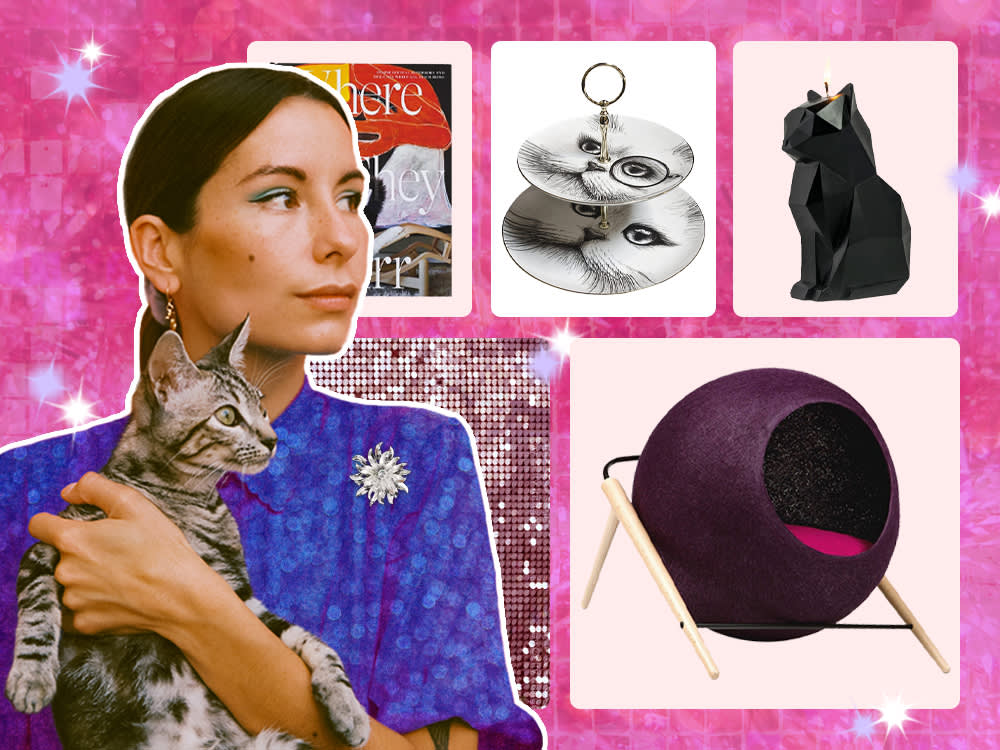 Product PicksCat-Lover Gifts That Are Actually Chic, Not Cringe: 12 PicksSara Lim · 7 min
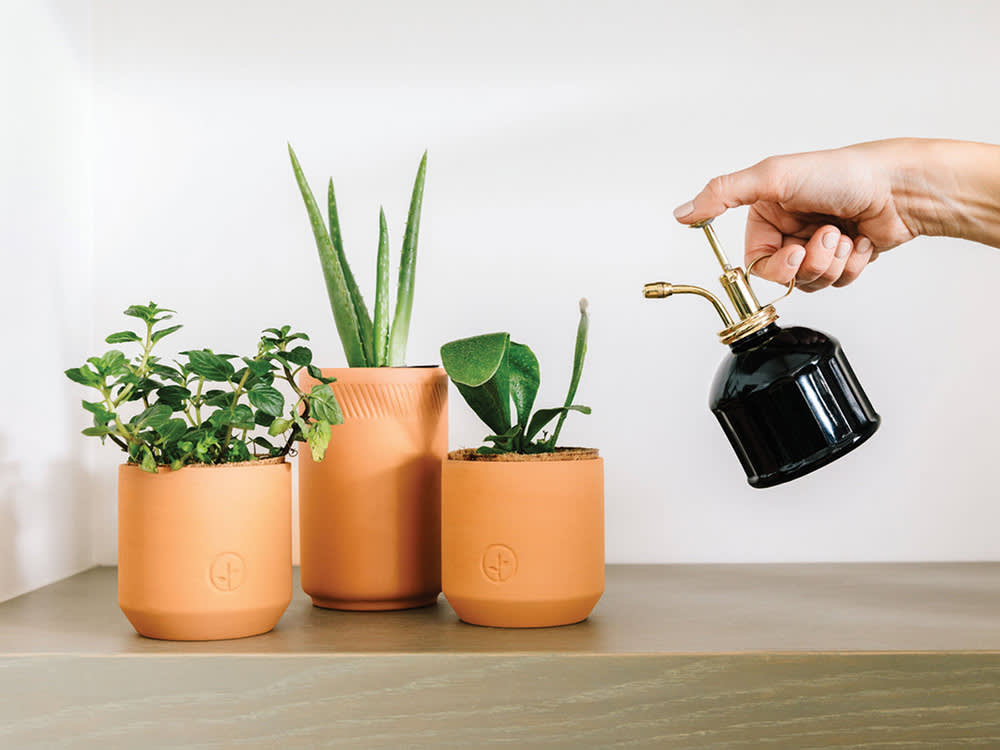 Product PicksYour Cat Will Probably Ignore This $13 Gift. Buy It Anyway.Sara Lim · 6 min
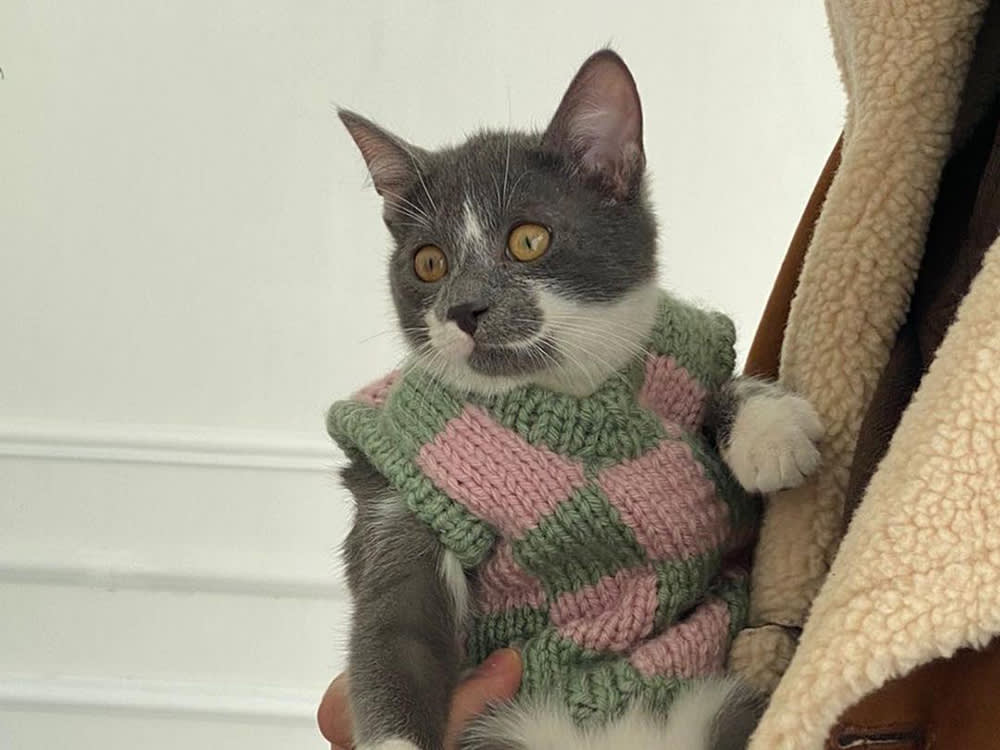 Product PicksMost Cats Don't Need a Sweater. The Ones That Do Deserve This One.Sasha Ford · 5 min