


The Deli-Meat Outbreak That Killed 10 People Had a Warning for Pet Owners Too
The 2024 Boar's Head listeria disaster is remembered as a human tragedy. Lost in the coverage: vets were warning pet owners the whole time, because dogs and cats eat deli meat too, often as a pill pocket. Here's what happened and what it should change in your kitchen.

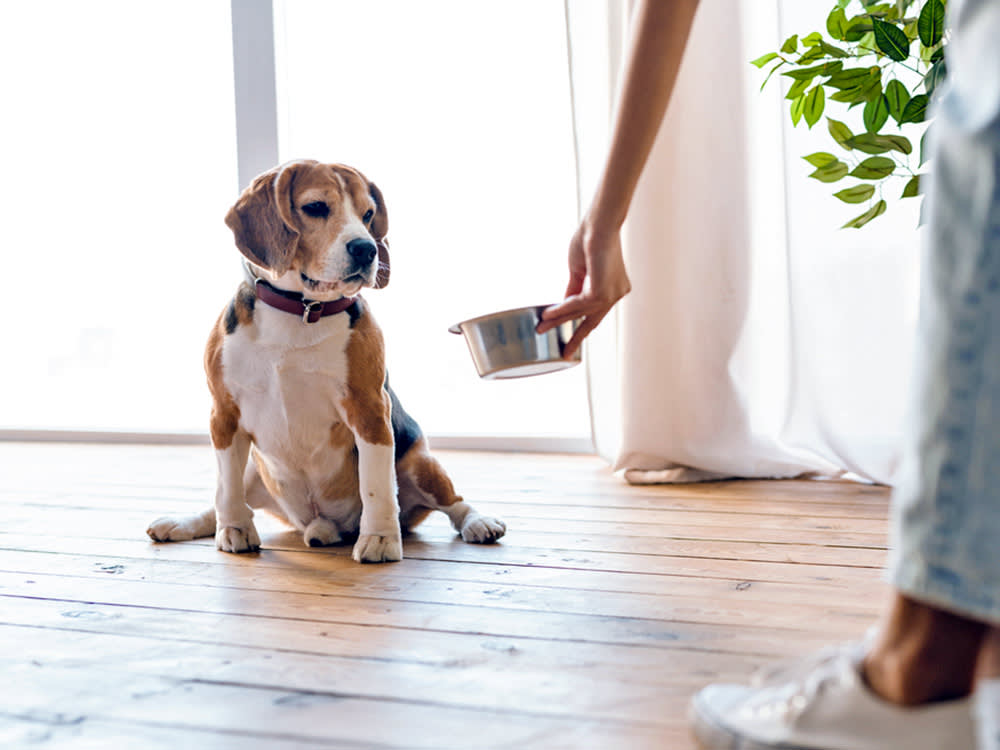
In July 2024, Boar’s Head recalled nine deli products, 207,528 pounds of meat, after testing linked its liverwurst to Listeria monocytogenes. The USDA’s Food Safety and Inspection Service had opened its investigation on July 12, after the Maryland Department of Health found the bacteria in a sampled liverwurst. Within weeks the recall ballooned to more than seven million pounds, and by the time the outbreak was declared over, 61 people across 19 states had been sickened and 10 had died, making it one of the deadliest listeriosis outbreaks in modern American history.
The human toll rightly owned the headlines. But running quietly alongside the whole story was a veterinary warning that most coverage skipped: pets eat deli meat too. They get it as treats, as sandwich-making tax, and, in one of the most common feeding habits in any medicated pet’s household, as the soft wrapper around a pill. When contaminated cold cuts sit in a refrigerator, the dog and cat are in the exposure pool with everyone else.
What was recalled, for the record
The initial recall covered ready-to-eat liverwurst produced between June 11 and July 17, 2024, plus eight other products made on the same line on the same day: Strassburger Brand Liverwurst, Virginia Ham Old-Fashioned Ham, Italian Cappy Style Ham, Hot Italian Cappy Style Ham, Bologna, Garlic Bologna, Beef Bologna, Beef Salami, and Steakhouse Roasted Bacon Heat & Eat, in sizes ranging from deli-sliced portions to multi-pound casings, with sell-by dates running into late August 2024. Products from the affected plant carried establishment number EST. 12612 on the label.
Why vets worried about a “human” outbreak
Listeriosis behaves differently in dogs and cats than in people, and the differences cut both ways. The reassuring half: vets rarely diagnose it, and a pet who does get it usually has a milder time of it than a person would.
The unsettling half is the surveillance problem. Dogs and cats can incubate a Listeria infection for up to three weeks before showing signs, and some infected animals never show signs at all, which means a pet can seem fine long after eating a contaminated slice, then get sick when the connection has faded from everyone’s memory. Watch for GI signs first, vomiting and diarrhea, and take escalation seriously: severely affected pets can develop symptoms of shock, pale gums, low blood pressure, and collapse, driven by the bacteria’s toxins. An asymptomatic pet can also shed the organism in stool, putting immunocompromised humans in the household at a small secondary risk.
“The pill-pocket habit is the exposure nobody thinks about. If a recall touches the deli drawer, the sick cat getting his medication in a fold of ham is the one animal in the house guaranteed to eat it every single day,” says Dr. Lena Park.
During the outbreak, the standing veterinary advice was blunt: until the source was pinpointed and eliminated, skip deli meat and deli cheese for pets entirely, and ask your vet for a safe pill-hiding alternative rather than improvising. If you ever realize your pet ate a recalled product, call your vet promptly rather than waiting for symptoms, and mention the recall by name.
What the investigation found afterward
The post-mortem turned out to be as damning as the outbreak. USDA inspection records from the Jarratt, Virginia plant that produced the liverwurst documented 69 noncompliance reports in the year before the outbreak, citing mold, insects, meat residue on equipment, rust, chipping paint, and dripping condensation. The warnings had been accumulating in plain sight; a January 2025 federal review criticized both the company’s sanitation and the oversight that let it persist. Boar’s Head closed the Jarratt plant indefinitely in September 2024 and permanently discontinued liverwurst production.
For pet owners, that detail lands on a familiar nerve. The same summer, pet foods were being recalled for Listeria contamination too; the bacteria is an equal-opportunity contaminant of sloppy production, whether the label says liverwurst or kibble topper. The practical defense is the same in both aisles: register for FDA and USDA recall alerts, know your brands, and treat “ready-to-eat” as a food-safety category that demands more trust in the producer, not less.
What’s new since the outbreak
The story kept moving after the headlines faded. Boar’s Head reopened the Jarratt facility in 2026 after more than a year dark, touting extensive food-safety upgrades and a shift to stricter Listeria controls under the USDA’s rules, an implicit admission that it had previously operated under the weakest permitted tier. Litigation and reporting through 2026 continued to surface years of ignored warnings at the plant.
The takeaways for a pet household are durable. Deli meat is a processed, sodium-heavy treat at the best of times, so it earns at most an occasional role for pets. If it’s your pill vehicle, have a backup plan, and during any active deli recall, switch to it. And when recall news breaks, remember the incubation math: three symptom-free weeks means “he seems fine” is information, not clearance.
References
- Boar’s Head Provisions Co. Recalls Ready-To-Eat Liverwurst and Other Deli Meat Products — USDA FSIS
- 2024 United States listeriosis outbreak — outbreak totals and timeline
- Boar’s Head Reopens Production Facility Behind Fatal Listeriosis Outbreak — Food Safety Magazine
- Boar’s Head inspection documents show years of safety problems preceded outbreak — Food Safety News
- Boar’s Head closes plant behind deli meat recall — TODAY/NBC News
Not a substitute for your vet. Our guidance is educational. For urgent symptoms, contact a vet or emergency clinic right away. Editorial standards
Dr. Chen is a small-animal veterinarian who leads health and safety coverage at The Pet Times. She writes and reviews the bulk of our illness, condition, and safety content, translating clinical guidance into clear, practical advice owners can act on at home.
Meet our experts ↗Keep reading
 Health & WellnessA Raw-Food Recall, Decoded: What Blue Ridge Beef's Salmonella Scare MeansDr. Ravi Mehta · 6 min
 Health & WellnessA Raw Pet Food Was Pulled for Salmonella and Listeria. Check These Lot Numbers.Dr. Lena Park · 4 min
 FoodStop Memorizing the List. The 5 Reasons Holiday Food Hurts PetsDr. Amara Solis · 7 min
 Health & WellnessBlue Ridge Beef Recall of Puppy and Kitten Food Now Covers 16 StatesDr. Ravi Mehta · 4 min
 FoodSalmonella Pulled These Freeze-Dried Chicken Treats. Check Your Pantry for the Lot Numbers.Dr. Mara Chen · 3 min
 FoodThe Recalled Raw Food Was Never the Only Thing at Risk. Your Kitchen Was.Dr. Nina Kohl · 5 min