


Blue Ridge Beef Recall of Puppy and Kitten Food Now Covers 16 States
Blue Ridge Beef has widened its earlier December recall of puppy and kitten food over salmonella and listeria concerns. Here is the full list of states.

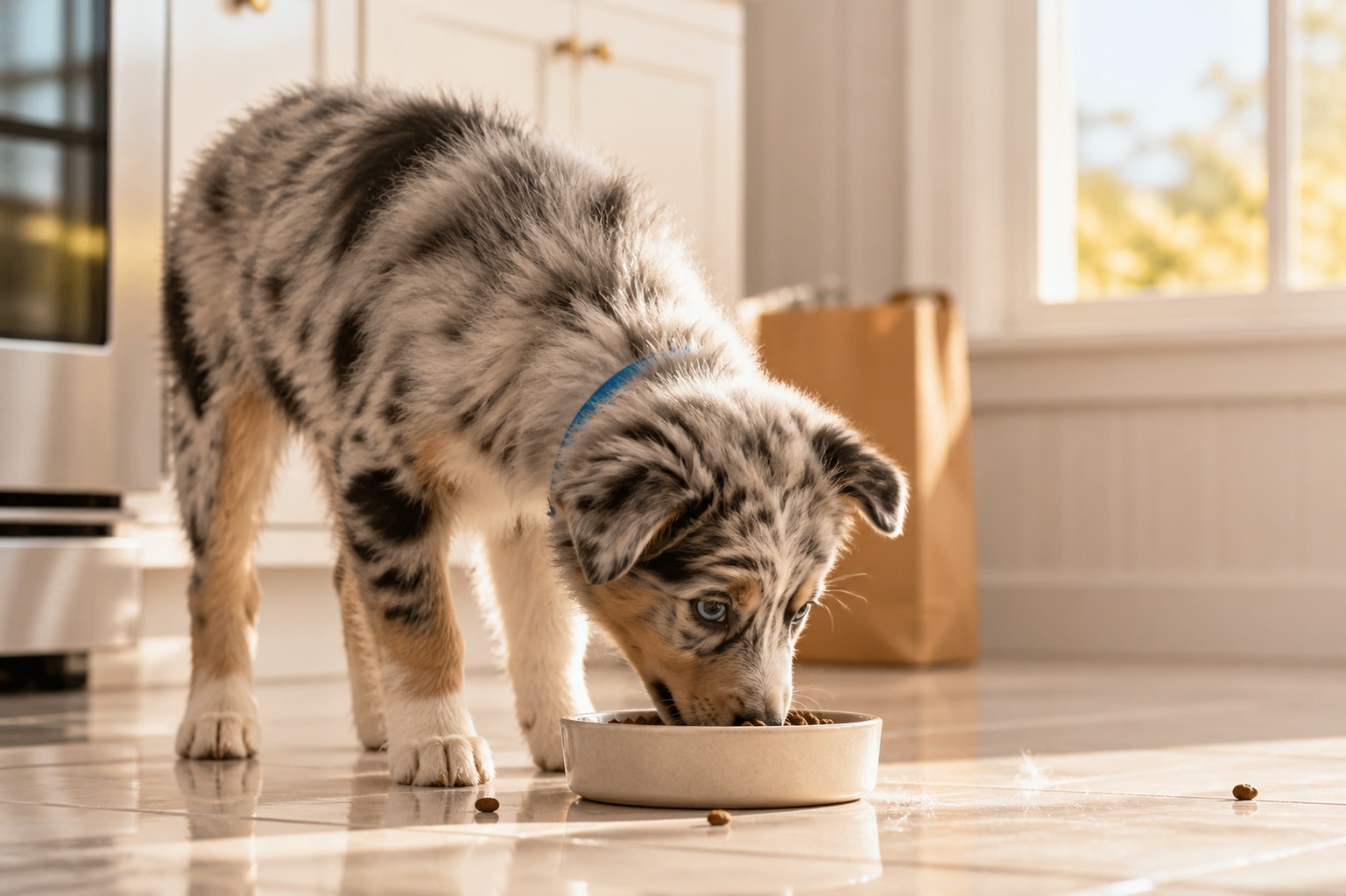
A recall that starts in seven states and ends in sixteen tells you something the headline does not: the contaminated food was already on shelves and in freezers across half the East Coast before anyone knew. Blue Ridge Beef has now widened its earlier recall of raw puppy and kitten food to 16 states over possible contamination with salmonella and Listeria monocytogenes, according to the U.S. Food and Drug Administration (FDA). The practical message for anyone feeding a raw diet is that a recall is a moving target, and the safest assumption is to check your freezer the day you hear about one rather than wait to see whether your state gets added later.
The North Carolina company is recalling every lot number and use-by date from N24 1114 through N24 1224 for three products: Kitten Grind (two-pound log), Kitten Mix (two-pound log), and Puppy Mix (two-pound log).
How a seven-state recall became a sixteen-state one
On January 3, Blue Ridge added the following states to the recall: Connecticut, Florida, Iowa, Illinois, Massachusetts, Maryland, North Carolina, New York, Michigan, Ohio, Oregon, Pennsylvania, Rhode Island, Tennessee, Virginia, and Wisconsin. The original notice the FDA issued on December 22 had named only seven of them. The food was distributed between November 14 and December 20, 2023, and the FDA says it was sold primarily in retail stores across all 16 states.
To check your own supply, look at the silver clip on the end of the tube the food comes in and read the lot number printed there. If it falls anywhere in the N24 1114 to N24 1224 range, it is recalled. The FDA has published reference photos of exactly what to look for on its recall page, which is worth opening before you start digging through the freezer.
Why raw puppy and kitten food carries extra risk
This is not Blue Ridge Beef’s first salmonella recall, and that pattern is the part owners should sit with. Raw meat diets skip the cooking step that kills Salmonella and Listeria, so the margin for error in sourcing and handling is thin, and the FDA has flagged the brand repeatedly. Puppies and kittens are the highest-stakes eaters here: their immune systems are still developing, so an exposure that an adult animal might shrug off can make a young one seriously ill, and they are likeliest to be eating exactly these “puppy” and “kitten” formulas.
There is a household angle too. The bacteria do not only threaten the pet. People, especially young children, can pick up Salmonella from handling contaminated food, the bowl, or any surface it touched, which is why the cleanup below matters as much as pulling the food.
Symptoms to watch for in your pet
“With a young animal, I am watching for the early intestinal signs first: a puppy or kitten that suddenly will not eat, develops diarrhea or vomiting, runs a fever, or turns lethargic,” says Dr. Nina Kohl. “What worries me most is the next stage, where the toxins the bacteria produce push a pet toward shock. Pale gums, weakness, and collapse are a drive-to-the-emergency-vet-now situation, not a wait-and-see one.”
The FDA also urges pet parents to wash and sanitize pet food bowls, cups, and storage containers, and to wash and sanitize their hands after handling recalled food or any utensils that came in contact with it. Sanitize the surfaces the log touched too, including the freezer shelf and any counter you thawed it on.
What to do if you have it, and how to report a purchase
Do not feed the recalled food, and do not donate or sell it. The FDA’s guidance is to return it to the place of purchase for a refund or destroy it in a sealed bag where children, pets, and wildlife cannot reach it. If you bought any of these products, you can email blueridgebeefnc@yahoo.com or call Steven Lea at (704) 880-4500, Monday through Friday, 8:00 a.m. to 5:00 p.m. EST.
References
- U.S. Food and Drug Administration. “Expanded Affected States: Blue Ridge Beef Issues Voluntary Recall of Blue Ridge Beef Kitten Grind, Blue Ridge Kitten Mix and Blue Ridge Beef Puppy Mix Due to Salmonella and Listeria Monocytogenes Contamination.”
- U.S. Food and Drug Administration. “Get the Facts! Raw Pet Food Diets Can Be Dangerous to You and Your Pet.”
- Centers for Disease Control and Prevention. “Salmonella Infection From Pet Food and Treats.”
Not a substitute for your vet. Our guidance is educational. For urgent symptoms, contact a vet or emergency clinic right away. Editorial standards
Dr. Mehta is a board-certified veterinary nutritionist who evaluates pet food formulations, ingredient quality, and the science behind dietary trends. He writes and reviews all nutrition content at The Pet Times, including our food rankings and feeding guides.
Meet our experts ↗Keep reading
 Health & WellnessOne Customer Complained. That's the Only Reason the Duck Was Pulled.Dr. Lena Park · 5 min
 FoodThe Recalled Raw Food Was Never the Only Thing at Risk. Your Kitchen Was.Dr. Nina Kohl · 5 min
 FoodRaw Feeding Promises a Lot. The Evidence Delivers a Lot Less.Dr. Amara Solis · 8 min
 FoodYou Can't Train a Dog to Eat Slowly. You Make It Physically Impossible.Dr. Lena Park · 6 min
 FoodWet Cat Food and the 2-Hour Rule: The Clock Starts the Second You Open the CanDr. Amara Solis · 7 min
 FoodThe 'Natural' Raw Diet Is Failing Cats on Two FrontsDr. Amara Solis · 7 min