


The Recalled Raw Food Was Never the Only Thing at Risk. Your Kitchen Was.
A raw turkey pet food was pulled for Listeria, and no pets got sick. That is not the reassuring part of the story. Here is the lot to check, the cleanup most people skip, and why the humans in the house are the exposure nobody warns about.
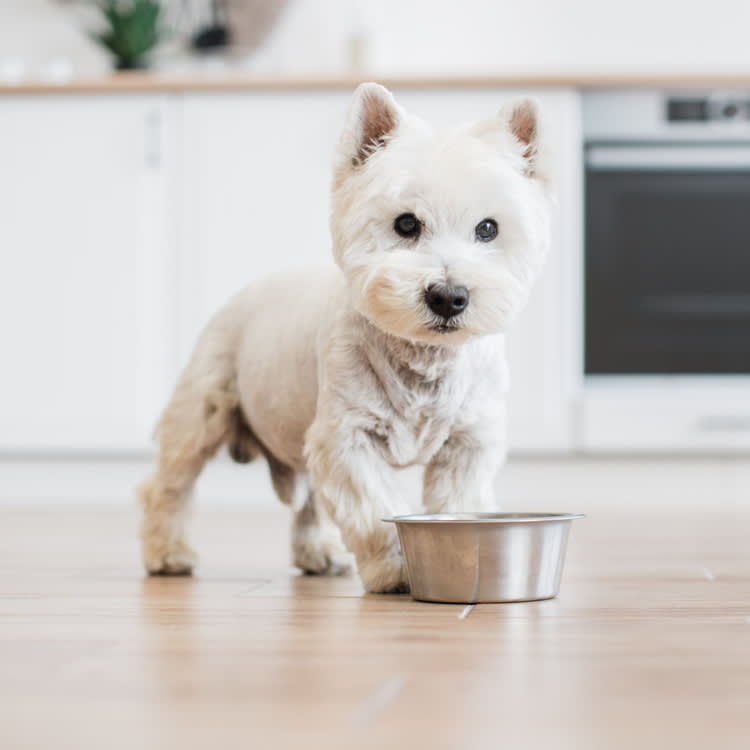
Read enough pet food recalls and you start to skim them the same way: find the brand, find the lot, check the freezer, exhale. If your bag is clean, the story is over. If your pet seems fine, the story was never really about you.
That reflex is the problem. In a Listeria recall, the pet is only one of the exposed parties, and often not the one at greatest risk. The bacteria does not care whose mouth the food went into. It cares about what the food touched on the way there, and what touched it after.
What was actually pulled
In July 2024, the direct-to-consumer raw brand Viva Raw voluntarily recalled a single production lot. Inspectors from the FDA, working with North Carolina’s state agriculture department, had found Listeria monocytogenes at the facility.
The affected lot is 21244, and it spans five products:
- Viva Turkey for Dogs Ground
- Viva Turkey for Dogs Chunked
- Viva Turkey for Cats
- Viva Pure Turkey
- Viva Beef & Turkey for Puppies
The company shipped those products directly to customers in all fifty states and the District of Columbia between May 16 and June 28, 2024. If a box arrived in that window, the lot number is printed on the product label. Customers with Lot 21244 could contact the company at info@vivarawpets.com for a refund.
No pet illnesses were reported. That is genuinely good news, and it is also the sentence that makes people stop reading.
The part of the recall that is about you
Listeria is not a pet-only pathogen. It is one of the more dangerous foodborne bacteria for people, and a contaminated bag of raw pet food is a route into a human kitchen the same way an undercooked chicken breast is.
The FDA’s own guidance on these recalls spells out the exposure routes, and every one of them runs through a person:
- Handling the food. Scooping, thawing, or repackaging it with bare hands.
- Contact with the pet who ate it. A pet who has eaten contaminated food can shed Listeria in feces and saliva. The dog who licks your face after dinner is a vector. So is the litter box.
- Contact with surfaces the food touched. Bowls, scoops, counters, the sink, the shelf in the fridge where it thawed.
The FDA’s disposal instructions are specific for a reason: destroy the food in a way that children, pets, and wildlife cannot get to it, and if the package has been opened, do not touch the contents bare-handed. Wearing gloves or using paper towels, seal the food in a plastic bag and put it in the trash.
Then clean like the counter is contaminated, because it may be. Hot soapy water on every bowl, scoop, and surface, followed by a disinfectant. Wash hands afterward, not just before.
The line I want people to hold onto is that a recalled raw product is not a pet problem you clean up around, it is a raw-meat problem that happens to be in a pet bowl. The animal often walks away completely fine. The person who thawed it on the counter and then made a sandwich there is the one I worry about, and so is the toddler who crawled past the bowl.
Who in the house is most at risk
Listeria is one of those bugs that mostly bounces off healthy adults and lands hard on everyone else. The people to protect first are pregnant people, infants and young children, adults over 65, and anyone immunocompromised. If that describes someone in your home, a raw-food recall is not a background story. It is a same-day cleanup.
What the illness looks like
In pets, the FDA describes a range that runs from mild to severe: diarrhea, loss of appetite, fever, nervous, muscular, and respiratory signs, miscarriage, depression, shock, and death. If your pet ate food from a recalled lot and shows any of these, call your vet and say the word “recall” out loud, because it changes what they look for.
An exposed pet who seems completely healthy still matters. They can carry and shed the bacteria without ever looking sick, which is precisely how it reaches the humans in the household. Monitor everyone in the house, not just the animal.
What’s new since this was written
The raw pet food risk picture has widened considerably since this recall, and not in the direction anyone wanted.
Beginning in late 2024 and running through 2025, H5N1 avian influenza started showing up in raw pet food, and unlike the Listeria cases, cats died. The FDA linked a case in San Francisco to specific lots of RAWR Raw Cat Food Chicken Eats after lab testing found the same H5N1 strain in both the cat and the food, and Wild Coast Raw recalled its frozen Boneless Free Range Chicken Formula for cats after five cat deaths in Oregon were tied to it.
The regulatory response tells you how seriously this is being taken. The FDA now requires pet food manufacturers using raw or unpasteurized poultry and cattle products to update their food safety plans to treat H5N1 as a recognized hazard. That is a structural change, not a one-off alert.
None of this makes every raw diet unsafe. It does mean that if you feed raw, the handling discipline is no longer optional, and neither is checking whether your brand publishes a validated kill step and a recall history. Treat every package like raw poultry, because that is exactly what it is.
References
- U.S. Food and Drug Administration. “Viva Raw Issues Voluntary Recall of Dog and Cat Food Including Select Viva Turkey Recipes (Lot 21244) Due to Potential Listeria Monocytogenes Health Risk to People and Pets.” July 2024. https://www.fda.gov/safety/recalls-market-withdrawals-safety-alerts/viva-raw-issues-voluntary-recall-dog-and-cat-food-including-select-viva-turkey-recipes-lot-21244-due
- U.S. Food and Drug Administration. “FDA Notifies Pet Owners That Tests Show H5N1 Contamination in Certain Lots of RAWR Raw Cat Food Chicken Eats.” https://www.fda.gov/animal-veterinary/cvm-updates/fda-notifies-pet-owners-tests-show-h5n1-contamination-certain-lots-rawr-raw-cat-food-chicken-eats
- U.S. Food and Drug Administration. “Voluntary Recall of Wild Coast Raw Boneless Free Range Chicken Formula Raw Pet Food Because of Possible Bird Flu Health Risk.” https://www.fda.gov/safety/recalls-market-withdrawals-safety-alerts/voluntary-recall-wild-coast-raw-boneless-free-range-chicken-formula-raw-pet-food-because-possible
- Centers for Disease Control and Prevention. “Listeria (Listeriosis): People at Risk.” https://www.cdc.gov/listeria/risk.html
Not a substitute for your vet. Our guidance is educational. For urgent symptoms, contact a vet or emergency clinic right away. Editorial standards
Dr. Kohl is a board-certified veterinary dentist with a particular interest in preventive oral care. She reviews all dental health content at The Pet Times and contributes practical guides on home dental routines, professional cleaning, and oral disease prevention.
Meet our experts ↗Keep reading
 Health & WellnessBlue Ridge Beef Recall of Puppy and Kitten Food Now Covers 16 StatesDr. Ravi Mehta · 4 min
 Health & WellnessOne Customer Complained. That's the Only Reason the Duck Was Pulled.Dr. Lena Park · 5 min
 Health & WellnessBlue Ridge Beef Keeps Getting Recalled. Here's How to Read a Raw-Food RecallDr. Mara Chen · 4 min
 Food'Freeze-Dried' Tells You Nothing About Your Cat's Food. Two Labels Do.Dr. Priya Nair · 8 min
 FoodYou Can't Train a Dog to Eat Slowly. You Make It Physically Impossible.Dr. Lena Park · 6 min
 FoodCooked Fish Is Great for Dogs. Raw Salmon Can Kill ThemDr. Ravi Mehta · 6 min