


Blue Ridge Beef Keeps Getting Recalled. Here's How to Read a Raw-Food Recall
A 5,700-pound salmonella recall of Blue Ridge Beef's Natural Mix is the latest in a string for the same brand. The real skill isn't memorizing lot numbers, it's knowing how to act on any raw-food recall fast.

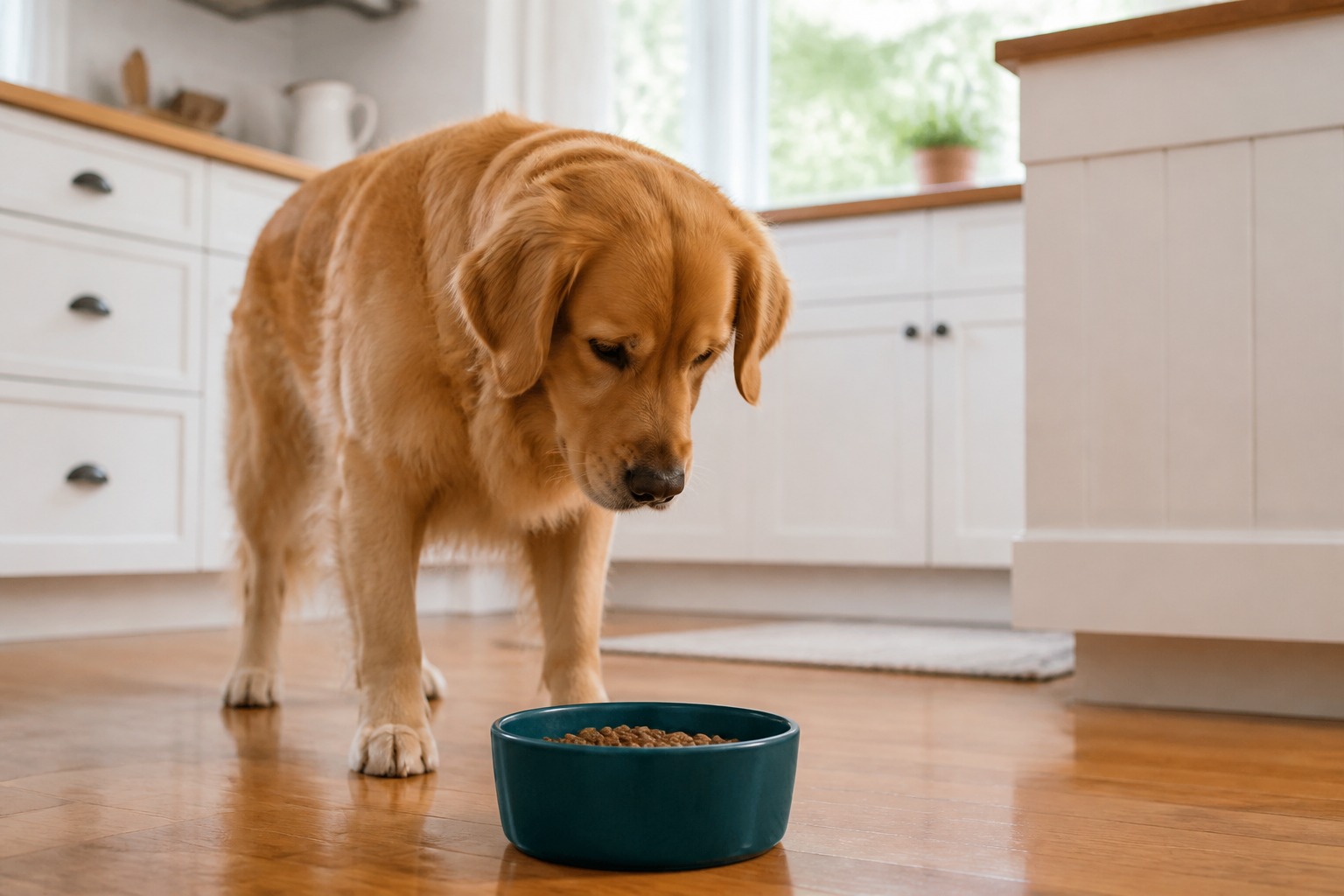
A single recall is news. A pattern is a warning, and Blue Ridge Beef has a pattern. The latest action covers about 5,700 pounds of the company’s Natural Mix dog food, pulled after a sample tested positive for salmonella. But if you have followed this brand at all, the headline should not be the lot number. It should be that this is one in a run of salmonella and listeria recalls from the same North Carolina raw-food maker, and that the useful response is the same every time, no matter which bag is named. So rather than walk you through a single recall and send you on your way, here is how to act on this one and how to read the next one.
First: is your bag the recalled one?
The current recall covers two-pound logs of Natural Mix distributed between January 3 and January 24, 2025, sold mainly in Virginia, Maryland, Pennsylvania, Connecticut, Massachusetts, New York State, Tennessee, and Rhode Island. Two identifiers settle it:
- Lot number N25/12/31, printed on the clip at the end of the bag.
- UPC 854298001054, found below the barcode.
If your dog’s food carries that lot and UPC, stop feeding it now. The FDA’s instruction is blunt: return it to the store or destroy it so that children, pets, and wildlife cannot reach it. Do not simply toss an open log in an accessible trash can.
The part most coverage skips: this brand is a repeat offender
Here is the context a one-off recall notice leaves out. The Natural Mix action is not Blue Ridge Beef’s only salmonella problem. The company recalled roughly 9,600 pounds of its Puppy Mix in late 2024 after a Virginia litter fell ill and the FDA confirmed salmonella, and in April 2025 it expanded again, pulling both Puppy Mix and Kitten Mix lots for salmonella and listeria contamination after a customer complaint of animal illness prompted New York State to sample the products.
That repetition matters for a decision you actually have to make: whether to keep buying the brand at all. Raw diets carry a structurally higher contamination risk than cooked food because there is no kill step. A heat process that would destroy salmonella simply is not part of how these products are made. When one manufacturer keeps landing on the recall list, the pattern is information, not coincidence. None of this means raw feeding is automatically wrong for your dog, but it does mean a brand’s recall history belongs in the decision alongside price and ingredients.
How to read any raw-food recall in two minutes
The next recall will name a different product and different numbers. The moves do not change:
- Match the lot number and UPC, not the product name. Recalls target specific production runs. A bag of the “same” food with a different lot may be fine, and a bag you assume is safe may not be. The codes are the only reliable check.
- Stop feeding immediately if it matches, and isolate the bag. Do not finish it up to avoid waste. The risk is to your dog and to your household.
- Decontaminate like it is a kitchen pathogen, because it is. Wash your hands, and clean and sanitize every bowl, scoop, container, and surface the food touched. Salmonella spreads from pets to people, and a healthy-looking dog can still be a carrier.
- Watch your dog, and watch yourself. In dogs, salmonella shows up as lethargy, diarrhea or bloody diarrhea, fever, vomiting, low appetite, or belly pain. In people, it is nausea, vomiting, diarrhea, cramping, and fever, with rare progression to muscle pain or arthritis.
When this becomes a vet visit
Many dogs clear a mild salmonella exposure on their own with rest, fluids, and a bland diet. Some do not, and a few groups are genuinely fragile.
Healthy adult dogs are often surprisingly resilient to salmonella, but puppies, seniors, and any dog with a suppressed immune system are not. If diarrhea or vomiting runs past 24 hours, or you see blood, a painful belly, or trouble breathing, that is not a wait-and-see situation. Call. And if your dog ate a recalled food but seems perfectly fine, it is still worth a quick call, because plenty of infected dogs never look sick at all.
That last point is the one pet parents miss most. A dog with no symptoms can still shed the bacteria, which is exactly how a contaminated food becomes a household health problem rather than just a canine one. If your dog ate a recalled lot, a brief check-in with your vet is reasonable even with a happy, hungry dog in front of you.
References
- “Blue Ridge Beef Issues Voluntary Recall of Blue Ridge Beef Puppy Mix and Kitten Mix Due to Salmonella & Listeria Contamination,” U.S. Food and Drug Administration, April 2025.
- “Blue Ridge Beef Issues Voluntary Recall of Blue Ridge Beef Puppy Mix Due to Salmonella Contamination,” U.S. Food and Drug Administration, 2024.
- “Salmonella and Pets,” Centers for Disease Control and Prevention.
- “Get the Facts! Raw Pet Food Diets Can Be Dangerous to You and Your Pet,” U.S. Food and Drug Administration.
Not a substitute for your vet. Our guidance is educational. For urgent symptoms, contact a vet or emergency clinic right away. Editorial standards
Dr. Chen is a small-animal veterinarian who leads health and safety coverage at The Pet Times. She writes and reviews the bulk of our illness, condition, and safety content, translating clinical guidance into clear, practical advice owners can act on at home.
Meet our experts ↗Keep reading
 FoodCooked Fish Is Great for Dogs. Raw Salmon Can Kill ThemDr. Ravi Mehta · 6 min
 Health & WellnessA Raw-Food Recall, Decoded: What Blue Ridge Beef's Salmonella Scare MeansDr. Ravi Mehta · 6 min
 FoodSalmonella and Listeria in Darwin's Raw Pet Food: The Exact Lots to TossDr. Amara Solis · 4 min
 Health & WellnessBlue Ridge Beef Recall of Puppy and Kitten Food Now Covers 16 StatesDr. Ravi Mehta · 4 min
 FoodThe Recalled Raw Food Was Never the Only Thing at Risk. Your Kitchen Was.Dr. Nina Kohl · 5 min
 Health & WellnessOne Customer Complained. That's the Only Reason the Duck Was Pulled.Dr. Lena Park · 5 min