


A Raw-Food Recall, Decoded: What Blue Ridge Beef's Salmonella Scare Means
Blue Ridge Beef pulled 2,460 pounds of Puppy and Kitten Mix after testing found salmonella and listeria. Here is what the timeline shows, why raw food keeps triggering these alerts, and exactly what to do.

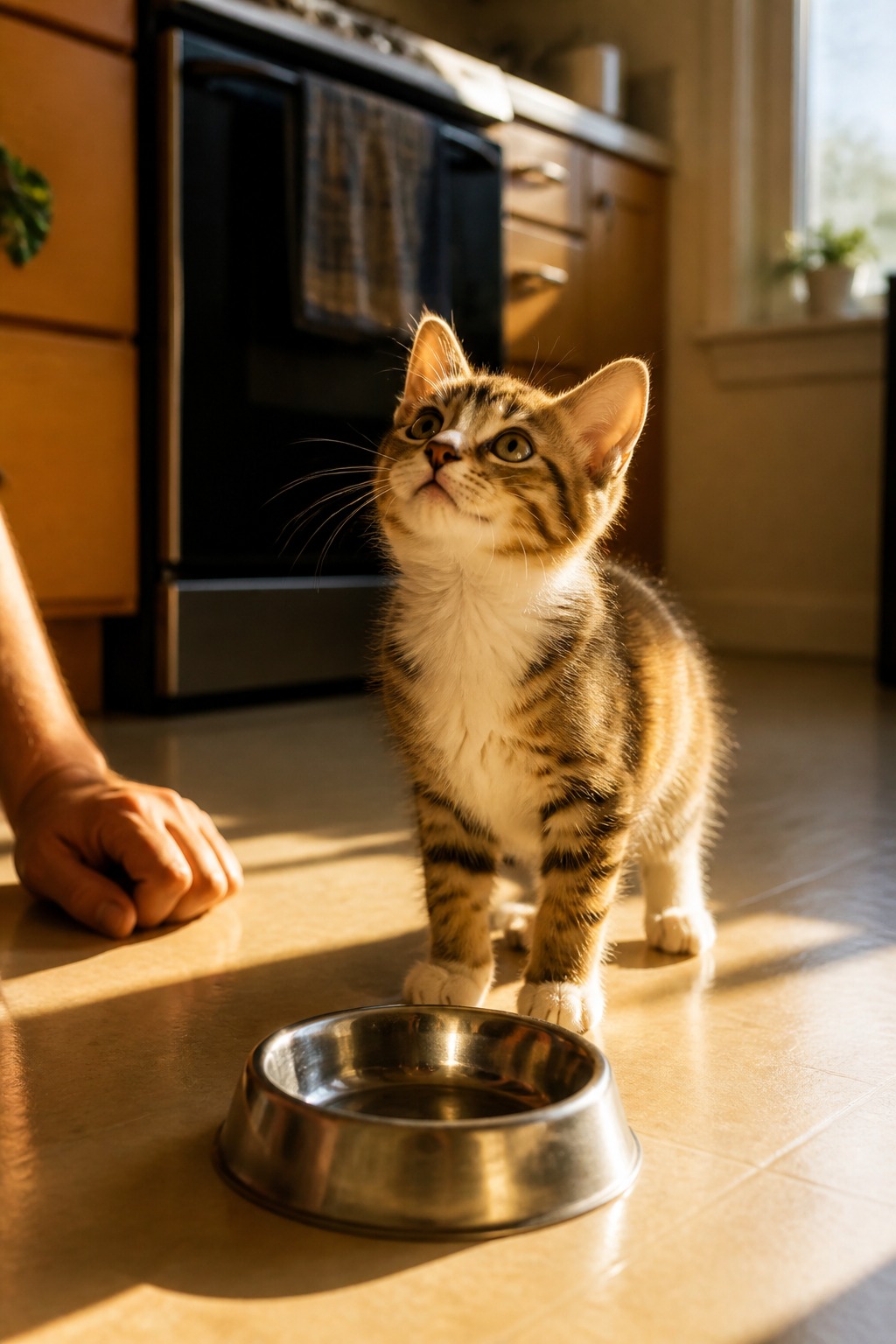
A single sick pet started it. In March 2025, one customer complaint about an ill animal sent state regulators to a freezer case, and what they found there pulled 2,460 pounds of raw food off shelves in nine states. The Blue Ridge Beef recall of its Puppy Mix and Kitten Mix is worth understanding not just as a headline to react to, but as a case study in how these alerts actually unfold, because the same pattern will repeat with the next brand. Raw diets carry a built-in bacterial risk that no recall notice ever fully explains, and the youngest, smallest pets, the exact audience for a “puppy” or “kitten” mix, are the ones least equipped to handle it.
The exact products to check right now
Two lots are affected, and the lot number is the only thing that matters. Look at the clip sealing the bag.
Kitten Mix, two-pound logs, lot #N26 0114. Puppy Mix, two-pound logs, lot #N25 1230. Both tested positive for Salmonella and Listeria monocytogenes. By weight, the recall covers 1,080 pounds of Kitten Mix and 1,380 pounds of Puppy Mix.
The food was distributed between January 3 and January 24, 2025, to retail stores in Virginia, Maryland, Pennsylvania, Connecticut, Massachusetts, New York, Tennessee, Rhode Island, and Wisconsin. If you bought raw Blue Ridge Beef in that window, the lot number on the clip tells you everything. A matching number means stop feeding it today.
How the recall actually came together
The timeline is the part most coverage skips, and it is the part that tells you how much these systems rely on luck. A customer reported their animal was sick. On March 20, 2025, regulators collected samples. On April 1, the North Carolina Department of Agriculture told the company its products had tested positive. Only then did the voluntary recall follow.
Read that sequence again. The contaminated food shipped in early January. It was not flagged until a pet got sick more than two months later, and it took another two weeks of lab work to confirm. Nothing about the process is designed to catch a bad lot before it reaches a bowl. That lag is not unique to Blue Ridge, and it is the strongest practical argument for handling all raw pet food as if it could be contaminated, because by the time a recall is announced, the food has usually been in homes for weeks.
Why salmonella and listeria are a two-way threat
These bacteria do not just sicken the pet eating the food. They sicken the people scooping it.
In animals, watch for the early signs of intestinal trouble: loss of appetite, diarrhea, vomiting, fever, lethargy, and abdominal pain. “Most puppies and kittens who get a mild dose will turn the corner at home with rest, fluids, and a bland diet,” says Dr. Lena Park, who reviews nutrition cases for The Pet Times. “What I tell owners to watch for is the slide into something worse. Pale gums, a wobble, collapse, those point to the toxins these bacteria release, and that is an emergency, not a wait-and-see.”
Her threshold is simple. If symptoms run past 24 hours, call your vet. If you see bloody diarrhea, trouble breathing, or a pet that suddenly cannot stand, skip the call and go.
The human risk is real enough that the CDC treats raw pet food as a household food-safety hazard. In people, the same organisms cause nausea, vomiting, diarrhea, cramping, and fever, and in rarer cases salmonella can seed far more serious problems, including bloodstream and arterial infections, endocarditis, and reactive arthritis. The people most exposed are the ones handling the food and the surfaces it touches, and the most vulnerable are infants, adults over 65, pregnant people, and anyone immunocompromised. A household with a newborn and a raw-fed kitten is a higher-stakes situation than the recall notice will ever spell out.
What to do with the food, step by step
Do not sell it, donate it, or feed it. The FDA’s instruction is to “return them to the place of purchase or destroy the food in a way that children, pets, and wildlife cannot access.” Wildlife matters here too; a bag in an open outdoor bin is a contamination risk for the raccoons and birds that find it.
Then clean as if you had handled raw chicken, because functionally you did. The FDA’s standing guidance for any raw pet food is worth following with every brand, not just a recalled one:
- Wash your hands with soap and water for at least 20 seconds after handling the food or anything it touched.
- Disinfect bowls, scoops, counters, and the sink. Hot soapy water first, then a disinfectant. A solution of one tablespoon of bleach to one quart of water works.
- Keep raw pet food at 40°F or below, and refrigerate or toss leftovers promptly. Cold slows bacteria; it does not kill them.
The bigger picture: this is the raw-food failure mode, not a fluke
It is tempting to read a recall as a single company’s mistake. The pattern says otherwise. Because raw food is never cooked, the heat step that kills Salmonella and Listeria in conventional kibble and canned food simply does not happen, which is why the FDA’s own testing has repeatedly found these pathogens in raw products and why the agency holds raw pet food to a zero-tolerance standard for them. Blue Ridge Beef sits alongside a long line of similar alerts, including raw products from Darwin’s, Performance Dog, Aunt Jeni’s, and others, all pulled for the same two organisms.
None of this means a raw-fed pet is doomed, and plenty of owners feed raw for years without incident. But it does mean the risk is structural, not accidental. If you choose raw, the safe-handling routine above is not optional hygiene theater; it is the actual safety system, because the recall process, as this timeline shows, will not protect you in time. If that tradeoff feels like too much for a household with a young puppy, a young kitten, or a vulnerable person, a gently cooked or high-quality conventional diet removes the bacterial gamble entirely. That is a conversation worth having with your vet before the next recall, not after.
References
- U.S. Food and Drug Administration, “Blue Ridge Beef Issues Voluntary Recall of Blue Ridge Beef Puppy Mix and Kitten Mix Due to Salmonella & Listeria Contamination.”
- U.S. Food and Drug Administration, “Get the Facts! Raw Pet Food Diets Can Be Dangerous to You and Your Pet.”
- U.S. Food and Drug Administration, “Tips for Safe Handling of Pet Food and Treats.”
- Centers for Disease Control and Prevention, “About Pet Food Safety.”
- Food Safety News, “Blue Ridge Beef Recalls Puppy and Kitten Mix Products Because of Salmonella and Listeria Contamination.”
Not a substitute for your vet. Our guidance is educational. For urgent symptoms, contact a vet or emergency clinic right away. Editorial standards
Dr. Mehta is a board-certified veterinary nutritionist who evaluates pet food formulations, ingredient quality, and the science behind dietary trends. He writes and reviews all nutrition content at The Pet Times, including our food rankings and feeding guides.
Meet our experts ↗Keep reading
 FoodThe Recalled Raw Food Was Never the Only Thing at Risk. Your Kitchen Was.Dr. Nina Kohl · 5 min
 Health & WellnessBlue Ridge Beef Recall of Puppy and Kitten Food Now Covers 16 StatesDr. Ravi Mehta · 4 min
 FoodRaw Chicken for Cats Got Measurably More DangerousDr. Mara Chen · 6 min
 Food'Freeze-Dried' Tells You Nothing About Your Cat's Food. Two Labels Do.Dr. Priya Nair · 8 min
 FoodCooked Fish Is Great for Dogs. Raw Salmon Can Kill ThemDr. Ravi Mehta · 6 min
 FoodWet Cat Food and the 2-Hour Rule: The Clock Starts the Second You Open the CanDr. Amara Solis · 7 min