


Salmonella and Listeria in Darwin's Raw Pet Food: The Exact Lots to Toss
The FDA flagged six lots of Darwin's Natural Selections raw dog and cat food for Salmonella and Listeria. Here are the lot numbers, what to do if you have them, and when to call the vet.
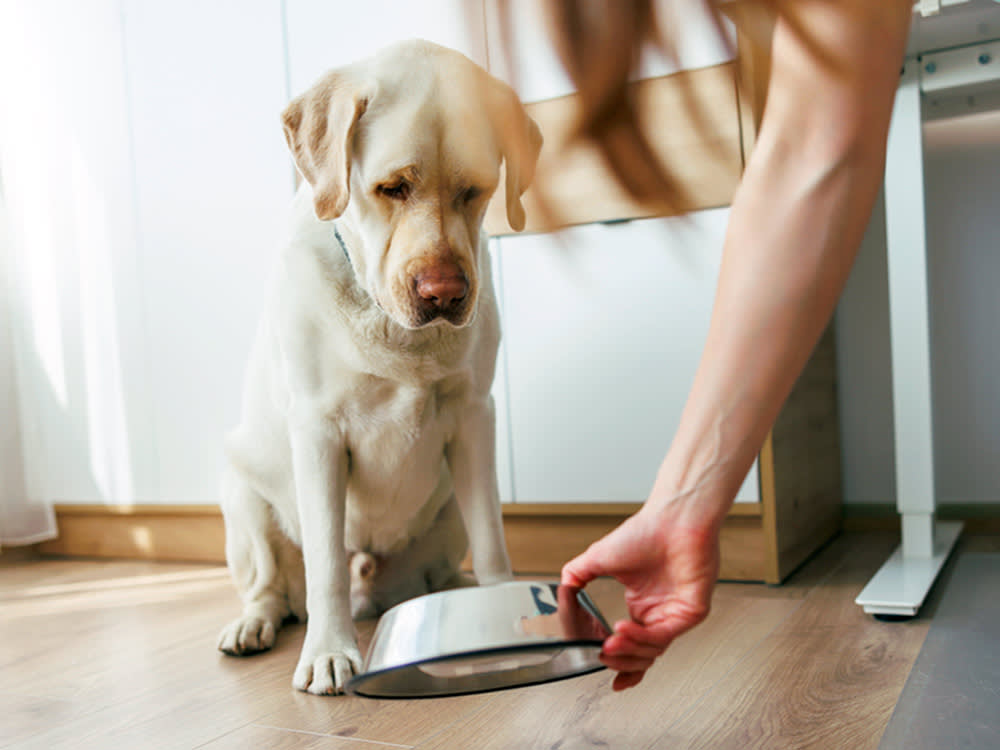
If you feed Darwin’s raw food, stop and check your freezer before your pet’s next meal. The U.S. Food and Drug Administration issued an advisory after samples of Darwin’s Natural Pet Products raw cat and dog food, made by Arrow Reliance, Inc., tested positive for Salmonella and Listeria monocytogenes. This isn’t a “keep an eye on it” situation; it’s a specific list of lot numbers to pull now.
Below is exactly what was flagged, what to do with it, and the symptoms that mean a call to the vet.
The affected lots
All of the flagged products are the two-pound packages of Darwin’s Natural Selections Antibiotic and Grain-Free Chicken Recipe, sold online through the brand’s subscription service. Check the lot number against this list:
For cats — Chicken Recipe:
- Lot 10832, MFG date Jul 25, 2024
- Lot 10856, MFG date Aug 04, 2024
- Lot 10890, MFG date Aug 13, 2024
For dogs — Chicken Recipe:
- Lot 10828, MFG date Jul 24, 2024
- Lot 10844, MFG date Jul 30, 2024
- Lot 10887, MFG date Aug 12, 2024
The FDA recommended that Arrow Reliance recall all six lots.
What to do if you have any of these
Don’t feed it, and don’t try to salvage it. Throw the affected product away in a sealed bag where no other animal can get to it. Then clean, because the risk isn’t only the food itself. Salmonella and Listeria can linger on anything the raw food touched. Disinfect surfaces and items the food may have contacted, including bowls, toys, bedding, flooring, countertops, and even the fridge or freezer where it was stored.
Wash your own hands thoroughly after handling the food or cleaning up. Raw-food pathogens make people sick too, and children, older adults, and anyone with a weakened immune system are especially vulnerable.
The part people underestimate with a raw-food recall is the contamination that spreads beyond the bowl. A dog can shed Salmonella and seem completely fine while it’s living on the food-prep counter and the kids’ hands. When these advisories hit, I tell clients to treat it like a kitchen safety problem, not just a pet-food problem.
When to call the vet
Salmonella and Listeria infections can cause diarrhea, loss of appetite, dehydration, lethargy, fever, an upset stomach, and weight loss, among other signs. Importantly, some pets can carry and spread the bacteria without looking sick at all.
If your pet was exposed to any of these lots, watch them closely. If symptoms last longer than about 12 hours, have your pet examined. And if you see more serious signs, like blood in the stool, don’t wait, go straight to an emergency vet.
What’s new since this was written
Darwin’s has continued to draw FDA scrutiny since this advisory. In 2025, the agency issued further advisories tied to the brand, including one involving lots that tested positive for E. coli O157:H7 and Salmonella after a young child became infected, and another covering two lots of Darwin’s BioLogics dog food that tested positive for Salmonella and Listeria monocytogenes.
The pattern is the useful takeaway for pet owners. Raw diets carry a real, recurring bacterial risk that cooked and commercially processed foods largely don’t, and the danger extends to the humans handling the food. If you feed raw, build in strict kitchen hygiene, sign up for FDA recall alerts, and talk with your veterinarian about whether the approach makes sense for your household, especially if you share your home with young kids, seniors, or anyone immunocompromised.
References
- U.S. Food and Drug Administration. “FDA Advisory: Do Not Feed Certain Lots of Darwin’s Natural Selections Pet Food Due to Salmonella and Listeria monocytogenes.” https://www.fda.gov/animal-veterinary/outbreaks-and-advisories/fda-advisory-do-not-feed-certain-lots-darwins-natural-selections-pet-food-due-salmonella-and
- U.S. Food and Drug Administration. “Outbreaks and Advisories.” https://www.fda.gov/animal-veterinary/news-events/outbreaks-and-advisories
- Centers for Disease Control and Prevention. “Salmonella and Raw Pet Food.” https://www.cdc.gov/salmonella/
Not a substitute for your vet. Our guidance is educational. For urgent symptoms, contact a vet or emergency clinic right away. Editorial standards
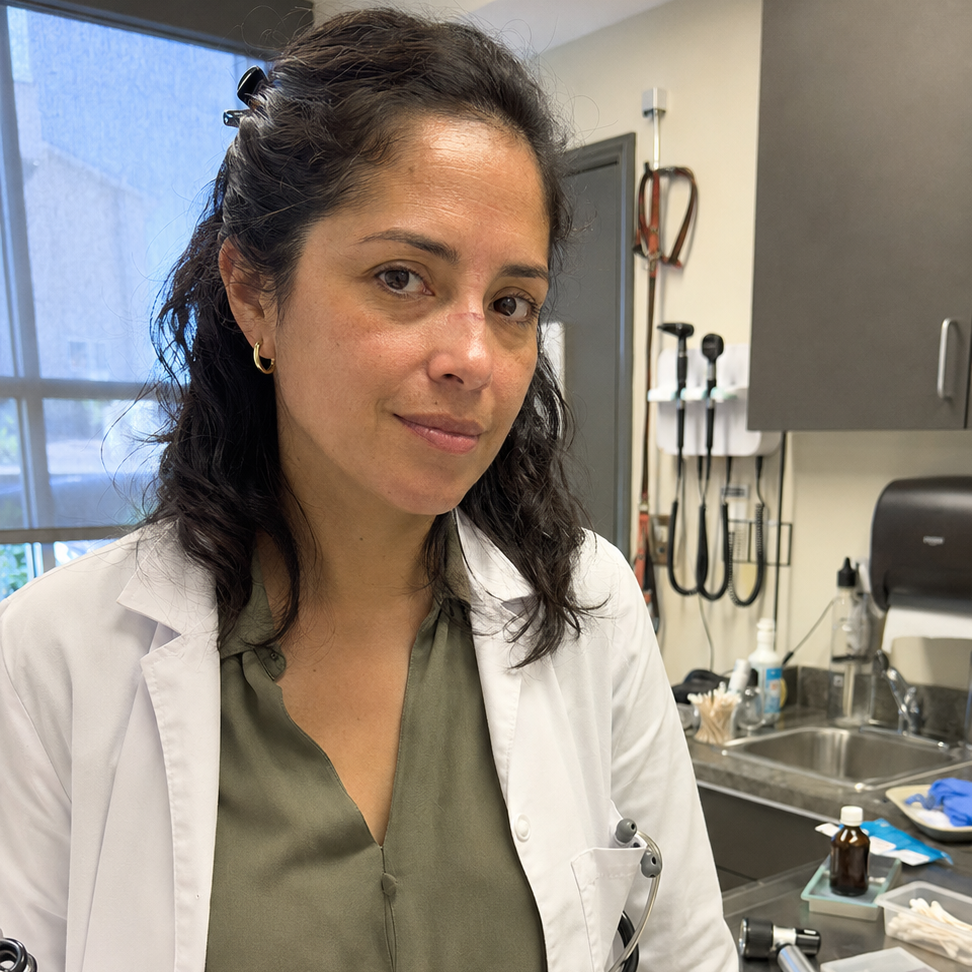
Dr. Solis is a board-certified veterinary dermatologist with over twelve years of clinical experience. She advises on skin conditions, allergies, and grooming practices that affect coat and skin health. All dermatology and allergy content at The Pet Times is reviewed by her team before publication.
Meet our experts ↗Keep reading
 Health & WellnessBlue Ridge Beef Recall of Puppy and Kitten Food Now Covers 16 StatesDr. Ravi Mehta · 4 min
 Health & WellnessA Raw-Food Recall, Decoded: What Blue Ridge Beef's Salmonella Scare MeansDr. Ravi Mehta · 6 min
 Health & WellnessYour Dog's Burping Is Normal. Until It's the Thing That Kills Them.Dr. Lena Park · 7 min
 FoodWet Cat Food and the 2-Hour Rule: The Clock Starts the Second You Open the CanDr. Amara Solis · 7 min
 FoodCooked Fish Is Great for Dogs. Raw Salmon Can Kill ThemDr. Ravi Mehta · 6 min
 FoodYou Can't Train a Dog to Eat Slowly. You Make It Physically Impossible.Dr. Lena Park · 6 min