
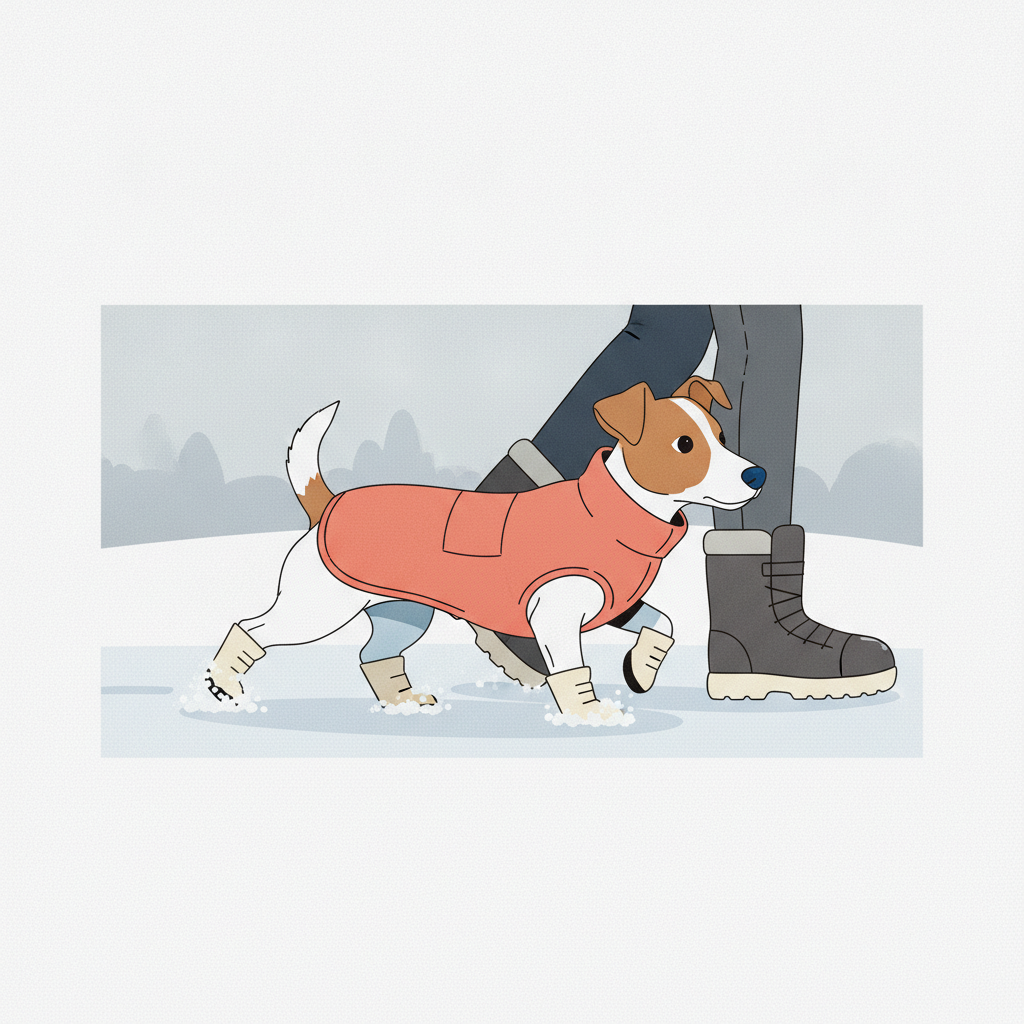
Walking the dog at the peak of winter can feel like a tactical operation: get in and out before frostbite sets in and before your neighbor corners you for a chat (and, let’s be honest, so you can get back to your show). In the rush, it is easy to overlook a key part of your pup’s cold-weather kit: booties. Far from a fashion statement, paw protectors play a real role in shielding your dog’s feet from icy terrain. They are equal parts practical and adorable, and they will have your pup turning heads (and tails) on chilly walks.
When you are choosing winter boots, the single most important thing is fit. Too small and you risk hurting their paws; too big and your dog ends up doing an awkward little high-step dance trying to navigate the oversized shoes.
The Goldilocks rule applies here: not too small, not too big, but just right. Beyond fit, look for insulation to shield sensitive paws from the cold, plus water-resistant material to fend off snow and slush.
If that already sounds like a lot, and you are barely keeping up with buying your own shoes, we have rounded up the best winter dog boots so you can get your pup geared up and strutting the snowy sidewalks in no time.
Does my dog actually need winter boots?
As much as we love those viral clips of dogs stumbling around in brand-new boots, dogs do not need them in every situation. Boots can be excellent paw protectors in extreme conditions, but the need depends on the temperature, the type of snow, how long you will be outside, and, most of all, your individual dog.
In clinical practice, the boot question comes up most in four specific conditions, and these are the ones where the answer is usually yes:
- Extreme cold: Prolonged walking on frozen ground can cause real discomfort and, at the extremes, frostbite on the pads.
- Hidden sharp objects: Snow conceals broken glass, grit, and ice shards that slice pads you would normally avoid.
- Ice-melt chemicals: The deicing salts spread on roads and sidewalks are caustic to paw pads and dangerous if a dog licks them off.
- Salt and sand: Even the gentler traction aids are abrasive and can crack or irritate pads over a winter of walks.
Whether your dog needs boots also comes down to age, coat, breed, and individual health.
“Boots help almost any dog in the right conditions, but some need them far more than others,” says Dr. Mara Chen, DVM. “Short-coated breeds and dogs not built for cold lose heat through their feet quickly, and dogs with naturally sensitive pads feel rough ground more. Seniors and very young puppies regulate temperature poorly, so they’re prime candidates too.”
The honest bottom line is that this is an individual call. If your dog lifts their paws, slows down, or licks their feet raw after winter walks, that is your dog telling you the answer is yes. When in doubt, ask your own vet, who can factor in your dog’s coat, age, and any pad or joint issues.
Signs your dog should wear winter boots
It can be tempting to skip the boots, since it is one more step in an already long walk routine. But there are clear signals that boots are worth it, and they can save you time and money down the road in the form of vet bills. Watch for these signs:
- Frequent lifting of paws or limping during cold-weather walks
- Redness, cracks, or sores developing on paw pads
- Excessive licking or chewing of paws after exposure to snow or ice melt
- Discomfort, shivering, or refusing to keep walking in wintry conditions
The best winter boots for dogs
When choosing the best winter boots, we weighed fit, material, price, water resistance, and traction. Whether you are outfitting a gentle giant or a pocket-sized pup, here are our top picks.
Best waterproof boots for dogs
Perfect for puddle-jumping and everything in between, Wagwellies are a sleek, sturdy choice for pet parents after waterproof winter boots. Made from 100 percent rubber, the patented design stays put and keeps paws dry even during rowdy play. They come in eight vibrant colors and are sold as a set of four, making them a great slip-on option for rainy-day adventures.
Best non-slip winter boots for dogs
Ruffwear Grip Trex boots are the ultimate trail-ready, non-slip option for protecting paws outdoors. Ideal for hiking, backpacking, mountain biking, and trail running, they are built to handle rugged terrain. The Vibram non-marking outsoles feature a lugged design for serious traction and flexibility, while the tightly woven air mesh keeps paws breathable and shuts out dirt and debris. A reliable hook-and-loop cinch closure guarantees a snug, secure fit.
Best large-dog winter boots
These water-resistant canvas boots are designed to handle snow, rain, and mud, making them ideal for messy winter terrain. The fleece-lined interior keeps paws warm, and the ultra-wide opening makes them easy to get onto larger dogs. A Velcro strip secures the boot around the leg to prevent slipping, and rubber grips on the sole provide excellent traction even in wet conditions. Putting them on is a breeze: insert the paw, adjust the toggle, wrap the reflective strap, and secure the Velcro.
Best medium-dog winter boots
These boots are a fan favorite for guarding paws against snow, salt, mud, and sharp terrain. The water-resistant exterior and soft micro-fleece interior create a cozy haven for paws without sacrificing durability. Double Velcro straps and a toggle keep them securely in place and make them easy to put on and take off. The durable rubber PVC sole offers full protection against snow, salt, rough ground, and harmful chemicals, while the wide opening keeps the whole process hassle-free and the reflective straps boost nighttime safety.
Best small-dog winter boots
Built with a blend of quality, comfort, and durability, the Muttluks Snow Mushers Winter Dog Boots shield your dog’s paws from ice, cold, salt, and snow. The cozy fleece lining and water-resistant outer shell deliver blizzard-proof warmth on the coldest days, so your small dog can step out comfortably. The “Mutt Motion” tread rubber soles flex in any direction to adapt to your dog’s paw movement, giving a barefoot-style feel. The double-wrap fastening, with high or low strap positions, accommodates dew claws while keeping a secure fit, and the extra-large opening makes slipping them on effortless.
DIY winter boots for dogs
Wondering how to make winter boots at home? It is doable. Let’s set expectations: these homemade booties will not rival the high-end pet store models, but they will get the job done for short trips outside. Grab some fleece, canvas, or non-slip material to keep those paws toasty. Trace your dog’s paw and add about a half inch around the border to create a pattern. Sew the outer edges, leaving a hole for the paw, then slip the material on and tie a lace around it to secure. They are not your winter trailblazing go-to, but they are perfect for quick potty breaks in the cold.
How to choose the right winter boots for your dog
With hundreds of options out there, narrowing it down is tricky. Heavy-duty and water-resistant, or simple slip-ons? It depends on a few factors. Here is what to weigh:
- Size and fit: Measure your dog’s paws so the boots fit comfortably, snug but not too tight.
- Durability: Look for materials that can withstand a variety of conditions.
- Traction: Choose boots with good grip to prevent slipping on ice.
- Waterproofing: Waterproof boots are essential for keeping paws dry in snow and slush.
- Ease of application: Pick boots that go on and come off easily, for both your sakes.
- Budget: Your dog deserves the best, but balance quality with cost to protect those paws without overspending.
Tips for getting your dog used to boots
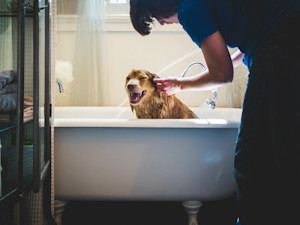
Finding the right boots is step one. Convincing your dog to actually wear them is another challenge entirely. These steps make it far smoother:
- Introduce them gradually: Let your dog sniff and explore the boots first. Put one on, reward with treats and praise, then slowly add more.
- Build positive associations: Pair the experience with treats, play, and lots of encouragement.
- Keep practice sessions short: Start brief and gradually extend the time as your dog adjusts.
- Practice indoors: Begin in a familiar, comfortable space before heading out into the cold.
Do not get discouraged if it takes a while. We have all had to break in a stiff pair of shoes.
“Some dogs adapt in a day and others need a couple of weeks, so the trick is patience plus repetition, not force,” Dr. Chen says. “Keep the focus on comfort and safety, and let the dog set the pace.”
One last clinical tip: once you are back from a wintry walk, take the boots off right away and let the feet dry. Paws left damp inside a boot for hours can develop yeast or bacterial irritation between the toes, the same warm-and-wet problem that causes interdigital infections. Air the boots out before the next adventure, and you are good to go.
FAQs
Can winter boots help an older dog in the snow?
Yes. As dogs age, their paw pads grow more sensitive, and exposure to cold surfaces, snow, and ice can cause discomfort. Winter boots provide insulation, protect the paws, and help prevent injuries, making snowy walks more comfortable for older dogs.
Can boots help dogs while hiking?
Yes. Whether your dog is navigating rocky terrain, abrasive surfaces, or extreme weather, boots offer protection against cuts, injuries, and discomfort. The durable soles also provide traction and a secure grip on varied surfaces.
How do I measure a dog’s paw for winter boots?
Use a soft measuring tape or a piece of string to measure the width and length of the paw while your dog is bearing weight. Measure across the widest part of the paw, and from the back of the pad to the tip of the toenail for length. Then compare your measurements to the manufacturer’s sizing chart for an accurate fit.
References
- “Cold Weather Animal Safety.” American Veterinary Medical Association. https://www.avma.org/resources-tools/pet-owners/petcare/cold-weather-animal-safety
- “Winter Safety Tips.” ASPCA. https://www.aspca.org/pet-care/general-pet-care/cold-weather-safety-tips
- “Antifreeze and Ice Melt Poisoning in Pets.” Pet Poison Helpline. https://www.petpoisonhelpline.com/poison/ice-melts/