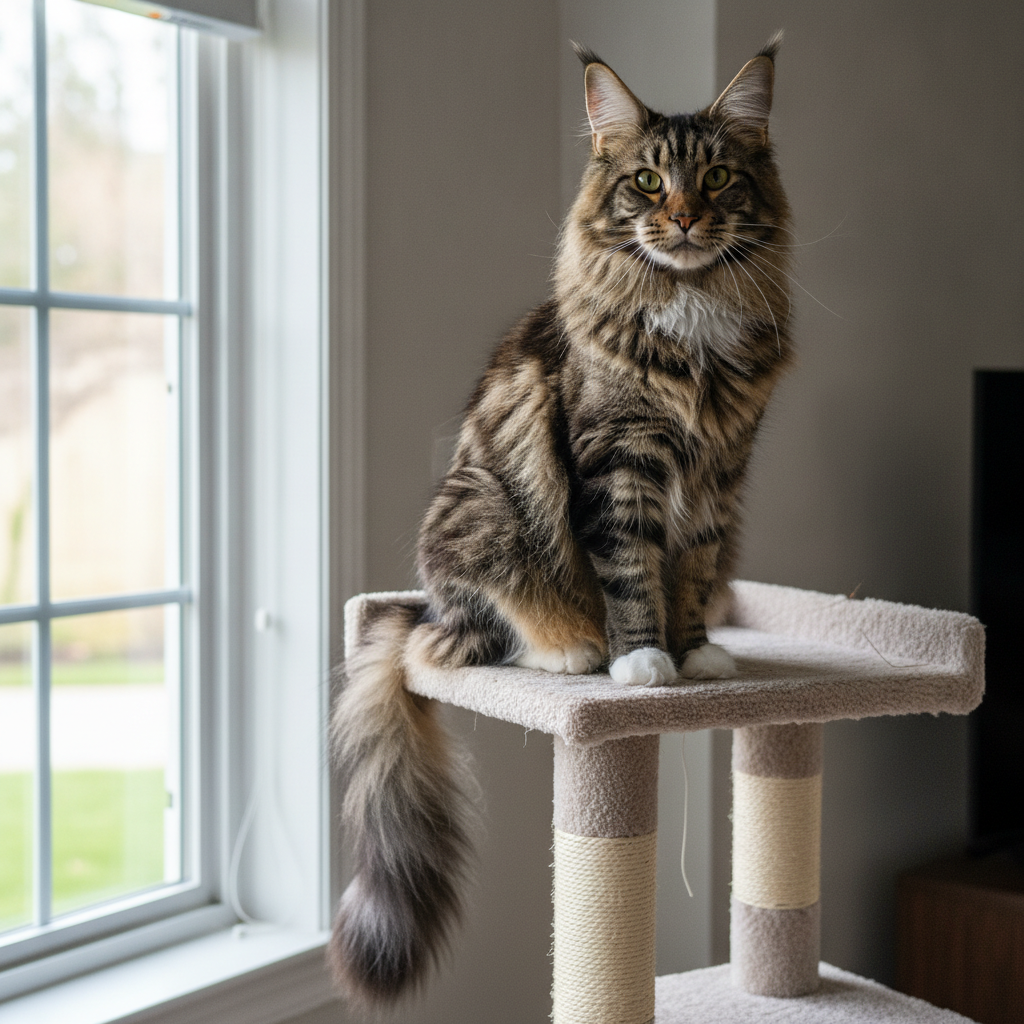

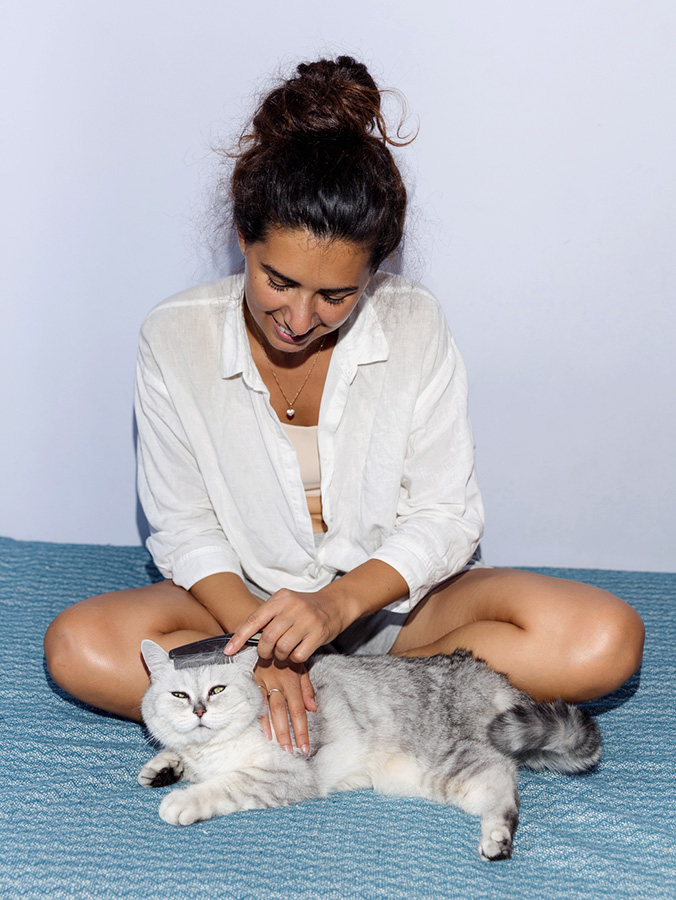
Here’s the trap most cat-brush guides fall into: they rank brushes as if there’s a single best one, then hand you the highest-rated tool and wish you luck. But the brush with five thousand glowing reviews is useless if your cat flattens their ears and bolts the moment it appears. The best cat brush is not the best-reviewed brush. It’s the one matched to two things — your cat’s coat type and your cat’s tolerance — and everything else is secondary.
That reframe is why this guide is organized the way it is. Instead of a flat ranking, the picks below are built around coat type, the thing that actually decides which tool will work, with a short bench of all-rounders up front that suit almost any cat. A slicker that’s perfect for a Maine Coon’s dense undercoat is overkill on a sleek shorthair; a gentle rubber brush that delights a Siamese won’t touch a Persian’s mats. Find your cat’s coat, start there, and let your cat cast the deciding vote.
Beyond the coat itself, brushing earns its place for reasons that have nothing to do with tidiness. “Brushing isn’t just grooming, it’s a full-body check,” says Pet Times grooming editor Sasha Ford. “Every session is a chance to find a mat starting, a lump, a scab, or a sore spot early, while it’s still small.” For older cats it matters even more. “Senior cats lose flexibility and stop reaching parts of their own body,” Ford adds. “A brush picks up where their tongue can no longer reach.”
A note on how we picked: our editors and their (variably cooperative) cats tested these. Prices are accurate at publication and may shift. If you buy through our links, we may earn a commission.
How to choose, in one minute
If you read nothing else, this is the decision:
- Short-haired cats want soft bristles or rubber — gentle, since there’s little coat between the tool and the skin.
- Medium-haired cats are flexible; most styles work, so prioritize comfort and your cat’s preference.
- Long-haired cats need a slicker or a comb that gets ahead of mats, plus a dematting or deshedding tool in reserve.
- Any cat prone to mats or hairballs benefits from a dedicated deshedding tool used sparingly.
And the universal rule, from Ford: “Work with the grain of the coat, never against it, and lighten your touch over the belly, hindquarters, and tail — the spots nearly every cat protects.”
Here’s a fast cheat sheet of the category winners, each detailed below:
- Best overall grooming tool: Chris Christensen Butter Comb
- Best for short-haired cats: KONG Cat ZoomGroom
- Best for medium-haired cats: Furbliss Pet Brush
- Best for long-haired cats: FURminator Long Hair Cat Deshedding Tool
- Best deshedding tool: Mars Coat King De-Matting Rake
Best all-around tools to start with
These cross coat types and earn a place in almost any grooming kit, so they’re the smart first buy before you get specific about your cat’s coat.
The Buddy System Boar-Bristle Brush — $13
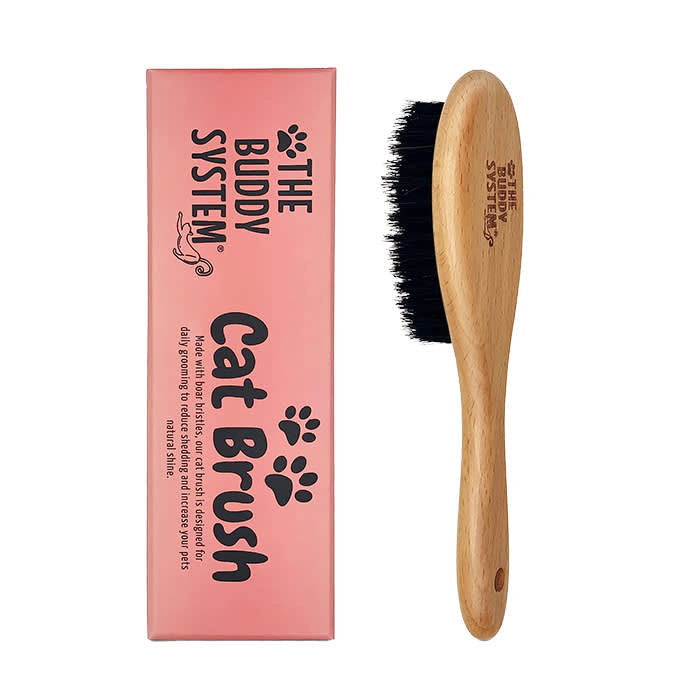
When you want shine rather than a deep deshed, boar bristle distributes natural oils across short, medium, or long coats and stimulates oil production over time. Right for: finishing passes and a glossy coat. Wrong for: mats or heavy undercoat.
Chris Christensen Butter Comb — $60
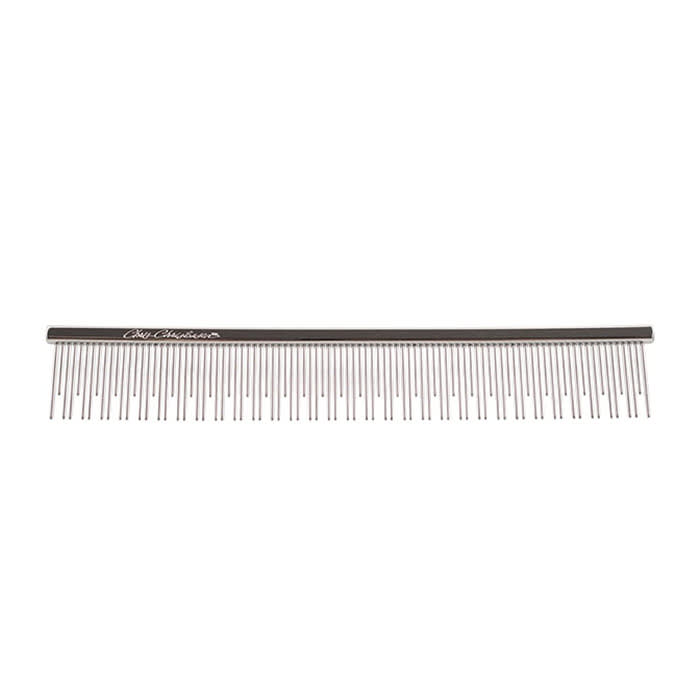
A comb rather than a brush, and worth every cent of the splurge — it earned the “butter” name by melting through coat without a single snag. One owner who shows her cat credits it with keeping his coat competition-ready, and another household reports that cats who had fought every brush for seven years now roll over and offer their bellies when this comb comes out. Right for: anyone who wants one excellent lifetime tool. Our best overall pick.
Best brushes for short-haired cats
Short-haired cats can go longer between sessions, but they still benefit — and because there’s so little coat between tool and skin, softness matters most here.
KONG Cat ZoomGroom — $10
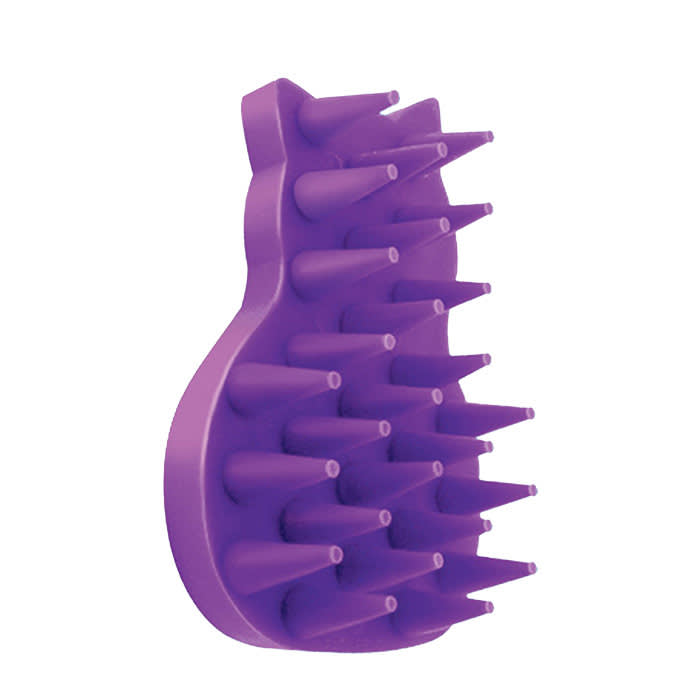
This little cat-face-shaped rubber brush is part grooming tool, part massage, and it’s the one short-haired cats tend to actively enjoy. The flexible rubber teeth gather loose hair remarkably well and double as a massage against the skin. It won’t touch a thick undercoat — that’s not its job. One reviewer reported having to hide it, because their cat kept stealing it to chew, which is either a flaw or a rave depending on your outlook. Right for: short coats and bonding-averse cats you’re trying to win over.
Pet Tweezer Slicker Brush — $15
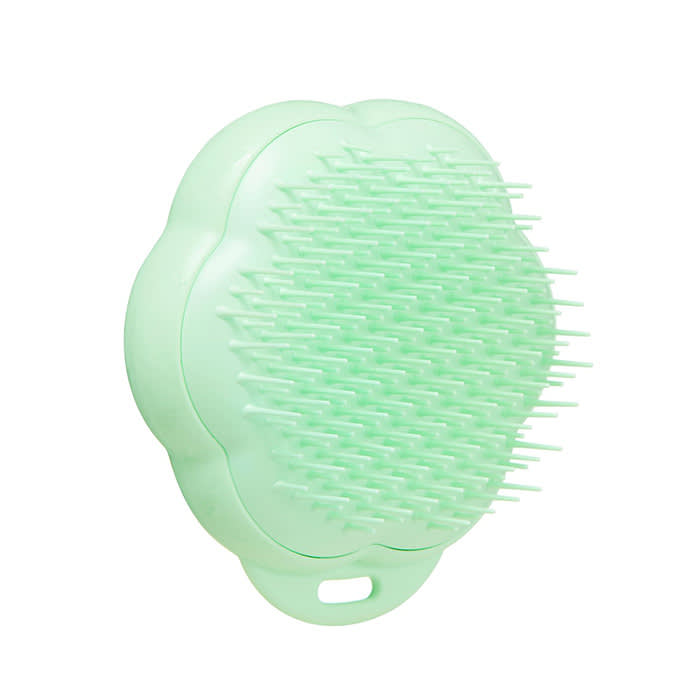
Shaped to sit in your palm, this paw-style brush suits light shedders who need more bonding than deshedding. Lightweight, low-fuss, easy to clean. Right for: cats who tolerate only short, gentle sessions.
FURminator Short Hair Cat Deshedding Tool — $32
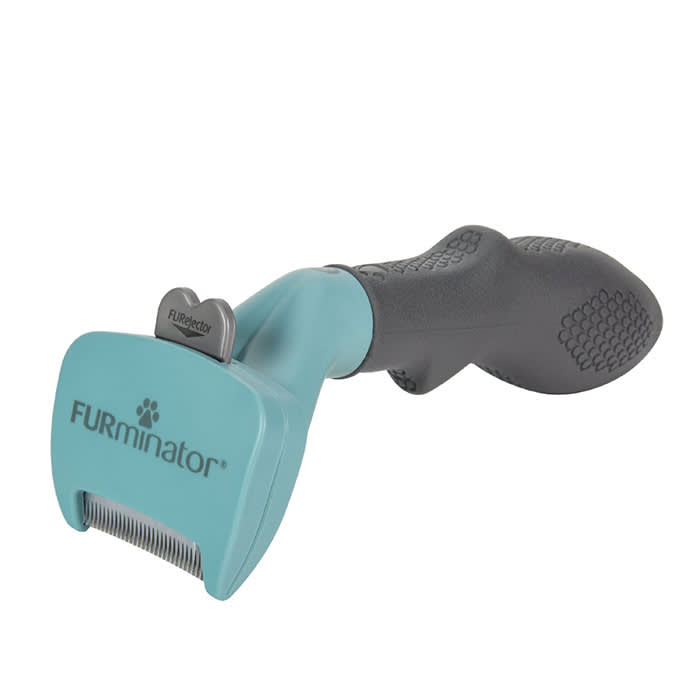
Same idea as FURminator’s famous long-hair tool (covered below), with tines cut slightly shorter for thinner coats. What reviewers keep praising is the blade design: rather than blunt plastic teeth, an angled, serrated metal edge catches loose hair near the base and lifts it free — several call it the tool that finally made shedding season manageable. Right for: short-haired cats that still shed heavily. Wrong for: cats who balk at a metal edge.
Best brushes for medium-haired cats
Medium coats are the easygoing middle ground — most styles work, so comfort and your cat’s preference win the day.
Well & Good Pin & Bristle Cat Brush — $14
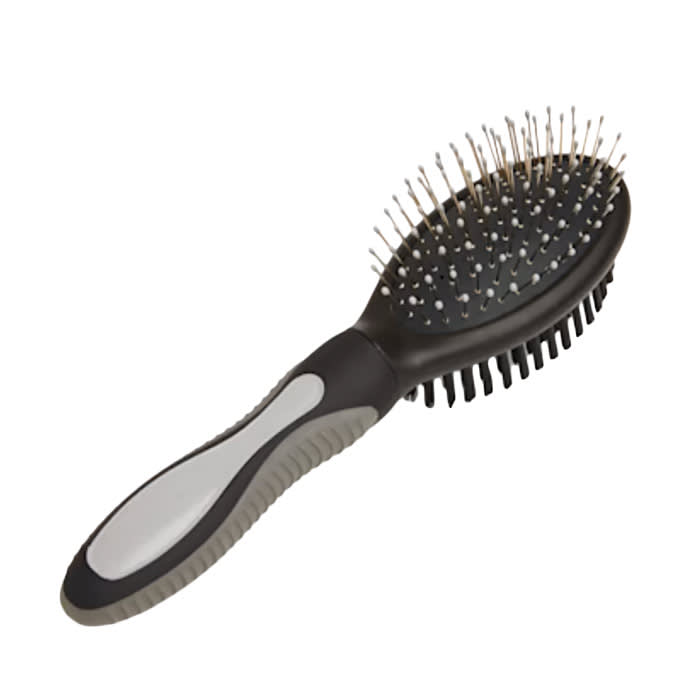
Two tools in one: the pin side loosens dead hair, the bristle side distributes the coat’s natural oils for shine. The soft-grip handle helps with hand fatigue on longer grooms. It’s a Petco house brand, sold direct through Petco. Right for: medium coats that need both detangling and polishing.
Furbliss Pet Brush — $15
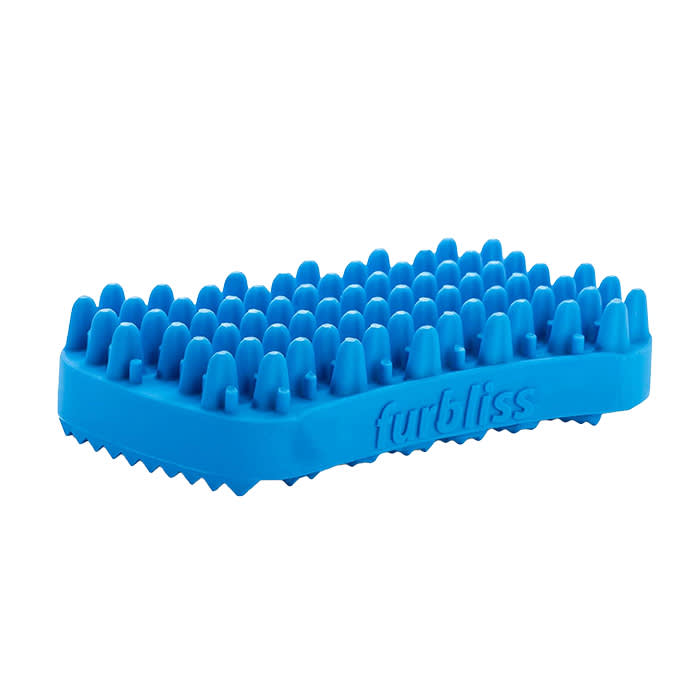
A two-sided rubber brush: one side lifts loose hair and dander, the other gives a gentle massage. The sleeper feature is that the rubber surface also pulls cat hair off furniture and clothing, so it earns its keep around the house. Right for: medium coats and double-duty households. Best medium-coat pick overall.
Best brushes for long-haired cats
Long-haired cats — Maine Coons, Persians, Ragdolls — carry the most grooming demand, and many do best with a daily session. The right tool turns that obligation into something closer to a ritual.
Hertzko Self-Cleaning Slicker Brush — $17
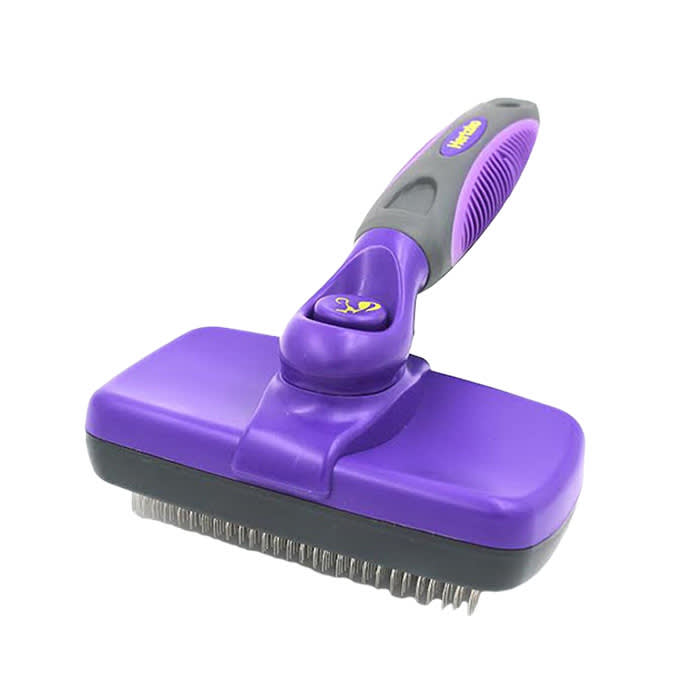
A versatile slicker that works on any coat length and doubles for dogs, which makes it the practical pick for a multi-pet home. The retractable-bristle button clears collected fur in seconds, and the anti-slip handle holds up through longer grooming. Right for: households juggling more than one animal. Wrong for: cats who need the deeper undercoat reach only a deshedder provides.
Safari Self-Cleaning Slicker Brush — $17
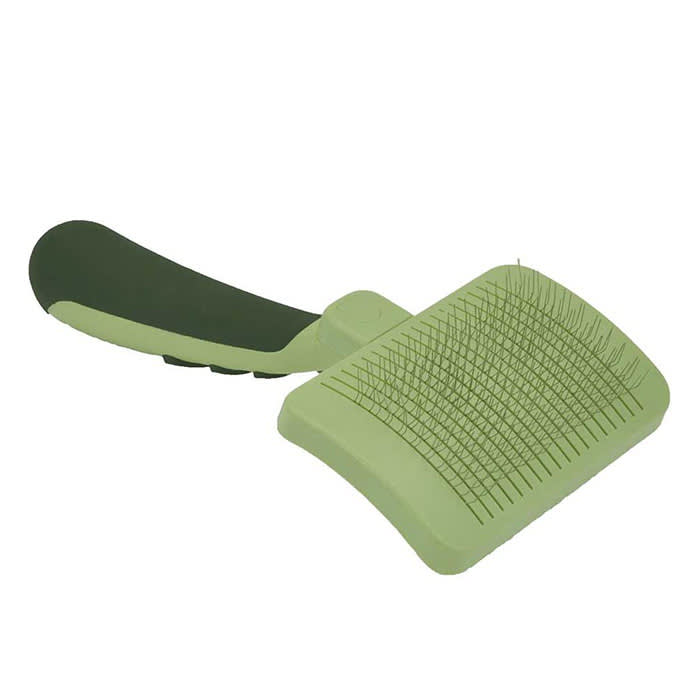
Stainless-steel pins firm enough to work a long coat while staying gentle on the skin underneath, plus the same push-button cleaning. It’s the budget-friendly slicker on this list, and the closest direct alternative to the Hertzko if you want a slightly firmer pin. Right for: a first long-coat slicker on a budget.
FURminator Long Hair Cat Deshedding Tool — $34
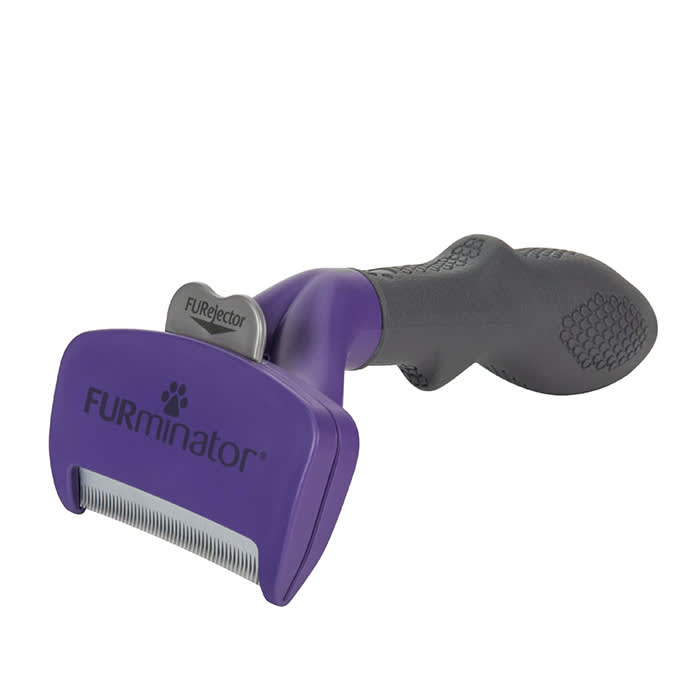
The deshedding tool most others get compared to. Its fine metal edge reaches past the topcoat to pull loose hair from the undercoat, which is where the shedding actually originates. A curved handle keeps long sessions comfortable, and a one-press “fur ejector” clears the collected hair so you’re not picking it out by hand. Right for: heavy-shedding long coats. Wrong for: cats who dislike a firm metal edge — start them on something softer.
Best deshedding and dematting tools
For cats who shed enough to knit a second cat — or who mat easily — these are the heavy artillery, used gently and sparingly.
Pet Republique Dematting Rake — $12
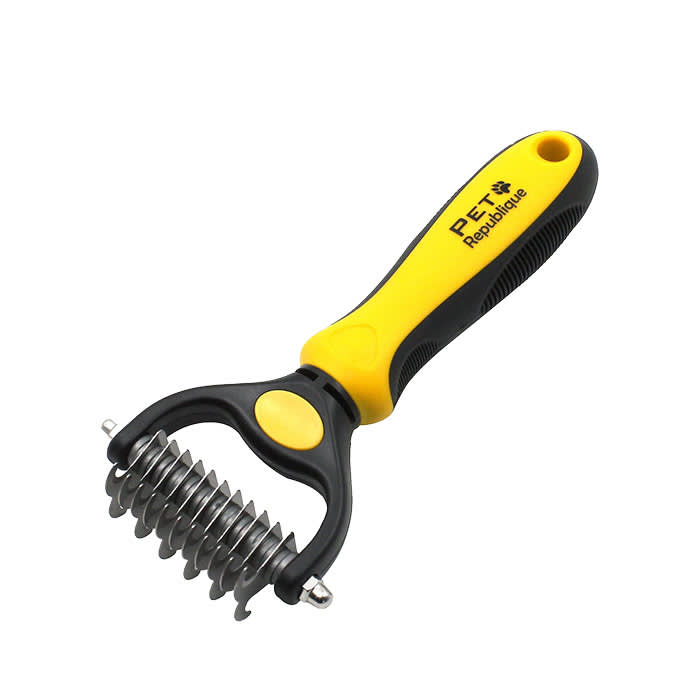
Two sides: a six-tooth side for serious tangles, an eleven-tooth side for general thinning. Some cats object to the sensation, but most owners find it worth it. One described working through mats a little at a time while her cat purred through the entire session — the first grooming tool, she said, her cat has ever actually enjoyed. Right for: an affordable dematting tool that won’t break the bank.
Mars Coat King De-Matting Rake — $40
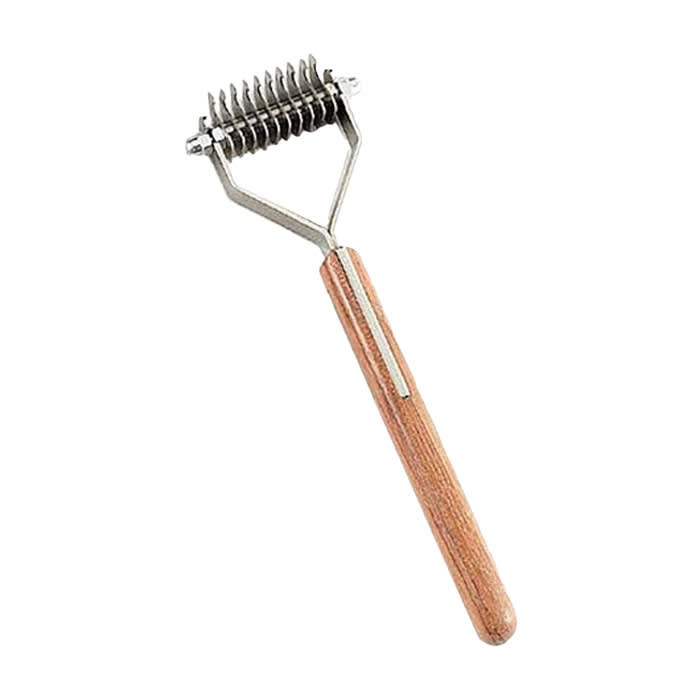
A rake that handles mats, loose undercoat, and thinning in one pass — powerful, so a light touch is essential. Used gently it untangles knots and thins dense coats remarkably well. Right for: serious mat-prone coats. Wrong for: sensitive cats or anyone heavy-handed. Our best deshedding pick.
FAQ
What actually makes a good cat brush?
Effective, easy to clean, comfortable in your hand, durable — and, above all, a brush your cat will tolerate. “Your cat casts the deciding vote here, not the star rating,” says Pet Times grooming editor Sasha Ford. “If a brush sends them running, believe them and try another.”
Does my cat’s breed change which brush I need?
Yes, for a few breeds. “A Burmese has thick hair but no undercoat beneath it, so there’s nothing to rake out and light regular brushing covers it,” says Nina Vasquez. “With flat-faced cats, stay gentle around the muzzle and keep any brush away from the eyes, where a soft cloth or a baby toothbrush is the safer tool.”
How often should I brush my cat?
Roughly once or twice a week for short-haired cats, every other day for medium coats, and daily for long-haired cats. Regular brushing cuts matting, reduces hairballs, and lowers allergen-carrying hair around your home.
How long should a session last?
Only a few minutes, and gentle throughout. “Let your cat’s own grooming pace set yours, and quit while they’re still enjoying it instead of pushing for a full pass,” Ford says.