


Everyone Knows Maxbone for the Feathered Dog Jumper. Its Biggest Seller Is Food.
Parisa Fowles-Pazdro built a pet brand out of a gap on the shelf: everything was either Petco or Goyard, with nothing in between. The label became famous for fashion collabs. The units are moving somewhere else entirely.

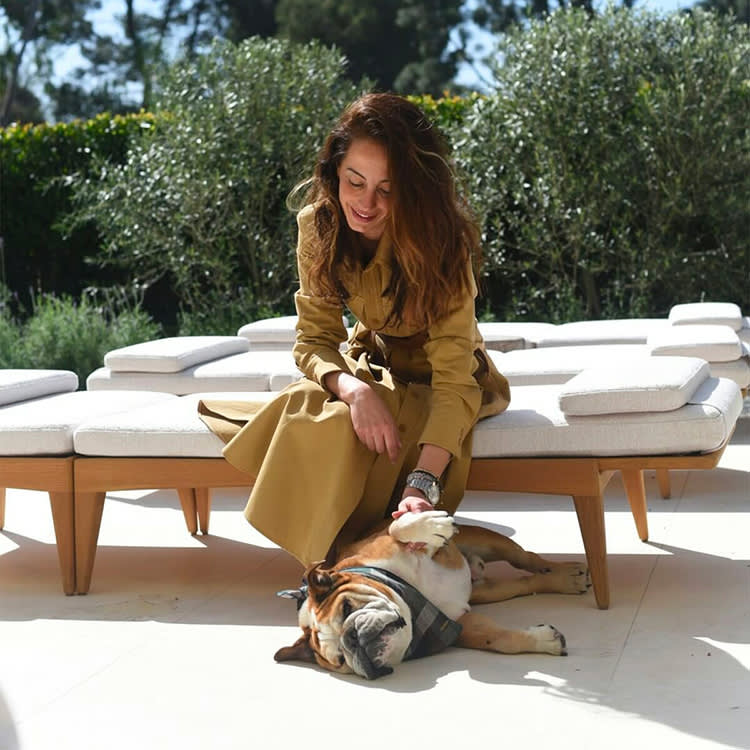
Parisa Fowles-Pazdro had never owned an animal in her life before Macintosh. Then she did, and like every new owner she set out to buy him nothing but the best, and found a shelf with a hole in the middle of it.
On one side: Petco and PetSmart. On the other: Goyard and Louis Vuitton. And in between, in the vast territory where most people actually shop, essentially nothing.
That gap is the whole origin story of Maxbone, and it is worth pausing on, because it is a more interesting insight than the one the brand is famous for. The company gets written about for its fashion collaborations, and it has had good ones. But the products that sell in volume are not the ones on the mood board.
The first collection was five things
The first collection was small and entirely literal. A collar. A leash. Something to sleep on, something to chew, and two jumpers. Her dog needed those five things, so those were the five things she made.
The jumpers were the reluctant part. She has been candid that she never thought she would be a person who made dog clothes, and had always considered them tacky. What changed her mind was not a design epiphany, it was a shedding problem in her car and a dog who shivered outdoors. She needed the function. She did not want the alternative on offer, which was a novelty sports jersey cut for a dog and sold in an aisle. And she had a background to draw on, having run a fashion label of her own in London for a while.
So she made a handful of chic, high-quality, durable options to round out a collection that already existed for practical reasons. That order of operations matters. The clothes solved a problem first and looked good second, which is precisely the opposite of how most pet fashion gets made.
Then Disney knocked
The initial run landed. Good coverage in Los Angeles, a few famous customers, and then, half a year in, a call from Disney about working together.
That set the pattern. Maxbone has since worked with Christian Cowan, Ouai, Bala, Kule, and Away. The Cowan project is the one people remember: his team reached out in 2019, and the piece they chose to translate was his most photographed: the hot-pink bodysuit with the vast feathered sleeves that Jennifer Lopez and Mariah Carey had both worn. They rebuilt it for a dog. It became one of the brand’s most successful collaborations.
Her stated filter for partners is ethos rather than reach: brands that feel genuine, that share the same instincts, and that bring a specific expertise to the table, whether that is Disney, Away, or a New York fashion designer. The pet category is booming, which means everyone wants in, which means the discipline is in saying no.
The part nobody writes about
Ask what actually sells and the answer reorders everything.
The bags do well, and for a specific reason: they were designed to look like normal bags rather than dog bags, which turns out to be a thing people badly wanted and did not know how to ask for. The clothes sell out quickly, which is the headline everyone runs.
But the product moving the most units is the food.
That was not the plan, and Fowles-Pazdro has admitted she worried people would not want food from an accessories brand. The development ran nearly two years with a nutritionist to get the formulas right, and it is freeze-dried. Macintosh tested every recipe, and nothing moved forward unless he loved it and she could see his health improve on it. Feedback started coming in from owners of famously fussy dogs, which is the hardest possible audience, and the food is now the part of the business she is actively growing, with vitamins and supplements for joint pain and calming behind it.
There is a lesson buried in that for anyone building a pet brand: the aesthetic gets you noticed, and the consumable gets you a business. Nobody rebuys a feathered jumper every three weeks.
A note on freeze-dried, since it is the best seller
Because this is the thing people are actually buying, it is worth saying clearly what freeze-drying does and does not do.
“Freeze-drying removes water, which is what makes the food shelf-stable and light,” says Dr. Nina Kohl. “It does not reliably kill pathogens the way cooking does. That is not an argument against the category, and plenty of dogs do beautifully on it. It is an argument for basic kitchen hygiene: wash your hands, wash the bowl, and be more careful in a household with a baby, an elderly person, or anyone immunocompromised.”
The FDA’s guidance on raw and minimally processed pet food is the right reference point here, and it applies to freeze-dried raw products as much as to fresh ones. Buy from brands that test, follow their handling instructions, and do not leave it sitting out.
Sustainability, cats, and what’s next
Its first genuine sustainability push was a jacket and a sling carrier made out of recycled plastic bottles. Both cleared the shelves within days and had to be restocked. It is a small thing, and it is also the direction the whole category is under pressure to move.
Cats are the stated next frontier. Fowles-Pazdro has said the expansion is being worked on, with the caveat that she wants to be sure the accessories and food are things cats genuinely need rather than things that sell. Whether that discipline survives contact with the cat market is the interesting question, because cat owners have a very finely tuned detector for products designed by people who do not live with cats.
The brand also partners with Road Dogs, a rescue nonprofit, hosting events where all proceeds go to the organization and donating product.
The thing she wishes she had known
Asked what she would tell herself at the start, the answer was not about supply chains or margins. It was that she should have trusted her own instincts sooner, and given herself more credit. Building a disruptive business, she has said, means fielding an enormous amount of unsolicited advice that adds nothing, and the only way through it is believing the vision.
Which, given that the reluctant dog-clothes maker built a fashion-famous brand whose biggest seller is dinner, seems like the right read.
You can find the Kule collaboration and the rest of the line at Maxbone.
References
- Get the Facts! Raw Pet Food Diets Can Be Dangerous to You and Your Pet (U.S. Food and Drug Administration)
Leila Torres leads our Living coverage, from home life and travel to the products and rescue stories that come with sharing a life with animals. She edits and writes across the section, with a soft spot for pieces about the bond between people and their pets.
Meet our experts ↗Keep reading
 Product PicksThe Best Dog Food Container Isn't the Prettiest. It's the One That's Actually Airtight.Marcus Webb · 5 min
 Product PicksFresh Dog Food Is a Budget Decision, Not a Quality Verdict: Pick Your Tier (9 Services)Sara Lim · 10 min
 Product PicksTikTok's Favorite Dog Feeder Is a Bamboo Speed Bag. The Science Backs It Up.Dr. Nina Kohl · 6 min
 FoodHome-Cooked Dog Food Can Run $3 a Day. The Real Price Is Your Sundays.Dr. Amara Solis · 9 min
 Product PicksYour Dog Doesn't Need Another Puzzle. They Might Need the Opposite.Sasha Ford · 7 min
 Product PicksYour Dog Is Bored, Not Bad. 5 Enrichment Toys That Fix It.Marcus Webb · 4 min