


BARK Made Food for Your Dog's Breed. Does Your Dog's Breed Need It?
BARK now sells breed-specific recipes for Pit Bulls, Chihuahuas, and Labs. The idea is appealing and the marketing is charming, but here's what veterinary nutrition says is really driving your dog's needs.

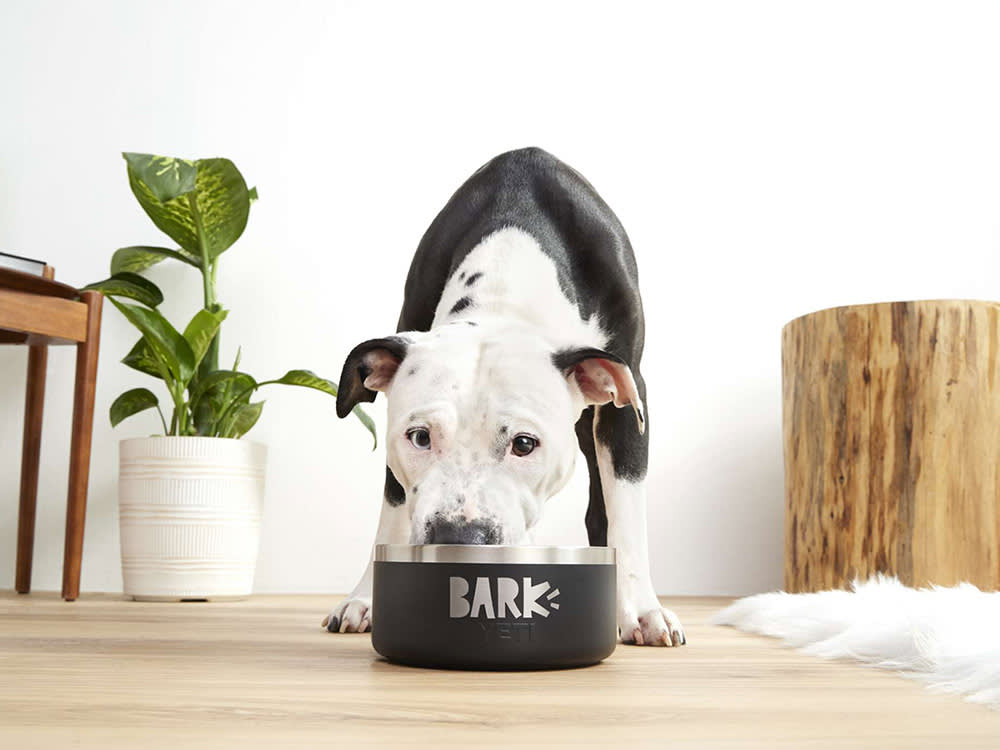
After years of bad press, the public still pictures the Pit Bull as something snarling and out of control. Anyone who has actually lived with one knows the truer picture: affectionate, a little emotionally delicate, and, more often than not, thoroughly spoiled. So when BARK crowned a Pit Bull-type breed the most pampered dog in America, it did not exactly shock the people who share their homes with one. What deserves a closer look is the product that pampering inspired, a line of breed-specific dog food, and the honest question underneath the charm: does feeding by breed actually do anything for your dog?
How BARK decided Pitties are the most spoiled
The ranking is real data, not a vibe. BARK published findings from a decade of its own customer purchasing records. American Staffordshire Terriers, a Pit Bull-type breed, came out on top, followed by German Shorthaired Pointers and Bernese Mountain Dogs.
BARK launched ten years ago with its BarkBox subscription and has since served more than 6.5 million dogs, which gives it an unusually wide view into American households. The “most spoiled” label came straight from spending patterns.
“We dug through over 10 years of customer data and purchasing trends from dog parents who have subscribed to our subscription services BarkBox and Super Chewer, then filtered by breed,” says Alexa Figueras, Director of Marketing at BARK. “For the most spoiled breeds specifically, we segmented our data into subscription cohorts by breed and pinpointed which breeds averaged the highest total sales.”
What BARK’s breed-specific food promises
That spoiled-dog insight became BARK Food, a line of breed-targeted recipes. BARK’s reasoning is that while breed does not dictate behavior, it can influence health, so the recipes are built around conditions that tend to cluster in certain dog types. For Pit Bulls, that means skin allergies, digestive trouble, and joint issues, so the Pit Bull formula leans on omega-3 and omega-6 fatty acids for skin, probiotics and fiber for digestion, and natural glucosamine for joints.
“Breed-specific food helps us better cater to the needs of each breed,” Figueras says, describing recipes that are “complete and balanced nutrition with special attention paid to protein quality, fiber selection, digestibility, and more.”
The line launched with formulas for Pit Bulls, Chihuahuas, and Labs, with more breeds planned and a customization path for mixed breeds, who can start from their dominant breed or choose by protein instead.
The part the marketing skips: breed is not the main lever
Here is where a fair look has to push back gently. Veterinary nutritionists are broadly skeptical that “breed” is the right organizing principle for a healthy dog’s diet. The factors that genuinely drive a dog’s nutritional needs are life stage, body size, activity level, and any specific medical conditions, not breed identity. Absent clinical evidence that a breed-labeled recipe outperforms a high-quality general diet matched to those factors, the breed framing reads, to many in the field, as a smart way to organize and market food rather than a nutritional breakthrough.
That does not make BARK Food bad. The ingredients it highlights, omegas, probiotics, fiber, glucosamine, are reasonable and useful, and a Pit Bull genuinely prone to itchy skin may do well on a recipe rich in skin-supporting fats. The point is subtler: those benefits come from the ingredients and the formulation, which any owner can seek out, not from the breed name on the bag. A skin-and-joint formula helps an itchy, creaky dog of any breed, and a Labrador with no skin issues gains nothing from a “Lab” recipe that a solid all-life-stage diet would not also provide.
What to actually check before you buy any food
Skip the breed label on the front and read for these instead. They matter far more than whether a bag says “Pit Bull.”
- An AAFCO statement. Look for wording that the food is “complete and balanced” for your dog’s life stage, ideally backed by feeding trials, not just formulated to meet a nutrient profile.
- A named species and life stage that fit your dog. Puppy, adult, or all-life-stage, and an appropriate calorie density for your dog’s size and activity, this is the real personalization.
- Specific, named ingredients targeting a real problem your dog has. If your dog has itchy skin, omega-3s help; if your dog has no skin issues, you are paying for a feature you do not need.
- A nutritionist behind the formula. Brands that employ board-certified veterinary nutritionists and run feeding trials have an edge over those that simply mix to a spec sheet.
- Your own vet’s input, especially if your dog has allergies, a sensitive gut, joint disease, or weight to manage. A prescription or therapeutic diet may beat any retail breed formula.
Bottom line: a breed-specific food can be a perfectly good food, and a fun one for an owner who already feeds their Pittie better than they feed themselves. Just buy it for what is inside the bag, not the breed printed on the front.
References
Not a substitute for your vet. Our guidance is educational. For urgent symptoms, contact a vet or emergency clinic right away. Editorial standards
Dr. Park is a board-certified emergency and critical care specialist. She reviews our health and safety content for clinical accuracy and contributes guides on recognising urgent conditions. Her focus is helping owners act quickly and correctly when it matters most.
Meet our experts ↗Keep reading
 FoodHome-Cooked Dog Food Can Run $3 a Day. The Real Price Is Your Sundays.Dr. Amara Solis · 9 min
 Food"Superfood" Is Marketing. Nutrient Density Is the Real Test.Dr. Priya Nair · 8 min
 Health & WellnessDon't Fast a Dog With Diarrhea. The Advice Flipped, and Here's What to Feed Instead.Dr. Lena Park · 7 min
 FoodCooked Fish Is Great for Dogs. Raw Salmon Can Kill ThemDr. Ravi Mehta · 6 min
 FoodA Food Truck for Dogs Sounds Like a Gimmick. The Argument Behind It Isn't.Nina Vasquez · 7 min
 Food"Lactose Intolerant" Is the Wrong Question About Your Dog and DairyDr. Ravi Mehta · 7 min