


"Superfood" Is Marketing. Nutrient Density Is the Real Test.
There's no official superfood, just foods that pack a lot of nutrition into few calories. Here are 9 that pass that test for dogs, plus a vet-aware homemade treat recipe.

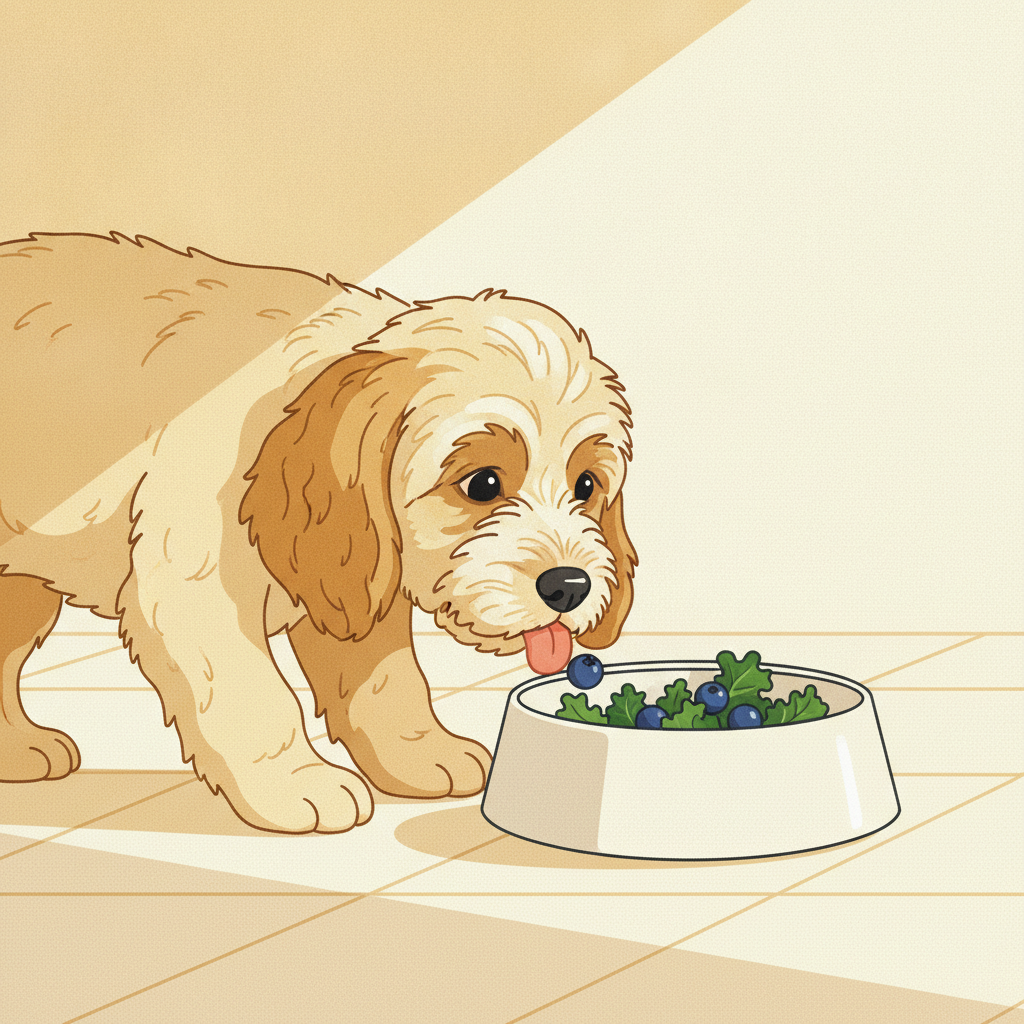
“Superfood” is a marketing word, not a scientific one. There is no panel that certifies a food as super, and no single ingredient that transforms a dog’s health. What the label is reaching for, when it is reaching for anything real, is nutrient density: the most nutrition packed into the fewest calories. That is the only test worth applying, because a dog has a tight calorie budget and every bite of an extra has to earn its place. The nine foods below pass that test, each delivering an outsized hit of vitamins, minerals, antioxidants, or healthy fats per calorie. Add them gradually and in sensible portions, keep them inside the 10 percent of daily calories reserved for extras, and check with your vet first if your dog has any dietary or health concerns. The homemade recipe at the end is where these picks come together.
What “nutrient density” actually means
Picture two snacks of the same calorie count. One is a milk bone; the other is a spoonful of pumpkin. They cost your dog’s daily budget the same, but the pumpkin returns fiber, potassium, and carotenoids while the biscuit returns mostly filler. That ratio, nutrition delivered per calorie spent, is the whole game. It is also why a true add-on should displace junkier treats rather than pile on top of a full bowl. With that lens, here are nine foods that give a lot back.
1. Kale
A dense leafy green carrying vitamins A, E, and C, antioxidants, and anti-inflammatory compounds, kale also supports the liver’s detox work. One caveat earns it an asterisk: it contains calcium oxalate, so dogs with a history of bladder stones or kidney disease should skip it unless a vet signs off. Serve it steamed and chopped, never as salted chips.
2. Quinoa
Most plants give incomplete protein; quinoa gives all the essential amino acids, which is rare. It is technically a seed, related to spinach, and brings fiber, folate, magnesium, iron, and a strong antioxidant load. Cook it plain and fully, and rinse it first to remove the bitter saponin coating. Its complete-protein profile is exactly why it anchors so many homemade dog recipes.
3. Sweet potato
A standout for antioxidant density, sweet potato carries notably more antioxidants than many fruits, plus heart-friendly vitamin A and immune-supporting vitamin C. Bake or boil until soft and serve plain. It is also the carbohydrate backbone of the recipe below.
4. Oily fish
Salmon, sardines, mackerel, and anchovies are the best whole-food source of EPA and DHA, the omega-3s that support skin, coat, brain, and joints and dampen inflammation. They are also high-quality protein. Serve cooked and boneless, or canned in water without added salt. For dogs with joint disease, ask your vet whether a fish-oil supplement should be layered on top.
5. Chia seeds
Chia is the low-effort omega-3 seed: unlike flax, it does not need grinding to be useful. The seeds bring fiber, calcium, antioxidants, and protein, and they absorb many times their weight in water, which adds a little hydration. Sprinkle a small amount over a meal.
6. Nori (dried seaweed)
The sushi staple is a sneaky-dense mineral source, with protein, soluble fiber, B vitamins, and minerals like zinc and copper, plus chlorophyll. Buy low-sodium nori to keep salt in check, and offer it torn into small pieces as an occasional topper.
7. Yogurt
A probiotic delivery system in food form, plain yogurt’s live cultures support gut function, and it adds protein, calcium, phosphorus, and B12. Choose unsweetened with live active cultures, never anything with xylitol, and go easy with lactose-sensitive dogs.
8. Blueberries
Small, low-calorie, and loaded with anthocyanidins, the antioxidants behind their deep blue color, blueberries also bring vitamins C and E, manganese, and fiber. Their size makes them an ideal training reward. Serve fresh or frozen, and in small amounts, since a dog who gorges gets a stomachache.
9. Pumpkin
Low-calorie and high in soluble fiber, pumpkin steadies the digestive tract from both directions, loose stool and constipation, while supplying potassium and carotenoids. Use 100 percent canned pumpkin, not pie filling. It is the gentlest food on this list and the easiest to add daily.
A few honorable mentions
Plenty of other whole foods earn a place in a varied diet, including eggs, green beans, carrots, apples (no seeds), bananas, oats, and cranberries. And remember that animal protein, chicken, turkey, beef, lamb, fish, should be the foundation of any dog’s meals, not the extras.
Recipe: Fish and Potato Bites
This salmon-based treat puts several of the picks above into one batch, using basic ingredients you likely have at home. Use organic, non-GMO ingredients where you can.
Ingredients
- 4 cups whole wheat flour
- 2 cups cooked, mashed sweet potatoes
- 1 cup low-sodium beef or chicken broth
- 1 can (5.5 oz.) skinned and boned salmon or chicken, well-drained**
- 4 Tbsp. dried parsley
- 1/4 cup fish, safflower, or olive oil
- 1 tsp. iodized salt
Directions
- In a large mixing bowl, combine all ingredients until a paste forms.
- Roll the mixture out on a lightly floured cutting board until it is about a quarter-inch thick.
- Cut the sheet into roughly 80 pieces and place them on a parchment-lined baking sheet.
- Using the center rack of an oven preheated to 300 degrees Fahrenheit, bake for 45 minutes.
- Turn the oven off and let the pieces dry inside for three to four hours or overnight.
- Remove and store in an airtight container.
**Natural cooked shredded chicken breast can be substituted for canned chicken. If substituting, boil half a pound of chicken breast until very tender (30-plus minutes), drain, cool, and shred.
Nutritional information
Yield: 80 pieces, which feeds a medium-sized dog for about five days at 16 pieces per day. Serving size: 8 pieces.
Per serving: Energy 296 calories, protein 12 grams, carbohydrates 48 grams, fat 8 grams, omega-3 fatty acids 2 grams, dietary fiber 7 grams, calcium 72 mg.
A note on homemade food: these are treats, not a complete diet. Many veterinarians caution that homemade food fed exclusively can lead to nutritional imbalances and vitamin or mineral deficiencies. If you want to home-cook your dog’s meals, work with a board-certified veterinary nutritionist to build a balanced plan, and use your judgment with any new ingredient, since no one can predict an individual dog’s reaction.
References
- Freeman, L. M., et al. “Current knowledge about the risks and benefits of raw and home-prepared diets for dogs.” Journal of the American Veterinary Medical Association.
- Tufts University Cummings Veterinary Medical Center. “Petfoodology: Homemade Diets.” vetnutrition.tufts.edu.
- VCA Animal Hospitals. “Omega-3 Fatty Acids for Dogs.” vcahospitals.com.
- American Kennel Club. “Fruits and Vegetables Dogs Can and Can’t Eat.” akc.org.
Not a substitute for your vet. Our guidance is educational. For urgent symptoms, contact a vet or emergency clinic right away. Editorial standards
Dr. Nair is a veterinarian focused on diet and feeding. She covers everyday nutrition, treats, and the many "can they eat this?" questions owners ask, grounding each answer in what is actually safe and sensible for dogs and cats.
Meet our experts ↗Keep reading
 FoodA Beef-and-Veggie Dog Topper That Follows the 10% RuleDr. Lena Park · 5 min
 FoodCooking for Your Dog Is the Easy Part. Balancing It Is Where People Fail.Dr. Priya Nair · 7 min
 FoodHome-Cooked Dog Food Can Run $3 a Day. The Real Price Is Your Sundays.Dr. Amara Solis · 9 min
 FoodThis Homemade Kibble Looks Complete. Almost No Recipe Actually Is.Dr. Priya Nair · 6 min
 FoodOnly 6% of Homemade Dog Diets Are Complete. Yours Is Probably in the Other 94%.Dr. Amara Solis · 12 min
 FoodDump-and-Go Crockpot Dog Dinner: Chicken, Rice, and Almost No EffortDr. Priya Nair · 4 min