


Before You Foster a Cat, Solve the Two Things Everyone Underestimates
Most first-time cat fosters prepare for the cute part and get blindsided by the rest. The supplies are easy. Disease isolation and the goodbye are what actually make or break a foster home.

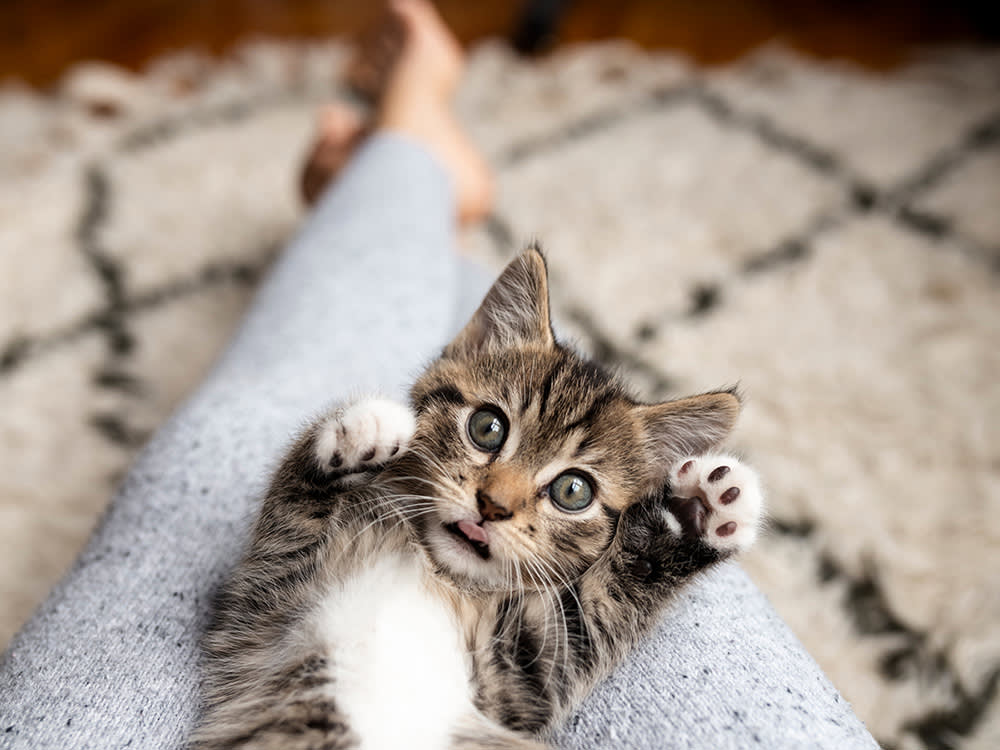
Spring is the start of kitten season, though anyone who works in rescue will tell you the season now stretches across much of the year. Litters arrive faster than shelters can place them, and the system strains. Foster homes are the release valve, and the need is real: a foster home is genuinely the single best place for a vulnerable cat to wait for adoption, far better than a shelter cage, where stress alone can tip a healthy cat into an upper respiratory infection.
So the impulse to sign up makes sense. Who would not want a house full of purring, temporary roommates? But here is what trips up most first-time fosters. They prepare thoroughly for the easy parts, the food, the toys, the adorable photos, and get blindsided by the two hard parts nobody warned them about: keeping a foster cat properly isolated from their resident pets, and being emotionally ready to hand the cat back. Get those two right and the rest is logistics. Get them wrong and you are in for a rough few weeks.
Let’s start with your reason, then tackle the two hard things, then the practical setup.
First, find your why
Even as euthanasia of homeless animals drops year over year, far more cats than dogs still struggle to find homes, and neonatal kittens are among the most fragile animals in the entire system. Your “why” might be reducing euthanasia, or easing a cat’s transition into a new home, or wanting companionship without a lifetime commitment, or simply the chance to watch a litter grow through its developmental stages. Any of those is a good reason. What matters is that you are committed to giving the cat the best possible experience for as long as they are with you, because that commitment is what carries you through the two hard things below.
Hard thing #1: the isolation you can’t skip
This is the part new fosters most often shortcut, and it is the one with the highest stakes. Most foster kittens cannot mingle with your own pets, at minimum for the first month and sometimes longer, because they may be incubating something contagious, especially to other cats. The catch is that the tests for several feline diseases are not reliable until a kitten reaches a certain age, so “they look healthy” is not the same as “they are safe to introduce.” When in doubt, keep them separate.
That has a concrete consequence for your home: you need a room you can fully close off and, just as importantly, fully clean.
- The space should be big enough that the litter box is not crammed up against the food and water, with room left over to play.
- It must be cleanable, which is the requirement people underestimate. Carpet and heavy furniture are nearly impossible to disinfect between cats, and you will want to disinfect if you plan to foster more than once. A bathroom, a tiled guest room, or a home office with a hard floor beats a cozy carpeted den.
- Tight on square footage? Go vertical with a cat tree or wall-mounted shelves so kittens get climbing space without needing a bigger footprint.
- Good ventilation and a steady, comfortable temperature round it out.
Even if your shelter eventually clears the cat for the run of your house, start them in this safe room for the first couple of weeks anyway. It lets them acclimate and gives you a controlled window to watch for any signs of illness before anyone mingles. If the shelter does decide a healthy adult foster would benefit from meeting your resident dog, go slow and do a careful, structured introduction. Learning whether a cat likes living with other animals is itself valuable information for placing them in the right adoptive home later.
Hard thing #2: planning the goodbye before you fall in love
Everyone dreads this part, and the people who struggle most are the ones who did not see it coming. The honest truth: the first cat is the hardest, you genuinely cannot imagine anyone caring for them as well as you do, and it does get easier. But the part worth internalizing up front is that the goodbye is not a flaw in the system. It is the whole point of the system.
Here is the math that helps. “Foster failure,” the affectionate term for adopting your own foster, is far more common than people expect; a meaningful share of fosters keep at least one animal over the years. And keeping one is completely okay. But every cat you keep is a cat-shaped slot in your home that can no longer cycle through dozens of future fosters. One adoption is a happy ending for one cat; staying a foster is a happy ending for many. Deciding in advance where you personally land on that tradeoff, before a specific set of green eyes makes the decision for you, is the single best thing you can do for your own staying power.
I tell new fosters to picture the adoption day on day one, not day thirty. If you frame yourself as the bridge rather than the destination from the very start, the goodbye stops feeling like loss and starts feeling like the job working exactly the way it’s supposed to.
The practical setup, in brief
With the two hard things handled, the rest is a checklist:
- Do the onboarding and talk to a veteran foster. Your local shelter or rescue will have a process, usually an application, an orientation on their policies, and an introduction to the staff or volunteers who will support you. Lean on the experienced fosters; their two cents are worth more than any article.
- Nail down the medical protocols up front. Any foster cat should arrive vaccinated with age-appropriate shots (rabies, distemper, and anything else a vet recommends) and treated for internal and external parasites like roundworms and fleas. If kittens are too young, the shelter should schedule those vaccines during their stay. Ask exactly what to watch for and who to call.
- Get the emergency protocol in writing. Know the after-hours number before you need it. A kitten emergency at 2 a.m. is not the moment to be hunting for a contact.
- Sort out supplies and money. Most organizations cover the basics, food, litter, bowls, toys, a bed, but ask whether you should budget for extras. (You will end up buying kitten tunnels and a third cat bed anyway. It is a known hazard of the role.)
- Clarify the adoption process. Will you help screen and place the cat, if you want to, or does the shelter handle adoptions entirely? Knowing this shapes how attached you let yourself get to the matchmaking.
- Get the whole household on board. Divide the duties before the cat arrives. Who is the point person for the shelter? Who tracks eating, litter box use, and signs of illness? Who scoops, daily or more, with a litter? Who is Head of Playtime? Fostering is wonderful when everyone is genuinely in.
A note for the petless
If you do not have animals of your own, you have a real advantage: you can take in cats recovering from illness without risking a resident pet, and you skip the isolation choreography entirely. It is one of the highest-impact ways to foster.
Whatever you decide, and whether you say goodbye on schedule or fail spectacularly and keep the cat forever, give yourself credit. You took a cat out of a cage and gave them a home to wait in. You saved a life.
References
- ASPCA, National Statistics on shelter intake and outcomes
- American Association of Feline Practitioners, feline isolation and infectious disease guidance for foster and shelter settings
Leila Torres leads our Living coverage, from home life and travel to the products and rescue stories that come with sharing a life with animals. She edits and writes across the section, with a soft spot for pieces about the bond between people and their pets.
Meet our experts ↗Keep reading
 Health & WellnessThe Cutest Cat Breeds Are Often the Sickest. The Look Is the Problem.Dr. Amara Solis · 8 min
 LivingThe Viral Cat Essay's Real Failure Was Confusing a Feeling With a ChoiceDr. Mara Chen · 8 min
 LivingBrooklyn's Cat Cafe Flipped the Model: It's a Rescue Clinic With a Cafe AttachedSara Lim · 6 min
 LivingThat Backyard Cat Probably Isn't Feral. The Difference Decides What You Can DoDr. Nina Kohl · 7 min
 TrainingSome Cats Are Happier as Only Children. Here's How to Tell.Dr. Amara Solis · 7 min
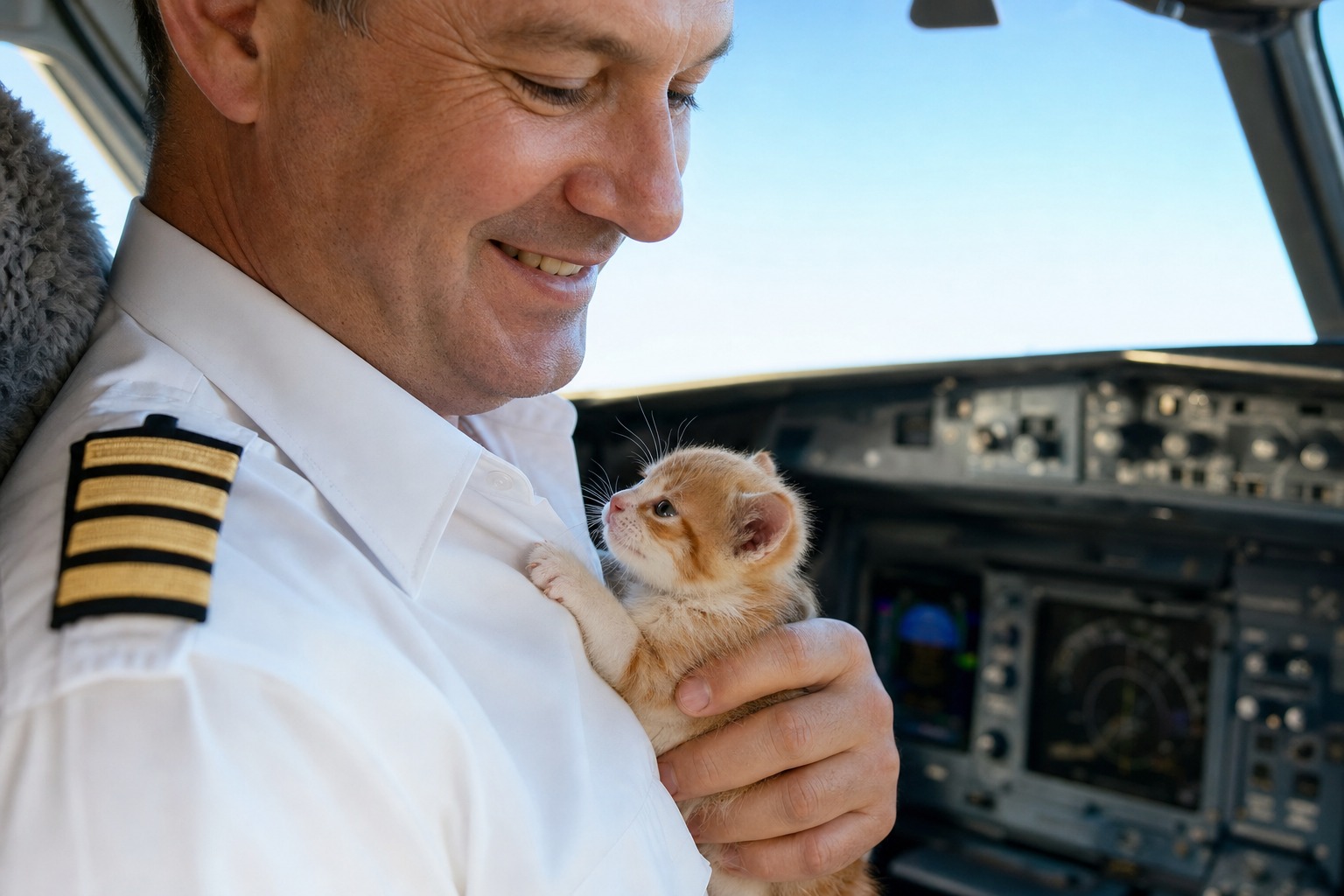 Living'Love at 30,000 Feet': The Pilot Who Adopted the Hurricane Kitten He Flew to SafetyMarcus Webb · 4 min