


The Viral Cat Essay's Real Failure Was Confusing a Feeling With a Choice
The viral essay about loathing a cat after a baby blurred two very different things: the ambivalence many new parents feel, and the decision to act on it. A vet explains where the line is, and why a pet's safety lives there.

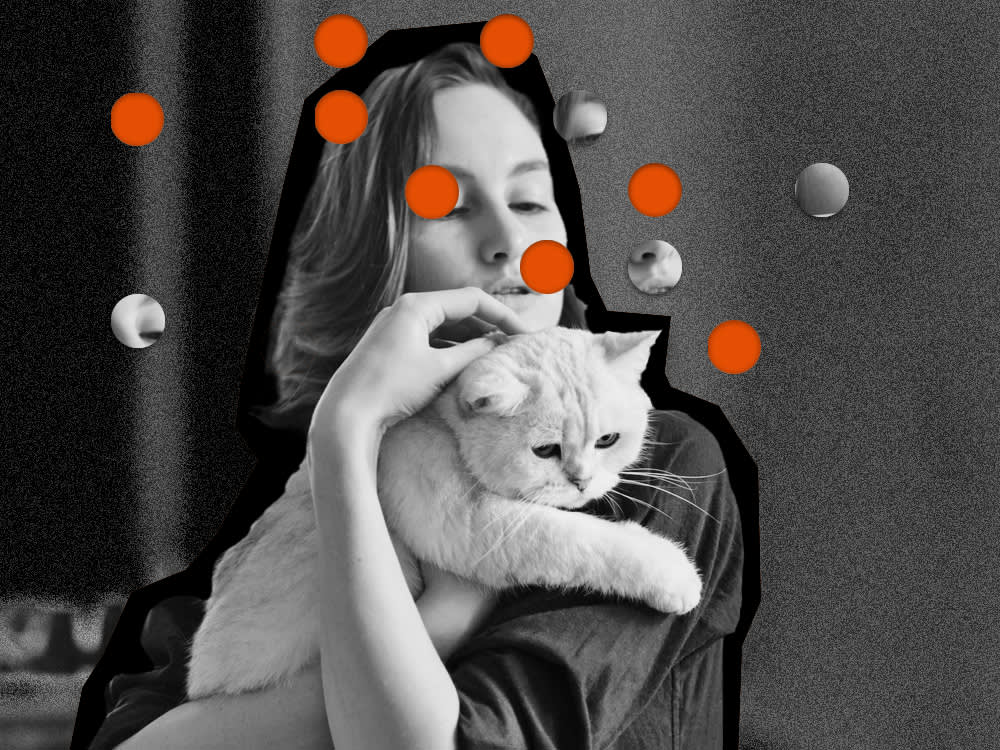
There are two stories tangled together in the anonymous essay that set the internet on fire this week, and almost all of the heat has come from confusing them for one. One story is about a feeling: a new mother who, after giving birth, stopped loving her cat. That feeling is real, more common than most people admit, and not in itself a moral failing. The other story is about a series of choices: not feeding the cat, not cleaning the litter box, and, most disturbingly, leaving windows open in the hope the animal would leave on its own. Those are not feelings. They are decisions, made and then defended in print. The essay’s failure, and the reason it deserves the criticism it is getting, is that it presents the second story as if it were simply the natural endpoint of the first. It is not. The whole question of an animal’s welfare lives in the gap between them.
The feeling is real, and the data backs it up
It is worth saying clearly, because the outrage can make it sound otherwise: feeling distance, resentment, or even active dislike toward a pet after a major life change is not rare or unspeakable. Bringing home a baby reorganizes a household down to the studs, and the pet who used to be the center of your attention is suddenly competing with a newborn for a finite supply of time, sleep, and patience. We have written before about the “puppy blues,” the swamped, regretful feeling some new dog owners get. A version of that exists for cats and babies, too.
The research is surprisingly specific here. A large 2022 study drawing on more than 80,000 mothers in Japan’s nationwide birth cohort found that cat ownership during pregnancy was associated with a modestly increased risk of depressive symptoms at six months postpartum and of psychological distress late in pregnancy. The effect was small, but it was measurable, and notably, dog ownership in the same study trended the other way, toward reduced risk. Nobody fully understands the mechanism. But it means the essay writer’s emotional starting point, a swell of negative feeling toward her cat after birth, is not some singular pathology. It is a documented pattern.
Postpartum depression and postpartum psychosis are part of that picture and need to be taken seriously on their own terms. The World Health Organization reported in late 2023 that more than a third of women who give birth experience lasting health problems afterward, and the CDC estimates that roughly one in eight U.S. women who have a live birth report symptoms of postpartum depression. These are conditions that flood a person with guilt and shame, and they demand real care, quickly. Holding compassion for that is not in tension with what follows.
The choice is where it breaks
Where the essay stops being a relatable account of postpartum struggle and becomes something else is the point at which feeling hardens into sustained, defended inaction. By the writer’s own account, basic needs went unmet. She forgot to feed the cat, who ate houseplants and vomited them up. The litter box went unscooped, so the cat relieved herself on the floor. The cat reportedly lost at least one tooth and started drinking from the toilet because her water bowl was empty. The writer notices her cat becoming visibly depressed, “she skulked around the baby, slept in a sad cowering position, hesitated before approaching her food,” and then writes that this “coexisted with an unwillingness on [her] part to change anything about it.”
That sentence is the hinge. The feeling did not feed or fail to feed the cat. The unwillingness did. And the most alarming passage, leaving windows open so the cat might “take the initiative” and leave, with a flippant aside about “voluntary catslaughter,” is not a symptom described. It is a plan narrated. As the writer herself concedes, “If I treated a human the way I treated my cat, I would be in prison for years.” She is right, and that is precisely why the framing matters. A feeling is involuntary. What she describes is a chain of choices she had the capacity to make differently, and instead chose, repeatedly, not to.
The tell is in her own earlier behavior. Before the baby, she lavished care on the cat: “fancy” food, supplements, high-quality toys, frequent grooming, a cashmere blanket by the space heater in winter. She was not even bothered when the cat shredded the furniture. The care was real, which means the capacity for it was real. What changed was not her ability but her willingness, and willingness is a choice an animal cannot survive having revoked.
What a vet sees, and where the welfare line sits
I want to be careful not to diagnose a person I have never examined. But the welfare picture for the cat is not ambiguous, and that is the part a veterinarian can speak to plainly. An unscooped litter box and inadequate food and water are not minor lapses; they cause real, compounding harm. Dental disease severe enough to drop teeth, a cat seeking water from a toilet, a cat displaying the cowering, withdrawn body language of chronic stress, these are the signs of an animal in genuine physical and psychological distress, not an animal merely receiving less attention.
It is also true, and important, that not every cat needs an intense bond with its person to be okay. Some cats are content with food, a clean box, safety, and benign neglect of the affectionate kind. This cat, by the writer’s description, was not one of them. She had sought comfort and closeness, which is what makes the abrupt withdrawal of care so damaging: the cat had something taken away that she had come to rely on. A cat who never bonded would have suffered the physical neglect; this cat suffered that plus the loss of a relationship.
There has been pointed criticism that the publication did not appear to confirm the cat’s welfare before running the piece. It later posted a note saying it had “confirmed the welfare of the cat prior to publication,” which did little to settle anyone, partly because the essay’s blasé tone about an animal’s life is exactly what readers cannot get past.
If you ever feel this way, here is the actual move
The useful question the essay should have answered, and didn’t, is: what do you do when the feeling shows up? Because it will show up for some people, and feeling it does not make you the writer of that essay. Acting on it the way she did is what would.
If the resentment is temporary, as postpartum feelings often are, the move is to build a bridge over it rather than letting the animal absorb the cost. That can mean asking a partner, family member, or friend to take over the cat’s daily care for a while, boarding the cat temporarily, or leaning on anyone you trust to handle feeding, water, and the litter box until you are steadier. The cat does not need you to feel loving right now. The cat needs to be fed and clean, and those tasks can be delegated even when the feeling is gone.
If the feeling does not pass, and you genuinely cannot meet a pet’s needs anymore, the responsible step is rehoming, done deliberately and humanely, so the animal lands somewhere its needs are fully met. There are always prospective adopters, shelters, and individuals willing to take in a cat who is not safe where it is. Rehoming a pet you can no longer care for is not a failure. Leaving a window open and calling it the cat’s initiative is. One protects the animal; the other gambles with its life.
And get yourself help in the same breath. The distress underneath these feelings is treatable, and treating it is good for you and for any animal in your care. The behavior the essay describes should never be the cost an animal pays for a person’s untreated struggle. Pets cannot speak, but they feel fear, hunger, and pain, and shielding them from those is the whole job we sign up for when we take them in.
This is a sensitive subject. If you are experiencing postpartum depression or other mental-health symptoms, please talk to your doctor. You can also reach Postpartum Support International or the free, confidential, 24/7 National Maternal Mental Health Hotline by phone or text at 1-833-TLC-MAMA (1-833-852-6262).
References
- Mizukoshi, Marie, et al. “Pet Ownership During Pregnancy and Mothers’ Mental Health Conditions Up to 1 Year Postpartum: A Nationwide Birth Cohort, the Japan Environment and Children’s Study.” Social Science & Medicine, 2022. https://www.sciencedirect.com/science/article/pii/S0277953622005226
- World Health Organization. “More Than a Third of Women Experience Lasting Health Problems After Childbirth, New Research Shows.” 7 December 2023. https://www.who.int/news/item/07-12-2023-more-than-a-third-of-women-experience-lasting-health-problems-after-childbirth
- Centers for Disease Control and Prevention. “Depression Among Women.” https://www.cdc.gov/reproductive-health/depression/index.html
Dr. Chen is a small-animal veterinarian who leads health and safety coverage at The Pet Times. She writes and reviews the bulk of our illness, condition, and safety content, translating clinical guidance into clear, practical advice owners can act on at home.
Meet our experts ↗Keep reading
 LivingHer Cats Kept Sneaking Into the Drawings. Then They Took Over.Leila Torres · 6 min
 LivingNobody Gives Up a Cat They Love on a Whim. Here Are the 5 Real Reasons, and the Fixes.Dr. Amara Solis · 6 min
 LivingHe's Rehomed 40 Kittens. Behind the Cute Videos Is a SystemJames Okafor · 7 min
 LivingBrooklyn's Cat Cafe Flipped the Model: It's a Rescue Clinic With a Cafe AttachedSara Lim · 6 min
 LivingThe 'Sexy Cat Dad' Thing Isn't About Cats. It's About Consent.Leila Torres · 6 min
 LivingCarrie Bradshaw's Kitten Was a Foster. Then Sarah Jessica Parker Kept Him.Jordan Ellis · 5 min