


Every Surgeon Said Don't Operate. Picasso's Crooked Face Was Never the Problem.
Picasso was born with a rare condition that twists his muzzle sideways. The vet who nursed him through his first nights fell in love and adopted him, and his story quietly dismantles the fear that keeps special-needs dogs waiting.
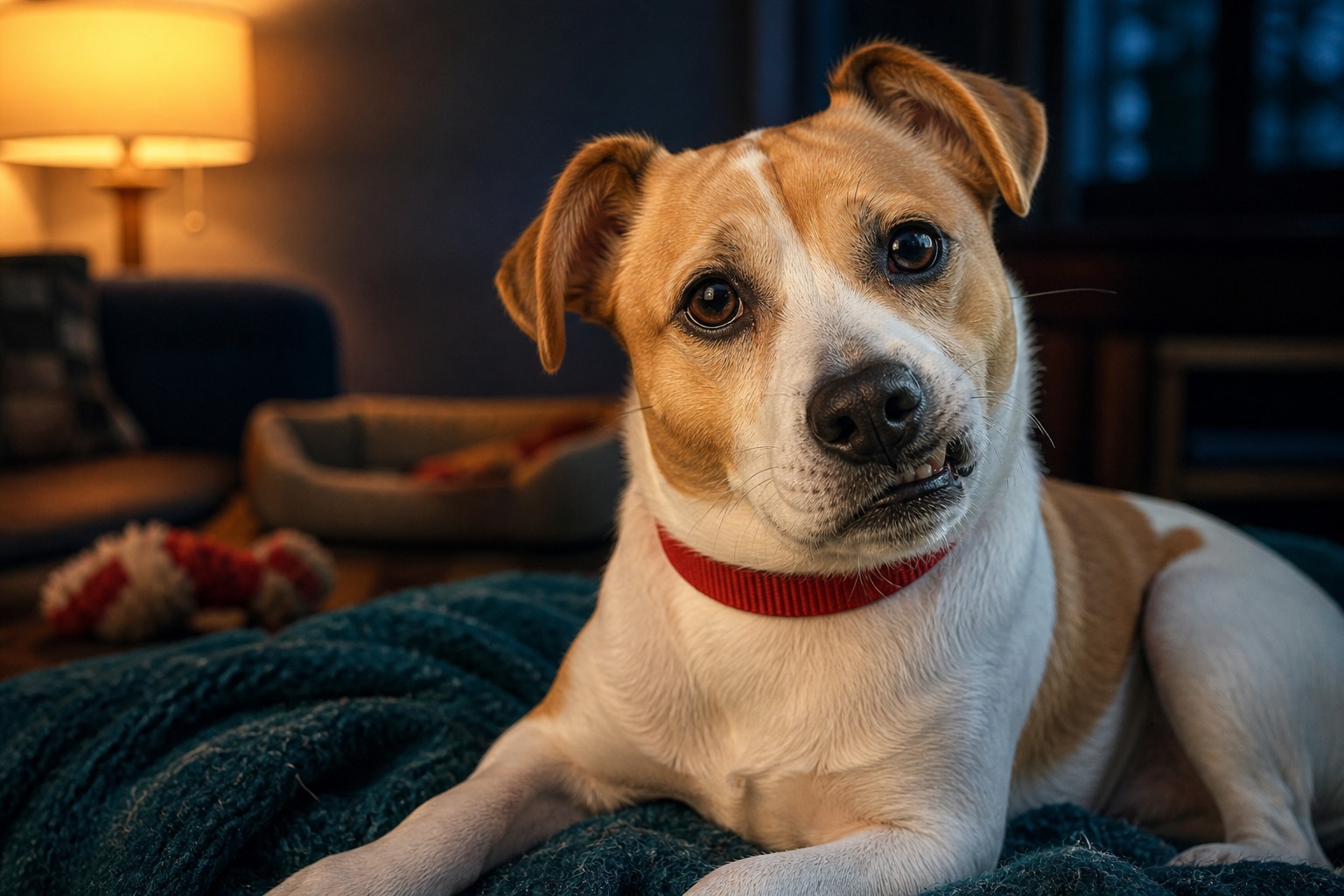
The word that gets attached to dogs like Picasso is “less adoptable.” It’s a strange phrase, because it describes the people looking, not the dog. Picasso, a small mixed-breed pup with a muzzle that curves visibly to one side, eats, plays, chews, and sniffs his way through the world with the enthusiasm of any other young dog. What made him wait wasn’t a limitation of his. It was the hesitation of ours.
His full name, for the record, is Picasso Gemini Humperdink. And his story ends the way the best rescue stories do, with the person who cared for him refusing to let him go.
What’s actually different about him
Picasso was pulled from a shelter and taken in by Paws for Life K9, a Los Angeles rescue, where a round of X-rays revealed the source of his distinctive profile: he was born with leftward campylorrhinis lateralis and prognathia, a rare congenital condition better known as wry nose, in which the muzzle and jaw develop at an angle.
It looks dramatic. It functions almost entirely normally. Dr. Zoe Ramagnano, the rescue’s veterinarian, watched him around the clock during his first days to be sure his breathing and swallowing were sound, and what she found was a completely capable dog. He eats without help. He puts that crooked nose to work on every interesting scent in the yard. He romps around with canine friends, gnaws happily on his toys, and even manages a bone, if at a bit of an angle.
His care needs turned out to be modest. His face has to be wiped down each day, and he’ll need regular dental cleanings, since a misaligned jaw traps food and complicates the bite. That’s the list. Three separate veterinary surgeons reviewed his case, and every one of them advised against operating, since he’s comfortable and gets on with life exactly as he is. The kindest option turned out to be no intervention at all.
The part where it becomes a love story
Somewhere in those days and nights of observation, the professional watching him became the person who couldn’t picture life without him. Dr. Ramagnano adopted Picasso herself. He is home now with her family, already collecting nicknames, Pico, Little Man, Picosito, and, by the rescue’s account, quietly helping other foster dogs settle in and feel safe. A dog once filed under “harder to place” turned out to be the one steadying everyone else.
Why “less adoptable” is mostly a story we tell ourselves
The reason Picasso’s story travels is that it corrects a specific fear. People imagine that a special-needs dog means round-the-clock medical drama, ballooning bills, and a life on hold. Occasionally that’s true. Far more often, the reality is a daily face-wipe, a standing dental appointment, or a supplement in the breakfast bowl.
The gap between what people fear about a special-needs dog and what daily life with one actually looks like is enormous, and it’s the single biggest reason these dogs sit. Most of them ask for a small, predictable routine, not a medical odyssey. Ask the rescue exactly what the ongoing care is, in specifics, before you assume it’s more than you can carry. Usually it’s a lot less.
Every dog, regardless of coat or conformation, will cost money, bend your schedule, and run into health problems eventually. A dog with a visible difference simply front-loads the honesty. What you see is what you’re signing up for, and often it’s far more manageable than the label implies.
What’s new since this was written
Picasso is still thriving in his adoptive home, and his case has become a small touchstone for the “adopt the ones who wait” movement. The broader picture supports the point: national shelter data continues to show that animals tagged as harder to place, seniors, dogs with medical or cosmetic differences, and long-timers, spend markedly longer in the system even as overall adoptions hold steady. When shelters put real effort into matching families with the right dog and explaining what a specific dog actually needs, those “less adoptable” animals move. The barrier was rarely the dog.
References
- Mizelle, S. “Picasso, a Dog Born with a Crooked Face, Finds Home with His Rescuer: ‘He Is Magical.’” People, via Yahoo Entertainment. https://www.yahoo.com/entertainment/picasso-dog-born-crooked-face-214806859.html
- Paws For Life K9 Rescue. https://pawsforlifek9.org
- Shelter Animals Count. “2025 Annual Data Report.” https://www.shelteranimalscount.org/2025-report/
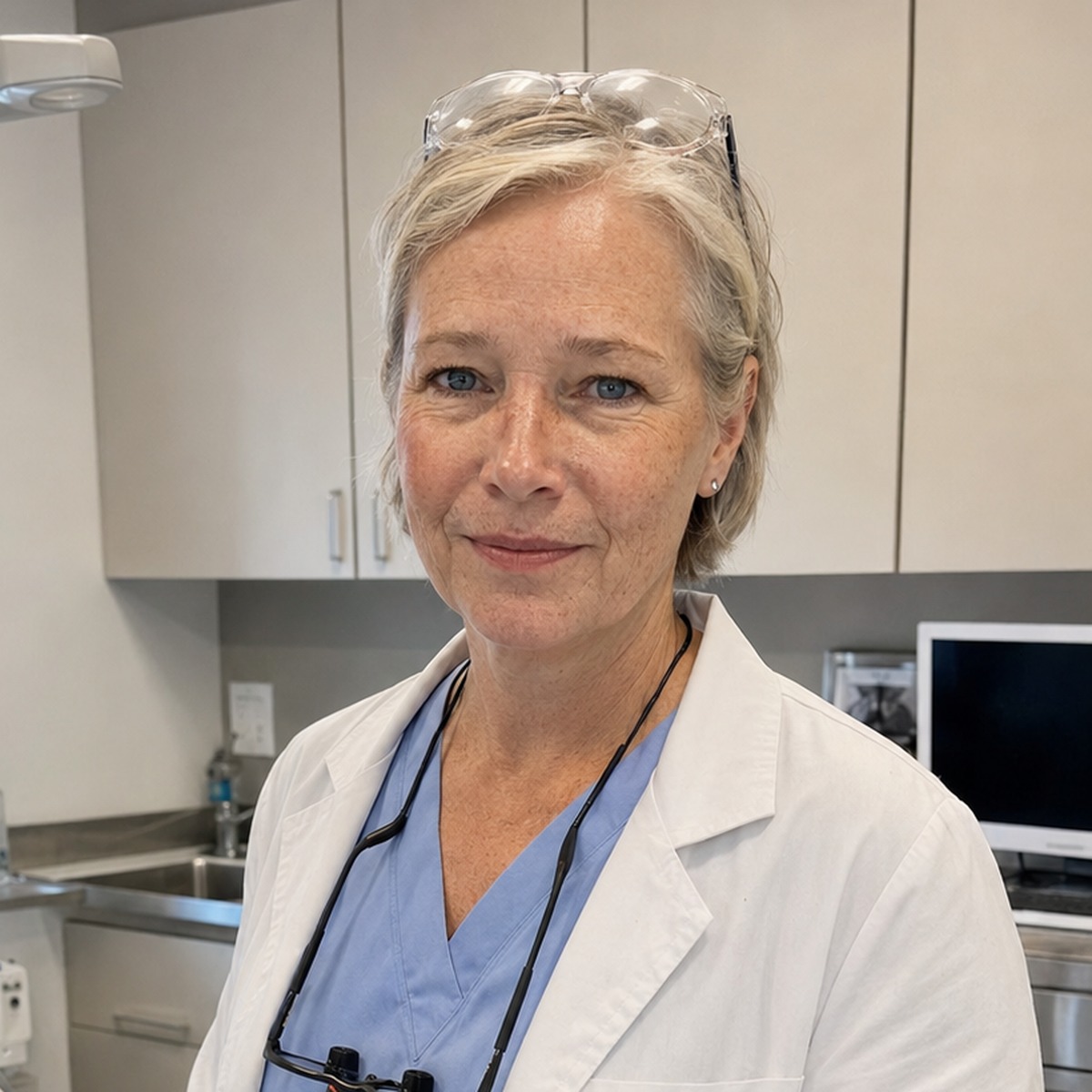
Dr. Kohl is a board-certified veterinary dentist with a particular interest in preventive oral care. She reviews all dental health content at The Pet Times and contributes practical guides on home dental routines, professional cleaning, and oral disease prevention.
Meet our experts ↗Keep reading
 LivingA Shelter-Style Mutt Just Topped a 350-Dog Field at Westminster. Meet Nimble.Marcus Webb · 4 min
 LivingA Former Ringling Clown Is Rewriting the Pit Bull's Reputation, One Hoop at a TimeMarcus Webb · 5 min
 LivingAdopting a Look-Alike Dog Isn't the Risk. Expecting the Same Dog IsLeila Torres · 8 min
 LivingBritain Banned a Dog That Officially Doesn't ExistJames Okafor · 7 min
 LivingThe ADA Has No Breed List. Your Landlord's Insurance Does.Dr. Priya Nair · 6 min
 LivingFirst Grass, Then a Record $35 Million: What Became of the 4,000 Envigo BeaglesLeila Torres · 7 min