


Cat Eating Litter? Rule Out the Body Before You Blame the Behavior
Litter-eating splits into two very different problems: something wrong in the body, or something missing in the day. Sorting which one you are dealing with, in that order, is the whole game.

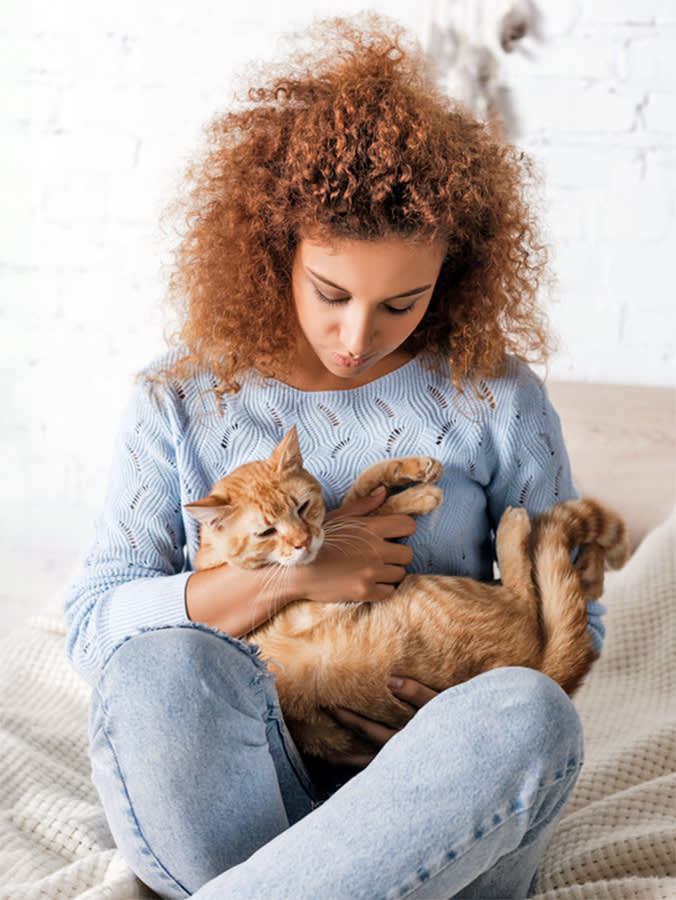
Cats investigate the world with their mouths more than they get credit for. Usually that is harmless. Occasionally it lands somewhere alarming, like a cat calmly eating litter straight out of the box. It is unpleasant to watch, and it can absolutely be a sign that something is off. But the useful way to think about it is not as one weird habit with a list of possible causes. It is as two entirely different problems wearing the same costume: something wrong in the body, or something missing in the day.
Getting the order right is the entire point of this article. Chase the behavior first and you may spend weeks buying puzzle feeders for a cat who is actually anemic. Rule out the body first, and everything downstream gets easier. So we will go medical first, behavioral second, on purpose.
Eating litter and other non-food items has a name in veterinary medicine: pica. It is not rare, particularly in young cats, and it is worth solving once you find the driver.
Litter eating sits right on the line between a quirk and a warning sign, so I always clear the medical side first. A cat reaching for litter is sometimes a cat whose body is missing something it cannot name. Once we have ruled that out, we can tackle the behavioral causes with real confidence instead of guessing.
First bucket: is the body asking for something?
These are the causes to rule out before you touch the behavioral toolkit, because they are the ones that can quietly harm your cat.
A nutritional gap. Cats have specific needs that a bowl of the wrong food will not meet, and the problem is worse for cats who favor dog food or human scraps over their own. A cat trying to self-correct a shortfall may eat litter to fill the stomach or chase whatever the body is craving.
Internal parasites. Worms and protozoa steal nutrients, can cause diarrhea and bad breath, and are linked to pica. A heavy parasite load may ramp up hunger, or the cat may instinctively try to purge them. A simple fecal test settles it.
Anemia. Red blood cells carry oxygen to every tissue, and when their numbers drop, the cat may try to compensate by boosting nutrient intake, sometimes with litter. This is not a fringe theory: veterinary research has documented a notably high rate of pica in cats with certain anemias, including immune-mediated hemolytic anemia and pyruvate kinase deficiency. Litter is a terrible nutrient source, but the instinct behind it is real.
A thyroid or other endocrine problem. This is the cause the old six-reason lists tended to bury in the footnotes, and it deserves a spot on the main list. Endocrine conditions, hyperthyroidism in particular, can leave a cat feeling perpetually hungry, and that drive can spill over into eating non-food items. Diabetes has been linked as well. Because hyperthyroidism is common in older cats, a senior who suddenly starts eating litter should be tested for it specifically.
If your vet finds one of these, the litter-eating is a symptom, and treating the cause is what actually stops it.
Second bucket: is something missing from the day?
Once the body is cleared, turn to the mind. These causes are real, but chasing them first is how cats get mismanaged.
Boredom. A cat may look like it wants nothing but a nap, but cats need genuine mental and physical stimulation. An under-stimulated cat goes looking for something to do, and the litter box can become grim entertainment.
Stress and anxiety. Cats seem to live charmed lives, yet they are surprisingly sensitive to disruption. A move, a new pet, a schedule change, or a rearranged home can rattle them, and rather than reaching for comfort food the way we might, a stressed cat may turn to litter.
Curiosity and teething. There is a reason the saying about curiosity and cats exists. Kittens especially nibble their way through understanding the world, and teething discomfort can drive a young cat to mouth and chew odd things, litter included. Reassuringly, pica often shows up around three months of age, right when a kitten lands in a new home, and many cats simply outgrow it by around two years.
That is seven drivers in two buckets, and the split is the useful part. The source material treats these as a flat list; in the exam room they behave like two separate investigations, and you run them in order.
What the litter itself can do
There are so many litter types that no single toxicity statement fits all of them, but none are safe to swallow, and here is why the major categories are a problem:
- Biodegradable litters made from corn or wood can harbor fungus that turns toxic, potentially causing vomiting, diarrhea, and liver damage. Pine shavings may contain phenol, which is also toxic.
- Clumping litter, including silica types, forms a cement-like mass when it meets water. A cat’s digestive tract is full of water, which sets up a real risk of obstruction.
- Paper litter does not clump, but it is not digestible either and can still cause a blockage.
What to do right now, and what your vet will do
If your cat ate a small amount, watch for digestive trouble, meaning vomiting, diarrhea, or a drop in appetite, and start working out the cause. If your cat is making a habit of it, or swallowed a large amount, book a vet visit.
At the clinic, expect a thorough exam to check for a blockage and other digestive issues, followed as needed by bloodwork and imaging, both to confirm the litter is not causing harm and to uncover what is driving the cravings. This is where the medical bucket gets sorted. An obstruction may need surgery or hospitalization. Parasites and nutritional gaps are corrected with medication and a diet change. Anemia and thyroid disease are treated according to cause. Boredom and stress, though, land on you.
Redirecting the behavior once the body is clear
When your cat has a clean medical bill and the driver is behavioral, enrichment is now a front-line recommendation rather than an afterthought. The goal is to give the oral, foraging drive a safe outlet:
- Feed part of the day’s food from a puzzle feeder or foraging mat so your cat has to “hunt” for it.
- Run short daily play sessions with a wand toy in a hunt-catch-eat rhythm to burn energy and lower stress.
- Make sure every resource, food, water, litter, and resting spots, is available without competition, especially in a multi-cat home.
- Keep the litter box clean, since a soiled box invites lingering and investigating.
And check in with your vet any time the litter-eating is new, escalating, or paired with anything else that seems off. The order is the whole method: clear the body, then enrich the day.
References
- “Owner-Reported Pica in Domestic Cats Enrolled onto a Birth Cohort Study.” Journal of Feline Medicine and Surgery, 2021. https://pmc.ncbi.nlm.nih.gov/articles/PMC8070519/
- “Anemia.” Cornell Feline Health Center, Cornell University College of Veterinary Medicine. https://www.vet.cornell.edu/departments-centers-and-institutes/cornell-feline-health-center/health-information/feline-health-topics/anemia
- “Hyperthyroidism in Cats.” Cornell Feline Health Center, Cornell University College of Veterinary Medicine. https://www.vet.cornell.edu/departments-centers-and-institutes/cornell-feline-health-center/health-information/feline-health-topics/hyperthyroidism-cats
- “Pica in Cats.” PetMD. https://www.petmd.com/cat/conditions/behavioral/pica-cats
Common questions
Is litter toxic if my cat eats it?
It ranges from not-great to genuinely dangerous. Clumping and silica litters can form a cement-like mass in a water-filled digestive tract and cause an obstruction. Corn and wood litters can carry toxic fungus, pine may contain phenol, and paper litter is indigestible. None are safe to eat, so a large amount or a repeated habit warrants a vet visit.
Why is my cat suddenly eating litter?
A sudden start leans toward a medical cause, such as anemia, a nutritional gap, parasites, or a thyroid problem, or a spike in stress from a change in routine. Because a new-onset habit is more likely to be medical, it is worth a prompt vet check rather than waiting it out.
Not a substitute for your vet. Our guidance is educational. For urgent symptoms, contact a vet or emergency clinic right away. Editorial standards
Dr. Nair is a veterinarian focused on diet and feeding. She covers everyday nutrition, treats, and the many "can they eat this?" questions owners ask, grounding each answer in what is actually safe and sensible for dogs and cats.
Meet our experts ↗Keep reading
 Health & WellnessYour Cat Probably Doesn't Have a UTI. What Litter-Box Trouble Usually MeansDr. Priya Nair · 5 min
 Health & WellnessCats Get Their Own 'Parvo.' The Cat Version Is Often Deadlier.Dr. Mara Chen · 6 min
 LivingYou Can't Out-Spray Cat Pee. Here's the Only Thing That Actually Works.Dr. Mara Chen · 9 min
 Health & WellnessCat Hairballs Are a Plumbing Problem, Not a CoughDr. Mara Chen · 9 min
 Health & WellnessBlood From Your Cat's Rear: Wait-and-See, or Drive Now?Dr. Lena Park · 6 min
 Health & WellnessThat 'Hairball' Cough Might Be Asthma. Here's How to TellDr. Ravi Mehta · 9 min