


The 'Vagus Nerve Reset' for Anxious Dogs Is a Myth. The Nerve Is Not.
Instagram wants to sell you a 60-second trick to fix your dog's anxiety. There's no such switch. But the nerve those videos keep naming is real, and understanding it points you toward what genuinely helps.

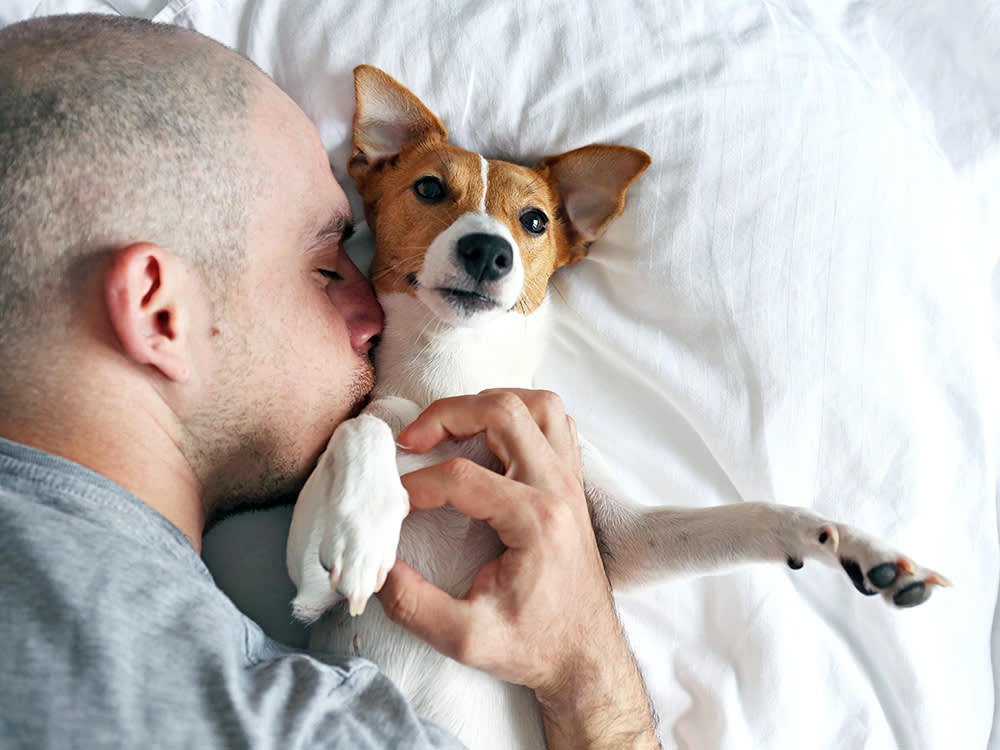
If you have an anxious dog and a phone, your feed has probably figured it out. In between the ads for weighted blankets and magnesium gummies, a certain kind of video keeps surfacing: a trembling pup, a soft voice promising that a “vagus nerve reset” will fix your dog’s nerves in minutes, and, right at the end, a link to buy the guide. The pitch is seductive because the problem is real. Living with a reactive or fearful dog is exhausting, and anyone offering a quick, gentle cure has your attention.
So let’s separate the two things those videos blur together. There is no such thing as a vagus nerve “reset” that flips your dog from panicked to peaceful on demand. But the vagus nerve itself is very real, and it does have a genuine hand in whether your dog feels calm or on edge. Understanding the actual nerve is what lets you spot the hype and redirect your energy toward things that work.
What the vagus nerve really is
The vagus nerve is a long one. It begins in the brainstem and runs downward alongside the esophagus, through the chest cavity, and on into the abdomen, brushing against a remarkable number of the body’s major systems along the way. The name itself traces back to the Latin term for wandering, which is a fair description of its meandering route.
Because it reaches so far, it influences a surprising range of functions, including heart rate, the intestinal contractions that move food along, and reflexes like the gag response. Think of it less as an on-off button and more as a signal line linking the brain, the heart, and the digestive system. Crucially, it helps balance the body’s two gears: the sympathetic “fight or flight” system that revs a dog up under threat, and the parasympathetic “rest and digest” system that lets them wind back down. When the sympathetic side runs too hot for too long, a dog can get stuck in stress mode. Stimulate the vagus nerve, and, for instance, heart rate tends to fall. All of which sounds tailor-made for the anxiety-fix pitch, until you look at how the nerve actually behaves.
Why “reset” is the wrong word
The problem is the metaphor. A reset implies a switch you can flip, and that isn’t how this nerve works.
The vagus nerve isn’t a light switch you flip to shut off anxiety, and there’s no evidence a 60-second massage does what these videos claim. It’s part of a system your dog’s body is constantly adjusting. You can support that system over time, but you can’t factory-reset your dog on command, and anyone selling that is selling the wrong idea.
The clinical evidence backs the skepticism. There is no research demonstrating an at-home “vagus nerve reset” that treats canine anxiety, and the concept as sold online is largely oversimplified or simply inaccurate. Where vagus nerve stimulation is genuinely studied, the context is very different from a trendy neck rub: researchers have investigated it as a tool for controlling seizures, using surgically implanted electrodes, not a massage move. A dog’s brain and nervous system are not something you can meaningfully “reset” from the couch.
So does any of the gentle stuff help?
Here’s the nuance the myth flattens. Gentle neck and ear massage won’t reset anything, but it also won’t hurt, and it can do real, smaller good: it helps build a calm setting and deepens the bond you share, both of which matter for an anxious animal. Certain acupressure points may support a dog’s relaxation response, but the honest framing is that these are tools for building resilience over time, practiced regularly and at the right moments, not emergency brakes.
That timing point is important. Once a dog has already blown past their stress threshold, mid-meltdown, a soothing technique isn’t going to haul them back to baseline. Calming practices work best as part of a steady routine that lowers a dog’s overall reactivity, not as a rescue you deploy after the fireworks start. If you’re drawn to this kind of body-based approach, the safest route is an integrative veterinarian certified in acupuncture, who can assess your dog’s whole picture and show you which pressure points are actually worth using at home.
What genuinely moves the needle on anxiety
Put the viral trick aside, and the list of things that reliably help an anxious dog is unglamorous but well supported.
Start with your vet. They can rule out a medical cause, discuss behavior-appropriate medication when it’s warranted, and give you a realistic picture of your particular dog. For complex fear or reactivity, they may point you to a veterinary behaviorist, the specialists who build customized plans blending behavior science with medical care.
Manage the triggers. You can’t dictate your dog’s emotions, but you can make their world feel safer by limiting the stressors you can control, keeping a predictable routine, and leaning on positive reinforcement. Dogs settle best in a structured, calm environment.
Mind your own state, too. Dogs read us closely, and research has shown they become more hesitant when they smell stress on unfamiliar people, so managing your own tension has a real ripple effect on your dog. And don’t underestimate the basics: regular exercise, a consistent schedule, and a balanced diet do more for a nervous dog than any single technique. If manners are part of the picture, a credentialed, force-free trainer can teach coping skills and reinforce calmer behavior safely.
None of that fits in a 30-second clip or comes with a checkout button. But it’s the version that actually works.
What’s new since this was written
The wider science is worth keeping in view, because it’s easy to see a human headline and assume it transfers to dogs. Vagus nerve stimulation is an active research area in people, and transcutaneous approaches for human anxiety are being tested in ongoing clinical trials. What’s missing is comparable, peer-reviewed evidence that at-home vagal techniques treat anxiety in dogs, and veterinary sources are clear that unproven “reset” methods, including cold exposure or electric stimulation devices, can cause discomfort or harm rather than help. Until canine-specific research exists, the trustworthy playbook is the boring one: your vet, a good routine, trigger management, and, where needed, evidence-based behavior work and medication.
This article covers a behavioral and medical topic and is meant to inform, not replace veterinary advice. If your dog is struggling with anxiety, talk to your vet or a veterinary behaviorist.
References
- American College of Veterinary Behaviorists. Find a Veterinary Behaviorist.
- Vetster. Can a dog’s vagus nerve be reset to treat anxiety?
- American Veterinary Society of Animal Behavior. How to Choose a Trainer and Behavior Resources.
Not a substitute for your vet. Our guidance is educational. For urgent symptoms, contact a vet or emergency clinic right away. Editorial standards
Dr. Park is a board-certified emergency and critical care specialist. She reviews our health and safety content for clinical accuracy and contributes guides on recognising urgent conditions. Her focus is helping owners act quickly and correctly when it matters most.
Meet our experts ↗Keep reading
 Health & WellnessEveryone Gives Their Dog Melatonin for Sleep. That's the One Thing It's Worst AtDr. Ravi Mehta · 7 min
 Health & WellnessThe Dog CBD Study Everyone Cites Validated a Protocol, Not a ProductDr. Lena Park · 5 min
 Health & WellnessDo Calming Pheromones Actually Work? An Honest Look at DAP for Anxious DogsDr. Priya Nair · 6 min
 Health & WellnessYour Dog's Anxiety Might Start in the Gut, Not the BrainDr. Mara Chen · 5 min
 Health & WellnessThe Same Scents That Calm a Shelter Dog Can Poison YoursDr. Lena Park · 7 min
 Health & WellnessDoes Acupuncture Actually Work for Dogs? What the Evidence SaysDr. Ravi Mehta · 8 min