


Your Dog's Anxiety Might Start in the Gut, Not the Brain
Before you blame temperament or bad training, look lower. A growing body of research ties the microbes in your pet's gut to anxiety and aggression, and points to what actually helps.

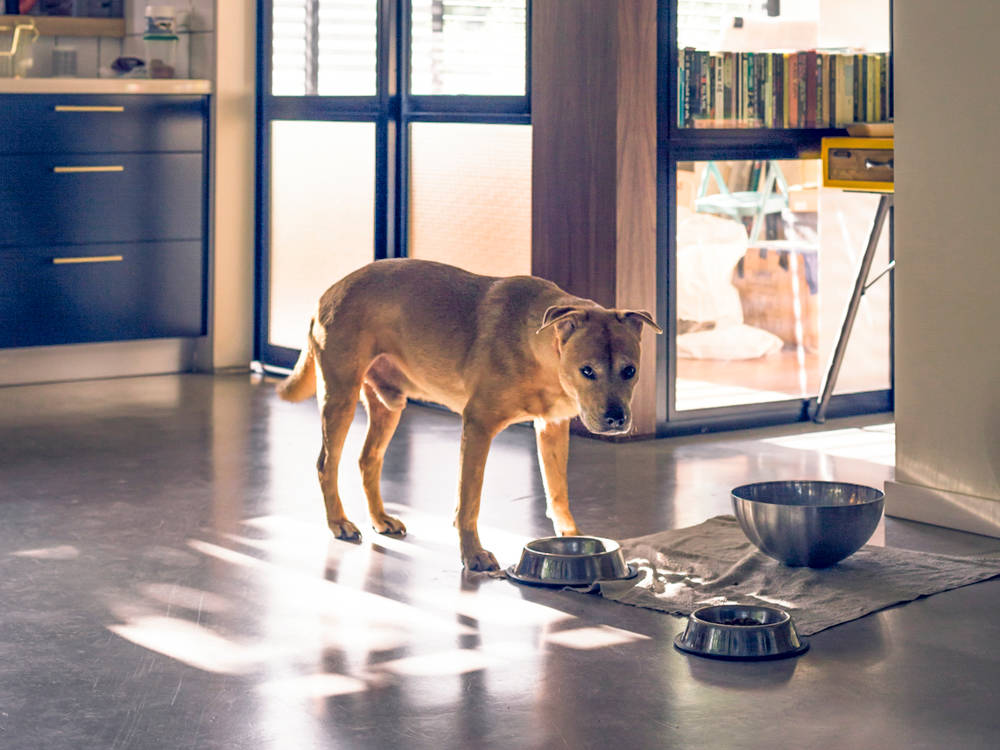
Here is a question most owners never think to ask when a dog turns anxious or snappy: what is happening in their belly?
We reach for the obvious explanations first. Maybe it is the breed. Maybe it is something in their past. Maybe the training slipped. So we adjust the routine, sign up for another class, and sometimes land on medication. All of that can matter. But there is a quieter influence that rarely makes the list, and the science behind it has gotten hard to ignore: the community of microbes living in your pet’s digestive tract may be shaping how they feel and how they act.
The wire that runs from gut to brain
The gut and the brain are in constant conversation. Scientists call the connection the gut-brain axis, a two-way signaling line between the digestive system and the central nervous system. You have felt your own end of it. That stomach-drop before a hard conversation, the butterflies before something big: that is the axis firing.
What makes it more than a metaphor is chemistry. A large share of the body’s “feel-good” messengers, including serotonin and dopamine, is produced with help from gut bacteria. Other resident microbes lean the opposite way, nudging the system toward stress and unease. So the mix of organisms down there is not neutral. It can tilt an animal toward calm or toward edginess, and it does so through the very same molecules a behavior medication targets.
What the newest research actually found
This used to be a story built mostly on mice. It is not anymore. In a 2025 study in Scientific Reports, researchers scored companion dogs for anxiety and aggression using the standard C-BARQ owner questionnaire, then sequenced the bacteria in their stool. The dogs with higher anxiety and aggression carried measurably different gut communities than the calmer dogs, and one microbe, Blautia, stood out as a possible marker for anxiety. It does not prove the gut caused the behavior, but it is strong, dog-specific evidence that the two travel together.
The intervention studies are the more hopeful part. In one trial, two weeks of a specific probiotic strain, Lactiplantibacillus plantarum PS128, was associated with less aggression and less separation-related distress. A separate placebo-controlled trial tested a blend of pre-, pro-, and postbiotics combined with a serotonin precursor and a GABA precursor, and the dogs on it showed fewer anxiety-like behaviors. Most striking, a 2024 pilot in dogs with epilepsy and co-occurring behavior problems used a fecal microbiota transplant, essentially reseeding the gut, and reported improvement in fearful behaviors. Early, small, and not ready to be anyone’s only treatment, but the direction is consistent.
When a dog’s anxiety shows up right alongside a rumbly gut, soft stools, or a sudden change in appetite, I stop treating those as two separate problems. The belly and the mood are wired together, so it is worth asking whether one is dragging the other down before we assume it is pure temperament.
What this means for you at home
None of this replaces a real behavior plan, and it is not a reason to skip your vet. It is a reason to widen the search. If your pet is anxious or reactive, here is where gut health fits.
Start with a conversation, not a supplement. Tell your vet if the behavior arrived with any digestive changes: loose stools, gas, a picky streak, or diarrhea. Those are the clues that a microbiome problem might be riding along. A veterinarian can also point you to stool-based tests that profile the bacteria if a deeper look makes sense.
Look hard at the food. Diet is the single biggest daily lever on the microbiome. Heavily processed foods can nudge the community in the wrong direction, and the right diet for your individual pet can help steady it. Your vet is the person to build that with you.
Treat probiotics as a tool, not a cure. Some products are marketed specifically for calm behavior; others simply support digestion. The evidence for the behavior claims is still thin, but the safety record is good, so many vets are comfortable with a trial. The rule that matters: always tell your vet about anything you are adding.
For serious aggression or anxiety, bring in a specialist. A veterinary behaviorist, a vet with advanced training in behavior rather than a non-veterinary consultant, can weave gut health into a full plan that also covers environment, training, and medication when it is warranted.
The honest bottom line
The gut is not a magic switch for behavior, and anyone selling it that way is overpromising. Mood and temperament have many roots. But the belly is a real one, backed increasingly by dog-specific research, and it is the root most owners never check. Before you decide your dog is simply “an anxious dog,” it is worth asking your vet whether the answer is partly living in their gut.
If your pet’s anxiety or aggression is severe or getting worse, please loop in your veterinarian rather than managing it alone.
References
- Kirchoff, N. S., et al. Gut microbiota composition is related to anxiety and aggression scores in companion dogs. Scientific Reports (2025). https://www.nature.com/articles/s41598-025-06178-4
- Study on the correlation between aggressive behavior and gut microbiota and serum serotonin (5-HT) in working dogs. PMC (2025). https://pmc.ncbi.nlm.nih.gov/articles/PMC12197395/
- The link between gut microbiome and behavior in dogs. dvm360. https://www.dvm360.com/view/the-link-between-gut-microbiome-and-behavior-in-dogs
- Kilburn-Kappeler, L. R., et al. Gut microbiome: the key to our pets’ health and happiness? Animal Frontiers (2024). https://academic.oup.com/af/article/14/3/46/7696634
- Johns Hopkins Medicine. The brain-gut connection. https://www.hopkinsmedicine.org/health/wellness-and-prevention/the-brain-gut-connection
Common questions
Can gut health really change my pet's behavior?
There is real evidence it plays a part. The gut and brain trade signals constantly through the gut-brain axis, and gut microbes make many of the same mood chemicals the brain uses. Research now links certain microbiome patterns to higher anxiety and aggression scores in dogs. It is one contributing factor, not the whole story, so treat it as something to explore with your vet alongside training and, when needed, medication.
Should I start my anxious dog on a probiotic?
Talk to your vet first. Some probiotic strains have shown promise for calming behavior in small studies, and most are very safe, but they are not a substitute for a behavior plan. Your vet can tell you whether a gut issue is even in play and which product, if any, is worth trying.
Not a substitute for your vet. Our guidance is educational. For urgent symptoms, contact a vet or emergency clinic right away. Editorial standards
Dr. Chen is a small-animal veterinarian who leads health and safety coverage at The Pet Times. She writes and reviews the bulk of our illness, condition, and safety content, translating clinical guidance into clear, practical advice owners can act on at home.
Meet our experts ↗Keep reading
 Health & WellnessYou Were Told to Bank Your Puppy's Stem Cells. The Company That Sold That Doesn't AnymoreDr. Ravi Mehta · 7 min
 Health & WellnessAlternative Pet Therapy Is Really Two Things. Knowing Which Saves You MoneyDr. Priya Nair · 7 min
 TrainingThe 'Mlem' Means Nothing. The Lick Underneath It Can Mean a Lot.Dr. Nina Kohl · 8 min
 Health & WellnessThe Dog CBD Study Everyone Cites Validated a Protocol, Not a ProductDr. Lena Park · 5 min
 Health & WellnessEveryone Gives Their Dog Melatonin for Sleep. That's the One Thing It's Worst AtDr. Ravi Mehta · 7 min
 Health & WellnessDo Calming Pheromones Actually Work? An Honest Look at DAP for Anxious DogsDr. Priya Nair · 6 min