


'Drop It' Is the One Cue That Might Save Your Dog's Life
The trick to 'drop it' is realizing it isn't a command at all. It's a trade, and the moment you turn it into a fight over the object, you've lost. Here's how to teach it in seven steps.

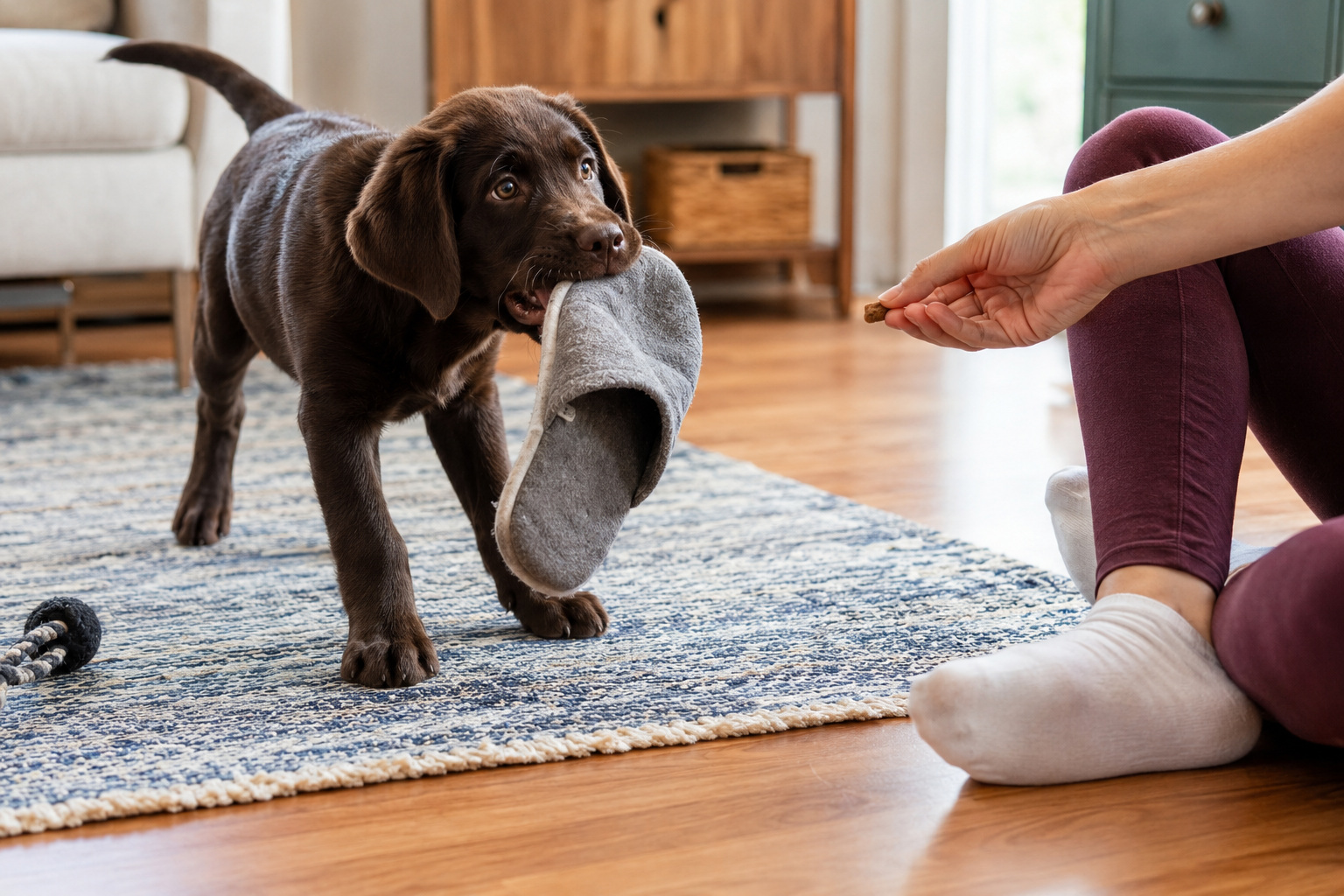
Training is not a luxury for a dog. It ranks right up there with food, rest, and exercise, because it is how a dog makes sense of the world and how the two of you communicate. Done well, it is also mental exercise, and done right and kept positive, it can be every bit as fun as play. Start early if you can, but do not believe the old line about old dogs and new tricks, it is simply false. Give it patience and good enough treats, and a dog of any age can learn almost anything.
And if there is one cue every dog should own, it is “drop it.” Here is the mindset shift that makes it click: “drop it” is not a command your dog obeys. It is a trade your dog agrees to. The instant you treat it like a power struggle over an object, you have already lost, and worse, you may teach your dog to guard things from you. Teach it as a trade, and it becomes the cue that gets a chicken bone, a pill off the floor, or something sharp out of your dog’s mouth before it becomes an emergency. It also rescues every game of fetch that dies the moment your dog refuses to give the ball back.
What you need before you start
Keep three things on hand: a handful of treats, a toy your dog likes, and a clicker if that is your thing. The food pays for the release, and the toy keeps the whole exercise playful. But the single most important principle lives here: the trade has to be worth it. Whatever you offer must be more valuable to your dog than what they are already holding. That is the entire engine of the cue.
If you are struggling to find a treat exciting enough, run the muffin-tin test to rank your dog’s favorites: put different treats in the cups of a muffin tin, cover them, and see which your dog works hardest to get to. The results can genuinely surprise you, and they tell you which treats to save for high-stakes trades.
The seven steps
Before you begin, strip out distractions. If the yard is full of squirrels or the living room is chaos, train somewhere quieter, a bedroom with the door shut works. The easier you make it to focus early on, the faster your dog learns, and the easier it is to add difficulty later.
Step 1: Gather the supplies. Have everything, treats, toy, clicker, set up before your dog enters the space. Feeling prepared keeps you calm and focused, and a calm handler makes for a calmer dog.
Step 2: Offer a toy. Give your dog a toy they like but are not fixated on. You want it tempting, yet no match for the treat waiting in your hand.
Step 3: Cue “drop it.” Give them a moment to settle with the toy, then bring out a treat and say “drop it.”
Step 4: Reward the release. The instant the toy leaves their mouth, hand over the treat along with whatever praise, spoken or physical, lights your dog up most.
Step 5: Add a hand signal. Close your hand into a fist aimed at your dog, and as you say “drop it,” spring it open like you are releasing something. Reward as usual. Over time you will have both a spoken and a silent cue, which reinforces the behavior and gives you options, useful when your dog is across a noisy park.
Step 6: Fade the treats. Once your dog is reliable, start phasing out the food while keeping the praise. Gradually they associate the release itself with feeling good and need little extra reward.
Step 7: Practice often, everywhere. Regularity and repetition are the whole ballgame. Rehearse daily, and not just at home, because “drop it” earns its keep out in the world, on walks, at the park, at the vet. A dog who can drop it in a silent kitchen has not yet learned to drop it in a busy, distracting place. Treat every new environment as a fresh chance to reinforce the cue.
Keep the emotion out of it
The reason the trade framing matters so much is what happens when you abandon it. Lunging for the object, chasing your dog, or wrestling something out of their mouth teaches a dog that human hands near their stuff mean loss, and that is exactly how resource guarding gets built or worsened.
The dogs who guard hardest are very often the ones who learned that a person approaching meant their thing was about to disappear. ‘Drop it’ done as a trade teaches the opposite, that letting go makes something even better show up. When a dog believes releasing an item is a good deal rather than a robbery, they’ll do it happily, and that’s the version that saves lives in a real emergency.
When to bring in a trainer
Training is hard, and there is no shame in getting help. Think about a pro if your dog routinely will not give things up, starts guarding its stuff, or if you are simply hitting a wall of frustration. A good trainer can diagnose why your dog is not responding and tailor a plan.
Professional help is essential if your dog acts aggressively toward you during training. Do your best not to meet that aggression with anger or force, and seek help sooner rather than later, addressing these issues early keeps them from hardening into something more serious.
It also helps to loop in the people around your dog, family, friends, dog walkers, so they support your training rather than undermine it. It can be inconvenient for them, but a consistent message from everyone is what makes a cue reliable.
And whatever you do, do not give up. The harder a dog is to train, the more that training matters. Dogs do not misbehave out of spite. They are usually confused, scared, or just trying to communicate, and it is on us to do the patient work of teaching them a better option.
References
- American Kennel Club. “How to Teach Your Dog to ‘Drop It.’” akc.org
- Vieira de Castro, A. C., et al. “Does Training Method Matter? Evidence for the Negative Impact of Aversive-Based Methods on Companion Dog Welfare.” PLOS ONE, vol. 15, no. 12, 2020, e0225023.
- American Veterinary Society of Animal Behavior. “Position Statement on Positive Reinforcement Training.” avsab.org
Common questions
How long does it take to teach 'drop it'?
It varies by dog, but with short, consistent daily practice, most dogs get the hang of it within a couple of weeks. Dogs who are especially attached to certain items may take longer.
What if my dog just refuses to drop it?
Switch something up. Your treat may not be exciting enough, or the item they're holding may be too high-value. Drop back to a lower-value object and a calmer, less distracting room, and rebuild from there. Don't make it a battle of wills.
What if my dog gets aggressive when I take things away?
Back off and reassess. Guarding is common, and pushing harder makes it worse. Work on trading up for something better rather than forcing the issue, and if the aggression is consistent, consult a trainer who specializes in behavior.
Dr. Kohl is a board-certified veterinary dentist with a particular interest in preventive oral care. She reviews all dental health content at The Pet Times and contributes practical guides on home dental routines, professional cleaning, and oral disease prevention.
Meet our experts ↗Keep reading
 TrainingYour Dog Isn't Being Stubborn About the Snow. They're Confused.Dr. Amara Solis · 7 min
 LivingDon't Teach Your Dog to Swim. Teach Them to Get Out.Dr. Priya Nair · 8 min
 TrainingYou Can't Bribe a Snow-Drunk Dog Inside. One Command Actually Works.Dr. Priya Nair · 7 min
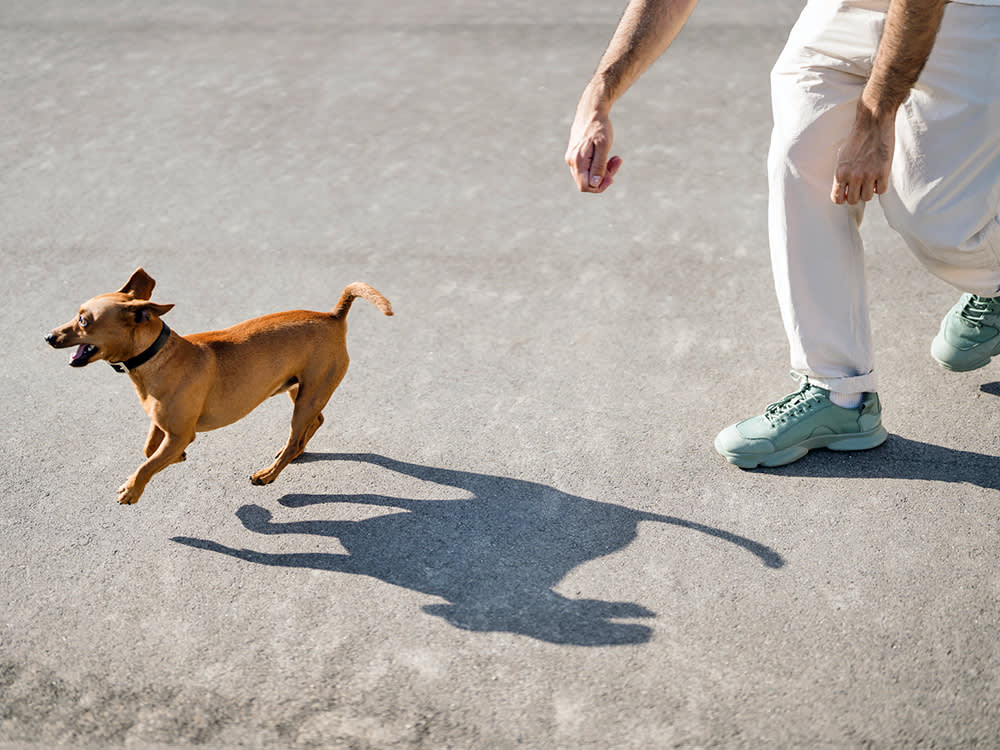 TrainingThe Viral 'Run Away From Your Dog' Trick Works. You Get to Use It Once.Dr. Mara Chen · 7 min
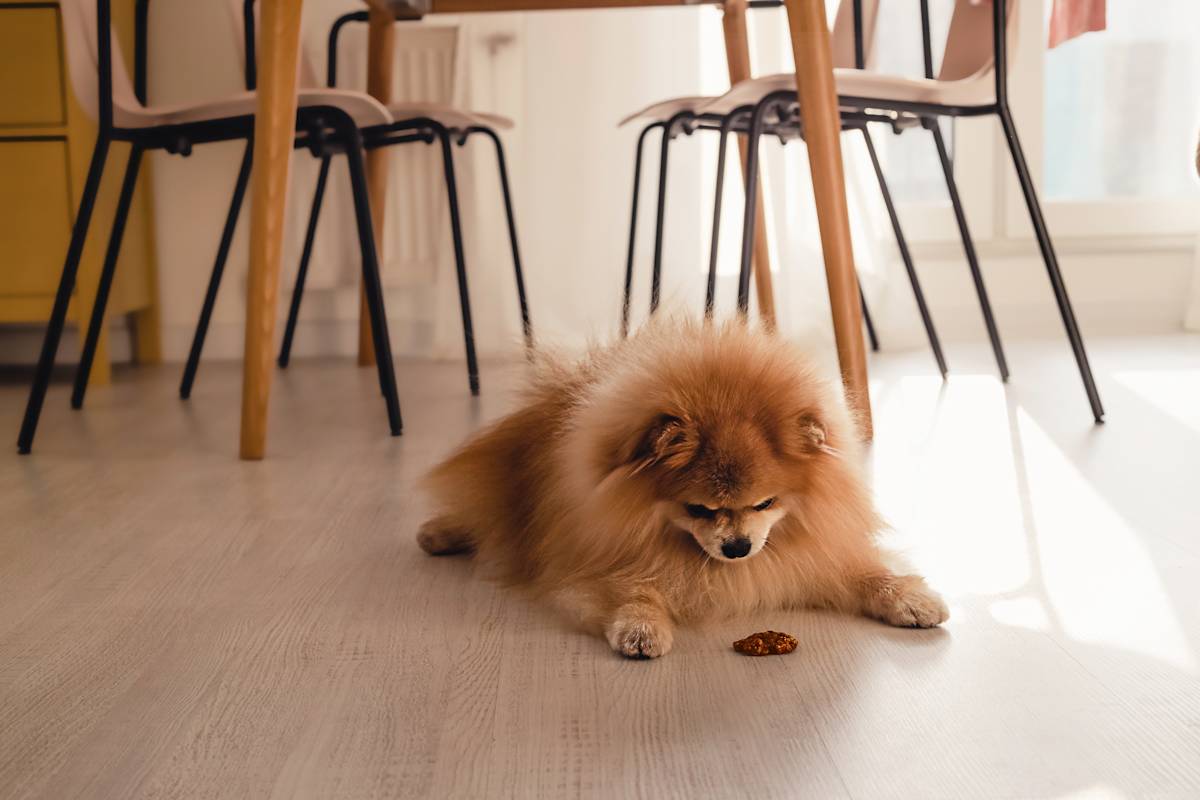 TrainingThe Cue That Beats Your Dog to the Chicken BoneDr. Nina Kohl · 8 min
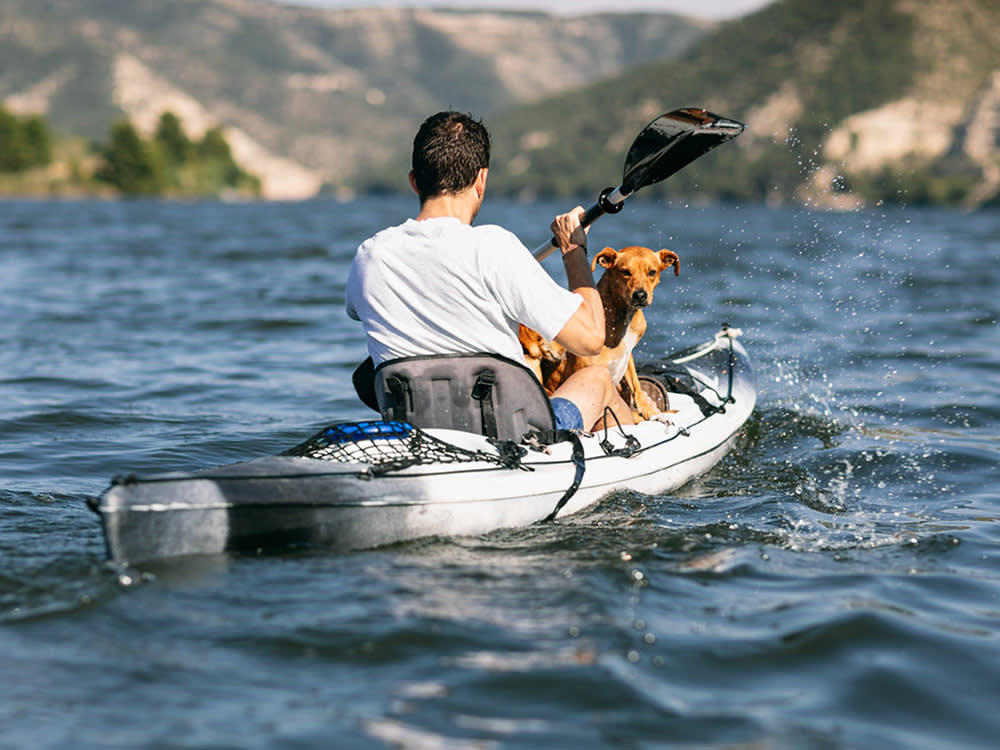 LivingThe Kayak Isn't What Hurts Dogs. The Water Is.Dr. Ravi Mehta · 8 min