


The Summer Hazards That Actually Land Dogs at the Vet: 10 to Watch
Not all summer dangers are created equal. Here are the ten that send dogs to the ER, ordered by how much harm they really do, from heat and hot pavement to the water itself.

Affiliate disclosure. This article contains affiliate links. We may earn a small commission if you buy through a link, at no extra cost to you. How we handle recommendations.
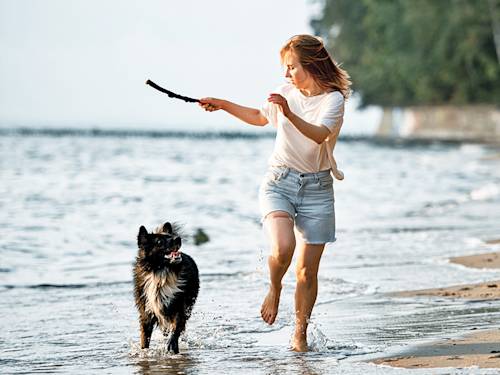
Memorial Day comes and goes and suddenly the whole season stretches out ahead: beaches, hikes, lake days, backyard barbecues, and a built-in excuse for a frozen drink whenever the heat gives you one. Our dogs are along for all of it, and that is the good part.
The other side of the coin is that summer brings a specific set of dangers, and they are not all equally serious. Some get a lot of attention and rarely do real harm; others are quiet and genuinely deadly. So rather than a flat checklist, here are the ten summer hazards worth your attention, ordered roughly by how likely they are to actually land your dog at the vet, starting with the one that matters most. Prepare for these and you and your dog get to enjoy the season, not survive it.
1. Heat
This is the big one, and it belongs at the top. Heat is far more dangerous to dogs than to us, for a simple physiological reason: dogs pant to dissipate heat and lack our network of sweat glands, so they have much more trouble getting rid of it and overheat more easily.
Know the signs of heatstroke, because it moves fast: drooling, labored breathing, seizures, a racing heart, excessive panting, and mild weakness, along with vomiting, bright red gums, and collapse. If your dog shows any of these, go to the vet immediately.
If your dog gets sick after a scorching day outdoors, my rule is to assume the worst and act fast rather than wait it out. Throwing up, loose stool, a dog who has gone limp or wobbly once the sun goes down, none of that earns a wait-and-see. Cool them, offer water, and drive to a vet.
Heat is especially dangerous for flat-faced, brachycephalic breeds like French Bulldogs, Pugs, and Shih Tzus, whose airways make panting hard work, so watch them extra closely. To lower the risk overall: bring shade or a pop-up tent if there is none where you are headed, walk during the coolest hours (usually early morning), keep fresh water available, and choose shaded routes. And the rule that should go without saying but never does: never leave a dog in a parked car. Even with the windows cracked, a car becomes an oven within minutes, and heatstroke follows.
2. Hot asphalt and concrete
The ground itself is one of summer’s sneakiest hazards, because it does not take a record-breaking day to become dangerous. When the air temperature is a pleasant 77 degrees Fahrenheit, asphalt can hit 125 degrees, hot enough to burn and blister your dog’s paw pads. Concrete radiates heat too, and because a dog walking on it sits low to a superheated surface, it also raises their risk of heatstroke.
The fixes are simple: walk early, keep hot-day walks short, and protect the pads. A paw balm like Musher’s Secret adds a protective layer, and some owners prefer booties (just take them off indoors so they do not trap heat). A quick test: press the back of your hand to the pavement for seven seconds. If you cannot hold it there, it is too hot for paws.
3. Water: salt, chlorine, and what is growing in it
A beach or lake day is a summer highlight, but the water carries several distinct risks. Salt water is the big one: gulping it can cause a metabolic toxicity as blood sodium climbs too high, which in serious cases leads to vomiting, neurological problems, and dangerous dehydration. Pool chlorine is less toxic but irritates the skin, stomach, and esophagus, leaving a dog feeling off. Discourage gulping, offer plenty of fresh water so your dog is not tempted to drink the pool or the sea, and rinse them after a swim.
Then there is the hazard that hides in calm, warm fresh water: blue-green algae. These cyanobacteria blooms turn ponds and lake edges scummy, green, or blue-green in hot weather, and some produce toxins that can kill a dog within hours of drinking or even licking it off their fur. If a pond looks discolored, scummy, or smells foul, keep your dog out of it entirely, and if they do get in, rinse them immediately and watch for vomiting, weakness, or trouble breathing.
4. Barbecues and cookout food
Where there is a grill, there are ingestion hazards. The classic trio of trouble is bones, corncobs, and peach pits, all of which can choke a dog or lodge in the gut. Kabob skewers are rarer but genuinely dangerous, and rich, fatty scraps go down easily in a crowd and can trigger pancreatitis.
The toxic-food list is worth memorizing too: onions and garlic upset the stomach and can damage red blood cells, grapes and raisins can cause kidney failure, and anything with xylitol (a sweetener in gum and sugar-free foods) can cause a crash in blood sugar, liver damage, and even death.
The best barbecue plan is the one you make before the party. Work on a solid ‘leave it’ and some impulse control ahead of time, and have a plan for where your dog will be, on a long leash away from the grill, or settled in a separate room, so you are not policing every dropped hot dog in real time.
5. Fireworks (and the escapes they cause)
Summer means fireworks and thunderstorms, and the danger is less the noise itself than what a panicked dog does in response: bolt. It is common for frightened dogs to run, so never leave a dog unrestrained outside when fireworks or storms are likely. Keep them in an enclosed space, physically away from any fireworks, and make sure their collar, ID tag, and any walking gear are secure and in good repair, not frayed or chewed.
For dogs with noise phobia, there are three lines of defense: physical (a safe, enclosed, windowless space stocked with their favorite things), medical (anxiety medication from your vet, given about two hours ahead, since it is far harder to calm a dog once the panic has started), and behavioral (long-term desensitization, ideally begun in puppyhood by playing recorded sounds at low volume during something the dog enjoys). A snug wrap like a Thundershirt helps some dogs, but introduce it well before a noise event so they do not associate it with the scary thing. A last-minute trick that genuinely helps: a long, tiring walk an hour or two before the show.
6. Toxic plants
Many beautiful seasonal plants are toxic to dogs. Popular ones like azaleas and rhododendrons can cause serious harm if eaten, so know what is growing in your yard and on your routes. Just as important, store herbicides, insecticides, and fertilizers somewhere your dog cannot reach them.
7. Ticks
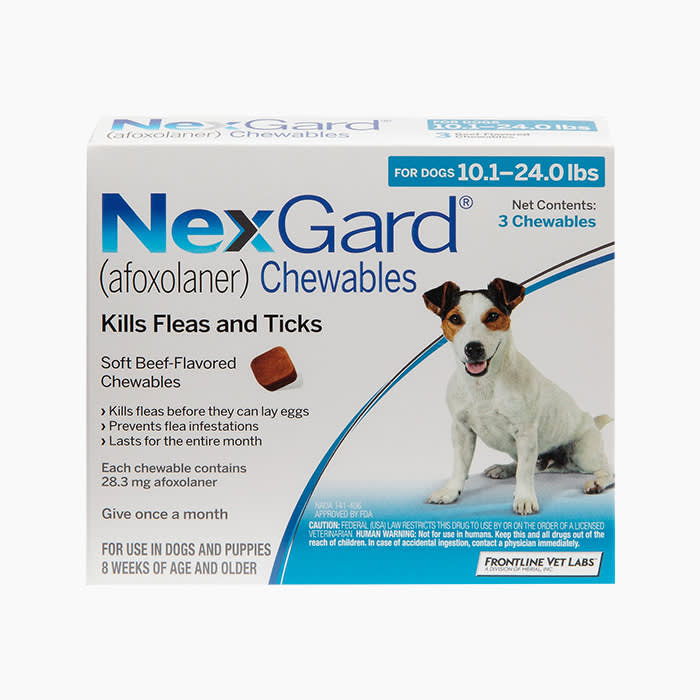
East Coasters know the tick problem well, and the tick-borne disease burden is growing for pets and people alike. Summer is prime hiking season, so inspect your dog’s coat thoroughly after any outdoor adventure and keep them on their tick-prevention medication as directed. Pay special attention to ears, armpits, between the toes, and around the collar.
8. Sunburn
Yes, dogs can burn, especially those with thin or light-colored fur. Sun exposure can cause pink skin, blisters, and even sun-related tumors over time, and dogs who love to sunbathe belly-up are at higher risk. Use a sunscreen made for dogs (never your own, which may contain zinc that is toxic to them); canine formulas often come as an easy-to-apply spray.
9. Seasonal allergies
Pollen spares no one, dogs included. Grasses and airborne irritants peak in spring and early summer, and allergies, while rarely life-threatening, make dogs miserable. Watch for sneezing fits, crusty eyes, and relentless itching, and see your vet if your dog cannot stop scratching or seems generally wretched. A HEPA filter on your AC, wiping or bathing your dog after walks to remove pollen, and adding vet-approved fish oil to support the skin barrier can all help. One piece of good news: poison ivy does not affect dogs the way it affects us.
10. Sand
It sounds minor, but sand earns its spot. Dogs who chase balls on the beach can ingest a surprising amount of it, and in some cases that leads to a sand impaction in the gut, a painful and potentially serious blockage. It is more common in dogs who live at the beach than in occasional visitors, but it happens. As with everything on this list, if your dog seems off after a beach day, whatever went in should come out the other end, and if it does not, or they are vomiting or lethargic, head to the vet.
What newer research adds
One summer risk has more data behind it than most owners realize: heat may not just endanger dogs, it may make them edgier. A large study published in Scientific Reports analyzed nearly 70,000 dog-bite reports across eight US cities and found bites rose on hotter, sunnier, and higher-ozone days, up about 11 percent on high-UV days and roughly 4 percent when temperatures climbed past about 77 degrees Fahrenheit. The researchers could not prove heat directly flips a switch in the dog’s brain, and some of the effect may come down to how people behave in the heat, but it reinforces a practical point: an overheated, uncomfortable dog is a dog with a shorter fuse. Managing heat is not only about preventing heatstroke; it may also help keep interactions safe. Combine that with the growing recognition of blue-green algae as a fast-acting, sometimes fatal summer threat, and the priorities for a modern summer are clear: guard against heat and hot ground first, be careful around water, and enjoy the rest of the season with a little planning.
References
- Linnman, Clas, et al. “The Risk of Being Bitten by a Dog Is Higher on Hot, Sunny, and Smoggy Days.” Scientific Reports, vol. 13, 2023, www.nature.com/articles/s41598-023-35115-6.
- ASPCA Animal Poison Control Center. “Toxic and Non-Toxic Plants List.” ASPCA, www.aspca.org/pet-care/animal-poison-control/toxic-and-non-toxic-plants.
- U.S. Environmental Protection Agency. “Harmful Algal Blooms and Cyanotoxins.” EPA, www.epa.gov/cyanohabs.
Common questions
How hot does pavement get compared to the air?
Much hotter. When the air is 77 degrees Fahrenheit, asphalt can reach around 125 degrees, hot enough to burn and blister paw pads. Walk in the early morning, keep walks short on hot days, and consider paw balm or booties.
What summer water dangers should I know about?
Drinking salt water can cause a dangerous spike in blood sodium, pool chlorine irritates the gut and skin, and blue-green algae blooms in warm, still fresh water can be rapidly lethal. Rinse dogs after swimming, discourage gulping, and keep dogs away from scummy, discolored ponds and lakes.
Not a substitute for your vet. Our guidance is educational. For urgent symptoms, contact a vet or emergency clinic right away. Editorial standards
Dr. Mehta is a board-certified veterinary nutritionist who evaluates pet food formulations, ingredient quality, and the science behind dietary trends. He writes and reviews all nutrition content at The Pet Times, including our food rankings and feeding guides.
Meet our experts ↗Keep reading
 Health & WellnessFrostbite Can Cost Your Dog an Ear Tip. The Damage Hides for Days.Dr. Ravi Mehta · 7 min
 Health & WellnessYour Dog's Swimming Ability Won't Save Them From ThisDr. Amara Solis · 4 min
 Health & WellnessYour Dog's Penis Won't Retract? Start the 20-Minute Clock.Dr. Priya Nair · 6 min
 Health & WellnessThe Underwear Isn't the Joke. The Surgery Is.Dr. Lena Park · 7 min
 Health & WellnessYour Dog Scavenges on Walks. That Napkin Could Be Cocaine.Dr. Lena Park · 5 min
 Health & WellnessWhen Your Dog Chokes, Your First Instinct Is the Wrong OneDr. Ravi Mehta · 6 min