


Your Dog Scavenges on Walks. That Napkin Could Be Cocaine.
A husky named Nilak swallowed a napkin off the ground and nearly died. Dogs eating discarded drugs is far more common than owners think, and the first minutes decide everything.

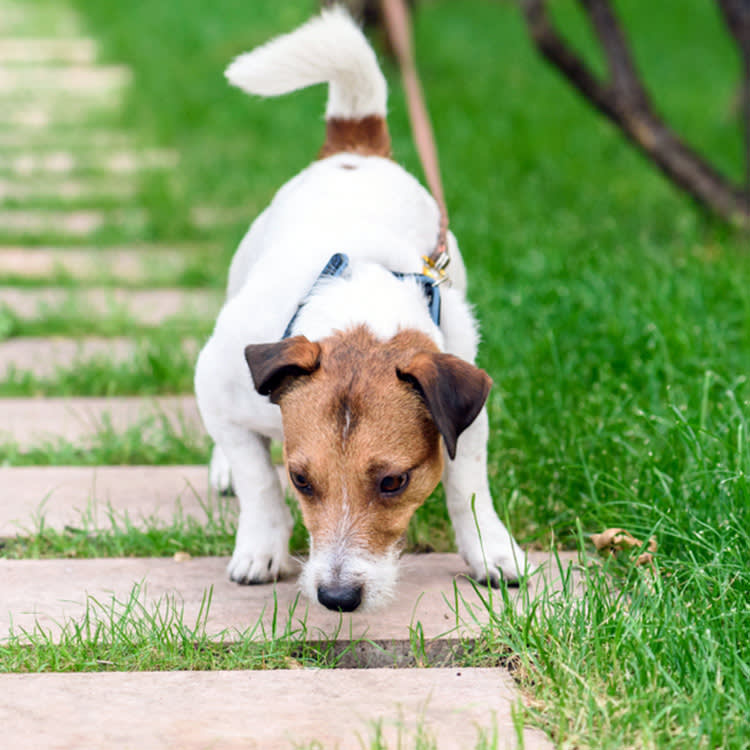
The story is short and it is terrifying. A woman in British Columbia was walking her two-year-old husky, Nilak, when he snatched a discarded napkin off the ground and swallowed it before she could stop him. She was not especially alarmed at first, because he had eaten garbage on walks before. Then he started acting wrong. At the vet, tests found the reason: the napkin had been soaked in cocaine. Fluids and monitoring pulled him through, but it was close.
If your reaction is “that would never happen to us,” that is exactly the reaction worth examining. Dogs eating drugs they find outdoors is not a bizarre one-off. It is a recognized and growing problem, and the thing that saves dogs is not luck. It is how fast their owner acts and how honest they are willing to be.
This is more common than it sounds
After Nilak’s owner shared what happened, she was stunned by how many other people replied with nearly identical stories. That informal flood of “us too” tracks with what emergency vets and toxicologists are seeing. Discarded drugs end up on sidewalks, in parks, and along trails anywhere people use them, which is to say almost everywhere.
The pattern repeats across North America. Not long before Nilak, a California dog was hospitalized after ingesting methamphetamine during an ordinary walk in a park the family visited every single day. He came home, refused to come when called, and began twitching, and only a vet visit revealed the drugs in his system. As his owner pointed out, it does not take much: a dog can step in a trace of powder and simply lick its paws clean later.
People picture some dramatic scene, but most of these cases start with a dog doing the most normal thing in the world, sniffing and grabbing something off the ground. The exposure is small, the dog goes home, and an hour later something is clearly off. That gap is exactly why owners second-guess whether it’s an emergency. Treat it like one.
Why speed matters so much
For most of these exposures, the treatment is supportive: intravenous fluids, monitoring, help regulating body temperature and heart rate while the drug clears. Dogs that get to a clinic in time usually recover well.
Opioids are the exception where the clock is loudest. If the substance could have been an opioid, a dog that arrives at the clinic alive has a strong chance, because vets can administer naloxone right away and support breathing until the danger passes. A dog left to “sleep it off” at home does not have that safety net. This is the single most important reason not to wait and watch.
What to do in the moment
If you see or strongly suspect your dog ate something that could be a drug, act as if it is an emergency, because it is:
Go straight to a vet or emergency clinic. Do not spend twenty minutes googling symptoms. Call ahead if you can so they are ready.
Tell them everything you know, or suspect. This is the hard part and the crucial one. Say what your dog grabbed, where, and what you think it might have been. The point of that information is your dog’s life, not a moral verdict on you.
Do not try to induce vomiting on your own unless a vet tells you to. With some substances it helps; with others it can make things worse. Let a professional make that call.
Bring anything you can. If there is packaging, a wrapper, or residue, bag it and take it along. It can speed the right treatment.
You can also call the ASPCA Animal Poison Control Center at (888) 426-4435, a 24-hour hotline, on your way in or if you cannot reach a clinic immediately.
Drop the fear of judgment
Toxicologists keep circling back to one point, because it keeps costing dogs: owners hide details out of embarrassment. If your dog ate a drug you had nothing to do with, off a public sidewalk, there is obviously no reason for shame. But even in the messier cases, the vet’s job is the animal in front of them, not blame. Getting your dog treated fast is the only thing that counts in that moment. Every second spent managing your own embarrassment is a second the drug keeps working.
Prevention, without becoming paranoid
You cannot bubble-wrap a walk, but you can tilt the odds. A dog with a rock-solid “leave it” and “drop it” is dramatically safer, and those cues are worth drilling until they are automatic, because they can be lifesaving in the half-second a dog lunges for something. Keep the leash shorter and your attention up in busy, high-litter areas instead of scrolling your phone. For dogs that treat the ground like a buffet no matter what, a properly fitted basket muzzle lets them pant, drink, and sniff while blocking the grab, and it is a kindness, not a punishment.
The goal is not to make walks joyless. It is to remember that the sidewalk is not a controlled environment, and your dog cannot tell a harmless scrap from a dangerous one. That judgment is yours to keep.
What newer research adds
There is now a hard number attached to the trend. When the ASPCA released its annual list of top pet toxins for 2025, recreational drugs such as marijuana and psychedelic mushrooms made the top ten, accounting for close to two percent of the roughly 376,000 exposures the center fielded that year. The organization also flagged a recent rise in exposures to kratom.
The practical read for owners is simple. As more substances circulate and more of them end up underfoot, the odds that a curious, ground-scavenging dog encounters one are not shrinking. The defense has not changed: attentive walks, a reliable “leave it,” and a willingness to move fast and speak plainly when something goes wrong.
References
- ASPCA. “The Top 10 Toxins of 2025.” aspca.org, 2025.
- ASPCA Animal Poison Control Center, (888) 426-4435.
- CBC News. Coverage of the Nilak cocaine-ingestion case, British Columbia, 2026.
Common questions
Will my vet report me if my dog ate an illegal drug?
Vets are focused on saving your pet, not assigning blame, and the details you give about what your dog may have eaten can be the difference between a fast recovery and a crisis. Withholding information to avoid embarrassment is the genuinely dangerous choice.
What are the signs a dog has ingested drugs?
Watch for sudden strange behavior after a walk, wobbliness or stumbling, twitching or tremors, unusual drowsiness or agitation, refusing to come when called, dilated pupils, vomiting, or trouble breathing. Any of these after time outdoors warrants an urgent vet visit.
How do I stop my dog from eating things off the ground?
Teach and heavily reward a reliable "leave it" and "drop it," keep your dog on a shorter leash in high-traffic areas, and stay attentive during walks rather than looking at your phone. A basket muzzle is a humane option for committed scavengers.
Not a substitute for your vet. Our guidance is educational. For urgent symptoms, contact a vet or emergency clinic right away. Editorial standards
Dr. Park is a board-certified emergency and critical care specialist. She reviews our health and safety content for clinical accuracy and contributes guides on recognising urgent conditions. Her focus is helping owners act quickly and correctly when it matters most.
Meet our experts ↗Keep reading
 Health & WellnessThe Summer Weed That Burrows Into Your Dog and Doesn't StopDr. Ravi Mehta · 8 min
 Health & WellnessTwo Ounces of Gorilla Glue Can Put Your Dog in SurgeryDr. Ravi Mehta · 5 min
 Health & WellnessYour Dog Ate Your Weed. The THC Probably Won't Kill It. The Cover-Up Might.Dr. Amara Solis · 7 min
 Health & WellnessYour Dog Is Not a Carbon Monoxide Detector. Don't Treat Them Like One.Dr. Priya Nair · 6 min
 Health & WellnessThe Skin-Pinch Test for Dehydration Fails on the Dogs Who Need It MostDr. Amara Solis · 8 min
 Health & WellnessYour Dog's Panting Isn't the Problem. Panting With No Job to Do Is.Dr. Ravi Mehta · 8 min