


Want a Neighborhood Dog Park? Stop Talking About Your Dog.
Off-leash space isn't won by dog lovers being loud. It's won by learning to speak the language of city hall, and by offering something bureaucrats actually want. A field guide to getting a dog park built in your neighborhood.
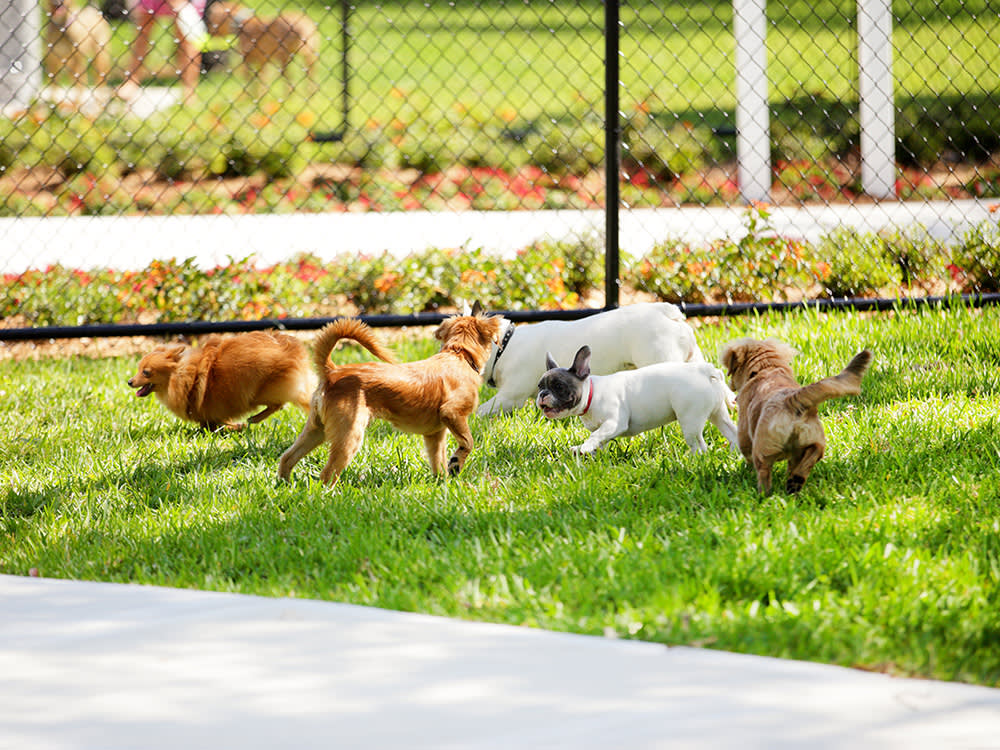
Your dog has the zoomies, your hallway is too short, and your walls have absorbed one headfirst collision too many. The fix is obvious: outdoor space where a dog can actually run. The obstacle, especially in a city, is that safe off-leash space is scarce, leash laws are enforced, and not everyone loves dogs. Plenty of us end up playing hide-and-seek with the authorities, occasionally collecting a fine for the crime of letting a well-trained dog be a dog.
Here is the counterintuitive truth about fixing that. A neighborhood dog park does not get built because dog people want it badly. It gets built because a small group of them learns to argue in a language city officials respond to, and because they show up offering to make the city’s job easier rather than just demanding a favor. The single biggest mistake advocates make is leading with their dogs. This guide is about doing the opposite.
Learn the machinery before you fight it
Changing public policy is slow, unglamorous grunt work, and the people who win at it tend to share a few traits with a good Border Collie: focus, stamina, and refusal to quit. Successful dog-park campaigns routinely take around four years, so pace yourself.
Start by mapping the process. Figure out exactly which body has to approve your proposal and how an item actually lands on its agenda, since a chairperson controlling that agenda can quietly stall you. Learn which advisory commissions weigh in on parks, when they meet, and how public comment works. Most public meetings reserve time for comments unrelated to any agenda item; use it, and go often. Becoming a familiar, friendly face at otherwise dull proceedings earns you more goodwill than you would expect.
Then identify every agency with a stake: Parks, Recreation, Animal Services, and the Public Safety and Health departments. Meet the managers, read their positions, and, crucially, offer to help, whether that means organizing a poop clean-up or some park maintenance. Arriving with a service to provide, not just an ask, changes the entire dynamic.
Make officials your allies, not your enemies
Elected officials and civil servants can be your greatest obstacle or your best asset, and often they hold the power to legitimize your activity. Consult any neighborhood group with a stake, and pay special attention to the homeowners and businesses bordering any park you are eyeing, because their concerns will surface during the public process whether you engage them or not. Better yet, get inside the tent: volunteer for or get appointed to a civic committee, neighborhood council, or task force. Working from within accomplishes what pounding on the door cannot.
If you form a task force, it should genuinely represent park users, with open, properly noticed meetings in accessible locations, not just a stack of city-hall insiders. The frustration to plan for is turnover: you may win over a committee, only to face an entirely new set of members next time and have to make your whole case again.
Build the numbers
Few politicians will turn their backs on a large bloc of earnest voters, particularly in an election year, so if your effort starts with a handful of people, your first job is growth. Unfortunately, volunteers often materialize only when things get worse, when citations spike or a park’s status changes. Seattle’s Citizens for Off-Leash Areas (COLA) was galvanized when citations in one park jumped from 300 to 1,200 in a single year, and San Francisco’s SFDOG mobilized after dogs were banned from Ocean Beach over unsubstantiated claims that they were disturbing Snowy Plover nesting.
You can also get ahead of the problem. One Santa Barbara advocate built a political action committee by papering vet offices, pet shops, dog-welcoming businesses, and the informal parks dogs already gathered in with handbills, and deliberately kept membership free, reasoning that it mattered more to enroll people than to collect dues; those who wanted to donate would. That group, a registered nonprofit doing political action, grew to 1,000 members and moved fast. In New York, a celebrity dog trainer organized doggie parades and fundraisers, drawing in famous clients and their dogs to benefit a park, and his willingness to build consensus helped produce a state-of-the-art dog area in a Bronx park.
Line up support from veterinarians and humane organizations too. Many vets, especially those with behavior training, understand how much off-leash exercise matters to their patients, and a letter of endorsement from one carries weight.
“Leash walks alone don’t meet a dog’s real needs, and I wish more owners heard that from their vet,” says Dr. Nina Kohl. “A dog that can run, sniff, chase, and problem-solve off-leash is calmer, better behaved, and often physically healthier. Safe off-leash space isn’t a luxury for dogs, it’s closer to preventive care, and that’s a case officials take seriously when a veterinarian makes it.”
Write your case in their language
A position paper does more than one job. It sharpens your own thinking, prepares you for public speaking, and forms the backbone of your proposal, which should also carry case studies and sworn statements of support. A trimmed-down version doubles as a fact sheet for busy officials who won’t read anything long, and as the press release you want in reporters’ hands before your opponents’ version arrives.
One tactical tip: avoid the phrase “dog park.” Lead instead with “off-leash area,” “OLA,” or “multi-use area,” and stress the human component throughout. Because few policymakers actually care about dogs, frame the benefits around people: cite the physical and mental-health literature on pet ownership, and emphasize that your group is offering to become a sponsoring or stewardship organization, taking on self-policing, maintenance, fundraising, help with shelter adoptions, and better licensing compliance. That offer of free labor is language a budget-conscious city understands.
The design details that make or break a site
If you get to the site-planning stage, a few guidelines matter.
- Size. On a new or existing site, size is the most important and most contentious question. The rule of thumb is simple: bigger is better.
- Fencing. Near traffic, fencing is often necessary, with double-entry, self-closing gates. Unless your dogs are hurdlers, a four-foot fence usually suffices, and vinyl-coated chain-link is typically the cheapest option.
- Children. Most parks allow kids but note on signage that young children must be accompanied by an adult.
- The rest. Plan for parking that will not disturb neighbors, ADA compliance, buffer zones to limit barking complaints, covered trash and waste-bag dispensers, bulletin boards, shade trees, good drainage, durable turf, dual-height water fountains, clear signage, and amenities like benches, tables, and agility equipment.
Why this is worth the four years
Beyond the obvious payoff for dogs, off-leash areas deliver real community benefits, including safer public spaces. A well-exercised dog is a calmer, less reactive one, and a less bark-prone neighbor, which turns out to be an argument even non-dog-owners appreciate.
What’s new since this was written
The political winds have shifted in advocates’ favor. Over the past decade, dog parks became one of the fastest-growing park amenities in the United States, according to analyses from the Trust for Public Land, and they now appear in the large majority of the country’s biggest cities. That matters for your campaign in two ways. First, you are no longer asking for something exotic; you can point to hundreds of successful off-leash areas as precedent, which defuses the “this is untested” objection. Second, cities increasingly recognize dog parks as a draw that raises nearby property use and foot traffic, so the economic argument you make in your fact sheet is now backed by a well-documented national trend. The four-year slog is still a slog, but you are pushing on a door that is already opening.
References
- Trust for Public Land. “Dog Parks Data and City Park Facts.” tpl.org
- Seattle Citizens for Off-Leash Areas (COLA). seattlecola.org
- SFDOG. sfdog.org
James Okafor covers rescue, adoption, and the causes shaping animal welfare. His work follows the people and organisations working to give more pets a home, and the issues owners and advocates care about most.
Meet our experts ↗Keep reading
 Living12 Black-Owned Pet Brands Worth Buying for the Product, Not the CauseJames Okafor · 8 min
 LivingSo You Want to Work With Animals. It's Harder Than the DreamClaire Sutton · 5 min
 LivingSix Dogs Went to the Paralympics. Not One of Them Is a Mascot.Jordan Ellis · 6 min
 LivingHe Ran the Pentagon's Networks and a Dogfighting Ring. He Got 18 Months.Marcus Webb · 7 min
 LivingShelters Didn't Refill Because Adopters Vanished. Three Faucets Were Left RunningLeila Torres · 6 min
 LivingThe Pentagon Spent $1 Million Testing Drugs on Beagles. Congress Just Cut It Off.Marcus Webb · 4 min