


A Growl Is a Gift: The Silent Dog Is the One to Worry About
Growling and barking look like the scary part. In reality they're a warning system doing its job. The genuinely dangerous dog is the one whose warnings have been bred, cropped, or punished out of them.

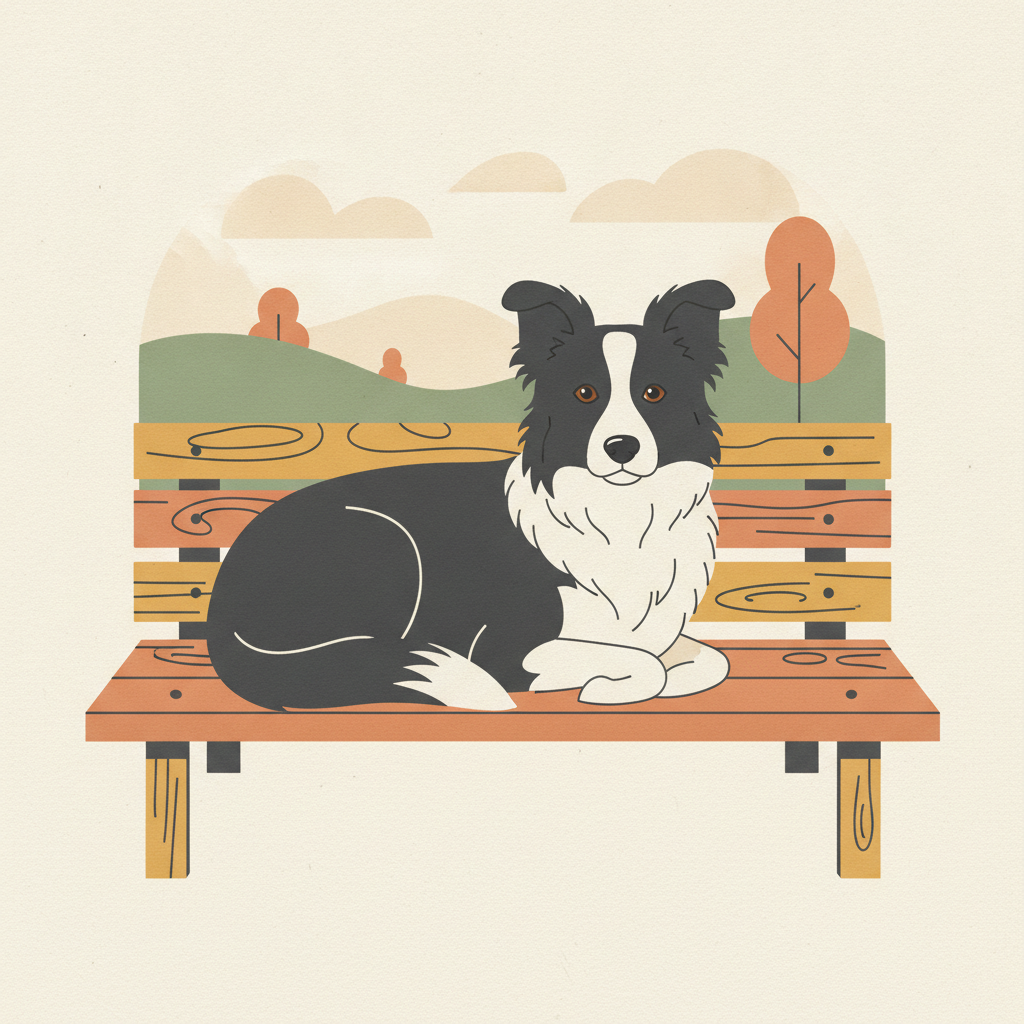
Here is a sentence that makes most owners flinch: a growl is good news. It feels backward, because the growl is the moment our adrenaline spikes and we assume a bite is coming. But a growling, barking, stiff-bodied dog is a dog still negotiating. The one to truly fear is the dog who skips all of that and goes straight to the bite, silently. Understanding why reframes almost everything about reading canine warning signs, and it changes how you should respond when your own dog growls.
Why noise usually prevents a fight
Threat displays (a growl, a bark, a stiffened body, bared front teeth) look like the prelude to violence. Far more often, they’re what stops it. By flashing their weaponry or showing off their size, dogs are sending a clear message: it would be a mistake to challenge me. Dogs are skilled at sizing each other up, and when both can read the situation, one or both usually decides that pressing forward isn’t worth the energy or the risk.
The same logic governs dog fights. The loud, dramatic ones (the snarling, snapping, fur-flying brawls full of sound and fury) are statistically the least likely to cause serious injury. The terrifying ones are the silent fights, where every bit of the dogs’ energy is funneled into the attack itself rather than into noise. Those are the encounters most likely to cause critical injuries or death. A dog who attacks with silent stealth, with no bark and no growl, often has no intention of avoiding the fight at all, and is among the most likely to deliver an uninhibited, seriously injurious bite.
The warning ladder dogs actually use
Dogs have powerful jaws that can do real harm, but biting is a bad strategy for them too; fights cost energy and risk injury. So instead of attacking, dogs run through a vocabulary of escalating warnings, asking the stressor to back off at each rung before things go further. Behaviorists often call this the ladder of aggression, and it runs roughly:
- A hard, direct stare
- A freeze or stiffening of the body
- A low growl
- A bark or snarl
- A snap that deliberately misses
- A bite with inhibited force (a “pulled punch”)
- And only then, if nothing else worked, a full-force bite
The important caveat, and the reason this matters so much: every dog runs this ladder differently. Some perform every rung. Some show only one or two. And some, for reasons we’ll get to, bypass the ladder almost entirely. When you punish a dog for an early rung, you don’t remove the underlying fear or discomfort; you just teach the dog that the early rungs get them in trouble. The fear is still there. The warning is gone. That is precisely how you manufacture a dog who bites “out of nowhere.”
When an owner tells me their dog ‘gave no warning,’ my first question is whether the warnings were ever allowed to exist. Punish the growl and you don’t get a calmer dog. You get a quieter one with the same fear, and a much shorter fuse. The growl is the dog asking for space with words instead of teeth. Listen to it.
How to read an aggressive stance (versus a dog just being a dog)
“Aggressive” is probably the most misused word in all of dog behavior. People apply it to a ten-week-old puppy nipping at a child’s feet and to any dog that happens to be barking. So it’s worth getting specific about what real aggressive body language looks like. If you see a cluster of these, give the dog space:
- A forward-leaning stance, weight shifted toward the trigger
- A stiff, tense body
- Tail held above the horizontal line of the back, possibly stiff, sometimes wagging (a wag is not always friendly)
- Ears up and forward (for cropped ears, read the base of the ear)
- Wrinkles or ridges around the eyes and muzzle
- A direct, hard stare
- Raised hackles along the back
Contrast that with a dog who means no harm: a relaxed, curved, almost wiggly body (picture a happy puppy), soft eyes, a tail carried low and loosely wagging, relaxed ears, and a gently open mouth. The difference is stiffness versus looseness, and once you see it you can’t unsee it.
Don’t skip the stress signals
The most overlooked piece, and the one that prevents the most bites, is catching stress before it ever climbs the aggression ladder. Picture an unfamiliar dog approaching yours on a walk. Don’t assume your dog wants to say hello. Watch for the quieter tells that they’re uncomfortable and would like you to intervene:
- A previously open mouth suddenly clamps shut
- Ears pull back
- A sudden flurry of “dandruff” or dander on the coat
- The tail rises above the horizon
- Yawning when not tired
- Tongue flicks or lip-licking
- Turning the head or whole body away from the other dog
- Abruptly scratching or sniffing the ground (“I’m busy, not a threat”)
These are a dog saying “I’m not okay” in the politest possible terms. Honor them, create distance, and you defuse the situation before any growl is needed.
Why some dogs go silent, and what to do about it
If a growl is a gift, what creates the dog with no warning? Usually one of three things, and the first two are on us. Punishment-based training that suppresses growling and snapping teaches the dog those signals are unsafe to use. Ear cropping and heavy coats can physically obscure the visual signals other dogs and people rely on to read intent. And occasionally, a dog’s individual temperament or a neurological issue genuinely shortens the ladder. The takeaway is the same in every case: protect your dog’s ability to communicate. Never punish a growl; instead, note what triggered it and remove or reduce that trigger. Reward the calm, give nervous dogs distance, and treat every warning as information you wanted to have. A dog who can tell you they’re uncomfortable is a dog far less likely to ever have to show you.
If your dog has begun resource guarding, freezing, or growling in new contexts, or has bitten with little warning, that’s a reason to bring in a credentialed behaviorist or veterinary behaviorist promptly rather than wait it out. Silence is not progress. It’s a warning system that’s been switched off.
References
- Shepherd, K. (2009). “The Canine Ladder of Aggression,” in BSAVA Manual of Canine and Feline Behavioural Medicine (2nd ed.). British Small Animal Veterinary Association.
- American Veterinary Society of Animal Behavior. “Position Statement on the Use of Dominance Theory in Behavior Modification of Animals.” avsab.org.
- Herron, M.E., Shofer, F.S., & Reisner, I.R. (2009). “Survey of the use and outcome of confrontational and non-confrontational training methods in client-owned dogs showing undesired behaviors.” Applied Animal Behaviour Science, 117(1–2), 47–54.
Dr. Kohl is a board-certified veterinary dentist with a particular interest in preventive oral care. She reviews all dental health content at The Pet Times and contributes practical guides on home dental routines, professional cleaning, and oral disease prevention.
Meet our experts ↗Keep reading
 TrainingHow to Say Sorry to Your Dog (Put the Tearful Hug Away)Dr. Amara Solis · 6 min
 TrainingThe Tail Chase Is Cute Until You Can't Interrupt ItDr. Amara Solis · 7 min
 TrainingDoes Your Dog Know How Much You Love Them? The Honest Answer Might Free You Both.Dr. Amara Solis · 5 min
 TrainingYour Dog Doesn't Know It's 5 O'Clock. It Knows You.Dr. Mara Chen · 6 min
 TrainingYou're Not Reading Your Dog. You're Reading the Room Behind Him.Dr. Ravi Mehta · 7 min
 LivingYour Dog Outranks Your Best Friend, According to ScienceJordan Ellis · 4 min