


Does Your Dog Know How Much You Love Them? The Honest Answer Might Free You Both.
Your dog can't grasp 'how much' you love them, and believing they can may quietly hurt them. The fix is loving your dog in their language instead of demanding they learn yours.

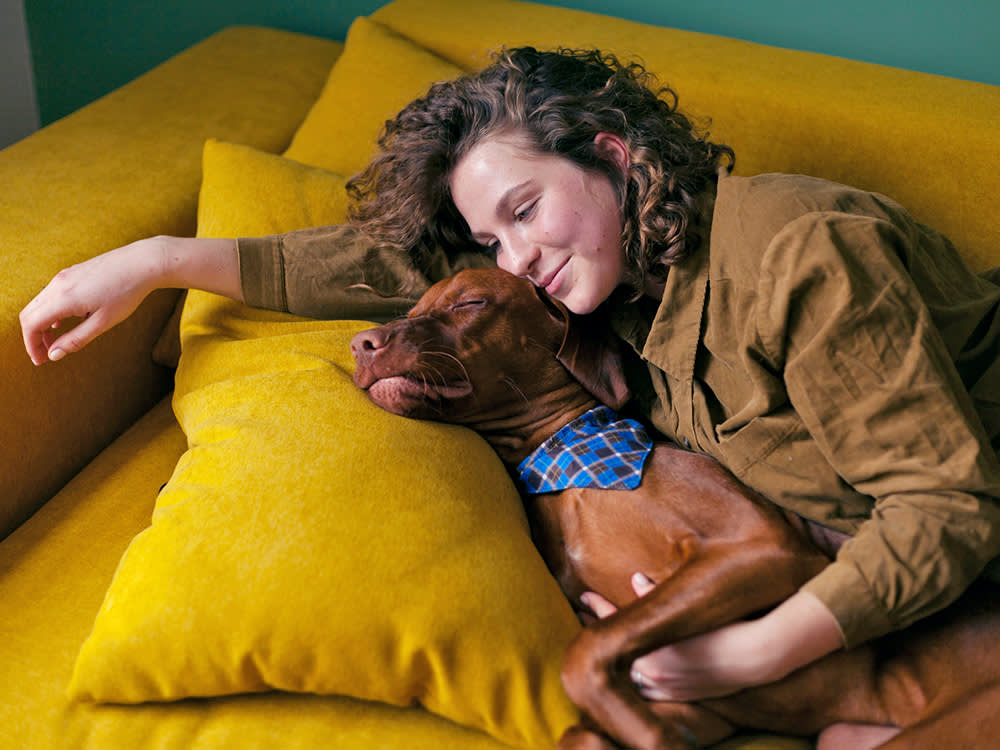
We tell our dogs we love them constantly. Fifty times a day, in a voice we’d use with nobody else, cupping their face and repeating it until they squirm away. And underneath all that noise sits a question most owners have asked silently and never out loud: is any of it landing? Not do they love me back — that one we’re confident about. The harder one. Do they have any idea how much? The honest answer disappoints at first and then, if you follow it all the way down, sets you free, because it points toward a way of loving your dog that’s actually better for the dog.
Here’s the answer, and then the reframe that makes it good news.
The cognitive ceiling
A dog’s cognitive ability is often compared to that of a roughly two-year-old child. That comparison sets a real limit: a two-year-old can’t step back and think, “this person loves me, and I appreciate that they love me,” and neither can a dog. The abstract, quantitative idea of “how much,” the depth of devotion, the willingness to sacrifice, is simply above the cognitive equipment. Your dog will never grasp that the $30 sweater was chosen over the $8 one as an act of devotion, and no dog has ever lain awake taking the measure of what its person feels.
If that stings, sit with the reframe rather than the disappointment. Your dog will wag their whole body when you walk in the door. You can have a profound bond with an animal without demanding they perform a mental feat they’re incapable of. The relationship doesn’t need your dog to understand love in human terms to be real. It just needs you to stop requiring that they do.
But do dogs love us? Almost certainly, in their own way
Flip the question. Maybe dogs can’t quantify our love, but do they love us? Everything points to yes. Oxytocin, the bonding hormone, surges in both dogs and humans when we spend affectionate time together or gaze into each other’s eyes, the same neurochemical loop that binds human relationships. Canine cognition researchers have described dogs as, essentially, hopelessly fond of us, hypersociable, socially preoccupied, excessively affectionate, or, if you’d rather use the plain word, loving. The honest scientific caveat is that it’s hard to confirm an abstract, human concept like “love” in a species that can’t tell us what it feels. But by their behavior, dogs are about as clearly devoted to us as an animal can be.
Why the anthropomorphism can quietly hurt your dog
This is the part that turns a philosophical answer into a practical one. The trouble starts when we assume our dogs share our understanding of love, because that assumption changes how we interpret their behavior, sometimes to the dog’s detriment.
Picture the classic scenario: you come home to a shredded pillow or a chewed door frame, and the thought lands, “how could you do this when you know how much I love you?” But your dog didn’t destroy anything to send a message about your love. They were anxious, or bored, or frightened, and they expressed it in the only vocabulary they have. Reading it as betrayal, as a dog who “should know better,” turns a normal, treatable behavior problem into a personal wound, and it can push an owner toward frustration with an animal who did nothing but feel bad while alone.
“The most damaging sentence I hear is ‘he knows better,’” says Dr. Mara Chen. “He doesn’t. He can’t. When a dog chews or paces or has an accident while you’re gone, that’s an emotional state looking for an exit, not a judgment on your relationship. The dogs do best when their owners drop the idea that behavior is a report card on love and treat it as information about how the dog is feeling.”
Even a behavior as sweet as a morning face-lick isn’t quite the greeting card we imagine. Puppies lick at the corners of their mother’s mouth to prompt her to bring up food, so a lick can carry an old, functional echo, though plenty of licking really is just affection. The point isn’t to strip the tenderness out of these moments. It’s to stop projecting a human script onto them and misreading your dog when the script breaks.
How to actually love your dog, in their language
So what do you do with all this? You love your dog in terms they can receive. Actions, not declarations. If an activity makes your dog’s life genuinely better, they’ll be more content, and their contentment is the real measure, not whether they understand your loyalty.
Concretely, the things that land as love to a dog look like this: two or three daily walks so they can explore the world through their nose; regular outings to a park, trail, or dog park; mentally stimulating play and puzzles at home, from fetch to snuffle-style “hunting” for food; positive-reinforcement training that lets them learn and succeed; agility or similar outlets for high-energy dogs; and comfortable, cozy spots around the house that tell them this is a safe place to rest. A high-pitched, warm “baby” voice genuinely helps too; that cadence signals approachability to dogs and strengthens the bond, which is a small, free thing you can do a dozen times a day. Layer a healthy diet and regular veterinary care on top, and you’ve said “I love you” in the only language your dog was ever going to fully understand.
What newer research adds
The science on the dog-human bond keeps reinforcing the same shape: strong evidence for deep attachment and shared bonding chemistry, and steady caution about reading complex human concepts into a dog’s inner life. Cognition researchers writing in recent years continue to land on “fondness so intense it’s fair to call it love,” while stressing how hard it is to prove an abstraction in a nonverbal mind. For owners, that convergence is oddly liberating. You don’t have to win an argument about whether your dog comprehends your devotion. You just have to keep showing up in ways your dog can feel, and let their contentment be the answer.
Common questions
Do dogs understand the concept of love?
Not the way we do. A dog's cognition is often compared to a young toddler's, so they can't grasp the abstract idea of 'how much' you love them. But they clearly experience strong bonds, comfort, and attachment.
Do dogs love us back?
By any reasonable read of their behavior, yes. Oxytocin, the bonding hormone, rises in both dogs and humans during affectionate contact and mutual gaze, and dogs are powerfully, demonstrably attached to their people.
Why does believing my dog understands love matter?
Because assuming they think like us can backfire. Owners who believe a dog 'knows better' may take normal behaviors, like chewing when left alone, as betrayal, when the dog is just expressing anxiety or boredom the only way they can.
Dr. Solis is a board-certified veterinary dermatologist with over twelve years of clinical experience. She advises on skin conditions, allergies, and grooming practices that affect coat and skin health. All dermatology and allergy content at The Pet Times is reviewed by her team before publication.
Meet our experts ↗Keep reading
 TrainingThat 'Guilty Look' Isn't Guilt. It's a Read on You.Dr. Nina Kohl · 7 min
 LivingThere's No National Dog-Barking Law. Here's What Actually Gets You FinedSasha Ford · 11 min
 TrainingYour Dog Doesn't Just Smell Your Stress. They Catch ItDr. Mara Chen · 6 min
 Health & WellnessDog Saliva Doesn't Heal Wounds. It Delivers Bacteria.Dr. Priya Nair · 8 min
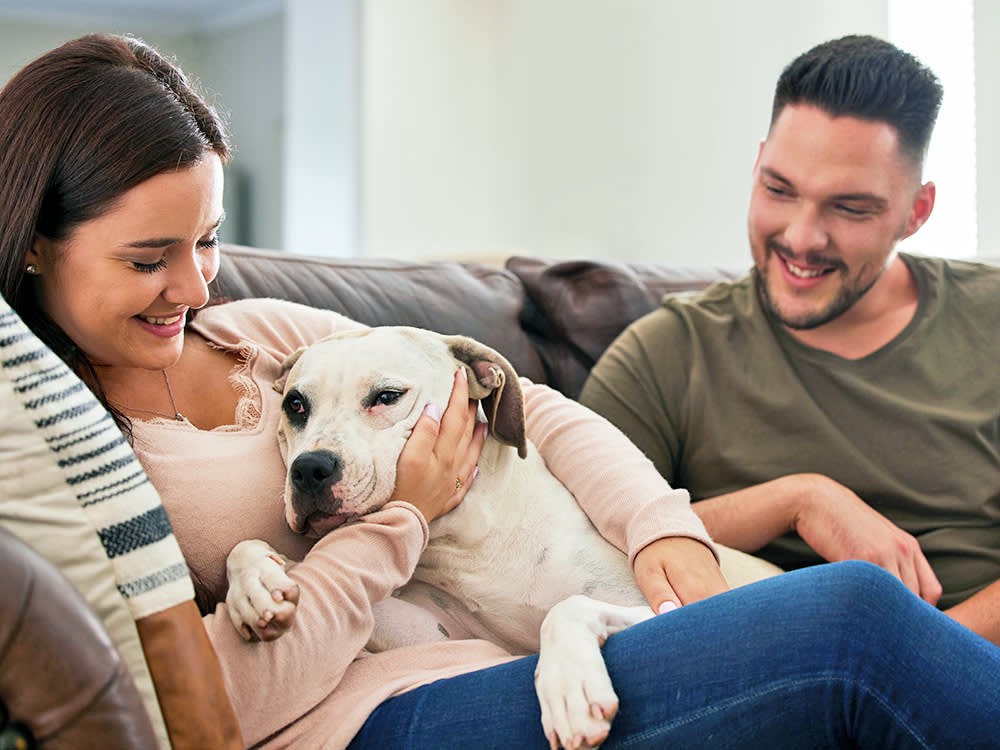 TrainingYour Dog's Love Language Isn't About Their Breed. Not Really.Sasha Ford · 8 min
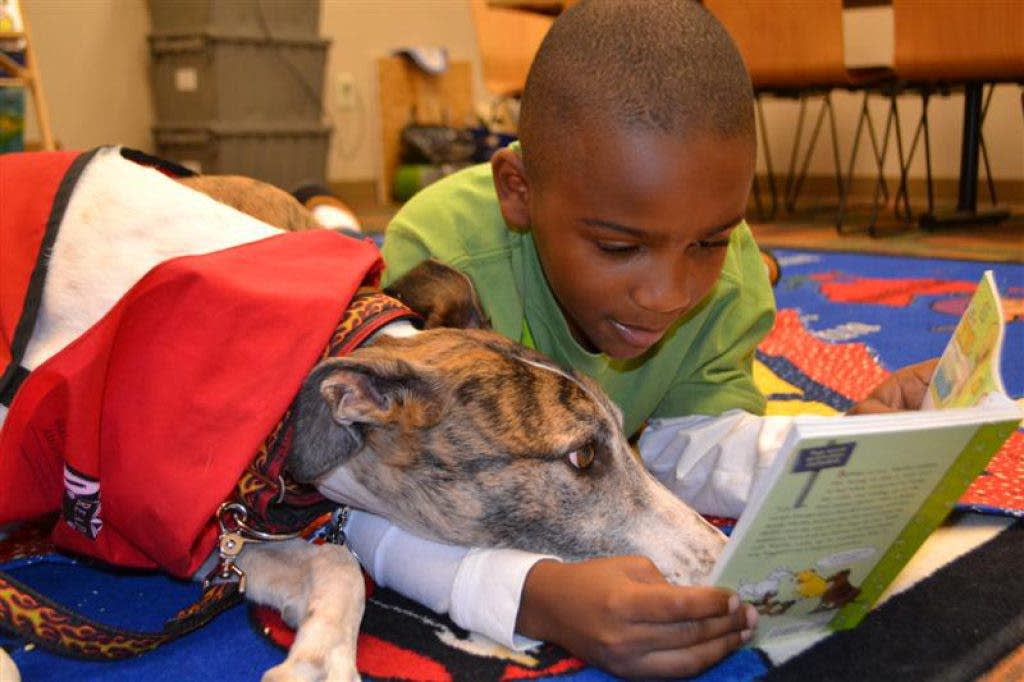 TrainingA Therapy Dog Isn't a Service Dog. Here's Where They Do Their Best Work.Sasha Ford · 7 min