


Your Dog Outranks Your Best Friend, According to Science
A study out of Hungary found people rate their bond with their dog as more satisfying than almost every human relationship in their life. The reason why is oddly flattering to dogs.
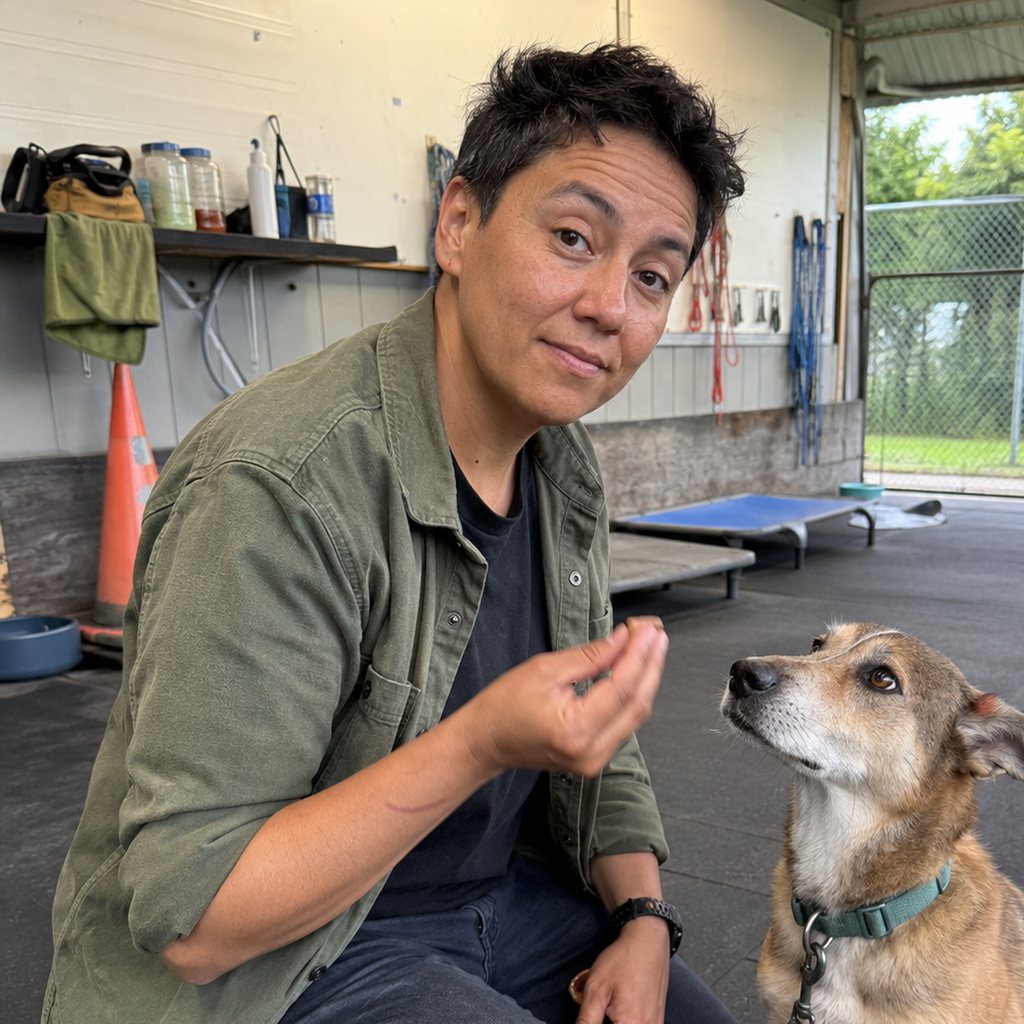
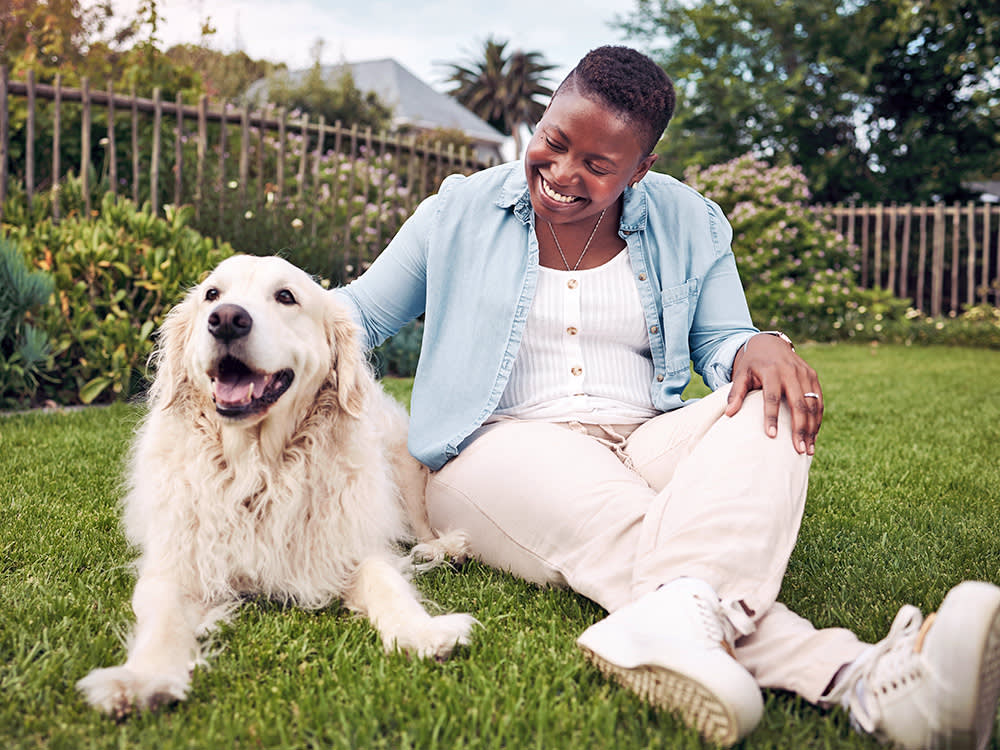
You already suspected it on the nights your dog was thrilled to see you and your group chat went dark. Now there is research to back you up. When people rank the relationships in their lives by satisfaction, their dog lands near the very top, ahead of close friends, ahead of partners, beaten only by their own children.
That is the striking finding from a study out of Eötvös Loránd University in Hungary, published in the journal Scientific Reports. And the interesting part is not just that people love their dogs, which we knew, but why the bond scores so highly. It turns out a dog offers a particular combination of things that human relationships rarely deliver all at once.
What the researchers found
The team asked dog owners to score how they felt about their dog alongside their four closest human relationships. Across the board, owners reported drawing more support from their dogs than from any human partner except their child. Dogs also scored high on companionship and gave their people frequent chances to be nurturing, the caretaking pleasure of being needed.
Then there is the part that sounds almost unromantic when you say it plainly: dogs come with far less drama. Because owners largely run the show in a dog’s life, the relationship lacks the constant negotiation and friction that human bonds carry. The researchers described it as a more lopsided power dynamic than the ones we have with other people, and, counterintuitively, that imbalance is part of the appeal.
Put those pieces together and the bond starts to look like a blend of two very different human relationships. It carries the protective, nurturing love you feel for a child, combined with the easy, low-conflict comfort of a good friendship, with the added twist that you hold most of the control.
“What I love about this study is that it doesn’t say dogs replace people. It says they offer something people usually can’t, all in one relationship,” says Dr. Nina Kohl. “There’s genuine intimacy, but almost no interpersonal conflict, and that combination is rare. It doesn’t mean your friendships matter less. It means the dog is filling a slightly different emotional slot.”
The details worth knowing
A few specifics keep the finding honest. The study drew on responses from more than 700 dog owners, gathered across two separate stretches of time, one earlier in the 2010s and one in the early 2020s, so it is not a one-off snapshot.
The researchers were also careful about the limits of their own data. The people who volunteer for a study about their dogs are, almost by definition, people who feel good about their dogs, so the group likely skews toward happier-than-average relationships all around. And notably, the team did not find that the dog bond was strongest in people with weaker human relationships. In other words, this is not a story about lonely people substituting a pet for human connection. It reads more like dogs adding something to already-social lives than plugging a hole in isolated ones.
Why it rings true
Humans are complicated, and even the people we love unconditionally come with a running tab of small social work: Did I ask enough about their day? Did I remember the thing I was supposed to remember? A dog short-circuits all of that. If your dog’s body language says they are happy, there is not much left to decode and even less to worry about.
None of this means it is time to cancel on your friends and stay home with the dog. The more useful takeaway is that the affection you feel for your pet is not silly or lesser, it is a genuine, measurable form of connection that does something distinct for your wellbeing. Your friends can rest easy. There is plenty of love to go around. It is just, as any dog owner will tell you, a different kind.
References
- Turcsán, Borbála, et al. “Similarities and differences between dog–human and human–human relationships.” Scientific Reports, 2025.
- Eötvös Loránd University, Department of Ethology. Research summary. ethologia.elte.hu.
Jordan Ellis is a certified professional dog trainer with a decade of experience working with rescue organisations and private clients. They specialise in anxiety, reactivity, and positive reinforcement methods, and review all training and behaviour content at The Pet Times.
Meet our experts ↗Keep reading
 TrainingYour Dog Knows You're Coming Home. It's Smelling Time Pass.Dr. Mara Chen · 5 min
 TrainingLoving People Doesn't Make a Therapy Dog. The Real Bar Is Higher, and KinderDr. Nina Kohl · 11 min
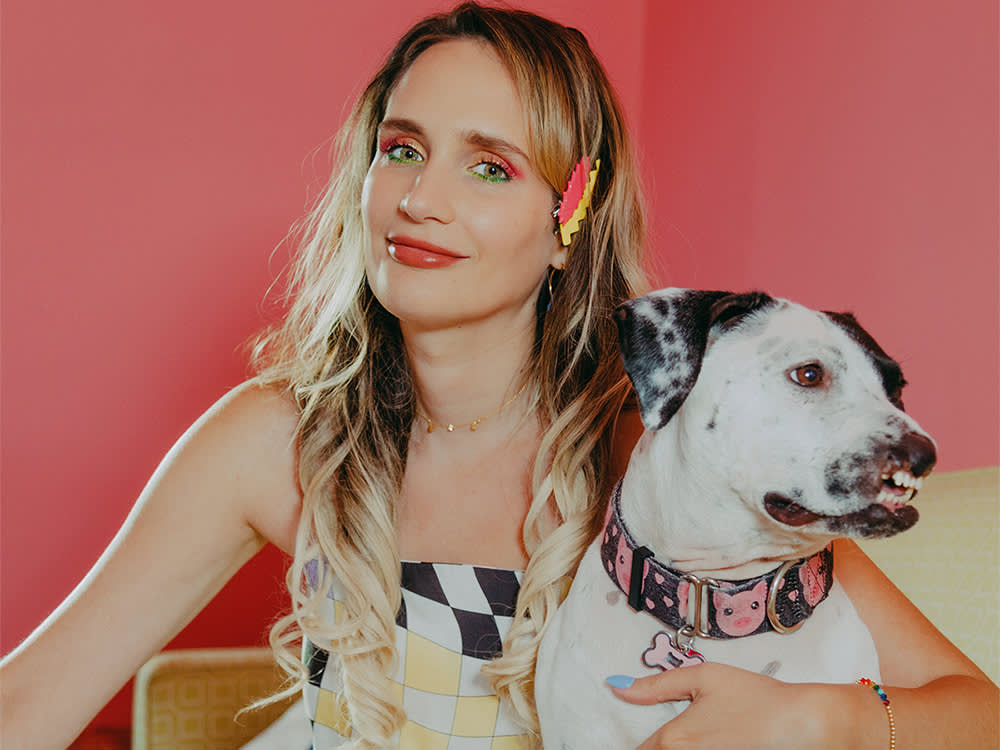 LivingA Dog With No Nostrils Became Philadelphia's Most Famous RescueLeila Torres · 6 min
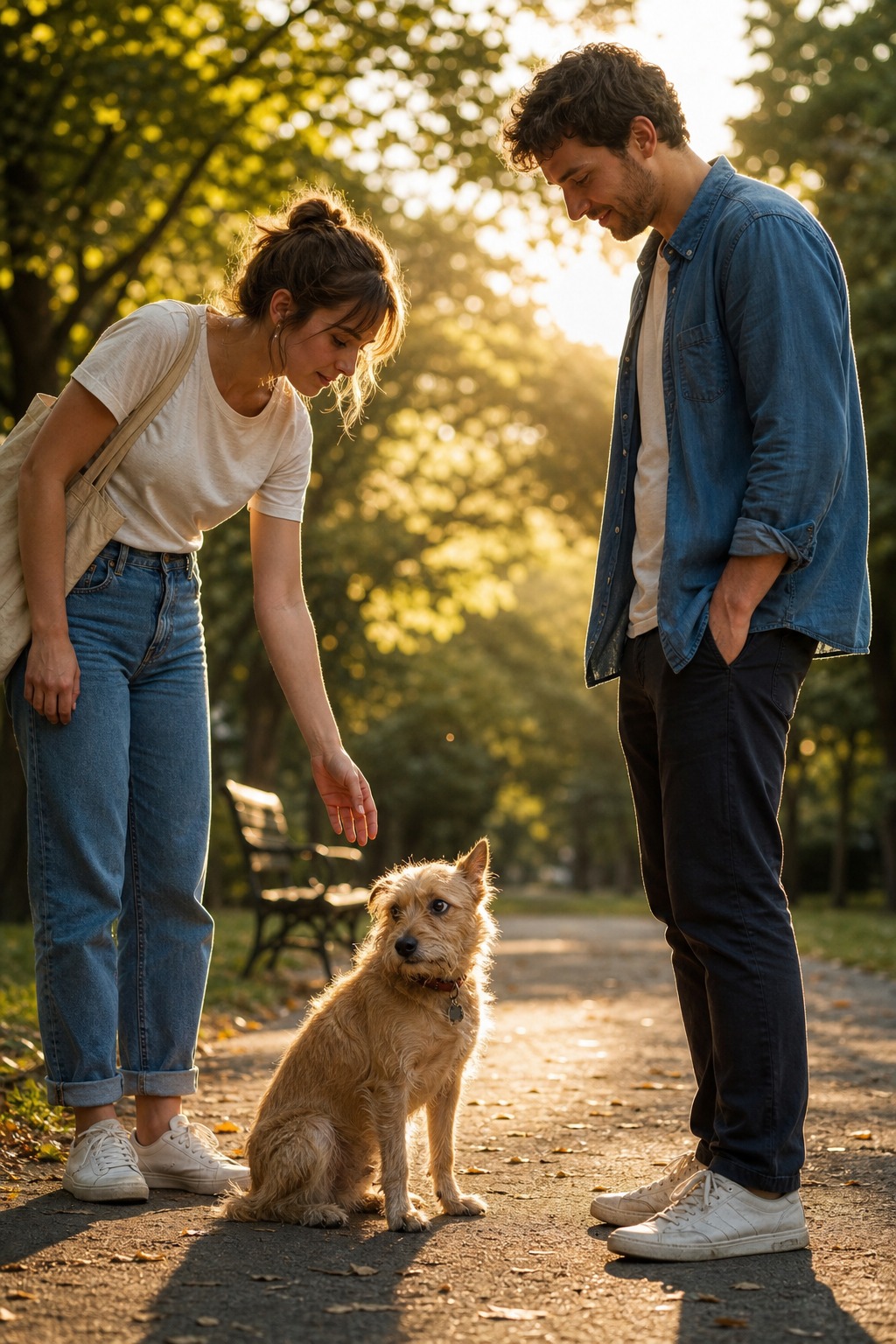 LivingYour Dog Isn't a Character Judge. But Their Cold Shoulder Still Means Something.Sasha Ford · 6 min
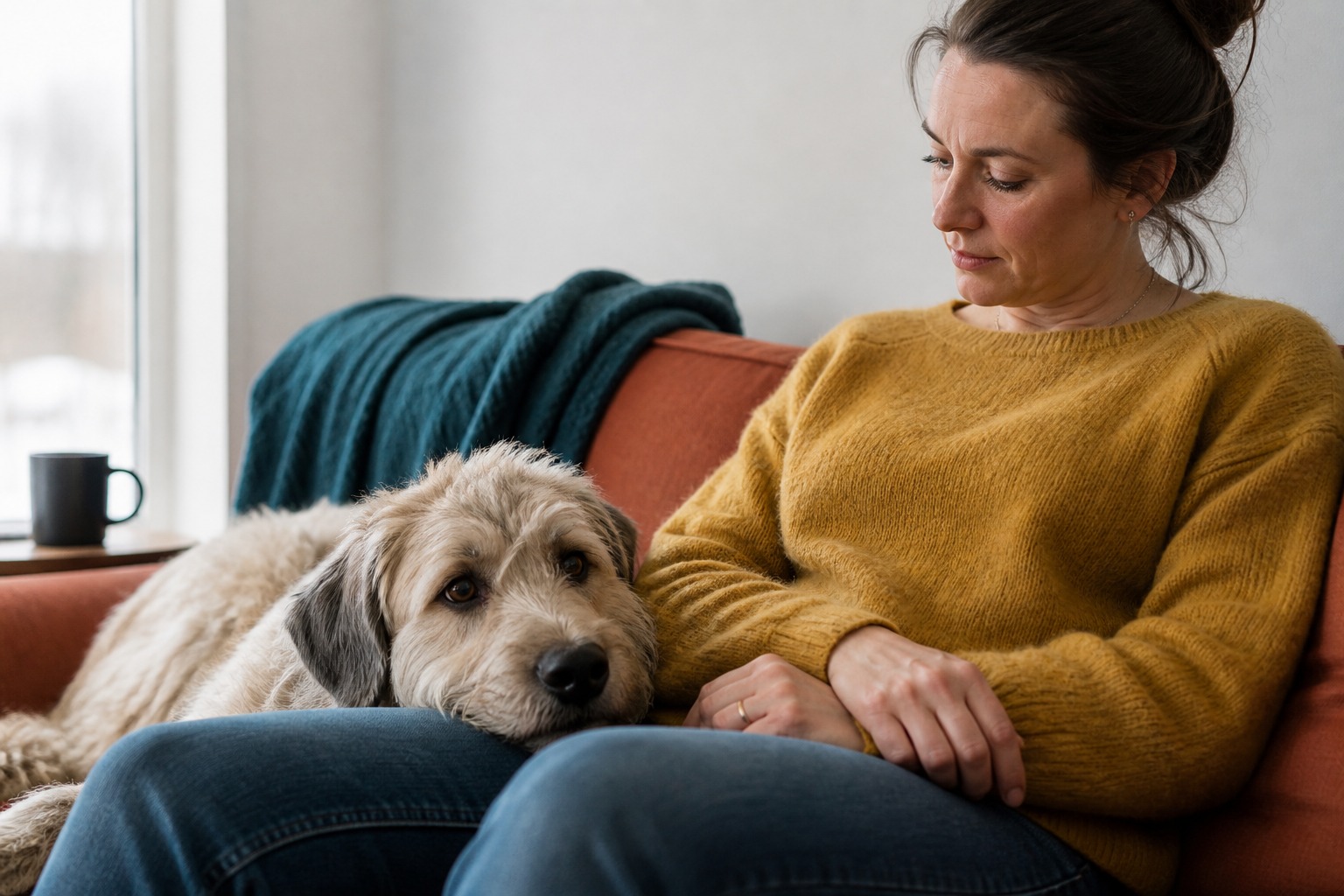 TrainingYour Dog Isn't Catching Your Sadness. They're Catching Something TrickierDr. Priya Nair · 7 min
 LivingYour Dog Has a Love Language. You're Probably Speaking the Wrong One.Leila Torres · 7 min