


Shadow Chasing in Dogs: Where the Line Between Quirk and Compulsion Really Is
Chasing shadows can be a harmless game or the first sign of canine compulsive disorder. Here's how to tell the difference, and what actually works to pull a dog back from the edge.

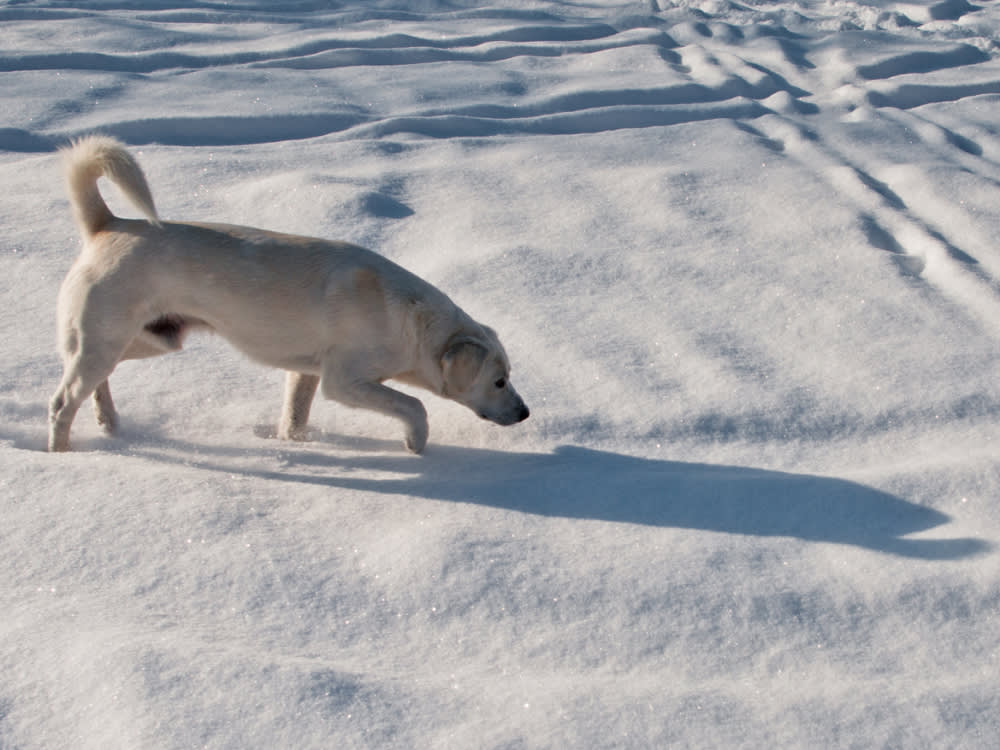
Most advice about shadow chasing answers the wrong question. It asks why dogs chase shadows and stops there, as if the behavior were one thing. It is not. The same chasing can be a perfectly healthy outlet for a high-drive dog or the opening symptom of a genuine neurological disorder, and the entire job of a worried owner is to figure out which one they are looking at. That distinction, not the cause, is what determines whether you relax or act.
I see both versions in my behavior practice, and the dogs can look nearly identical on a casual afternoon. The difference shows up in the details: whether your dog can stop, whether they go looking for shadows when none are around, and whether the habit is quietly taking over their day. Get the read right and you will know exactly how hard to push.
The quirk and the disorder are two different animals
A dog who pounces on the shadow of a thrown ball, then trots off to drink water and flop on the couch, is playing. The predatory sequence (eye, stalk, chase, grab) ran its course and switched off. That dog is fine.
Canine compulsive disorder, or CCD, is what happens when that sequence stops switching off. The dog fixates on lights and shadows with no real target, cannot self-interrupt, and returns to it again and again even when there is nothing there. A telling example I hear constantly: the dog who stands in the yard on an overcast day, staring at the exact spots where shadows usually fall, waiting for them. That is not a game anymore. That is a brain stuck in a loop.
This is not a soft, metaphorical “obsession.” CCD is a recognized disorder with a measurable biological signature. Researchers at Tufts and the University of Massachusetts have linked compulsive behavior in dogs to a mutation in the CDH2 gene on chromosome 7, with a second gene on chromosome 34 influencing how severe it gets. Neuroimaging studies have found that affected dogs have lower serotonin-receptor binding in the brain than unaffected dogs, the same neurochemical fingerprint seen in human obsessive-compulsive disorder. Your dog is not being dramatic or stubborn. Something is genuinely different in how their brain handles arousal.
A quick self-test before you worry
Run your dog through these questions honestly:
- Can you interrupt the chasing with a normal cue, a toy, or a treat, or does your dog blow right past you?
- Does your dog initiate the behavior on their own, hunting for shadows, or only respond to one that appears?
- Do they keep at it when there is nothing to chase (cloudy days, dim rooms)?
- Is it crowding out eating, sleeping, walks, or interaction with you?
- Is it getting worse over weeks, not staying flat?
A “yes” to one of these, especially the first, is worth watching. Two or more, particularly an inability to stop, means it is time to call a veterinary behaviorist rather than wait it out. This problem has a strong tendency to escalate when left alone, and earlier intervention is dramatically easier than later.
Who is most at risk, and what lights the fuse
Light and shadow chasing turns up most in high-energy, high-drive dogs, and the cases I see overwhelmingly involve herding and hunting breeds from working lines: Border Collies, Australian Shepherds, English Shepherds, and the occasional intense terrier or pointer. It commonly emerges in adolescence, that volatile window between roughly six months and two years when a working brain has more drive than outlet.
There is one trigger worth singling out because so many owners create it by accident: the laser pointer. A laser is the perfect compulsion machine. It moves like prey, it fires the chase circuit hard, and the dog can never, ever catch it, so the sequence never resolves and the brain never gets its “done” signal. For an at-risk dog, that is how a fun ten minutes becomes a months-long fixation on every flicker of light in the house. If your dog has any tendency toward shadow chasing, retire the laser completely.
What actually helps, in order
Manage the environment first. You cannot abolish light and shadow, but you can lower the dose. Hang darker or heavier curtains, spend downtime in the rooms with the steadiest light, and put away the worst offenders, mirrors, hanging crystals, anything that throws moving reflections. Reducing exposure is not a cure, but it shrinks the number of times the loop gets to run, and every rep you prevent is one the behavior cannot rehearse.
Interrupt and redirect, never punish. When the chasing starts, calmly break it and steer your dog onto something with a real, catchable payoff: a game of tug, a flirt pole, a fetch toy, a stuffed and frozen food toy, a short training burst. The interruption should distract, not frighten. Punishment is genuinely counterproductive here, because fear and stress raise arousal, and arousal is the fuel the compulsion runs on. You would be feeding the fire you are trying to put out.
Spend the drive on purpose. An hour-long walk is plenty for many dogs and nowhere near enough for a young, intense one drawn to motion. These dogs need real aerobic work, off-leash running, fetch, swimming, ideally split across two sessions a day, plus deliberate mental load: trick training, scent games, food puzzles, a class. Tiring the body helps; tiring the mind often helps more. A working brain with a job is far less likely to invent one.
Look at diet and routine. A predictable daily structure lowers baseline stress, and in some dogs a diet change genuinely helps. It is low-risk and worth trying alongside everything else.
When it is a medical problem, treat it like one
If the behavior is escalating or eating into your dog’s quality of life (or yours), this is no longer a training project, it is a clinical one, and the good news is that it responds well to real treatment. The current standard of care pairs structured behavior modification with medication, most often fluoxetine, a selective serotonin reuptake inhibitor.
Owners often wait too long because they hope a dog will simply grow out of it. With true compulsive disorder, the opposite usually happens. The earlier we combine medication with a behavior plan, the more completely these dogs come back to themselves.
In published treatment studies, fluoxetine dosed at roughly 1 to 2 mg per kilogram once daily, paired with a behavior-modification program, produced meaningful drops in both the intensity and frequency of compulsive episodes within about three months. (Dosing and the decision to medicate are your veterinarian’s call, not something to attempt on your own.) A veterinary behaviorist can also rule out medical contributors and tailor the behavior plan to your specific dog.
Shadow chasing is not a verdict. Plenty of dogs play with shadows their whole lives and never tip over. The point is simply to know which dog you have, so you can either let them enjoy the game or get them help before the loop closes for good.
This article is for general information and is not a substitute for veterinary advice. If your dog’s behavior worries you, talk with your own veterinarian or a board-certified veterinary behaviorist. Shadow chasing and compulsive disorders can be distressing to watch; you are not overreacting by asking for help.
References
- Dodman, N. H., et al. “A canine chromosome 7 locus confers compulsive disorder susceptibility.” Molecular Psychiatry, 2010. https://www.nature.com/articles/mp200976
- Tang, R., et al. “Candidate genes and functional noncoding variants identified in a canine model of obsessive-compulsive disorder.” Genome Biology, 2014. https://genomebiology.biomedcentral.com/articles/10.1186/gb-2014-15-3-r25
- Ogata, N., et al. “Brain structural abnormalities in Doberman pinschers with canine compulsive disorder.” Progress in Neuro-Psychopharmacology & Biological Psychiatry, 2013. https://www.sciencedirect.com/science/article/abs/pii/S0278584613000651
- Irimajiri, M., et al. “Randomized, controlled clinical trial of the efficacy of fluoxetine for treatment of compulsive disorders in dogs.” Journal of the American Veterinary Medical Association, 2009. https://avmajournals.avma.org/view/journals/javma/235/6/javma.235.6.705.xml
- “Canine Compulsive Disorder: Diagnosis, Treatment, and Management.” Clinician’s Brief. https://www.cliniciansbrief.com/article/canine-compulsive-disorder
Common questions
Is it bad for my dog to chase shadows?
Not always. Occasional, easily-interrupted chasing during play is usually harmless. It becomes a problem when your dog seeks out shadows or lights on their own, struggles to stop, ignores food or people to keep doing it, or keeps going on cloudy days when there is nothing actually there. Those are the signs it is shifting from a quirk toward canine compulsive disorder.
What breeds are most likely to chase lights and shadows?
High-drive herding and hunting breeds from working lines are most prone to it, including Border Collies, Australian Shepherds, English Shepherds, and some terriers and pointers. The behavior often surfaces in adolescence, between roughly six months and two years.
Should I use a laser pointer with a dog who chases shadows?
No. Laser pointers are one of the most common triggers for light- and shadow-chasing compulsions because the dog can never catch or "kill" the target, which leaves the predatory sequence unresolved. If your dog already chases shadows, retire the laser entirely and use toys they can actually catch.
When should I call a vet about shadow chasing?
Book a behavior consult if the chasing is escalating, happening daily, hard to interrupt, or crowding out eating, sleeping, or normal interaction. Ask specifically for a veterinary behaviorist. Compulsive disorders respond best to a combined plan of environmental management, behavior modification, and, in many cases, an SSRI such as fluoxetine, all of which a vet needs to direct.
Dr. Kohl is a board-certified veterinary dentist with a particular interest in preventive oral care. She reviews all dental health content at The Pet Times and contributes practical guides on home dental routines, professional cleaning, and oral disease prevention.
Meet our experts ↗Keep reading
 TrainingYour Reactive Dog Can't 'Settle.' Stop Asking and Give Them a Job.Dr. Mara Chen · 8 min
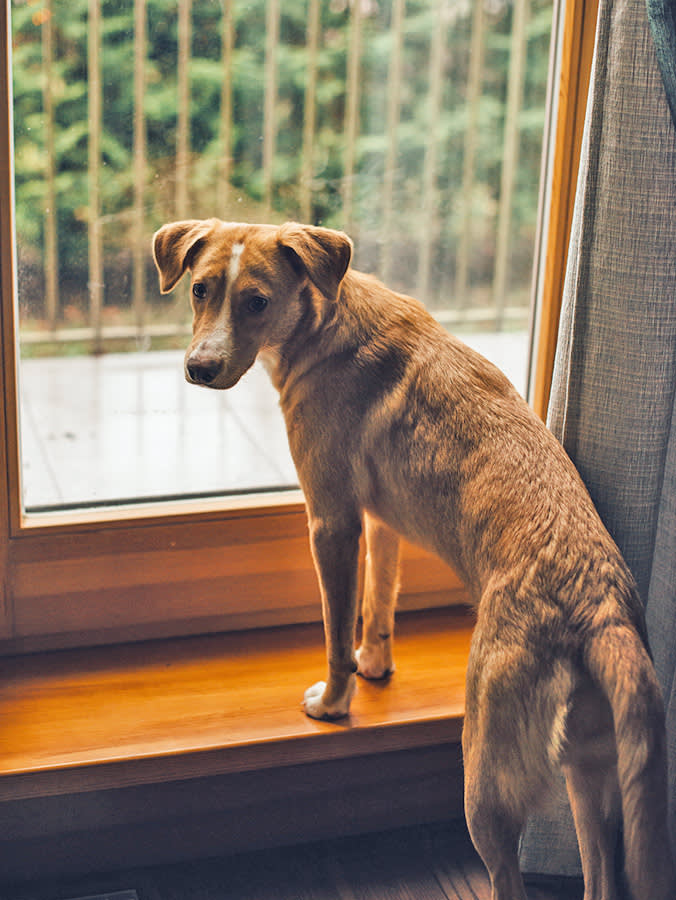 TrainingThe Stuffed Kong Won't Save You: 7 Lies About Separation AnxietyDr. Amara Solis · 9 min
 TrainingYou Can't 'Cry It Out' a Dog. The Baby Advice Falls Apart Here.Dr. Lena Park · 5 min
 TrainingThat Friendly On-Leash Hello Is Teaching Your Dog to Melt DownDr. Amara Solis · 6 min
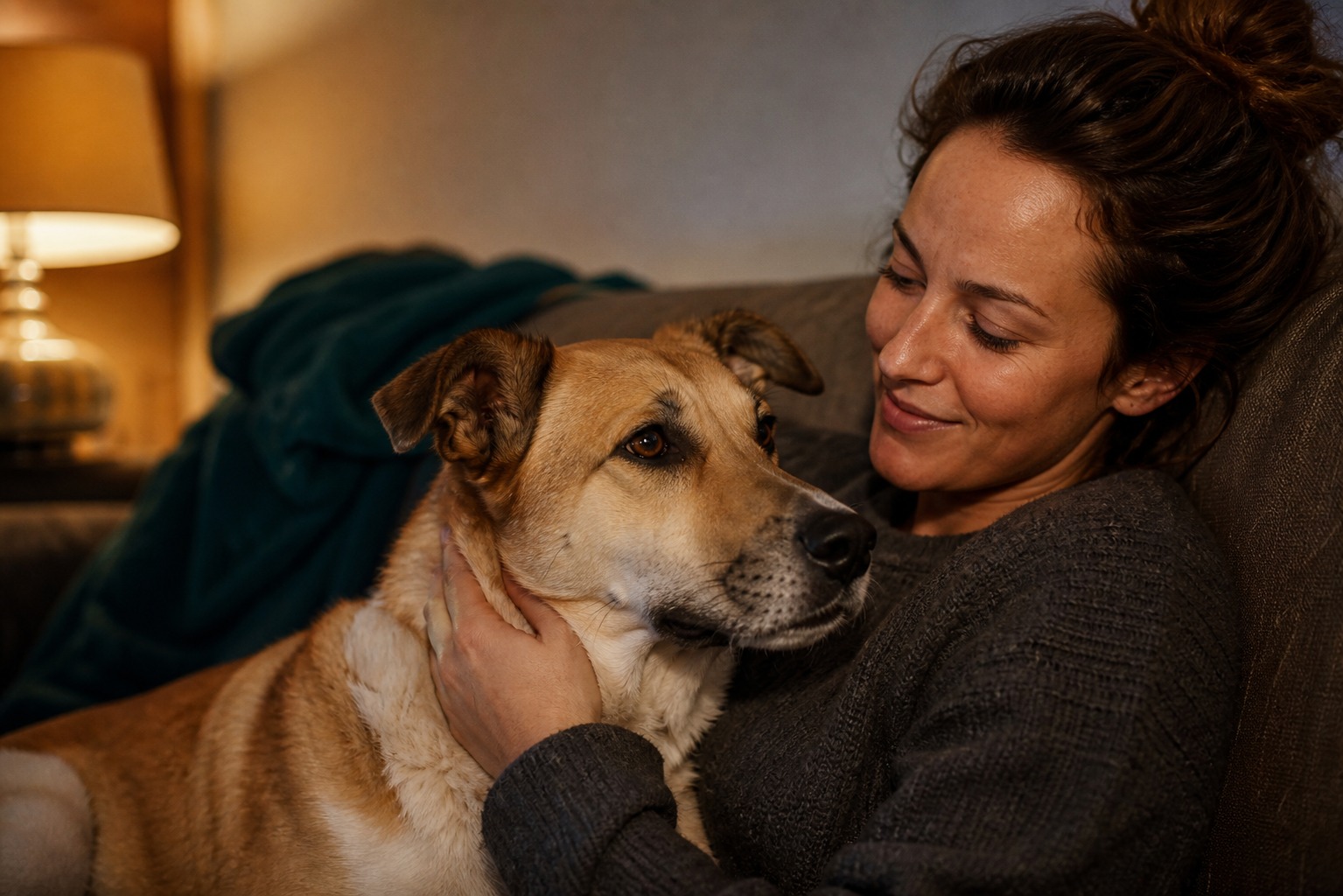 TrainingWhat Corook's Anxious Rescue Dog Taught Them About Doing LessDr. Mara Chen · 9 min
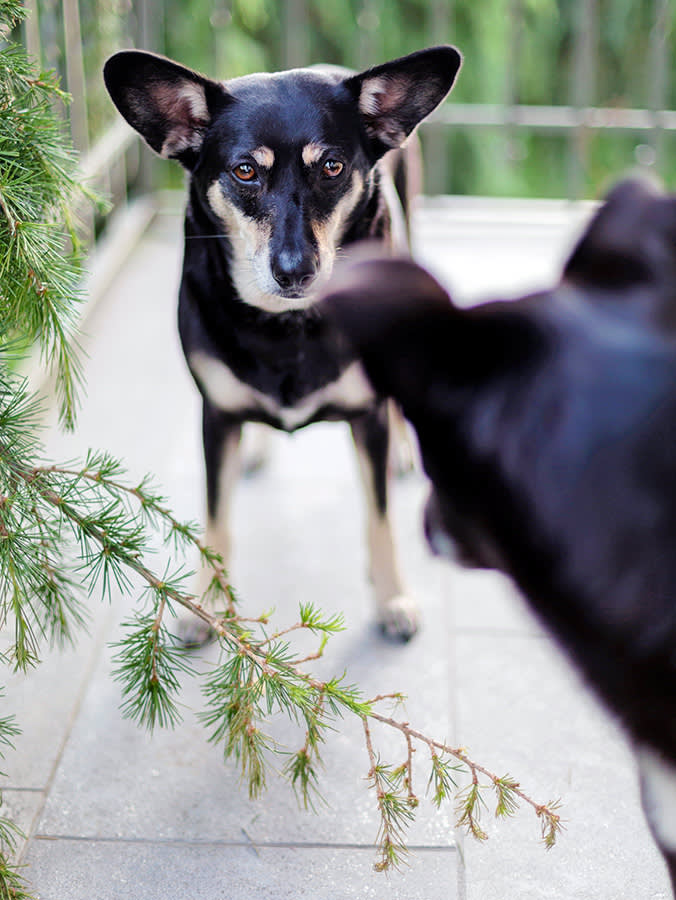 TrainingAggression Is Not Dominance. It's a Request for Distance That You Missed.Dr. Mara Chen · 11 min