


Your Dog Doesn't Need a Longer Walk. It Needs These 6 Running Games.
Exhaustion isn't the goal, engagement is. Six short running games that burn real energy, sharpen recall, and don't require you to hike five miles you don't have time for.

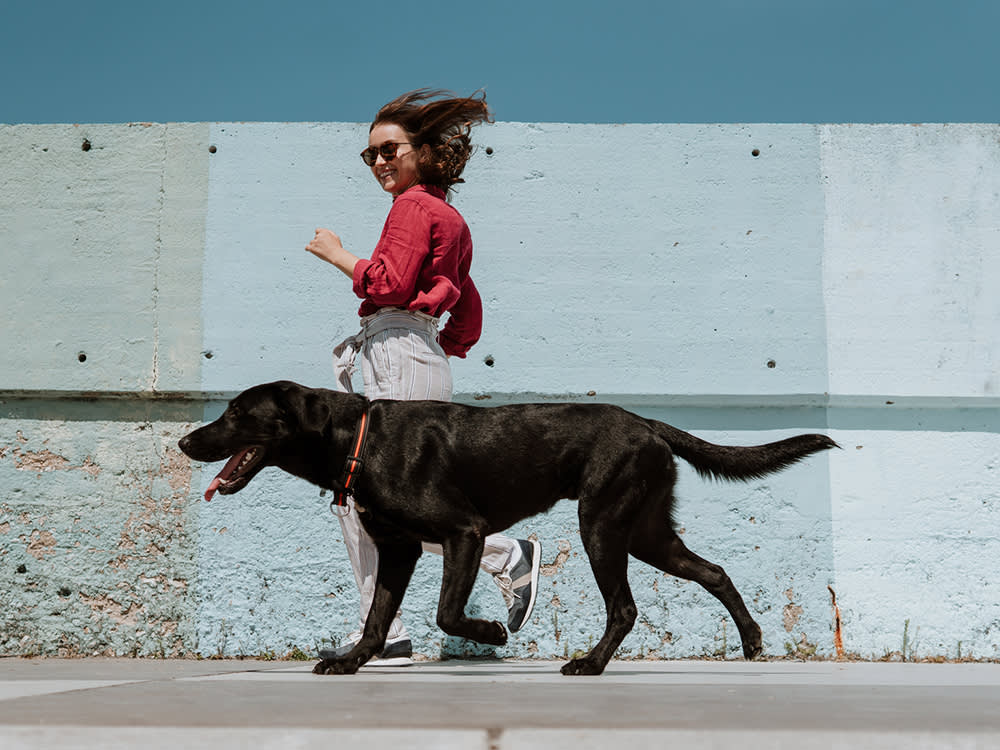
Somewhere along the way, “my dog has energy” turned into “I must walk my dog for an hour.” But distance is a slow, boring way to spend a dog’s fuel, and it spends yours too. What actually drains a dog is engagement: fast, unpredictable, brain-on movement where they have to track you, make decisions, and win. A few sharp minutes of that beats a long slog around the block, and you can do it in a backyard, a hallway, or the length of a quiet street.
The bonus is that every game here doubles as training. You’re building recall, impulse control, and focus while your dog thinks you’re just playing. Here are six to rotate through.
1. Chase Me
The simplest one on the list, and the one people get backwards. You run; your dog chases you. Get their attention with a clap or a kissy noise, then take off away from them so they give chase. When they close to within a few feet, spin around and reward, a treat or a tossed toy. Cutting it off before they actually catch you keeps this from curdling into a “nip the back of your leg” game, which the heelers and other herders of the world are always happy to invent.
One hard rule: never flip it into “chase the dog.” Running at your dog to catch them teaches them that your approach means the fun is ending, and it quietly wrecks their recall. You chase them, you’re training them to flee you. Keep yourself the one being chased.
2. The Countdown
This one folds obedience and self-control into a sprint. Teach three cues tied to three actions: your dog drops into a down on “on your mark,” pops into a play bow on “get set,” and launches into a run with you on “go.” It takes a few short sessions to build the associations, but the payoff is a dog who can hold a coiled, excited stay and then explode on release, which is impulse-control gold dressed up as a race. It is also, frankly, adorable to watch.
3. Fartlek
Runners borrowed this from Swedish training, where fartlek means “speed play”, short bursts of speed woven into a steady run. Play it with your dog by surging a few strides ahead; most dogs will happily kick up to match you. Then drop back to a walk. Recover, then surge again and repeat. The stop-start intervals tire a dog far faster than a constant pace, and the unpredictability keeps them locked onto you. (And yes, serious athletes giggle at the word too.)
4. Hard to Get
A short keep-away that kickstarts play. Wave, bounce, or squeak a toy to hook your dog’s attention, then jog away from them with it. The trick is timing: the tease is the spark, not the whole fire. Play keep-away too long and you don’t get more excitement, you get a frustrated, then annoyed, dog. Let them win the toy while the game is still fun, and you can use that win to launch into another round.
5. Zig-Zag
Dogs find unpredictable humans fascinating, so become one. Grab a fistful of treats to draw your dog in beside you, then peel away, and change speed and direction constantly so they can never guess your next move. Run five steps, drop into a slow jog for ten, then reverse hard and sprint the other way. Praise and treat every time your dog lands back at your side. The point is to keep them guessing, which keeps them glued to you, which is the whole skill you actually want on a real walk.
6. Recall Ping-Pong
The best two-person game there is, and a genuine recall builder. Stand twenty or thirty feet apart with a person at each end and take turns calling the dog, “come!”, rewarding hard with a treat or toy every time they arrive, then sending them bolting to the other person for the same. The dog sprints back and forth, gets a huge amount of running in a small space, and practices the single most important cue they’ll ever learn, all while it feels like a party. Widen the gap as they warm up. Solo version: toss a treat away from you, and the instant your dog trots back, call them and reward, so every return is a mini recall.
Owners think a tired dog needs a long walk, but a dog’s brain burns energy faster than its legs do. Ten minutes of a game where they have to chase, stop, and think will settle a dog that a boring half-hour march barely touches, and you’re training recall at the same time.
A few safety notes
Warm up on hard sprints, especially with young dogs whose growth plates are still closing and with flat-faced breeds that overheat quickly. Play on grass or dirt rather than hot pavement, keep water handy, and stop while your dog still wants more, ending on a win keeps them eager for next time. And read your dog: happy-loose is the goal, not frantic or overwhelmed.
References
Dr. Solis is a board-certified veterinary dermatologist with over twelve years of clinical experience. She advises on skin conditions, allergies, and grooming practices that affect coat and skin health. All dermatology and allergy content at The Pet Times is reviewed by her team before publication.
Meet our experts ↗Keep reading
 LivingDon't Teach Your Dog to Swim. Teach Them to Get Out.Dr. Priya Nair · 8 min
 TrainingThe Cue That Beats Your Dog to the Chicken BoneDr. Nina Kohl · 8 min
 TrainingYour Dog Doesn't Need a Muzzle. Train Them for One Anyway.Dr. Mara Chen · 7 min
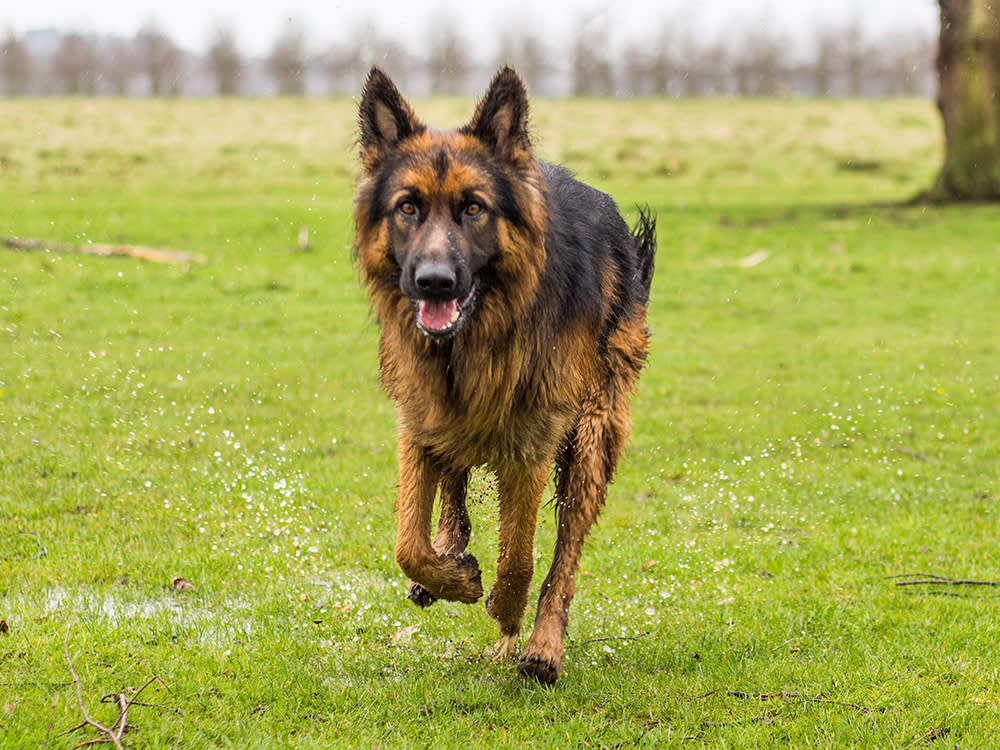 Health & WellnessA Man Shot a Dog for Running at Him. He Was Never Charged.Marcus Webb · 8 min
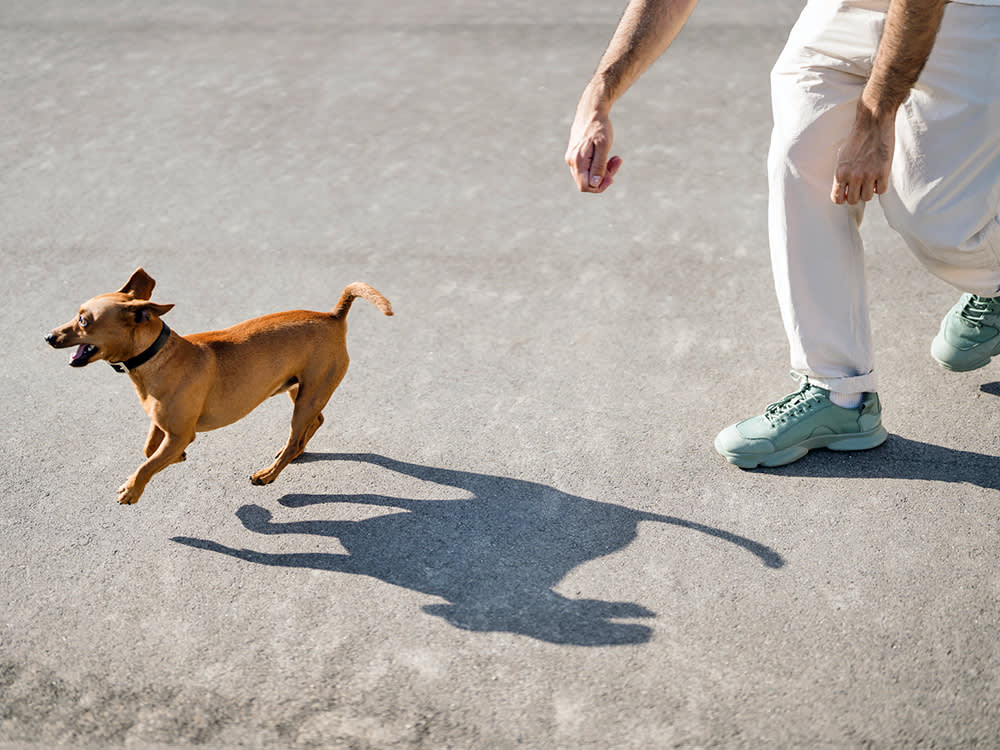 TrainingThe Viral 'Run Away From Your Dog' Trick Works. You Get to Use It Once.Dr. Mara Chen · 7 min
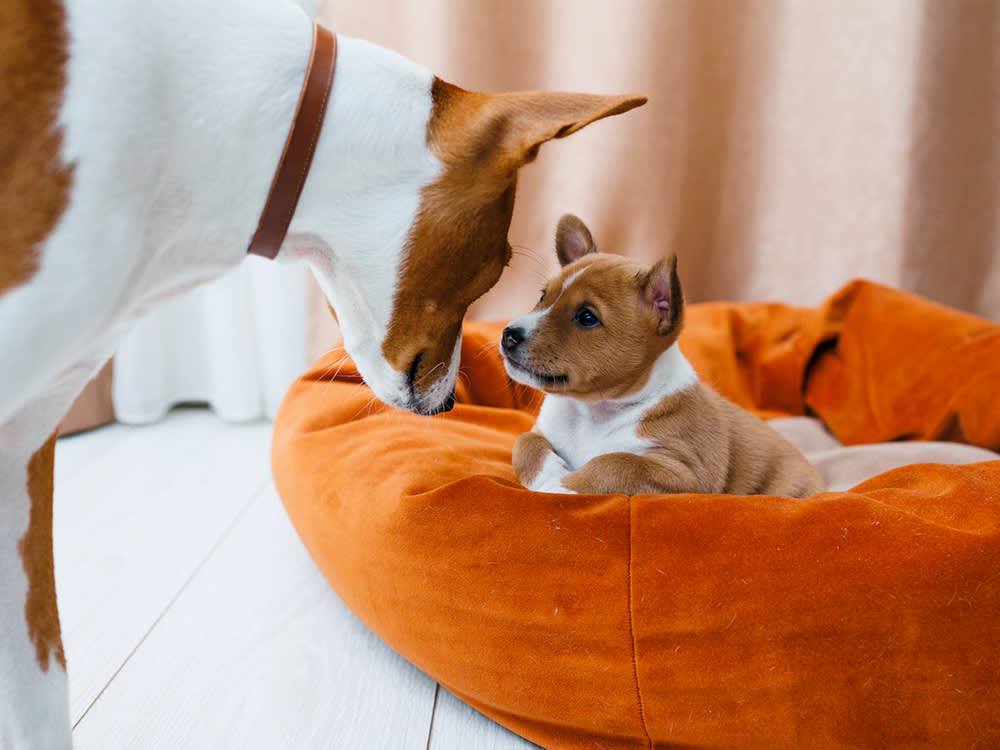 First DaysEight Weeks Isn't a Feeding Milestone. It's a Behavior Deadline.Dr. Priya Nair · 9 min