


The Puppy Mistake That Costs More Dogs Than Parvo Does
The advice to wait until a puppy is fully vaccinated before socializing sounds cautious. It's actually one of the riskiest calls you can make, because the window that shapes your dog for life slams shut around 12 weeks.

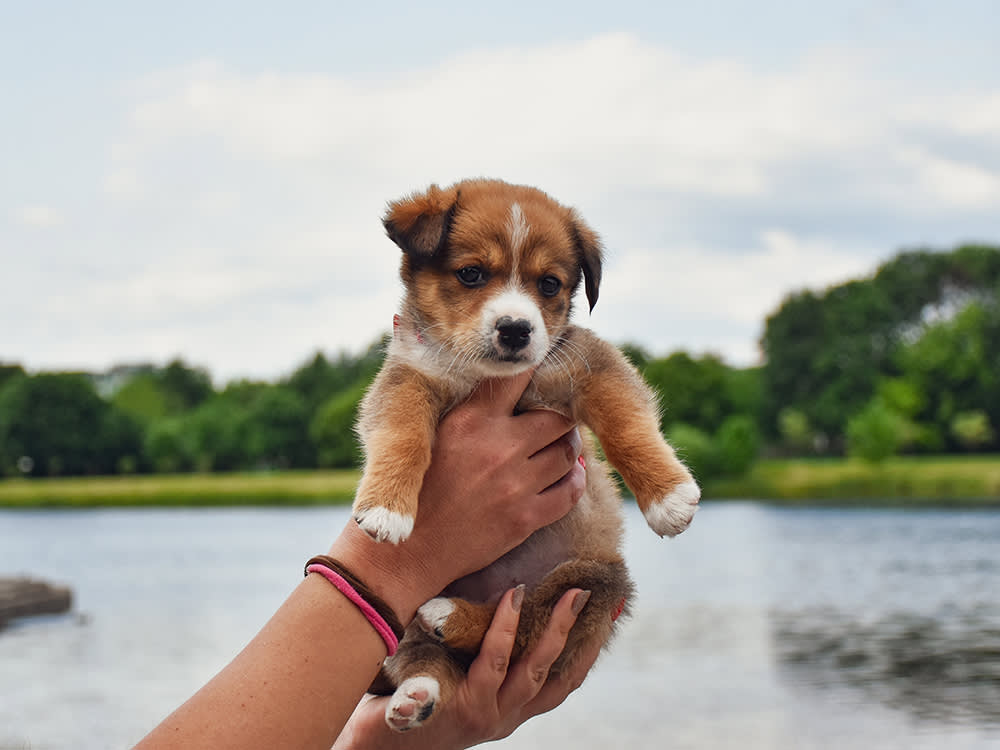
Ask a vet or a behaviorist what shapes a dog’s whole personality, and most of them will point to a window most new owners sleep through: the first three months of life. Get those weeks right, and you’re stacking the odds toward a confident, easygoing adult dog. Get them wrong, or miss them entirely, and you may spend years managing fear you could have prevented. The catch is that this window closes fast, and the most common piece of advice about it is quietly steering people to miss it.
The advice that backfires
Here’s the trap. Puppies finish their core vaccine series around 16 weeks. Plenty of well-meaning vets, breeders, and shelters tell new owners to keep their puppy away from other dogs until that series is complete. It sounds responsible. But the prime socialization window shuts around 12 weeks, weeks before those final shots. Follow the “wait until fully vaccinated” rule literally, and you sail right past the exact stretch of life when your puppy is wired to learn that the world is safe.
So which risk is bigger, the disease or the missed window? The research is surprisingly lopsided. A study from the University of California, Davis School of Veterinary Medicine tracked partially vaccinated puppies attending indoor socialization classes and looked at whether they caught parvovirus. They didn’t, at any higher rate than puppies who stayed home. Not one of the puppies who came down with parvo in the study had attended a class, and none of the class attendees got infected.
That lines up with where the behavior science has landed, and the stakes cut the other way than most people assume. As the American Veterinary Society of Animal Behavior puts it plainly: more dogs under the age of three are lost to behavioral problems, the fear and aggression that get dogs surrendered or euthanized, than to infectious disease. Undersocializing to dodge a virus can create the very outcome that’s statistically more dangerous.
Parents ask me whether it’s safe to socialize before the shots are finished, and I flip the question. The safer-sounding choice, keeping a puppy home in a bubble, is the one that most often produces the anxious, reactive adult I meet a year later. The window doesn’t wait for the vaccine schedule, so we work around it, not against it.
The AVSAB’s guidance is specific: begin structured socialization when a puppy is as young as seven or eight weeks old, a minimum of seven days after the first vaccines, and keep vaccines current throughout. The American Veterinary Medical Association and the ASPCA are on the same page.
The safety, importantly, is in the setup. Reputable puppy classes run indoors on non-porous floors, and any accident gets cleaned up immediately with a disinfectant. The danger isn’t structured socials, it’s the porous ground, the dirt, sand, and dog-park grass that can harbor infected feces. Ironically, owners who don’t know puppy classes exist are often the ones hauling an unvaccinated pup to exactly those risky spots.
Why the window is so unforgiving
Puppies develop on fast-forward. They’re walking gracefully at three weeks, a milestone that takes a human baby the better part of a year. Their brains sprint through development in the same compressed way, and the socialization window rides that sprint. During it, a puppy is building the mental framework they’ll use to judge every new person, dog, and situation for the rest of their life. Rich, varied, positive early experiences give them a deep well of context to draw on. A thin one leaves them guessing.
That prime window runs from roughly week three to week 12. Here’s how it breaks down:
Three to seven weeks. This is primary socialization, spent with mom and littermates. It’s where a puppy learns to be a dog, picking up bite inhibition and canine manners from their family. How gently and often humans handle them in these weeks matters too. Well-handled puppies tend to grow up calmer, more curious, more stress-resilient, and quicker to learn.
Eight to 12 weeks. Because most puppies stay with their litter until about seven weeks, this leaves new owners a startlingly short runway, roughly four weeks, to widen their puppy’s world. Behaviorists sometimes call weeks eight through 12 the “second socialization period,” and it’s the single most important stretch in a dog’s life. The brain is a sponge, soaking up new experiences faster than it ever will again, learning not just to tolerate people and dogs but to actively enjoy and seek them out.
A useful comparison: a puppy’s knack for social learning works a bit like a young child’s knack for languages. Kids under about seven absorb a new language almost effortlessly, sound, grammar, and all, and that ability fades sharply afterward. A six-year-old in a Mandarin immersion year comes out fluent; an adult in the same class is still fumbling the basics. Dogs are similar. A pup who misses a rich socialization window can still learn to cope socially, but it takes far more time and effort, with a lower ceiling.
One honest caveat: socials don’t guarantee a bombproof adult. Genetics, experiences in the womb, early nutrition, and those first weeks with mom all shape the outcome too. Socialization stacks the deck; it doesn’t rig the game.
How to actually socialize a puppy safely
Your puppy needs to feel at home in the specific world they’ll live in, and for most of us that’s a busy one, since the large majority of Americans live in populated areas full of people and dogs. Variety is the goal. A starter checklist:
- Sit outside together and let your puppy watch neighbors go about ordinary business.
- Have friends show up in hats, sunglasses, and generally odd outfits so your puppy practices meeting all kinds of humans.
- Introduce objects and textures with different looks and sounds: shovels, rakes, bikes, skateboards.
- Take short car rides.
- Park near a grocery store and hand out treats while your puppy calmly watches foot traffic from a safe distance.
- Let them explore over, under, and around obstacles of varying surfaces.
A widely used benchmark is to help your puppy meet 100 different people during those crucial weeks: babies, kids, and elders; people of every size, shape, and background; folks carrying umbrellas, canes, and shopping bags. Always at your puppy’s pace, always with enough rest, never to the point of fear.
When it’s working, and when it isn’t
Classes are worth it because they let puppies rehearse the real skills of reading and answering canine body language. A shy puppy often needs a few tries. At the first class, they may camp under your chair and just watch, and that’s fine; you don’t need to coax, shield, or force them out. By the second, they might venture out for a few minutes before retreating to base. By the third, they may be seeking playmates on their own, which is the whole point.
The word of caution: if you have a fearful puppy, take them to a single overwhelming class where they cower the whole time, and then quit, you can make things worse. The only lesson they’ll take home is that other dogs mean a bad time. Positive and gradual beats thorough and frightening every time. A puppy dragged into a huge crowd the day after coming home is being set up to fail; a puppy who meets one or two calm people offering treats and gentle touch is being set up to thrive.
The bottom line
The instinct to protect a new puppy is exactly right. Just aim it at the bigger risk. Talk to your vet about starting socialization a week after the first shots, choose clean settings and healthy dogs, skip the porous ground until full vaccination, and make every early introduction a good one. The window is short and it doesn’t reopen. What you build inside it, your dog carries for life.
References
- Puppy Socialization Position Statement — American Veterinary Society of Animal Behavior
- Association of Puppy Classes and Parvovirus Risk in Vaccinated Puppies — University of California, Davis / JAVMA
- Socialization of Dogs and Cats — American Veterinary Medical Association
- The Importance of Puppy Socialization — ASPCA
Common questions
Is it safe to socialize my puppy before all their shots are done?
Yes, when it's done thoughtfully. Veterinary behavior experts recommend starting structured socialization as early as seven to eight weeks, at least seven days after the first set of vaccines. Choose clean indoor settings and healthy, vaccinated dogs, and avoid porous ground like dog parks, beaches, and dirt until your puppy is fully vaccinated.
What if my puppy seems scared or hides during socialization?
A timid puppy is telling you the situation is too much, not that socialization has failed. Back off to one calm person or one gentle dog at a time, pair it with treats, and let your puppy approach at their own pace. A puppy who hides under your chair the whole time and never warms up may simply learn that other dogs are unpleasant, which is the opposite of the goal.
My puppy showed a flash of aggression. Should I worry?
Usually that snappiness is fear, not true aggression. Reset to a quieter, one-on-one introduction and use treats to build a good association. If the fearful or reactive behavior keeps showing up, loop in a qualified trainer or veterinary behaviorist early rather than waiting it out.
Dr. Kohl is a board-certified veterinary dentist with a particular interest in preventive oral care. She reviews all dental health content at The Pet Times and contributes practical guides on home dental routines, professional cleaning, and oral disease prevention.
Meet our experts ↗Keep reading
 First DaysPotty Training Isn't About the Puppy. It's About the MathJordan Ellis · 7 min
 First DaysThe Simple Math That Ends Puppy Potty AccidentsDr. Lena Park · 6 min
 TrainingThe Leash Is a Seatbelt, Not a Steering Wheel. That's Why Your Puppy Pulls.Dr. Nina Kohl · 9 min
 TrainingYour 'Dominant' Dog Isn't the Problem. Your Puppy Has No Brakes.Dr. Lena Park · 10 min
 First DaysEight Weeks Isn't a Feeding Milestone. It's a Behavior Deadline.Dr. Priya Nair · 9 min
 TrainingA Stranger Held His Puppy 50 Times in a Month. The Science Says He Was Right.Dr. Mara Chen · 6 min