


Potty Training Isn't About the Puppy. It's About the Math
Everyone asks how long potty training takes. Wrong question. It takes as long as it takes to stack more wins than accidents, and you control that math. Here's how to tip the odds and the real timeline.
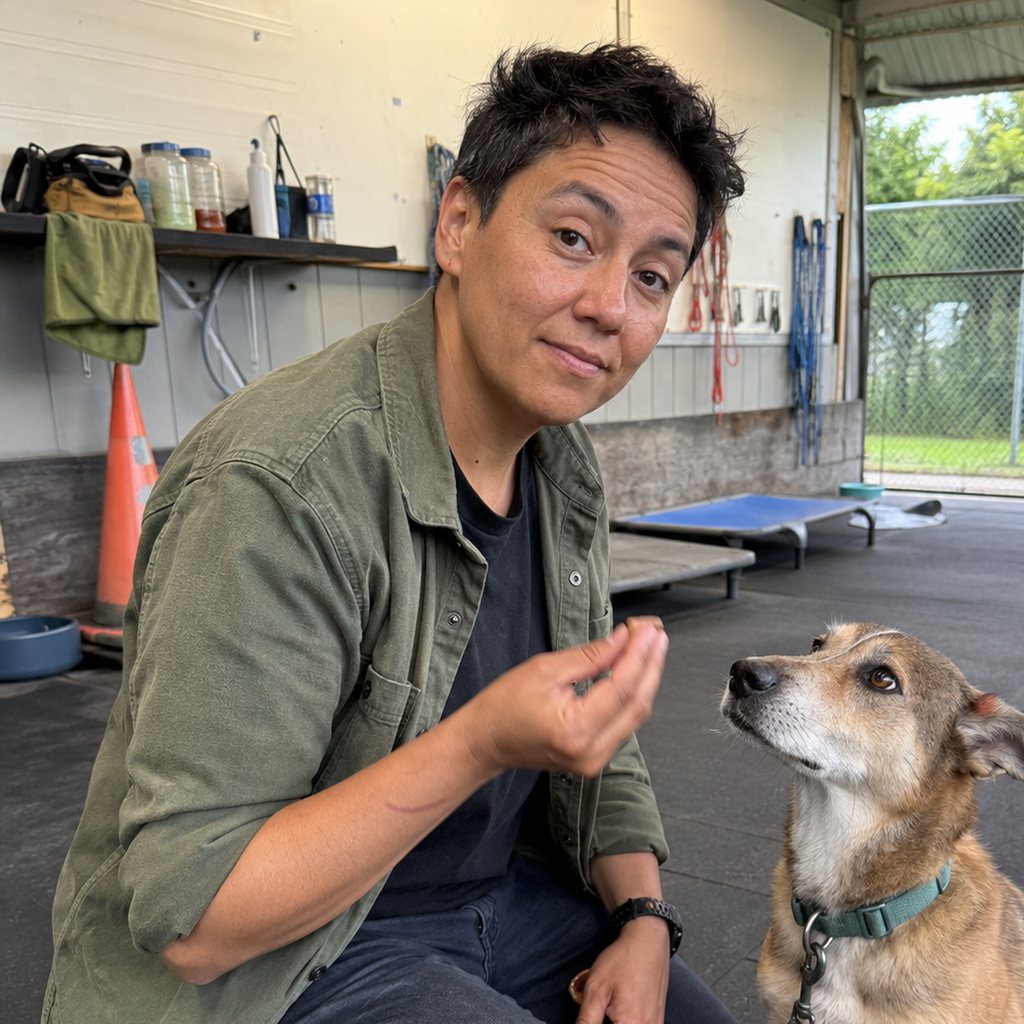
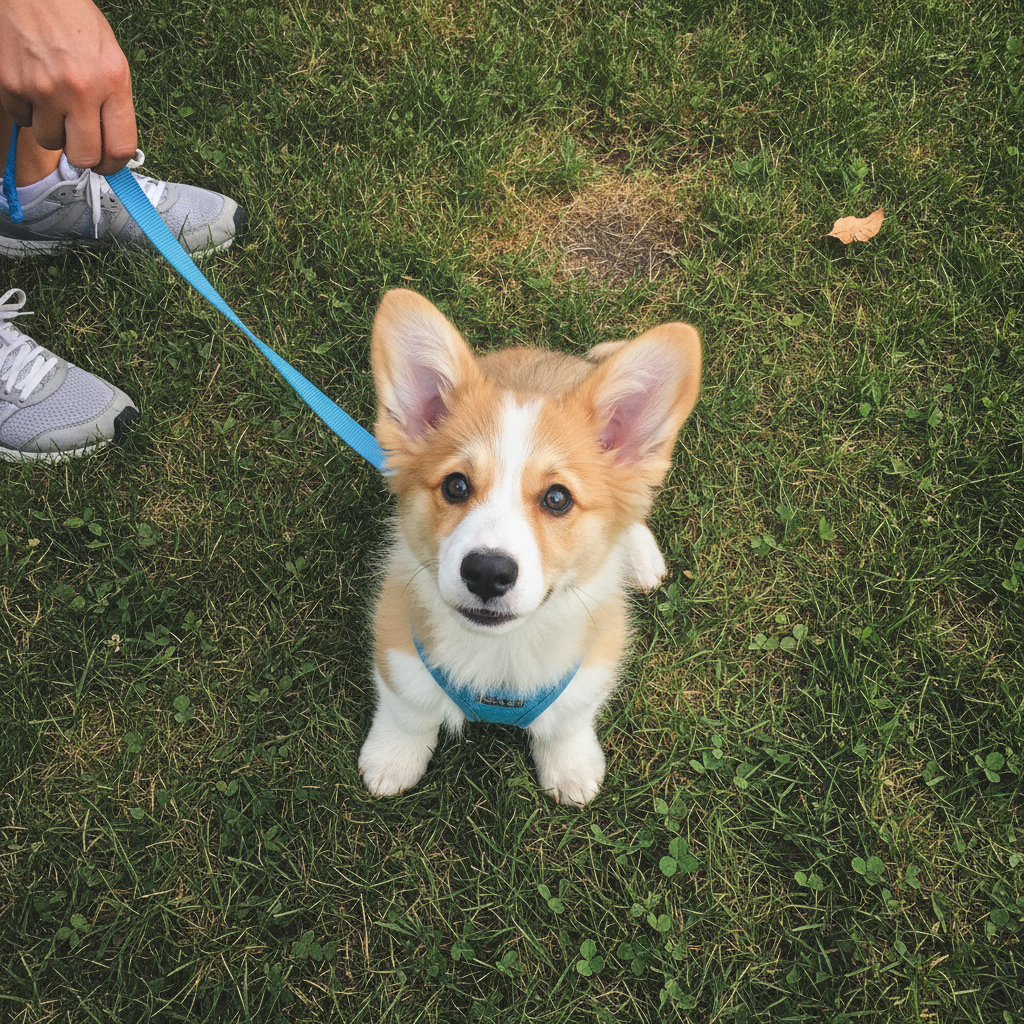
Every new puppy parent asks the same question: how long does potty training take? It’s the wrong question, and asking it is a little like asking how long it takes to lose a game before you’ve decided how you’ll play. Potty training doesn’t run on a fixed clock. It runs on a scoreboard, and the score is successes versus accidents. Stack up more wins than misses, and training moves fast. Let the accidents pile up, and it drags. The good news buried in that is enormous: you are the one keeping score. You control the math.
So yes, there is an average, and we’ll get to it. But the number that actually determines your timeline isn’t on any chart. It’s how deliberately you set your puppy up to succeed, over and over, until the right behavior becomes the only one they know.
The honest average
Potty training a puppy typically takes about four to six months, and some pups aren’t fully reliable until closer to a year. Consistency, positive reinforcement, and patience are the levers, not raw time. Just like people, every puppy is different, so there’s no guaranteed “it’ll be done by X.” Treat the four-to-six-month range as a backdrop, not a deadline, and focus on the daily wins that get you there.
Know your puppy’s actual bladder limits
You cannot win the math if you ask for the impossible. A rough rule: take your puppy’s age in months, add one, and that’s roughly how many hours they can hold it. So a three-month-old can manage roughly four hours, but only while sleeping or during calm, low-stimulation stretches. The second your puppy is up, moving, and playing, that window shrinks dramatically. Here’s a simple way to picture the early holding times:
| Puppy age | Rough holding time (resting) |
|---|---|
| Under 10 weeks | 30 minutes or less |
| 3 months | About 4 hours |
| 4 months | About 5 hours |
| 5 months | About 6 hours |
Whatever the number, the same reflex rules apply: take your puppy out immediately after they eat, drink, wake from a nap, or play. Nail those four moments and you’ll head off most accidents before they happen.
Pick the spot, then build the routine
Choose one potty spot and use it every time. Consistency there is doing quiet work: it teaches your puppy that arriving at this place means it’s time to go. If you instead let them wander and choose their own spot each trip, you accidentally train them to hunt for the “perfect” patch, which turns a 30-second break into a ten-minute standoff when you’re trying to get out the door. One spot, every time.
With the spot chosen, get on a schedule layered on top of those eat/drink/wake/play triggers. Depending on age, start by heading outside every 30 to 60 minutes. Every time your puppy goes in the right place, reward them immediately with a genuinely good treat. Set a timer when you come back inside so the rhythm stays consistent. Puppies learn best inside a success loop: the more good trips you catch and reward, the faster the lightbulb comes on, and the further apart you can gradually space the breaks.
New owners fixate on the calendar, and I keep pulling them back to the scoreboard. Your job isn’t to teach a puppy where to go; instinct already leans that way. Your job is to be there for the wins and to make the wins outnumber the misses. Do that, and the timeline takes care of itself.
Teach the words while you’re at it
You can also put elimination on cue, which is wildly convenient later. Each time your puppy starts to pee, say “go potty,” and keep repeating it softly while they finish. Keep it up for a few weeks. Along the way you’ll learn your puppy’s tell, the little circling or sniffing right before they go, and you can start saying “go potty” just ahead of the moment. Eventually you’ll walk to the spot, say the words, and watch your dog get right to business, which is a small superpower on a rainy morning.
Accidents are data, not disasters
Accidents will happen. How you respond decides whether training speeds up or stalls. The single biggest mistake is scolding. Yelling after a mess doesn’t land as “don’t go in the house.” It lands as “going in front of you is dangerous,” so your puppy learns to hide it, peeing behind the couch instead. That’s worse, not better. When you find a mess, don’t make a scene: calmly go over and clean it up.
Two more tools help you avoid accidents entirely. Crating a puppy when you can’t actively watch them takes advantage of a natural instinct, since puppies generally don’t like to soil where they sleep. Need to step away for a few minutes? Pop them in the crate so an accident can’t happen while your back is turned. And if you do catch your puppy mid-stream, calmly interrupt and hustle them outside to finish, without getting frustrated. Size plays in here too: smaller dogs have smaller bladders, and a little one who drinks a lot may simply need to go more often while they’re learning.
Put it all together and the formula is short: more successful trips than accidents, delicious treats, sharp timing, and consistency. Win that math, day after day, and the calendar sorts itself out.
References
- Herron, Meghan E., et al. “Survey of the Use and Outcome of Confrontational and Non-Confrontational Training Methods in Client-Owned Dogs Showing Undesired Behaviors.” Applied Animal Behaviour Science, vol. 117, 2009. Link
- American Veterinary Society of Animal Behavior. “Position Statement on Positive Reinforcement Training.” Link
- ASPCA. “House Training Your Puppy.” Link
Common questions
When should I start potty training my puppy?
The day they come home. Puppies under about 10 weeks usually can't hold it longer than 30 minutes, so take them out constantly: when they wake, after they eat, after they drink, and after they play.
How do I potty train a puppy in an apartment?
Keep pee pads on hand for emergencies, but still take your pup outside as often as you can so they learn that outdoors is the goal. The stairs are annoying now, but the frequent trips are temporary.
Should I use a bell to potty-train my puppy?
It can help. Teaching a puppy to ring a bell by the door gives them a way to tell you they need out. Just be ready for the clever ones who learn to ring it whenever they want to go play.
Jordan Ellis is a certified professional dog trainer with a decade of experience working with rescue organisations and private clients. They specialise in anxiety, reactivity, and positive reinforcement methods, and review all training and behaviour content at The Pet Times.
Meet our experts ↗Keep reading
 TrainingYou're Not Potty-Training the Puppy. You're Training Yourself.Dr. Priya Nair · 9 min
 TrainingA Stranger Held His Puppy 50 Times in a Month. The Science Says He Was Right.Dr. Mara Chen · 6 min
 TrainingThe 'Easy to Train' Breed Is Mostly a Myth. But These 11 Stack the Deck.Marcus Webb · 8 min
 TrainingYour Dog's Name Isn't a Label. It's a Promise You Can Break.Dr. Ravi Mehta · 6 min
 First DaysNighttime Crate-Training Usually Fails for One Reason: Bladder MathNina Vasquez · 8 min
 TrainingYour 'Dominant' Dog Isn't the Problem. Your Puppy Has No Brakes.Dr. Lena Park · 10 min