


The 'Easy to Train' Breed Is Mostly a Myth. But These 11 Stack the Deck.
Trainability isn't a breed trait you can buy, it's temperament plus a consistent human. Still, some breeds make it easier. Here are 11 quick studies, grouped by size, with the honest catch on every single one.

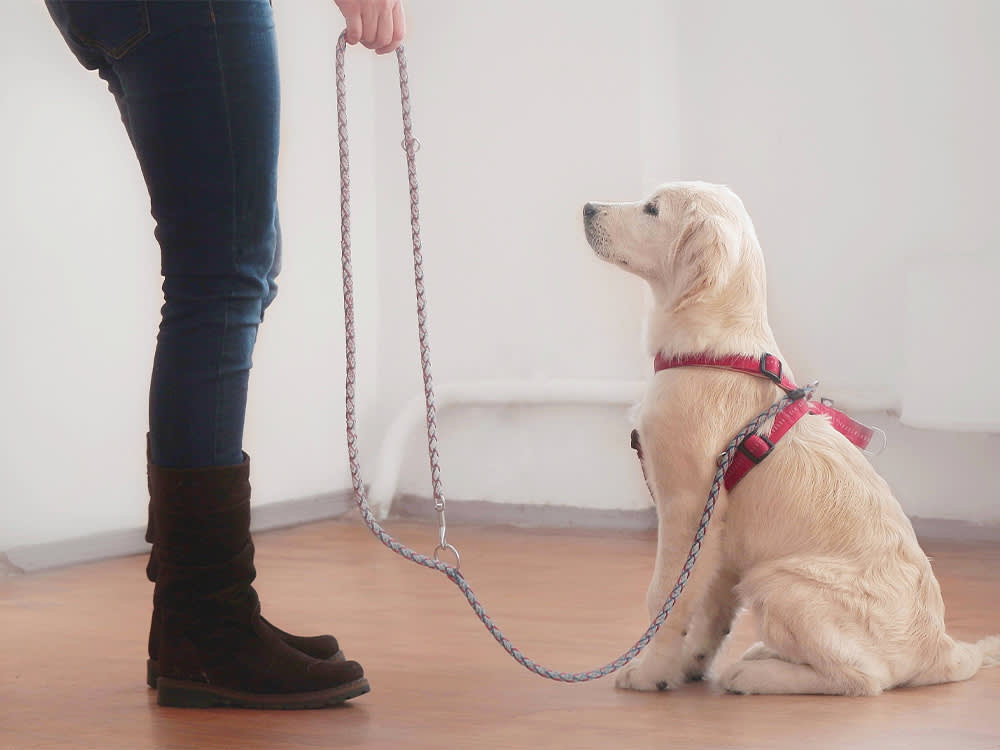
Let’s clear something up before the list. There is no gene for obedience. Stereotypes cling to breeds like fur to a couch, some people are convinced pit bulls are dangerous, Labs are saints, and Border Collies can basically hold a conversation, but the science does not back the idea that any breed is born “trained.” Trainability is mostly temperament and the human on the other end of the leash, not pedigree.
Ask anyone who has trained dogs professionally and they will tell you the same thing: the breed on the paperwork predicts far less than the individual dog’s confidence, motivation, and openness to working with you.
I’ve lost count of how many dogs I’ve trained, across every breed and mix you can name, and the pattern is always the same. It isn’t the breed that makes a dog easy. It’s whether that particular dog is confident, food-motivated or play-motivated, and genuinely interested in what you want. The single most trainable dog I ever worked with wasn’t a fancy breed at all. It was a grateful rescue who’d have done backflips for a piece of chicken.
That “interest in what humans want” is the real currency. Call it human interest, or biddability: the tendency to find pleasing you rewarding in itself. It shows up more in some breeds than others, largely because of what they were originally bred to do. And here is a fun wrinkle backed by research: one long-running survey of purebred dogs in the UK found that, across breeds, female dogs tended to be rated as easier to train, and more affectionate, than males, who were rated as more reactive and slower to mature.
One honest warning before you fall in love with a name below: easy to train also means easy to mis-train. The same quick brain that learns “sit” in a day will learn “counter-surfing pays off” just as fast. Smart dogs need consistent, thoughtful humans, not lazy ones. With that said, here are 11 breeds who tend to be quick studies, grouped by size, catch included.
Small dogs who learn fast
Papillon
Named for the French word for butterfly, thanks to those big graceful ears, this lively little dog picks up instruction beautifully. The catch: like a lot of small breeds, Papillons need consistent, frequent training to stay sharp, and they carry the self-possession of a breed that spent centuries as a pampered lapdog in noble portraits.
Corgi
Any dog who is roughly 40 percent head is bound to be brainy, and Welsh Corgis deliver. Highly intelligent and very food-motivated, they learn quickly. The catch: that same intelligence comes with a stubborn streak and a firm belief that they run the household, the very trait that kept them at Queen Elizabeth II’s side for decades. Start them on a training routine as puppies if you can.
Medium dogs who learn fast
American Pit Bull Terrier
Despite a mountain of misinformation, American Pit Bull Terriers, American Staffordshire Terriers, and mixes like “Labrabulls” tend to be affectionate, whip-smart, and determined, which makes them a joy to train into a devoted buddy. The catch: their determination cuts both ways, so channel that focus early with clear, positive structure.
Border Collie
The poster dog for canine intelligence, and the reputation is earned. The catch is a big one: a brilliant dog is also a handful. Border Collies are intense, quick-thinking, and hypersensitive to sound and movement, so training one is really an exercise in burning off a staggering amount of brain and body. Picture a genius roommate with no off switch who is always three moves ahead of you. Under-stimulate one and you will regret it.
Shetland Sheepdog
A newcomer to this list, and a deserving one. Shelties are herding dogs in a compact package: eager to please, sensitive, and consistently ranked among the most trainable breeds, which is why they clean up in obedience and agility rings. The catch: that sensitivity means they wilt under harsh corrections and can be vocal, so keep the tone upbeat and expect some barking to manage.
Large dogs who learn fast
German Shepherd
A herding breed apart, German Shepherds are unusually driven, intelligent, quick to read your signals, and deeply self-assured. The catch: what they are bad at is relaxing. They need competent, confident owners, and for this breed, training is not optional, it is a requirement for a happy dog and household.
Rottweiler
Comfortably a top-ten intelligent breed, the Rottweiler learns fast and carries a history as a capable guard dog, descended from Roman cattle-droving mastiffs. The catch: they are not one bit more aggressive than the average dog, but their sheer power turns training from optional into mandatory. “Leave it” is an especially valuable command to lock in early.
Labrador Retriever
Added here because it would be strange to leave off one of the most reliably trainable dogs on earth. Labs were bred to work hand-in-glove with people and to find pleasing you genuinely rewarding, which is biddability in its purest form. The catch: they mature slowly and stay puppy-brained for years, and their bottomless appetite makes both treat-training and weight management a real project.
Family dogs who learn fast
Golden Retriever
Popular for good reason: Goldens are even-tempered, adaptable to almost any household, and famously keen to please, arguably the best all-around family companion out there. The catch: their gentleness can tip into sensitivity, so they do best with patient, positive training and plenty of the exercise a sporting breed needs.
Australian Cattle Dog
Faithful, tireless, and very smart, these dogs are loyal enough to make excellent family companions. The catch: the same intelligence, drive, and independence that mark the other herders on this list demand firm, consistent boundaries. They do best joining the family early and growing up alongside kids, or coming in when children are older.
Low-shedding dogs who learn fast
Poodle
Descended from water-retrieving breeds, and carrying a name that traces back to a German term meaning puddle, the Poodle has a well-earned reputation for intelligence and quick learning that its fancy haircut disguises. The catch: they do not actually shed less so much as trap the shed fur in those curls, so the “hypoallergenic” reputation comes with a real grooming bill, brush and clip regularly or that coat mats fast.
The honest bottom line
Notice what is not on this list: the Siberian Husky, which shows up on a lot of “easy to train” roundups it does not belong on. Huskies are brilliant and beautiful and were bred to run independently for miles, which makes them famously selective about listening. That is the whole point of this piece. “Trainable” is not a synonym for “smart,” it is a measure of how much a dog wants to work with you, and that is shaped as much by the individual and by your consistency as by the breed. Pick a dog whose instincts point toward teamwork, show up with patience and good treats, and almost any dog, purebred or the grateful rescue at the shelter, can become a quick study.
What newer research adds
Two things have solidified since lists like this first got popular. First, large-scale genetics research now backs up the old trainer’s wisdom: breed explains only a small slice of any individual dog’s behavior, so the dog in front of you matters far more than the label. Second, the training methods themselves have a clearer verdict. Reward-based, positive-reinforcement training consistently outperforms aversive methods like prong collars and “dominance” corrections, producing dogs who learn faster and show less fear and stress. So the most reliable way to end up with an easy-to-train dog is not to chase a breed at all, it is to train whatever dog you have with rewards, consistency, and reasonable expectations.
References
- Bradshaw, J.W.S., and D. Goodwin. “A Survey of the Behavioural Characteristics of Pure-Bred Dogs in the United Kingdom.” Veterinary Record.
- Morrill, K., et al. “Ancestry-inclusive dog genomics challenges popular breed stereotypes.” Science, 2022.
- Ziv, G. “The effects of using aversive training methods in dogs—A review.” Journal of Veterinary Behavior.
Common questions
Are some breeds easier to potty train than others?
Somewhat, yes. Some breeds are naturally 'cleaner' and take to housetraining faster, the Akita is often cited as an easy one, while flat-faced breeds like French Bulldogs have a reputation for being slow to potty train. But individual dog, routine, and consistency matter far more than breed. A tight schedule and generous rewards beat good genetics.
What actually makes a dog easy to train?
Biddability, the degree to which a dog finds it rewarding to work with you. It's largely a product of what a breed was bred to do. A retriever was shaped to cooperate closely with a human and finds pleasing you inherently satisfying; a scent hound was shaped to work far ahead and think independently. Neither is smarter, they're wired for different jobs. Picking a dog whose instincts point toward teamwork makes training easier.
What should I do if my dog is hard to train?
Don't take it personally, and don't slap a big label like 'reactive' or 'anxious' on your dog without a professional's input. Practically: cut the distractions your dog is facing, and raise your reward value, swap the boring biscuit for something they'd do anything for, like cheese or cooked chicken. Small wins in an easy environment build the confidence that harder training needs.
Marcus Webb writes about the gear, gadgets, and everyday choices that make life with a pet easier. His coverage runs from product picks to training and the causes worth paying attention to, always with an eye on what actually earns a place in your home.
Meet our experts ↗Keep reading
 TrainingYou're Not Potty-Training the Puppy. You're Training Yourself.Dr. Priya Nair · 9 min
 TrainingYour 'Dominant' Dog Isn't the Problem. Your Puppy Has No Brakes.Dr. Lena Park · 10 min
 TrainingYou're Probably Training Your Puppy Too Hard. Here's the 6-Month Plan That Works.Sasha Ford · 6 min
 TrainingYour Dog's Name Isn't a Label. It's a Promise You Can Break.Dr. Ravi Mehta · 6 min
 First DaysNighttime Crate-Training Usually Fails for One Reason: Bladder MathNina Vasquez · 8 min
 First DaysPotty Training Isn't About the Puppy. It's About the MathJordan Ellis · 7 min