


When Fiona Drowned the Power Grid, Puerto Rico's Dog Rescuers Got in the Water
Hurricane Fiona hit an island still scarred by Maria and packed with street dogs. Here's how Puerto Rico's animal-rescue network mobilized, and why disaster-ready rescue deserves year-round support.
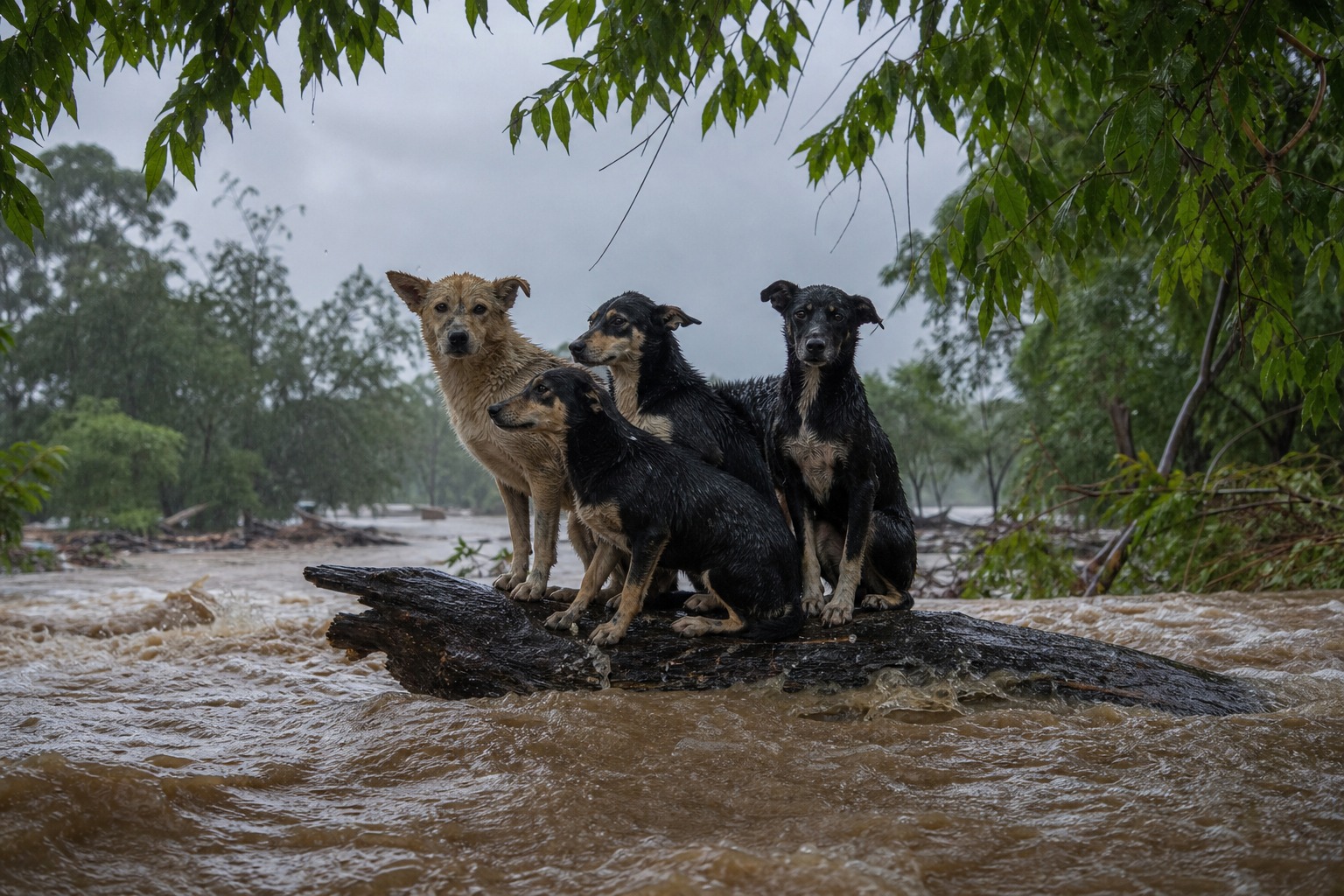
When Hurricane Fiona made landfall in Puerto Rico on September 18, 2022, it dumped more than 30 inches of rain on the island and knocked out the entire electrical grid. For the island’s animals, that was a double blow, because Puerto Rico was already home to a large population of street dogs, known locally as satos, and a storm that floods the island puts thousands of them directly in harm’s way.
The comparison everyone reached for was Hurricane Maria in 2017, when countless strays drowned in the floodwaters. Fiona was a less intense storm, and shelters were better prepared this time, but the danger was real: an estimated 250 pets sat in shelters across Puerto Rico as the water rose, and far more were stranded outdoors. What followed was less a single rescue than a coordinated scramble by a network of organizations that had learned hard lessons from Maria.
The groups that ran toward the storm
Several rescues formed the backbone of the response, each playing a different role.
The Sato Project led the pack. The Puerto Rico–based group rescues the island’s stray dogs year-round and shifts into overdrive during environmental crises. In the week after Fiona, it hosted five evacuation flights, and within two weeks nearly 200 dogs and cats had been flown to safety, including roughly 130 animals who landed at Morristown Airport in New Jersey. The group also spearheaded help for four Puerto Rican shelters that took catastrophic flood and wind damage, flying their animals off the island so local kennels could take in newly displaced pets.
Wings of Rescue handled the piece of disaster relief that saves the most lives: safe, early evacuation. The organization charters planes and stocks veterinary supplies with donated funds, and after Fiona it flew out animals who had already waited more than 30 days in shelters, freeing up local kennel space for lost and stranded pets.
Santuario de Animales San Francisco de Asís (SASFAPR) has rescued, rehabilitated, and sheltered Puerto Rico’s dogs and cats for over a decade. Its volunteers were on the ground during the storm, searching for strays and lost pets.
Animal Lighthouse Rescue put volunteers on the ground for cleanup, rebuilding, and hands-on animal care across the island, moving its adoptable dogs to New York City for placement.
Dogs and Cats of the Dominican Republic braced for a wave of found animals as Fiona also battered the DR. With a U.S. ban in place on bringing in animals from the country, what the group needed most was money for on-the-ground relief and transport rather than overseas adoptions.
Where the animals landed
As pets were evacuated ahead of and after the storm, mainland shelters absorbed the overflow and suddenly needed help serving swollen populations. Among the shelters that took in dozens of new residents were the Richmond SPCA, the Fredericksburg SPCA, and the Humane Society of Broward County, a reminder that a hurricane’s animal-welfare footprint stretches thousands of miles from where the wind actually hit.
Why this kind of rescue is worth supporting year-round
The most striking part of the Fiona story is not the storm; it is what the organizations kept doing after it. The Sato Project later launched an initiative called No Dog Left Behind, reconnecting families who had relocated to the mainland with pets they had been forced to leave behind, and to date it has reunited more than 200 dogs with their people. Across the Maria and Fiona disasters combined, the group transported over 1,700 dogs and distributed more than 170,000 pounds of food and supplies to local shelters, rescuers, and families.
That is the case for supporting disaster-ready rescue before the next storm, not just during it. Groups like these are effective in a crisis precisely because they are built and funded to move fast, and the infrastructure that let them evacuate nearly 200 animals in two weeks does not appear overnight. Puerto Rico’s stray-dog crisis did not begin with Fiona and did not end when the skies cleared. The rescuers who wade into the floodwater are the same ones doing the quiet, year-round work of getting satos off the streets, and they are strongest when the support arrives before the emergency does.
References
- The Sato Project. “Hurricane Relief.” thesatoproject.org
- Associated Humane Societies / Popcorn Park. “AHS Rescues Stray Dogs from Puerto Rico After Hurricane Fiona Devastation,” September 2022. ahscares.org
- TODAY. “Volunteers Scramble to Save Homeless Animals in Puerto Rico After Hurricane Fiona,” September 2022. today.com
Jordan Ellis is a certified professional dog trainer with a decade of experience working with rescue organisations and private clients. They specialise in anxiety, reactivity, and positive reinforcement methods, and review all training and behaviour content at The Pet Times.
Meet our experts ↗Keep reading
 LivingBefore Beryl Made Landfall, 94 Shelter Pets Were Already on the Road OutNina Vasquez · 6 min
 LivingThe Most Useful Thing You Can Give a Shelter Isn't a Forever Home. It's a Weekend.Leila Torres · 8 min
 LivingOne Tourist, 6,000 Spayed Strays, and an Island That ChangedLeila Torres · 6 min
 LivingHe Had No Connection to Ukraine. He Booked the Flight Anyway.James Okafor · 7 min
 LivingThe Unlikely Shelter Marketing That Works: Kids With PaintbrushesLeila Torres · 5 min
 LivingPeople Don't Surrender Pets Because They Stopped Loving ThemLeila Torres · 8 min