


Before Beryl Made Landfall, 94 Shelter Pets Were Already on the Road Out
The dramatic pet rescues that make the news usually happen after a storm. The one that saved nearly a hundred dogs and cats from Hurricane Beryl happened before it, and it hinged on a quiet shelter strategy most people never see: making room.
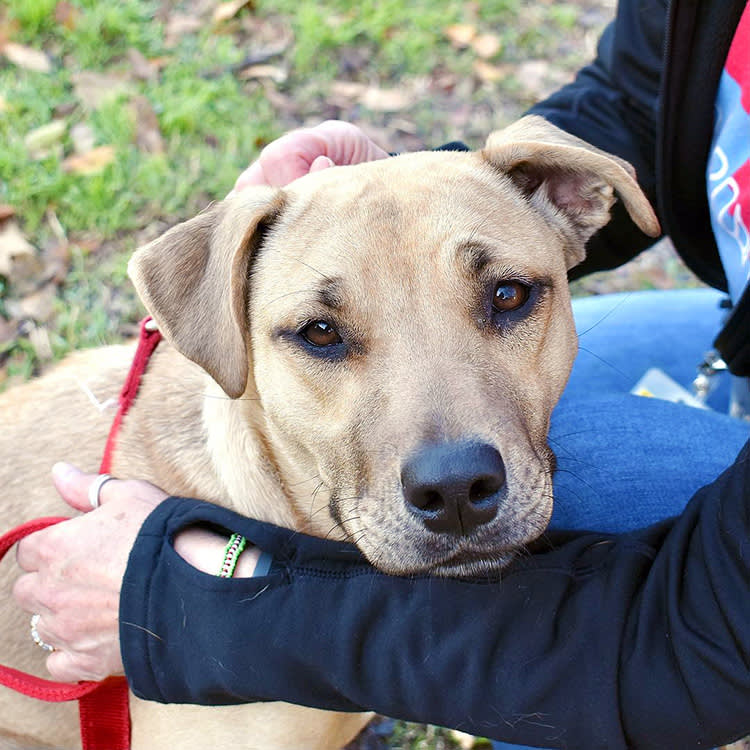
The pet rescue stories that go viral almost always come after the water rises: the dog pulled off a rooftop, the cat found shivering in a tree. The rescue that spared nearly a hundred dogs and cats from Hurricane Beryl worked the other way around. It happened before the storm reached them, and it turned on a piece of shelter logistics that rarely makes the highlight reel. Not a daring rescue at all, really. Just space, moved around fast.
Beryl came ashore near Matagorda on the Texas coast on July 8, 2024, after tearing a deadly path through Mexico and the Caribbean. It knocked out power to roughly three million people, toppled hundreds of trees, stranded cars on flooded roads, and, in the first days of reporting, was blamed for at least three deaths in the state. Somewhere in the path of all that sat The Gulf Coast Humane Society, a shelter full of animals with nowhere to go.
The rescue was really about making room
When the forecast turned serious, the Austin Humane Society, a few hours inland, sent volunteers toward the coast. Over the course of a long weekend they moved 94 dogs and cats out of Beryl’s path and up to Austin. Shelter manager Charlotte O’Banion told the local station KXAN that it had been a hectic stretch and that every kennel in the building was full once the animals arrived.
Here is the part worth slowing down on, because it’s the strategy behind the headline. The point of hauling those animals inland wasn’t only to get them out of danger. It was to empty the coastal shelter’s kennels so it could take in the animals the storm was about to displace: strays, and the pets of people who had to leave everything behind, including the pets of unhoused residents forced into emergency shelters. A coastal shelter that’s already full can’t help anyone new when the storm hits. An empty one becomes a lifeline. So the evacuation ran like a relay: move the adoptable animals to safety and open beds, so the shelter closest to the disaster has room for the next wave.
That only works if somewhere on the other end has capacity too, and briefly, Austin didn’t. O’Banion told KXAN that the building’s kennel space was limited, and that the region’s foster network and community stepped up quickly to pull animals into temporary homes and clear room for the rest. Between the Beryl evacuees and the animals it was already housing, the Austin shelter had more than 130 pets looking for homes.
How people helped, and how you still can
To move animals out the door and free up space, the shelter dropped the adoption fee on every adult dog and cat to $25 for the week, with a trial period so families could make sure the match worked. That particular deal was a short-lived, storm-week measure, not a standing offer. But the mechanisms behind it are how anyone can help a shelter through a disaster, then or now.
Adopting an adult animal from an over-full shelter opens a kennel for one still in danger. Fostering does the same thing without the lifetime commitment, and foster homes are exactly what let Austin absorb the Beryl animals. Transport volunteers, the drivers who form those inland relays, are perpetually in short supply. And donating to the shelters doing disaster response, rather than only to the animals you can see, keeps fuel in the vans and food in the kennels for the next storm. If you weren’t near Austin that July, a donation did more than a long drive would have.
“The instinct after a storm is to want to save the animal on the roof, and that work matters,” says Dr. Ravi Mehta. “But the move that saves the most animals is unglamorous and early: clearing shelter space before landfall, and having a go-bag and a plan for your own pets so they never become one of the animals that needs rescuing.”
What’s new since this was written
In the weeks after Beryl passed, the human toll turned out to be far worse than the early count suggested. What was first reported as a handful of deaths climbed to more than 40 across Texas, many of them not from the wind at all but from the aftermath: a prolonged, dangerous heat wave that settled over millions of homes still without power, which proved deadly for people who relied on air conditioning or electric medical equipment.
That grim update carries a lesson for pet owners too. The danger to animals in a storm like Beryl doesn’t end when the rain stops. Days without power mean days without cooling, and heat is as hard on pets as it is on people. The families and shelters that fared best were the ones that planned not just for landfall, but for the long, hot, dark days that can follow.
References
- “Effects of Hurricane Beryl in Texas.” Wikipedia, en.wikipedia.org/wiki/Effects_of_Hurricane_Beryl_in_Texas.
- “Austin Humane Society evacuates animals in path of Hurricane Beryl.” KXAN Austin, July 2024.
- “Austin Humane Society takes in 94 animals to help coastal shelter.” KUT Radio, July 9, 2024.
- “Nearly 100 dogs and cats are up for adoption in Austin after fleeing Hurricane Beryl.” Houston Public Media, July 11, 2024.
Nina Vasquez writes about life at home with pets and the relationships at the heart of it. Her work covers day-to-day living, people-and-pet stories, and the products that fit into a real household, with a warm, grounded take on everyday pet ownership.
Meet our experts ↗Keep reading
 LivingDon't Be a Hero. Be a Witness.Leila Torres · 7 min
 LivingHe Had No Connection to Ukraine. He Booked the Flight Anyway.James Okafor · 7 min
 LivingNYC Just Closed the Puppy-Store Window for GoodJordan Ellis · 6 min
 LivingYour Team's Most Valuable Rookie This Year Might Be a Shelter DogJames Okafor · 8 min
 LivingOne in Three Pets Has No Home. The Top Reason People Give Theirs Up Isn't Cruelty.Nina Vasquez · 7 min
 LivingUkraine's Animals Are Still in the War. Here's How to Actually Help.James Okafor · 5 min