


NYC Just Closed the Puppy-Store Window for Good
The City Council voted 40–5 to ban retail dog and cat sales. The vote matters less than what it sets up: a permit system, an enforcement arm, and a pipeline that will try to move online.
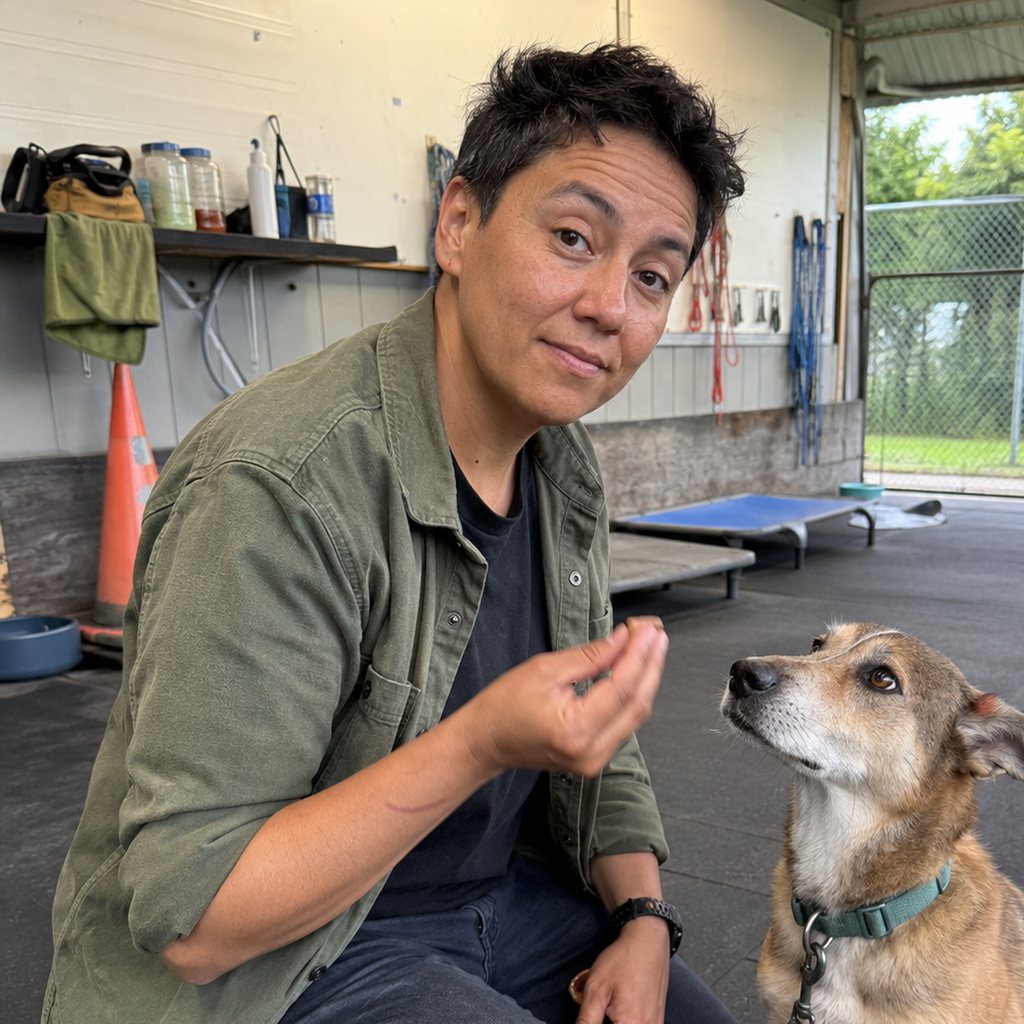
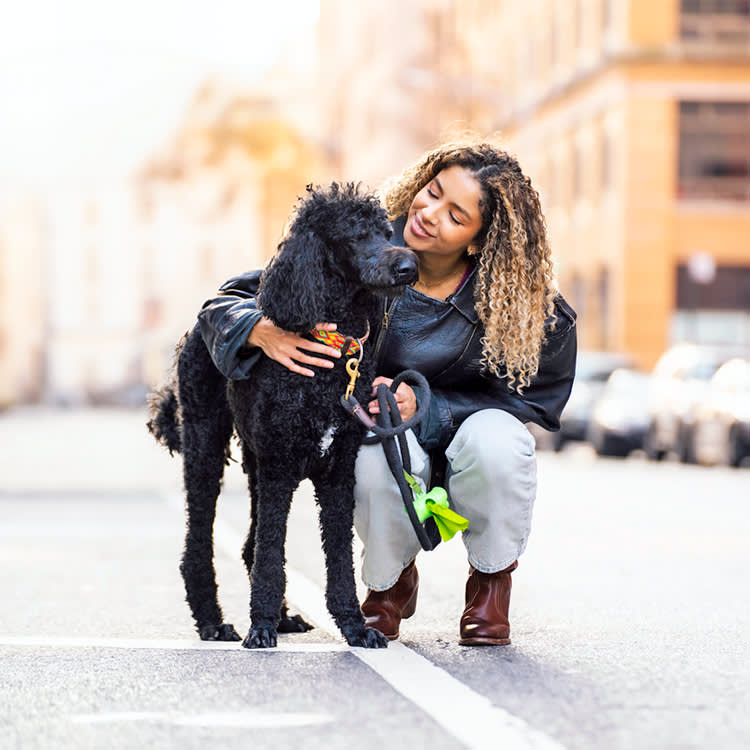
The puppy in the pet store window is one of the most effective pieces of marketing ever built. It is warm, it is moving, it is looking at you, and it is standing three feet from a card reader. Nothing about a website can compete with it, which is exactly why the industry that supplies those windows has fought so hard to keep them.
Yesterday, New York City took the window away. The City Council passed a bill prohibiting the retail sale of dogs and cats, and requiring anyone who sells an animal in the city to hold a permit from the Health Department. The vote was 40 to 5.
But the vote is not really the story. The story is the machinery it plugs into, and the question of where the demand goes now.
What the bill does, precisely
Two things, and it’s worth separating them.
It ends retail sale. Pet shops in the city may no longer sell dogs or cats.
It creates a permit regime. Anyone selling an animal in New York City needs a permit from the Health Department. That is the piece that will still matter in five years, because it gives the city a list, a lever, and a legal basis for going after the people who ignore the ban.
The pipeline it’s aimed at
The commercial breeding operations that supply pet stores are the target, and the conditions inside them are the argument.
In a puppy mill, breeding mothers are kept in cramped, unsanitary cages, without veterinary care, without adequate space, and without anything resembling individual attention. Their litters are taken and sold on to retailers. According to the Humane Society of the United States, roughly 10,000 puppy mills operate in the United States today.
The animals arriving at the end of that pipeline are frequently sick. That is the part consumers discover late, in a vet’s office, holding an invoice.
Manhattan Assemblymember Linda B. Rosenthal made exactly that point when the state version of this legislation was signed in 2022, arguing that the appeal of the animals in the window is a kind of camouflage. Behind the puppies, kittens, and rabbits on display, she said, sits an industry that abuses breeding animals to mass-produce pets, and the pets themselves frequently arrive carrying congenital disease — leaving buyers who had no idea what they were walking into with veterinary bills in the hundreds or thousands, and grief that doesn’t come with a number attached.
At the Council hearing, Council Member Justin Brannan framed the vote as a test of the city’s own self-image, invoking the familiar idea that you can measure a society’s moral progress by how it treats its animals, and arguing that the world’s greatest city was falling well short of also being its most humane. The Council heard from the Mayor’s Office of Animal Welfare, Animal Care Centers of New York City, the ASPCA, and a long line of residents and advocates.
The timing is not a coincidence
The city bill lands three weeks before a state law does the same thing.
New York’s Puppy Mill Pipeline Act takes effect on December 15. It was signed in 2022, with a deliberate two-year runway to give pet dealers time to change their business model — which some did, converting to supply-and-services stores or partnering with rescues, and some did not.
Last week the state Attorney General’s office wrote to licensed pet sellers to make sure nobody could claim surprise. Attorney General Letitia James noted the timing — the deadline arriving alongside the holiday shopping season — and spelled out the date: from December 15, 2024, no pet store in New York may sell a dog, a cat, or a rabbit. Anyone who does, she warned, can be pursued by her office and hit with financial penalties.
So why pass a city bill at all, if the state has already done it? Because enforcement is local. The state act gives the Attorney General a hammer. The city permit system gives the Health Department a list of who is selling animals within the five boroughs and a mechanism to shut them down without waiting for Albany.
New York is late, not first
California moved first, banning retail sales of dogs, cats, and rabbits from non-rescue sources with the Pet Rescue and Adoption Act in 2017. Maryland, Maine, Washington, Illinois, and Oregon have followed with laws of their own, and dozens of cities have passed local ordinances.
That’s a decade of precedent, which is useful, because it means we have some idea of what happens next.
The part nobody legislated: the internet
Here is the honest limit of a retail ban. It closes a storefront. It does not close a market.
Demand for a specific puppy, right now, at a price, does not evaporate because a shop stopped stocking them. It moves. It moves to online listings, to “family breeders” with a website and a stock photo, to social media sellers, to out-of-state shipping arrangements, to the person who will meet you in a parking lot off the interstate.
Those channels have almost none of the friction a physical store has. There is no window to walk past and no health department inspector to walk in. And a commercial breeding operation that used to sell wholesale to a Manhattan shop can, with a domain name, sell retail to a Manhattan buyer directly.
So the retail ban is necessary and it is not sufficient. What determines whether this vote actually reduces the number of animals born into that pipeline is what comes next: whether the permit system is enforced, whether online sales get scrutiny, and whether people looking for a dog in January can be persuaded to look at a shelter, a breed-specific rescue, or a breeder they can actually visit in person.
What’s new since this was written
The pet stores fought it. A group of sellers sued to block the Puppy Mill Pipeline Act before it could take effect, and a New York State Supreme Court judge denied the request. The law came into force on schedule on December 15, 2024, making it illegal to sell dogs, cats, and rabbits in the state’s pet shops. Violators face penalties of up to $1,000 per violation.
Stores are still allowed to host adoptable animals from registered nonprofit rescue organizations, and may charge those groups a reasonable fee for the space — a route several former puppy sellers have taken. New Yorkers can still get an animal from a shelter, a rescue, a humane society, or a licensed breeder they deal with directly.
The window is closed. The work now is making sure the traffic that used to walk through it ends up somewhere better.
References
- New York State Attorney General. Attorney General James reminds New Yorkers that selling pets in retail stores will be illegal.
- Office of the Governor of New York. Governor Hochul signs legislation to end the puppy mill pipeline.
- ASPCA. The New York Puppy Mill Pipeline Law.
- NYC Department of Health and Mental Hygiene. Pet stores selling cats and dogs is prohibited beginning December 15.
- Humane Society of the United States. Puppy mills: facts and figures.
- California Legislature. AB 485, the Pet Rescue and Adoption Act (2017).
Jordan Ellis is a certified professional dog trainer with a decade of experience working with rescue organisations and private clients. They specialise in anxiety, reactivity, and positive reinforcement methods, and review all training and behaviour content at The Pet Times.
Meet our experts ↗Keep reading
 LivingLA's Big Shelter Idea: Pay People to FosterMarcus Webb · 4 min
 LivingShelters Hit Their Breaking Point Over the Holidays. Fostering Is the Fix.Nina Vasquez · 7 min
 LivingWhen Fiona Drowned the Power Grid, Puerto Rico's Dog Rescuers Got in the WaterJordan Ellis · 5 min
 LivingThe Texas Flood Pet Rescue You're Picturing Is the Wrong OneNina Vasquez · 5 min
 LivingOne Fake Email Nearly Shut Down This Animal ShelterMarcus Webb · 5 min
 LivingThe Pets Who Survived Hurricane Milton Left Before It HitMarcus Webb · 4 min