


Shelters Hit Their Breaking Point Over the Holidays. Fostering Is the Fix.
The season when everyone travels is the season rescues are most desperate for temporary foster homes. Here are six reasons opening your door for a few weeks is one of the highest-impact things you can do, backed by what fostering actually does to a shelter animal's stress levels.


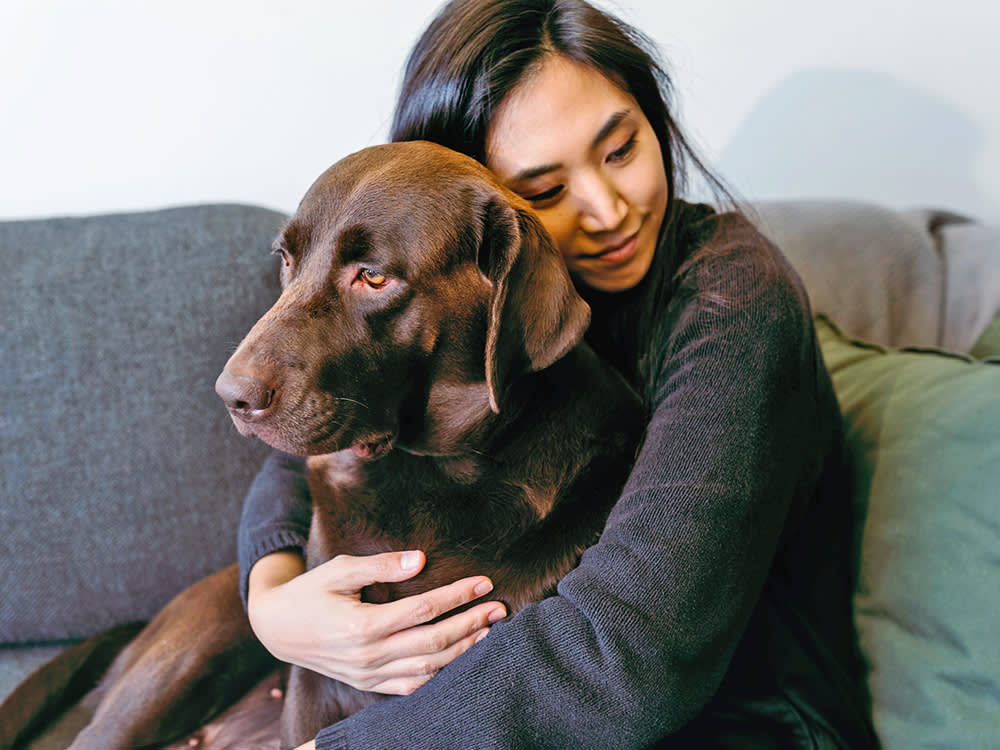
Every song, movie, and well-meaning friend spends the season ordering everyone to feel merry and bright, which, if you’ve ever actually felt the winter blues, can land more like a demand than a comfort. Here’s a less obvious cure than another round of Joni Mitchell’s “River” on repeat: foster an animal. Picture the fireplace, the hot chocolate, and a dog or cat curled against you who genuinely needs to be there. It helps you. It helps them far more.
Because behind the tinsel, the holidays are quietly the hardest stretch of the year for shelters and rescues. To understand why, and why a few weeks of your time matters so much right now, it helps to hear from the people living it. Maria Reask of Badass Animal Rescue in Brooklyn walked us through what fostering does at the season’s worst moment. Here are six reasons to consider it.
1. You close the gap when rescues are most exposed
The holidays are chaos for animal welfare. Shelters overflow, and foster-based rescues, the ones with no physical building at all, get hit hardest, because so many of their reliable, year-round foster families leave town for the season. Badass is exactly that kind of organization: no shelter, just a network of homes that hold dogs until adoption. When the regular fosters travel, the rescue urgently needs “temp fosters” to fill those beds. As Reask puts it, this is the toughest time of year for groups like hers, and anyone staying in town with the space to take a dog is a lifeline. Signing on for even a couple of holiday weeks plugs the exact hole that opens up in December.
2. You give a stressed-out animal a real haven, and the science backs this up
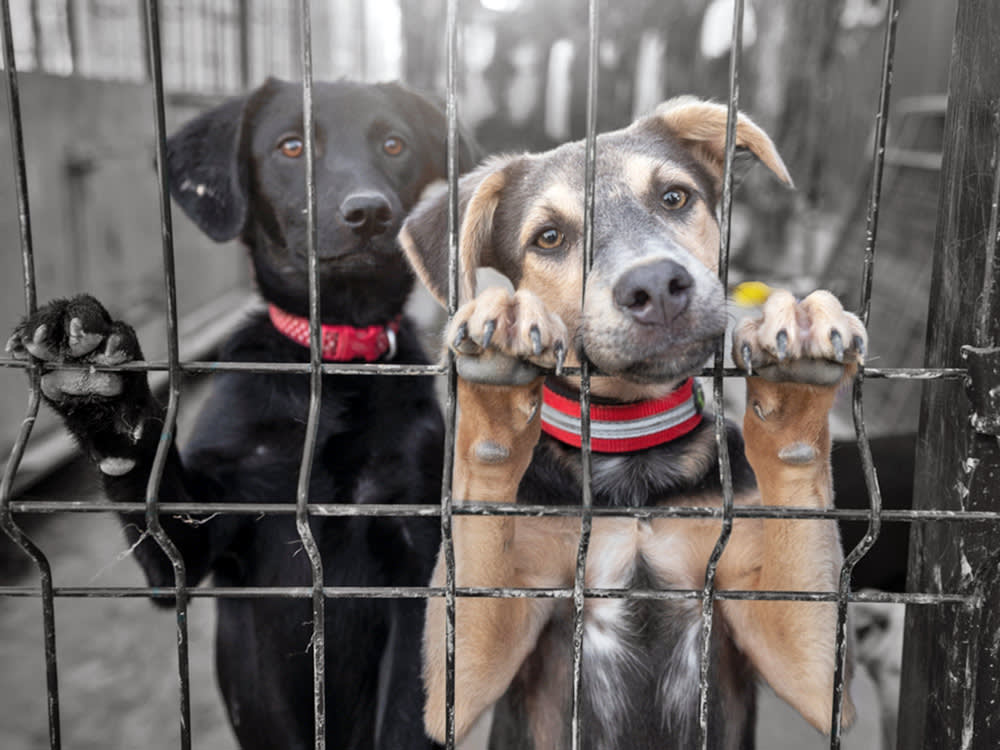
A shelter, however dedicated its staff, is loud, crowded, and unpredictable, a revolving door of new faces all day long. That is not the calm any animal deserves, and it takes a measurable toll. In a foster home, a dog gets consistency: the same people, the same routine, a quiet corner that’s theirs. This isn’t just a nice sentiment. Research on temporary fostering has found that even short stays away from the shelter meaningfully lower a dog’s stress, and that they rest better during and right after the break. A calmer animal is a healthier, happier one, and, as it happens, a more adoptable one.
“A shelter kennel keeps a dog in a low-grade state of alarm, and we can actually measure it in their stress hormones. Move that same dog into a quiet home for even a night or two and the numbers drop. Fostering isn’t just kind, it’s a genuine health intervention,” says Dr. Lena Park.
3. You literally save lives, because capacity is the whole game
For a foster-based rescue, the math is brutal and simple: they can only take in as many animals as they have homes for. Every foster bed is a life they can say yes to; every bed they lack is a life they can’t. Reask is blunt about it, foster families directly save the dogs they house by giving them somewhere to land, plus the care and training that readies them for adoption. Become the quiet hero in one animal’s holiday story and you’re not being sentimental. You’re moving a real number.
4. You make the animal far more likely to get adopted
A dog placed in a foster home is likelier to get adopted than one who waits it out in the shelter, and the reason is straightforward: home life socializes them. It builds the confidence and adaptability that a kennel actively erodes. Reask has watched dogs arrive timid and shut down from whatever they’d been through and, weeks later, transform into relaxed, thriving animals, purely because a foster gave them the environment to. That transformation is often the difference between a dog who gets passed over and one who gets chosen.
5. You surface the dog’s true personality, which is what gets them matched
A shelter kennel hides who an animal actually is. A living room reveals it. Spend real time with a foster dog and you unwrap the whole thing, their quirks, their preferences, the lovable habits that never show up under fluorescent lights and barking. That knowledge is gold for the rescue, because “great with kids, ignores the cat, loves a morning walk, hates being alone” is exactly the information that lands a dog with the right family instead of the wrong one. Your cozy holiday home is where a dog gets to show a future adopter who they really are.
6. It’s the lowest-stakes way to find out if you’re ready for a pet
Maybe you already have a pet, maybe you’re circling the idea of getting one. Fostering lets you experience the full reality of caring for an animal without a lifetime commitment attached, and it answers the “could I actually do this?” question honestly. If you’re not sure you’d qualify, most rescues make it easy to find out; the general bar is simply whether you can provide a safe home and understand the responsibilities involved. The first official step is almost always a foster application, and the supplies typically come from the rescue, not your wallet.
The one honest caveat
Saying goodbye is hard, and fostering over the holidays means you may fall for a dog you have to hand off in January. That ache is real. But it’s the feeling of a job done exactly right: you were the bridge between a frightened animal and its family, at the moment of year the bridge was needed most. Some fosters manage it by keeping their eyes on the next animal who needs the bed. Others “foster fail” and adopt. Either way, you gave a second chance that wouldn’t have existed otherwise.
References
Nina Vasquez writes about life at home with pets and the relationships at the heart of it. Her work covers day-to-day living, people-and-pet stories, and the products that fit into a real household, with a warm, grounded take on everyday pet ownership.
Meet our experts ↗Keep reading
 LivingDon't Be a Hero. Be a Witness.Leila Torres · 7 min
 LivingLA's Big Shelter Idea: Pay People to FosterMarcus Webb · 4 min
 Living18 Pet Charities That Turn Your Giving Tuesday Dollar Into a Real RescueJordan Ellis · 8 min
 LivingWhen ICE Takes the Family, the Dog Is Left in the YardNina Vasquez · 6 min
 LivingThe Barrier Between People and Their Pets Isn't the Animals. It's the SystemJames Okafor · 5 min
 LivingThe Pets Who Survived Hurricane Milton Left Before It HitMarcus Webb · 4 min