


Petunias Are Safe for Cats. The Pot They're Sitting In Might Not Be
Petunias are genuinely non-toxic to cats, which is exactly why people stop paying attention. The real hazards are in the soil, the fertilizer, and the plastic, not the flower.

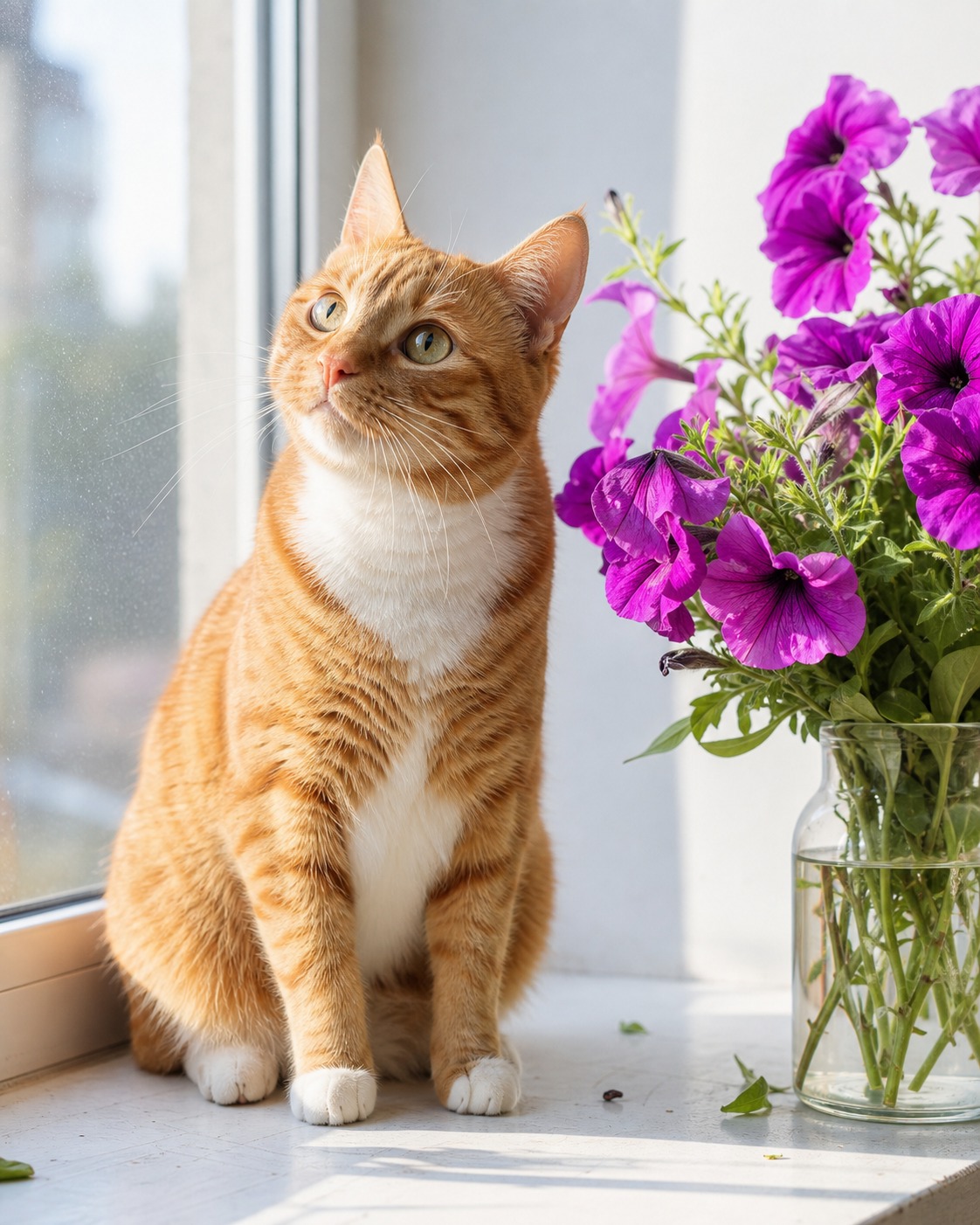
Good news first: petunias are not going to poison your cat. The common garden petunia, Petunia atkinsiana, sits squarely on the ASPCA’s non-toxic list, and a curious cat who licks a bloom or chews a leaf is in no chemical danger. If you have been keeping these cheerful trumpet-shaped flowers at arm’s length out of fear, you can relax about the flower.
But “non-toxic” is one of the most quietly misleading phrases in pet safety, because of what people do the moment they hear it: they stop watching. And with a potted petunia, the flower was never the thing worth watching. The hazards are in the soil, the fertilizer, the mulch, and the little plastic stake with the price on it. The plant is safe. The planting often is not. That is the article.
Why the flower itself is fine
Petunias contain none of the compounds that make so many other plants dangerous, no cardiac glycosides like foxglove, no insoluble calcium oxalates like a peace lily, no cyanogenic glycosides like a hydrangea. Chemically, a petunia is about as boring and benign as a flowering plant gets for a cat.
The only way the petunia itself causes trouble is by volume. Cats are obligate carnivores with guts built for meat, not salad, so a cat who eats a large amount of any plant, toxic or not, can get vomiting, diarrhea, or gas purely from the fibrous, indigestible material. That is mechanical, not toxic, and it is the same upset they would get from gorging on grass. A nibble does nothing. A binge might earn you a hairball-adjacent mess on the rug. Neither is poisoning.
So if the flower is this safe, where does the danger come from?
The real hazards live in the pot
Here is the reframe. A potted petunia is not one object; it is a small ecosystem of things a cat might ingest, and several of them are genuinely risky. When a cat gets sick “from the petunia,” the petunia is usually innocent and one of these is the culprit.
- The soil. Potting and garden soil can harbor intestinal parasites and their eggs, plus fungal spores. A cat who digs, then grooms their paws, or who eats soil along with the leaves, can pick up more than dirt. Outdoor beds fertilized with manure-based products are a particular concern.
- Fertilizer. This is the big one people overlook. Plant foods and fertilizers, especially those high in nitrogen, iron, or with added insecticide, can cause vomiting, diarrhea, and in larger amounts more serious toxicity. Bone-meal and blood-meal fertilizers are also intensely attractive to pets and can clump in the stomach.
- Systemic pesticides. Many “feed and protect” products are systemic, meaning the chemical is drawn up into the plant tissue itself. On a treated petunia, the leaf a cat chews can carry the pesticide even though the petunia is non-toxic on its own. Always read what went into the pot.
- Mulch. Cocoa-bean mulch contains theobromine, the same compound that makes chocolate dangerous, and some cats are drawn to its smell. Other mulches can be treated or moldy.
- Plastic and packaging. The plastic plant marker, a chewed shard of a thin nursery pot, a bit of netting, these are choking and gastrointestinal-obstruction risks. A non-toxic plant in a chewable plastic pot is still a hazard, just not a chemical one.
Read that list and the lesson is obvious: making a plant cat-safe and making a planting cat-safe are two different jobs, and only the first one is finished when you confirm the petunia is non-toxic.
What to do if your cat raids the petunias
Because the flower is non-toxic, a calm, bright cat who took a small nibble needs nothing more than a quick check that it really was a petunia and not a lookalike. Plant ID matters, because plenty of toxic plants resemble safe ones, and the safe assumption (“it’s just a petunia”) is exactly the assumption that gets cats in trouble. If you are not sure what your cat ate, identify it with a reliable resource like the ASPCA’s toxic-plant database, or call your vet or a poison line.
Where you should act quickly is when the surrounding hazards are in play. Tell your vet not just “she ate a petunia” but “the pot had slow-release fertilizer in it” or “it was mulched with cocoa shell” or “I think she swallowed the plastic tag.” That context changes everything about how the case is handled.
Get to the vet promptly if your cat shows any of these, which point to a real toxin or an obstruction rather than simple plant-fiber upset:
- Repeated vomiting or diarrhea, or blood in either
- Drooling, a sore or swollen mouth, or pawing at the face
- Tremors, wobbliness, or any neurological change
- Lethargy, hiding, or refusing food
- Difficulty breathing, which is always an emergency
- Straining or signs of belly pain, which can signal an obstruction from swallowed plastic
Treatment for plain plant-matter upset is usually just monitoring, or anti-nausea medication and fluids. Toxin and obstruction cases need real intervention, which is exactly why the distinction is worth making at the door.
Building a planting your cat can live with
You do not have to give up petunias. You have to manage the parts around them.
- Mind the soil. Use fresh, pet-safe potting mix, avoid manure-based amendments where your cat digs, and keep cats out of freshly fertilized beds.
- Skip the systemics. Choose pet-safe pest control over systemic insecticides on any plant your cat can reach, and never use cocoa-bean mulch in a home or yard with pets.
- Remove the chewables. Pull plastic markers, clean up shed packaging, and pick a sturdy pot that does not flake.
- Control the access. Indoors, a closed-door room keeps a determined nibbler away from the whole setup. Outdoors, the safest answers are a catio or supervised, harnessed time, which also protect your cat from traffic, predators, and the neighbor’s pesticides.
Do not trust “out of reach” alone. Cats are parkour artists, and a windowsill or high shelf is a destination, not a deterrent. Anything that can genuinely hurt them, real toxins, medications, chemicals, belongs somewhere they cannot get to at all.
The bottom line
Petunias are a great, genuinely cat-safe flower, and you should feel good about putting them in a pet home. Just remember what “non-toxic” actually licenses: the flower, and only the flower. The fertilizer, the soil, the mulch, the systemic spray, and the plastic tag are where cats get hurt. Make the whole planting safe, not just the petunia, and you can have the color and the cat both.
References
- “Petunia.” ASPCA Toxic and Non-Toxic Plants. https://www.aspca.org/pet-care/animal-poison-control/toxic-and-non-toxic-plants/petunia
- “People Foods to Avoid Feeding Your Pets / Garden & Household Hazards.” ASPCA Animal Poison Control. https://www.aspca.org/pet-care/animal-poison-control
- “Fertilizer Toxicity in Animals.” Merck Veterinary Manual. https://www.merckvetmanual.com/toxicology/household-hazards/fertilizer-toxicity-in-animals
Common questions
If petunias are safe, what is the actual risk?
Everything around the petunia. Potting soil can carry intestinal parasites and fungi, fertilizers and systemic pesticides are toxic, cocoa or treated mulch is dangerous, and plastic plant markers and bits of pot can cause a gut obstruction if chewed and swallowed. The flower is the safest thing in the arrangement; the growing setup is where cats actually get hurt.
Can eating petunias still make my cat sick?
Indirectly, yes. Any cat that eats a large volume of plant matter, even non-toxic plant matter, can get vomiting, diarrhea, or gas, because cats cannot digest fibrous greenery. So a cat who gorges on petunias may still throw up, not from a toxin but from the sheer amount of indigestible material.
How do I let my cat enjoy plants safely?
Keep the petunias, but manage the hazards: use unfertilized or pet-safe soil, skip systemic pesticides and cocoa mulch, remove plastic markers, and supervise outdoor time or use a catio. The goal is a cat-safe planting, not just a cat-safe plant.
Not a substitute for your vet. Our guidance is educational. For urgent symptoms, contact a vet or emergency clinic right away. Editorial standards
Dr. Solis is a board-certified veterinary dermatologist with over twelve years of clinical experience. She advises on skin conditions, allergies, and grooming practices that affect coat and skin health. All dermatology and allergy content at The Pet Times is reviewed by her team before publication.
Meet our experts ↗Keep reading
 Health & WellnessThe Poinsettia Myth Is More Dangerous Than the PoinsettiaDr. Priya Nair · 6 min
 Health & WellnessPine Needles Aren't the Scariest Thing on Your Cat's Christmas TreeDr. Mara Chen · 7 min
 Health & WellnessThe 'Stray Cat Telegraph' Is Nonsense. It Still Beats Standing on the Porch Yelling.Dr. Nina Kohl · 7 min
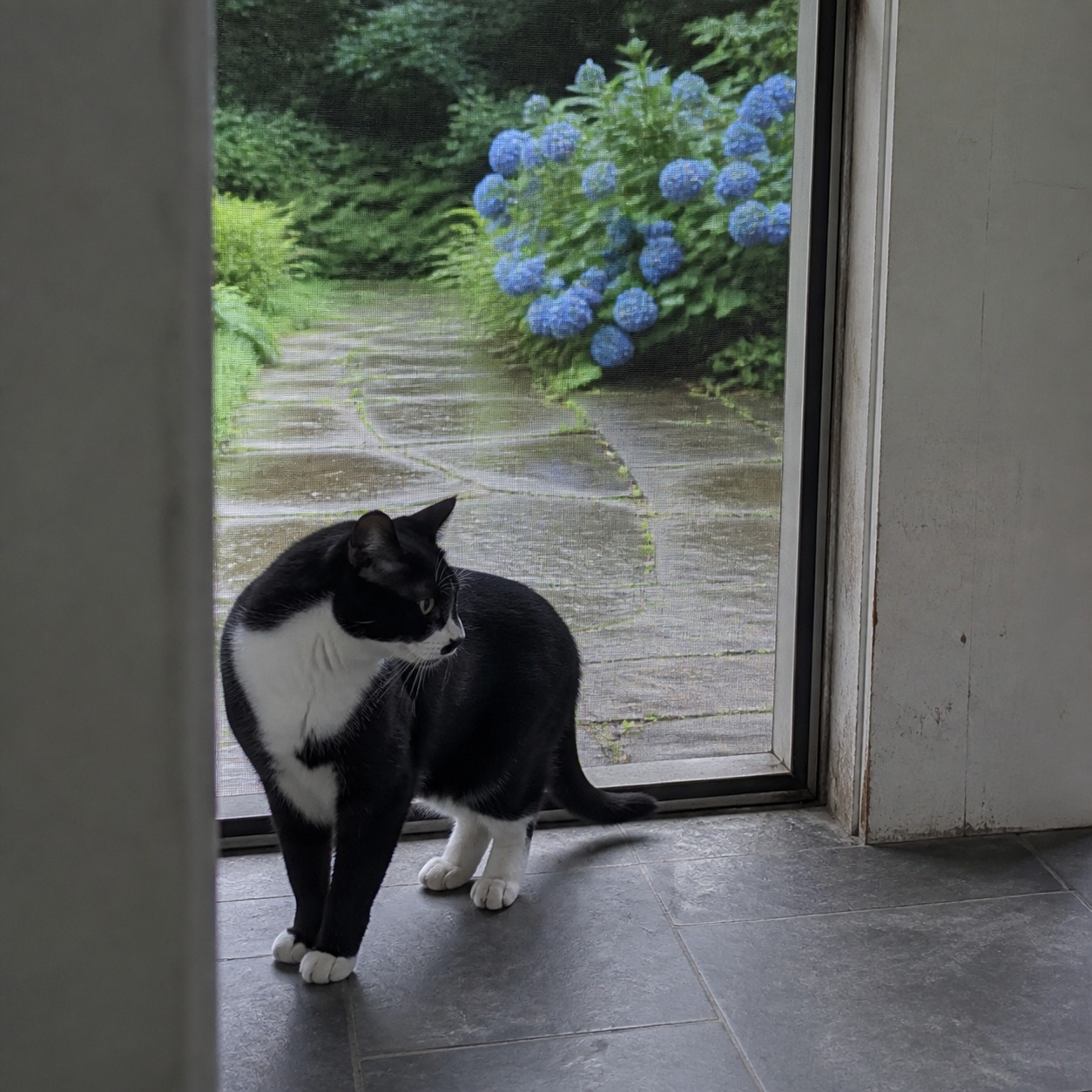 Health & WellnessHydrangeas and Cats: The Real Risk Is a Stomach Ache, Not CyanideDr. Nina Kohl · 6 min
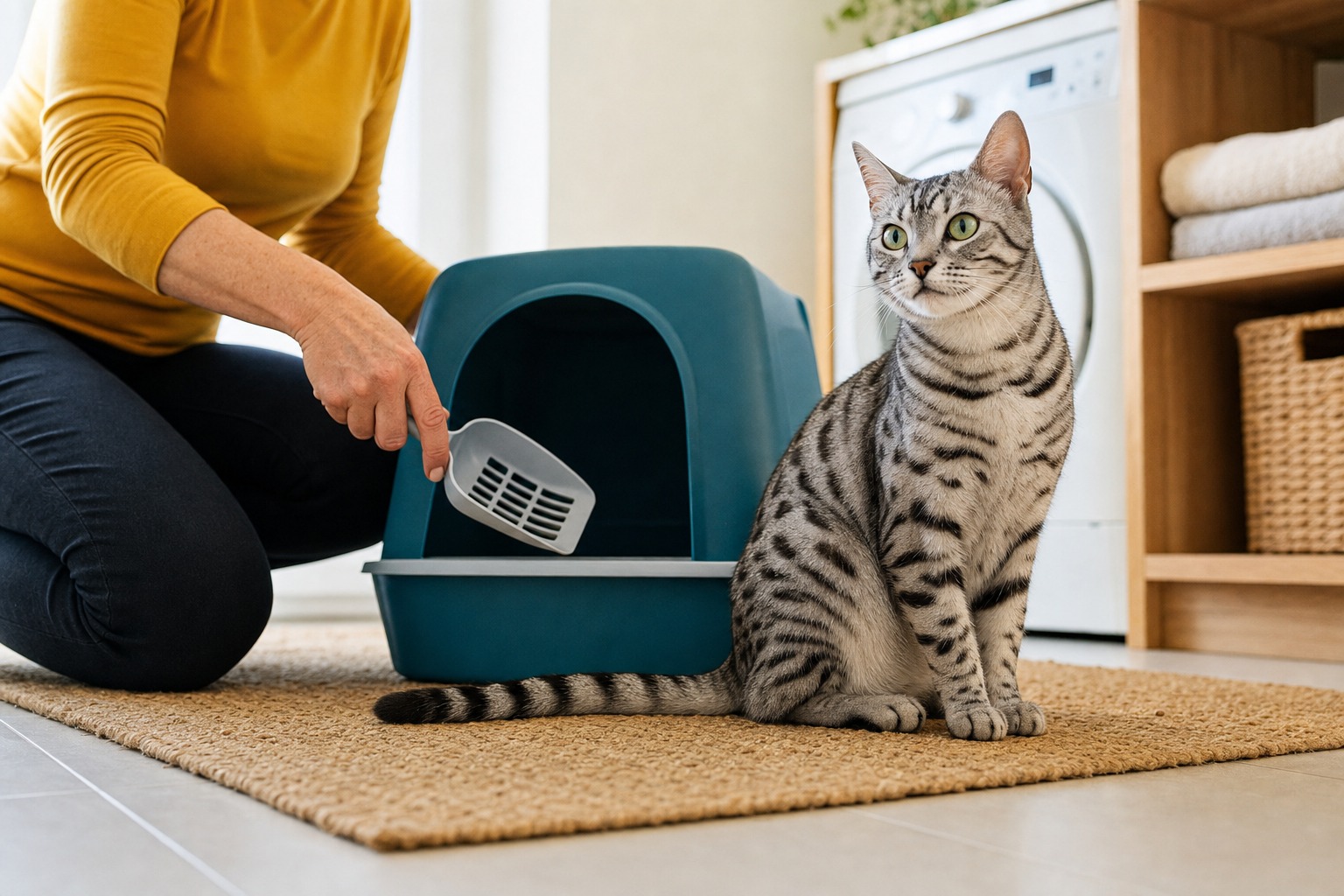 LivingThe Litter Scoop in the Dishwasher: It Was Never About the IckNina Vasquez · 5 min
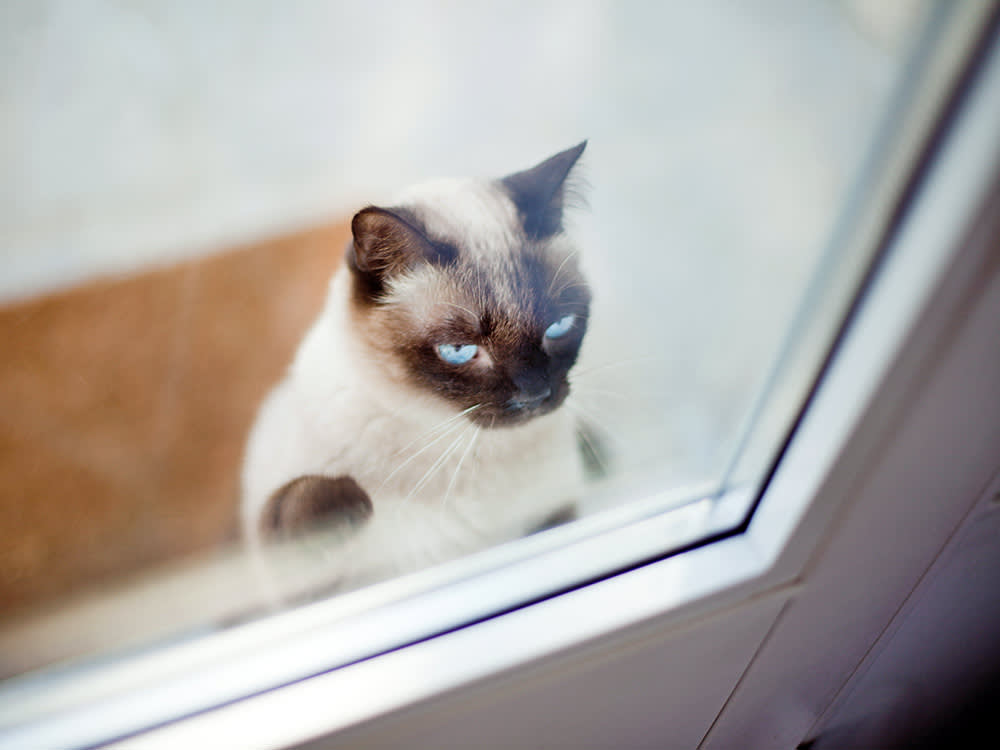 Health & WellnessBringing an Outdoor Cat Inside Isn't Cruel. Doing It All at Once Is.Dr. Nina Kohl · 8 min