


Your 'Non-Toxic' Houseplant Can Still Land Your Pet at the Vet
Pet-safe plant lists tell you the leaves won't poison your dog. They don't tell you about the soil, the fertilizer, the pest spray, or the fact that non-toxic still means vomiting. Here's how to build a genuinely pet-proof plant shelf.

Affiliate disclosure. This article contains affiliate links. We may earn a small commission if you buy through a link, at no extra cost to you. How we handle recommendations.
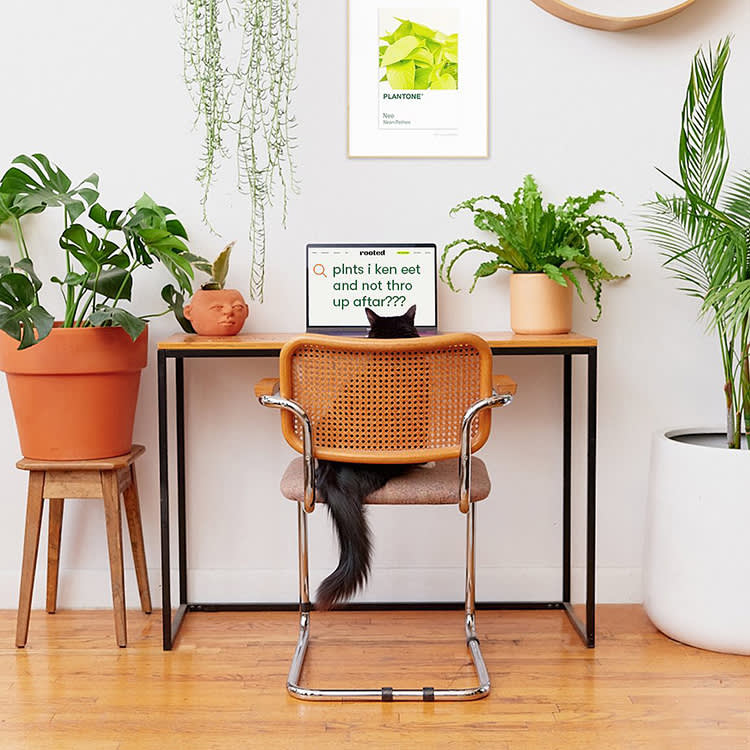
There is a specific kind of anxiety that arrives when your plant-owning partner moves in with your leaf-chewing dog. You stand in the doorway, look at the ferns and the fronds and the trailing thing on the bookshelf, and start mentally pricing an emergency vet visit.
The usual fix is to go find a “pet-safe plant” list and buy from it. That fix is about 70 percent of the answer, and the missing 30 percent is where people actually get burned.
Because here is what a non-toxic label really means: this plant will not poison your pet. It does not mean your pet can eat it. It does not say anything about the potting mix, the slow-release fertilizer pellets, the pest spray you used last week, or the ceramic pot that will shatter into shards when a cat launches off the shelf. Those are the parts that send pets to the clinic.
So let’s do this properly. Build the safe shelf, then buy the plants.
”Non-toxic” is a poison rating, not a permission slip
The ASPCA’s plant database, the one nearly every pet-safe list is quietly built on, sorts plants by whether they contain compounds that are toxic to dogs, cats, or horses. That is genuinely useful. It is why a lily is a five-alarm emergency for a cat and a Boston fern is not.
But almost any plant material, eaten in quantity, will cause vomiting or diarrhea, because dogs and cats are not built to digest a bunch of fibrous leaves. A pet who eats half a non-toxic prayer plant is very likely to throw it up on your rug. That is unpleasant and occasionally expensive. It is not the same as poisoning.
Knowing the difference lowers the panic. It should not lower the vigilance.
The four hazards nobody puts on the plant tag
1. The soil. Some potting mixes contain slow-release fertilizer pellets, and some contain compost or manure-based amendments. Both are attractive to dogs and both cause GI upset. If you have a soil-eater, top-dress your pots with a layer of large river stones the pet cannot swallow.
2. The fertilizer. Concentrated liquid fertilizer is far more likely to hurt your pet than the plant it feeds. Store it like you would a cleaning product, and keep the pet out of the room for a few hours after you feed the plants.
3. The pest treatment. This is the big one, because it is the step people forget to check. A pet-friendly plant sprayed with a non-pet-friendly insecticide is a hazard. Read the label on every spray, and be especially wary of anything with permethrin, which is dangerous for cats even in small amounts.
4. The pot and the fall. A heavy ceramic pot on a floating shelf is a cat-launched projectile waiting to happen. So is a top-heavy plant on a narrow plant stand. Put weight low, use wide-based stands, and keep the fragile stuff out of the acrobatics zone.
“Most of the plant calls we take are not poisonings, they are gastrointestinal messes, and a good number of them trace back to something we put on the plant rather than the plant itself,” says Dr. Nina Kohl. “If you remember one thing, make it this: check the label on the pest spray, and store the fertilizer where the dog cannot get to it.”
The shortcut: buy the whole shelf pre-vetted
If you do not want to cross-reference every purchase against a toxicity database, the fastest route is to buy from a curated pet-safe assortment and skip the research entirely.
Rooted (heyrooted.com) is a New York City plant shop that does exactly this. Their Pet-Friendly Assorted Box, listed at $88 and frequently discounted to $65, ships four ASPCA-listed pet-friendly plants in 4-inch grower pots. The assortment varies, but it pulls from the reliable non-toxic bench: parlor palm, Boston fern, staghorn fern, lemon lime prayer plant. They back it with a 14-day guarantee on damaged plants, replacing them and sending revival tips rather than shrugging.
What makes it worth the money is not the plants, which you could source individually. It is that somebody already did the filtering, and you get four of them at once instead of researching four separate purchases.
Rooted also sells the plants à la carte in small, medium, and large sizes, plus planters, stands, pest control, and nutrient sprays. Do not assume the accessories inherit the plants’ safety rating. Check the ingredients on any spray before it goes near a plant your pet chews.
If you would rather buy on Amazon, Rooted lists a Baby Furry Friends Box there with a smaller-size version of the same idea.
Five plants that are actually easy to keep alive
A pet-safe plant you kill in three weeks helps nobody. These earn their spot because they are both non-toxic to dogs and cats and forgiving of neglect:
- Parlor palm. Handles low light, tolerates dry spells, grows slowly enough to stay a reasonable size.
- Boston fern. Wants humidity, so it thrives in a bathroom, which is also a room your pet spends less time chewing in.
- Calathea and prayer plants. Dramatic leaves, dramatic personality about water quality. Use filtered water and they behave.
- Spider plant. Nearly indestructible. Worth knowing that cats find it unusually attractive, so put it high.
- Ponytail palm. Technically a succulent, stores water in its trunk, forgives you for going on vacation.
What’s new since this was written
Two things worth knowing if you are shopping now.
The ASPCA Animal Poison Control database remains the free, searchable source underneath nearly every “pet-safe plant” list you will find online, and it is the one to check before you buy anything not on a curated list. It is more reliable than a blog roundup because it is maintained by the people who take the emergency calls.
And the pet-safe plant category has quietly grown up. What used to be a niche filter on a plant shop’s website is now a full product line with subscription options and box formats at several price points, which means you can start smaller than a $65 four-plant box if you want to test whether your dog is genuinely a leaf-eater before committing.
The honest bottom line is that pet-safe plants are not a way to stop worrying. They are a way to make the worst case a stained rug instead of a hospital bill. That is a very good trade, and it is worth $65.
References
- ASPCA Animal Poison Control Center. Toxic and Non-Toxic Plants List.
- Pet Poison Helpline. Fertilizer poisoning in dogs and cats.
- Pet Poison Helpline. Permethrin toxicity in cats.
- Hey Rooted. Pet-Friendly Assorted Box.
Sasha Ford is a certified cat behaviour consultant who has worked with shelters, catteries, and private clients across the country. They review all feline behaviour content at The Pet Times, with expertise in multi-cat households, indoor enrichment, and stress-related disorders.
Meet our experts ↗Keep reading
 Living'Pet-Safe' Is a Marketing Word. Read the Label Instead.Dr. Nina Kohl · 7 min
 Product PicksA Designer Dog Collab Lives or Dies on a Hole in the BackSasha Ford · 6 min
 Product PicksYour Cat Will Probably Ignore This $13 Gift. Buy It Anyway.Sara Lim · 6 min
 Product PicksThe Bridgerton Dog Collection Was Supposed to Sell Out. Two Years Later, It's Still Here.Leila Torres · 5 min
 LivingThe Cat Decides When the Photo Shoot Is Over. Never the Photographer.Sasha Ford · 6 min
 Living"Dogs Ruin Good Interiors" Is a Lie Told by People With Bad SofasSasha Ford · 6 min