


The Oldest Cat Ever Drank Wine and Coffee. Please Don't Copy Him.
Creme Puff lived to 38 on a diet of bacon, broccoli, and a daily eyedropper of red wine. The internet wants that to be the secret. Two things it definitely wasn't: the wine and the coffee. Here's what a vet says actually kept those cats alive.

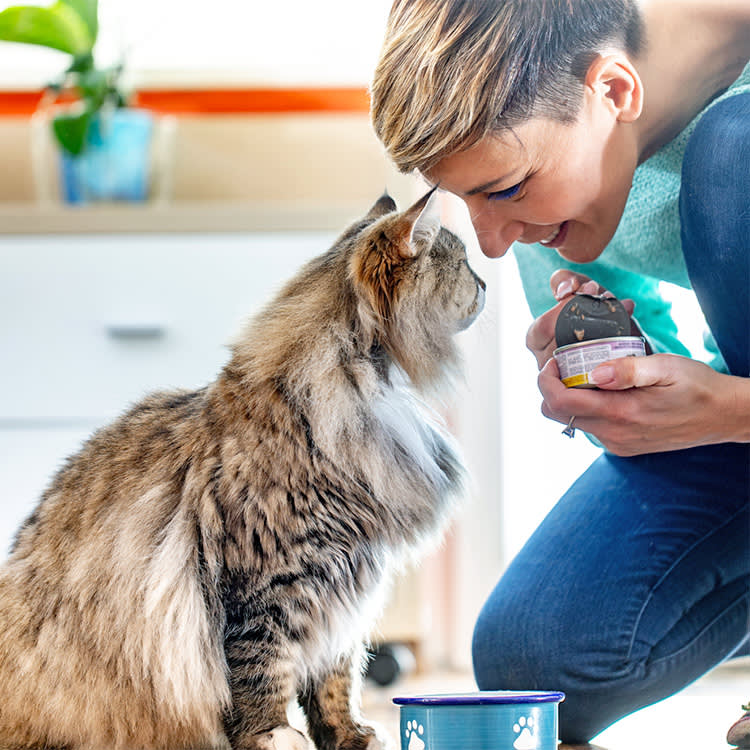
Creme Puff, a mixed tabby from Austin, Texas, holds a record no cat has come close to touching: she lived 38 years and 3 days, from August 1967 to August 2005, more than twice the lifespan of a typical house cat. Her owner, a retired plumber named Jake Perry, had a whole household of impossibly old cats, dozens at a time, and by his account roughly a third of them reached 30-plus. He credited a diet he invented himself: dry cat food, eggs, turkey bacon, broccoli, coffee with cream, and, every other day, an eyedropper of red wine to “circulate the arteries.”
That diet has been making the rounds on social media again, and you can see the appeal. It’s weird, it’s specific, and it comes attached to a genuine world record. The problem is the conclusion people are drawing from it. Correlation is not a recipe, and a couple of the star ingredients aren’t just unhelpful, they’re the two things on the list a vet would tell you never to give a cat. Let’s separate what almost certainly helped Creme Puff from what she survived in spite of.
Start with the two hard no’s
If you take nothing else from Creme Puff’s story, take this: the wine and the coffee were not the secret. They were the risk.
Coffee should never go anywhere near a cat. It offers zero essential nutrients and it contains caffeine, which is outright toxic to cats. Perry’s own vet once mused that maybe a little caffeine acted as a mild diuretic and eased the kidneys, but that’s a stretch nobody should build a feeding plan on, and the downside is a genuinely dangerous stimulant.
Red wine is the same story, only more so. Alcohol is harmful to cats, and even a small amount is risky; too much can be fatal. Yes, red wine contains polyphenol antioxidants, but there are a dozen safe ways to give a cat antioxidants that don’t involve pouring a nervous-system depressant into a 10-pound animal. Creme Puff lived a remarkably long life. She did it despite the eyedropper, not because of it.
Now the parts that actually made sense
Cats are obligate carnivores, meaning they need meat to survive, and the strongest elements of Perry’s diet were the ones that leaned into that. Here’s the ingredient-by-ingredient read.
The dry food is where it falls short. Feeding kibble as the entire base is the diet’s real weak point. Dry food is one of the harder things for a cat to digest, its carbohydrate load can drive inflammation, obesity, diabetes, and, because it’s so dry, contributes to kidney strain. Cats descend from desert animals and have a famously weak thirst drive, so they don’t reliably drink enough to make up for a bone-dry diet. Whatever else Creme Puff ate, an all-kibble foundation with no wet food to balance it is not a model to copy.
Eggs are a genuine win. They’re a nutrient-dense, highly digestible protein, best served raw or soft-boiled. The one caution: skip cooking them in butter or oil, because heated fats are hard on a cat’s digestive system and pancreas.
Turkey bacon is a maybe, leaning no. As an animal product it does deliver protein and fat a cat can use. The catch is salt and seasonings, and finding a turkey bacon that’s genuinely minimally processed, with no added salt or flavorings, is close to impossible. If you can’t, it’s better skipped.
Broccoli and greens are fine in a cameo. Leafy greens or broccoli can be beneficial, but only as a sliver of the diet, roughly five percent, and easier to digest if you steam or mince them. This is a garnish, not a food group.
Cream is a problem; there’s a better swap. Most cats are lactose intolerant, so cream can cause digestive upset. If your cat tolerates dairy it’s not dangerous, but a spoonful of plain kefir, or plain Greek yogurt, is a smarter way to offer something creamy.
So what should a cat actually eat?
Strip away the novelty and the honest answer is a diet built around fresh meat. Think fresh white meats (rabbit, turkey, chicken), a bit of fresh organ meat, with liver and heart being the real nutritional powerhouses, a modest handful of leafy greens, and small oily fish such as sardines for their omega-3s.
If raw prep isn’t your thing, you have good options. Gently cooked or frozen cat foods sold at an independent pet store cover the same nutritional ground. A freeze-dried product you rehydrate works too, just add extra warm, filtered water, since cats generally refuse cold food. And if fresh or raw is off the table entirely, canned food made with human-grade ingredients is a solid default, and it brings the moisture a dry-only diet lacks. Because cats won’t drink their way out of dehydration, serving a moisture-rich diet is one of the simplest things you can do to head off disease.
On the avoid list: quick-digesting carbs, corn, wheat, rice, potatoes, and cassava among them, which can feed obesity, metabolic problems like diabetes, and other long-term issues, plus added sugar, which has no place in a cat’s bowl. As always, your own vet is the right person to help you assemble a balanced version of any of this.
The secret Perry actually stumbled onto
There’s one more thing to help a cat live long that has nothing to do with the bowl: the rest of their life. Keeping a cat physically and mentally stimulated, staying proactive about their health with the right vaccine and deworming schedule for their situation, and lowering their stress all matter, because chronic stress and anxiety wear down the immune system and open the door to illness.
And that’s probably where Jake Perry’s real magic lived. Whatever you make of the wine and the kibble, the man clearly adored his cats and paid close, constant attention to them. A devoted owner who truly knows their pet’s needs is worth more to a cat’s lifespan than any single ingredient, quirky or otherwise.
People want the answer to be a food, because a food is easy to buy. But when I look at a story like this, the standout isn’t the bacon or the wine, it’s that someone was watching those cats closely enough, for decades, to catch problems early and keep them thriving. Feed fresh meat, keep water in the diet, skip the coffee and the alcohol entirely, and then give your cat the thing that actually moves the needle: your attention.
Creme Puff earned her record. Just remember what earned it: not a splash of wine, but a lifetime of someone paying attention.
References
- Guinness World Records. “Oldest Cat Ever.” guinnessworldrecords.com.
- Couch, Christina. “How to Raise a 165-Year-Old Cat.” Atlas Obscura, 15 Dec. 2015, atlasobscura.com.
- American Society for the Prevention of Cruelty to Animals. “People Foods to Avoid Feeding Your Pets.” ASPCA, aspca.org.
- Cornell Feline Health Center. “Feeding Your Cat.” Cornell University College of Veterinary Medicine, vet.cornell.edu.
Not a substitute for your vet. Our guidance is educational. For urgent symptoms, contact a vet or emergency clinic right away. Editorial standards
Dr. Mehta is a board-certified veterinary nutritionist who evaluates pet food formulations, ingredient quality, and the science behind dietary trends. He writes and reviews all nutrition content at The Pet Times, including our food rankings and feeding guides.
Meet our experts ↗Keep reading
 Health & WellnessYour Cat Isn't Picky. Your Cat Is Missing a GeneDr. Nina Kohl · 6 min
 FoodYour Cat Isn't a Picky Diva. It's a Supertaster Built for MeatDr. Mara Chen · 5 min
 FoodYour Cat Wants Your Salad. Here's What Lettuce Actually Does.Dr. Amara Solis · 4 min
 Health & WellnessYour Cat Is Dehydrated by Design. Here's How to Fix It.Dr. Priya Nair · 8 min
 Health & WellnessWet Food Rarely Gives a Cat Diarrhea. The Way You Switched It Usually DoesDr. Mara Chen · 9 min
 FoodForget the Clock: Build Your Cat's Feeding Schedule From Calories, Not Meal TimesDr. Mara Chen · 7 min