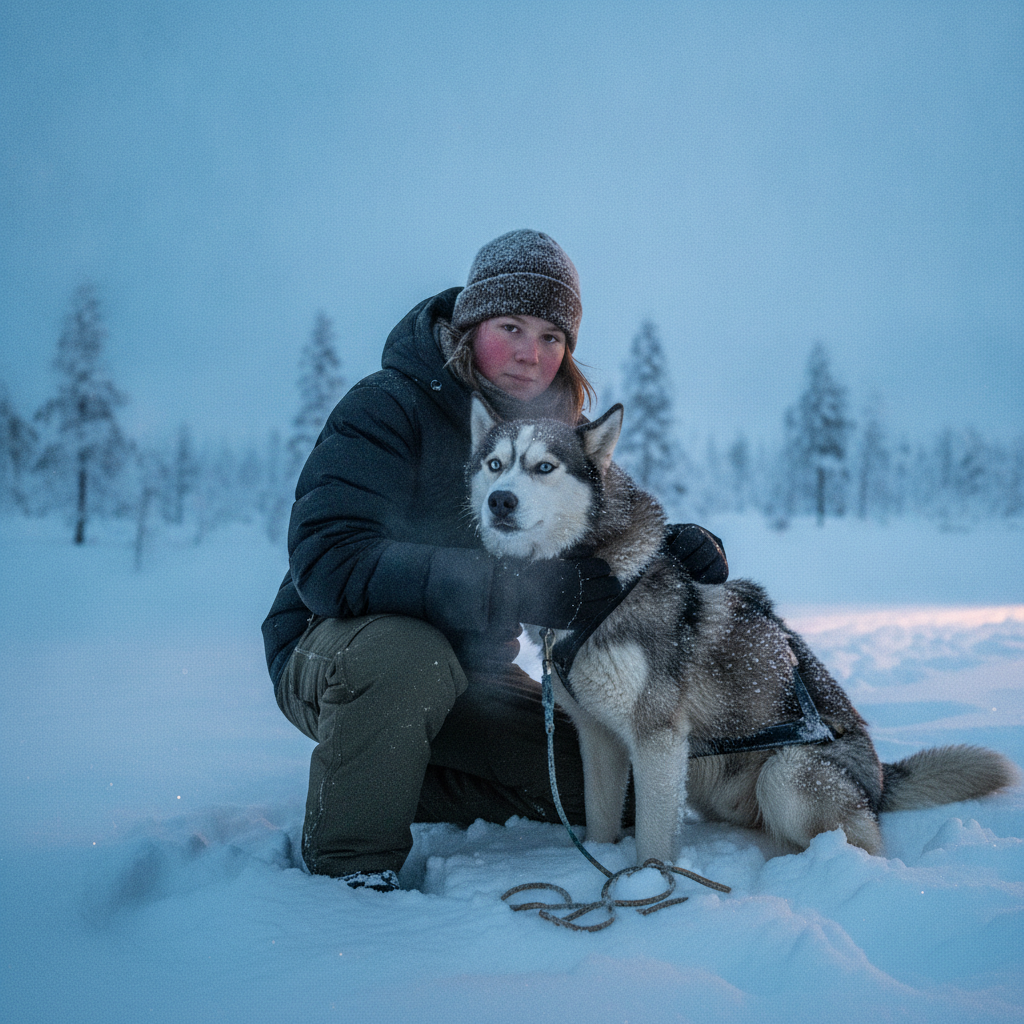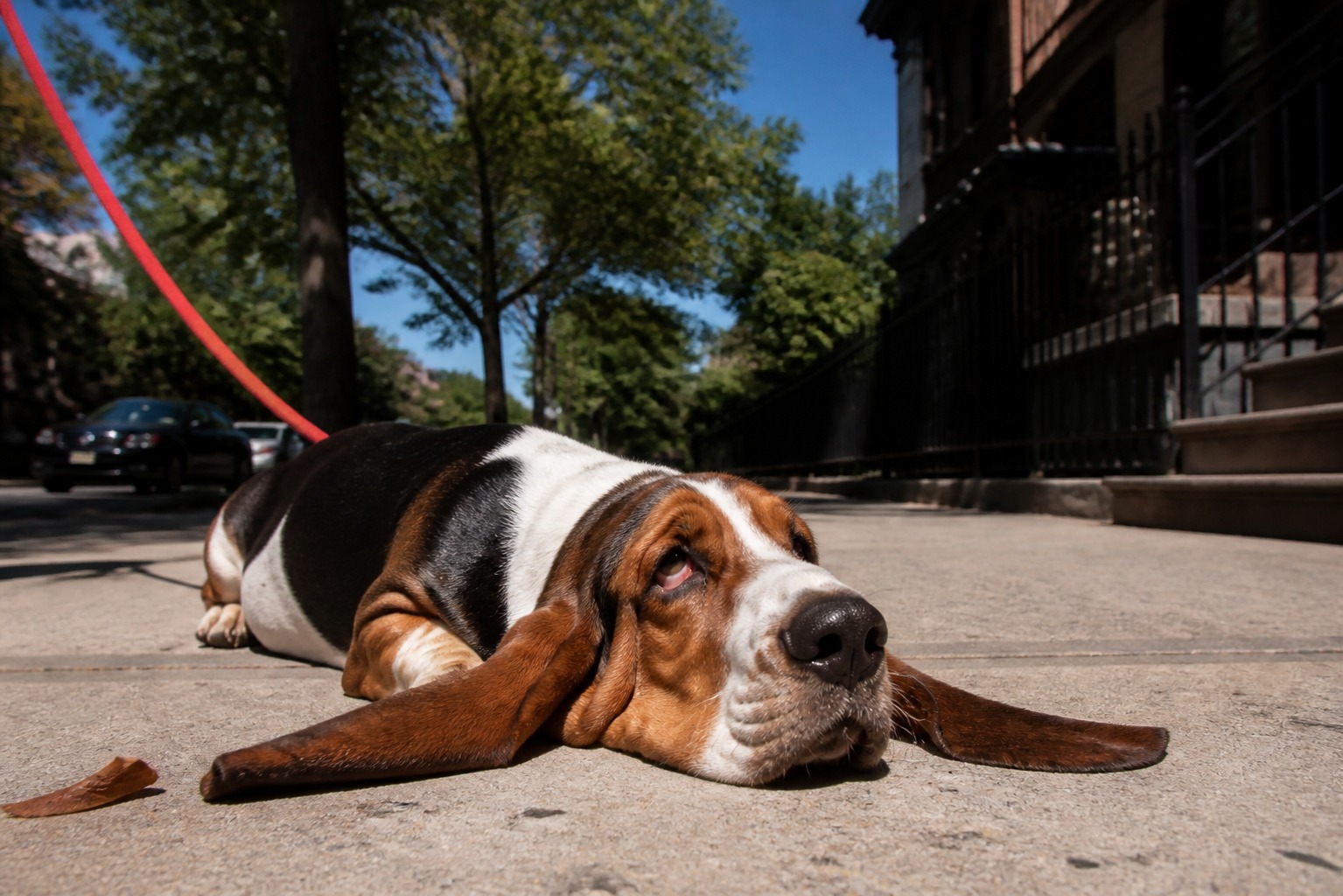

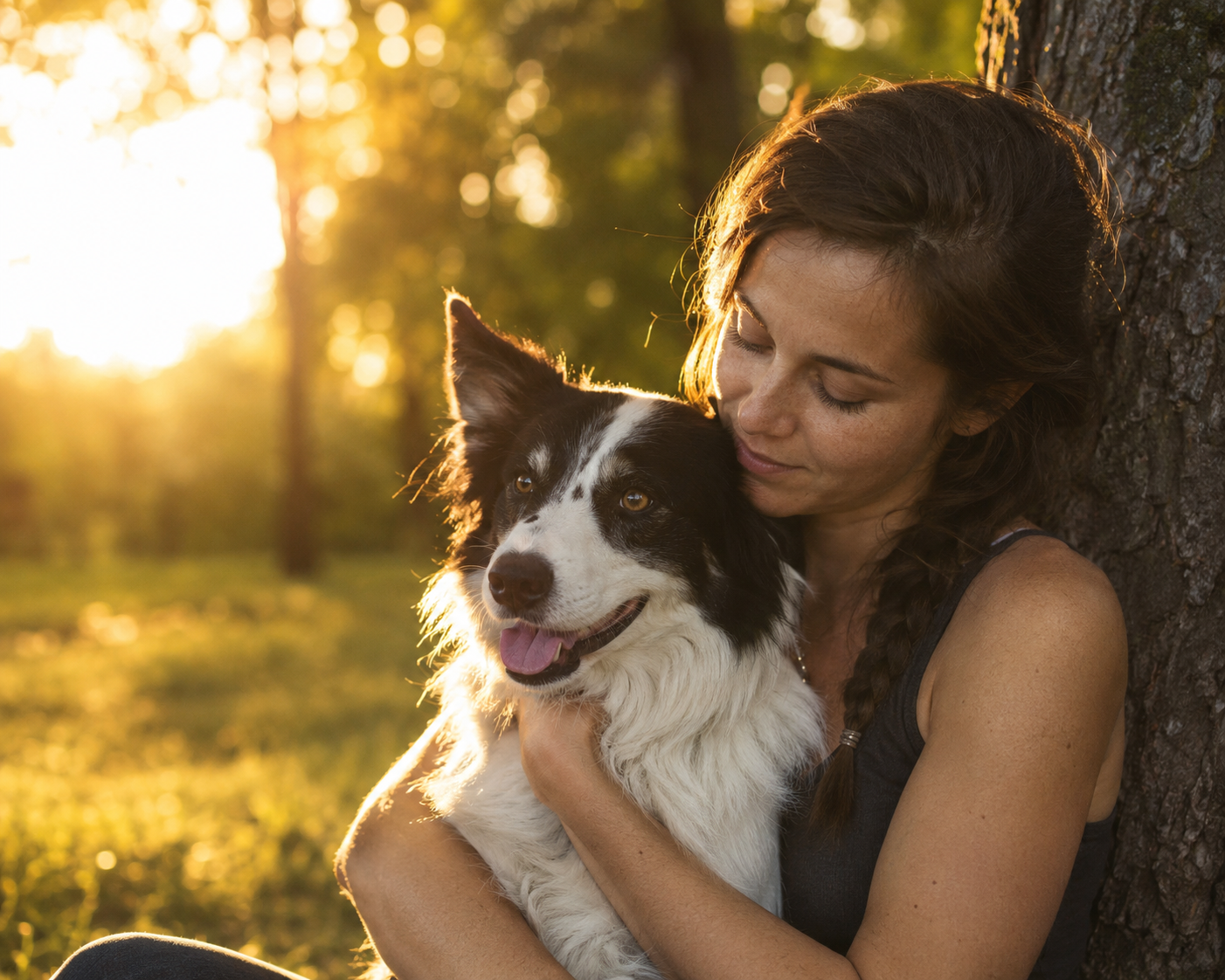
A dog named Moose came for an afternoon visit, and his owner offered a warning on the way out the door: “Moose doesn’t really play with toys.” Within an hour, Moose had played with nearly every toy in the house, plus a few things that were not toys at all. He flung a tug toy at his own face, shook a dish towel like prey, went joyfully feral over a squeaky bone, chased tennis balls, and tossed a fleece fox around the room. Moose, whatever his person believed, was extremely into toys.
So what had changed? Nothing about Moose. What changed was that, for one afternoon, he was the only dog in the room. And that small fact is the whole point of this piece: in a multi-dog household, one dog is often being quietly overshadowed, and you may have no idea until you see them on their own.
The thing you cannot see when they are together
At home, Moose lived with another dog, Zach, a devoted fetch-lover. Moose never went for the balls himself. When Zach chewed a bone or claimed a toy, Moose just watched, no matter how many were lying around. If his person handed Moose a toy directly, Zach would drift over and relieve him of it, and Moose let it go every time. His owner drew the reasonable conclusion: Moose isn’t a toy dog.
Except he was. He had simply been yielding to a housemate who habitually took possession, and because no one ever watched Moose alone, no one knew he was missing out. This is the trap of the multi-dog home. Many dogs are quietly prevented from doing what comes naturally, not through any drama, but through the ordinary give-and-take of living with another dog. A dog getting “mugged” for every bone and toy would almost certainly rather keep them if they could. You just never see the preference, because you never see the dog by themselves.
“The dog who seems indifferent to toys or food puzzles is very often the dog who has learned it is not worth the hassle when a housemate is around,” says Dr. Mara Chen. “Give that same dog fifteen minutes alone and a whole personality shows up. People are genuinely surprised, because they have never actually watched their dog be an only dog.”
Why time apart helps, even for best friends
This is not only about the overshadowed dog. Even dogs who are truly bonded, the ones who nap in a pile and hate to be separated, benefit from occasional time on their own. Absence really does make the heart grow fonder, and there are concrete upsides to arranging a little solo time:
- The dog gets undivided attention and more affection, without competing for it.
- A younger dog can get a harder, longer exercise session than an older housemate could tolerate.
- A dog who just wants quiet gets the calm that a one-dog moment provides.
- Training and play go better without another dog interrupting the flow.
There is also a myth worth clearing up. Plenty of owners insist their dogs cannot bear to be apart. Often the real issue is not being apart from each other; it is being left behind. Those are different problems. If two people live in your home, the easy fix is for each person to take one dog out to do something at the same time, so no dog is the one abandoned on the couch. If you live alone, leave one dog with something genuinely good to chew, a stuffed Kong is ideal, while you head out with the other.
Building the skill of being separated
If time apart is genuinely hard for your dogs, treat it as a skill to teach rather than a fact to accept. Start with very short separations and build up, so each dog learns to be comfortable on their own. This is worth doing even in a happy, peaceful household, because forced separations happen: one dog gets sick or injured and needs to go to the vet alone, and a dog who has never practiced being solo will struggle badly at the worst possible moment.
“The dogs who cope well with an emergency vet stay are the dogs who had practice being alone before the emergency,” says Dr. Mara Chen. “Short, calm, low-stakes separations now are a kind of insurance. You are teaching each dog that being on their own is safe and even pleasant.”
A little goes a long way
The good news is that individual time does not demand a schedule overhaul. You do not need to build hours of separate activities into every day. Even one solo walk a week, or a couple of short 15-minute play sessions, can make a real difference. A brief break is often enough to keep small irritations from stacking up, and dogs do get on each other’s nerves in ways that are not always obvious to us.
Most dogs living together are fine, and there is no problem to solve. But nearly all of them enjoy life a bit more with the occasional change of pace, a stretch of being the only dog in the room. Give it to them and you may just discover, as Moose’s owner did, a dog you did not fully know was there.