


The Two Things That Actually Go Wrong When You Move a Pet Across State Lines
Moving with a pet isn't mostly about comfort. It's about a bolting animal and a new state's paperwork. Handle those two things and the rest falls into place.

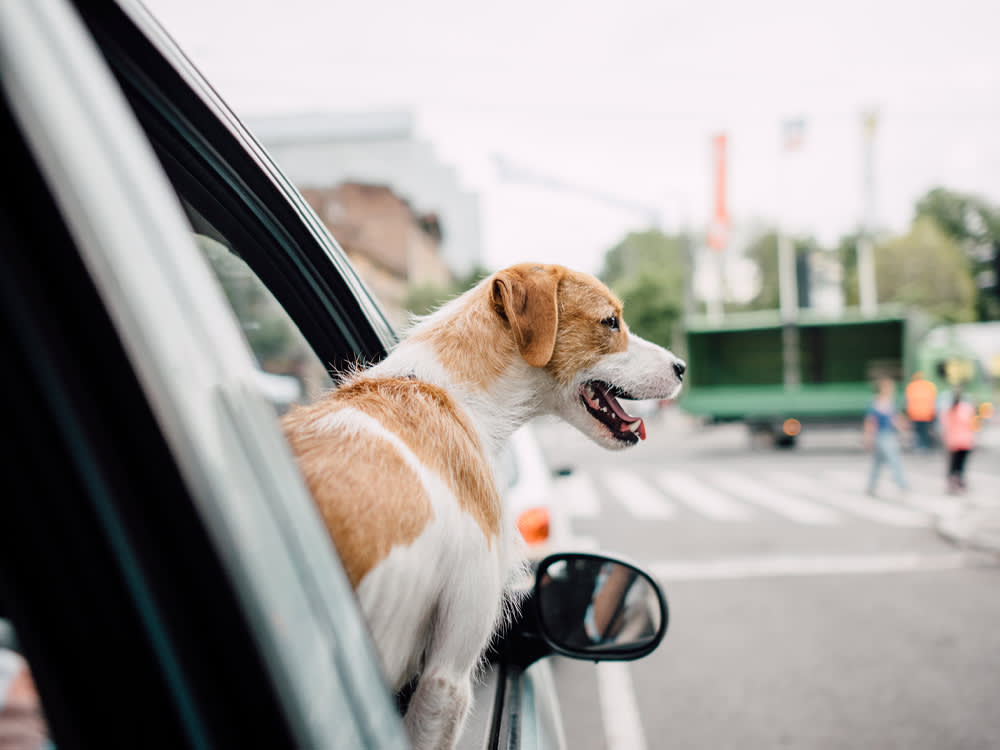
Moving ranks near the top of most lists of life’s most stressful events, and that is for humans who chose the move and understand why strangers are suddenly boxing up the couch. Your pet has no such context. To them, the world is simply coming apart, one packed box at a time.
Plenty of moving guides will tell you to bring a favorite blanket, and you should. But after years of watching moves go sideways, the pattern is clear: comfort is not where things break down. Two things are. Your pet gets loose in the chaos, or you arrive in a new state without the documents that state legally requires. Nail those two, and everything else is just tidying.
Problem one: the bolt
A frightened animal in a house full of open doors, unfamiliar movers, and stacked boxes is a flight risk, full stop. This is the failure that turns a stressful week into a heartbreak, so it deserves your attention before anything cozy.
The riskiest window isn’t the drive, it’s the pack-out, when the front door is propped open for hours and nobody’s watching the dog. Assume your pet will try to leave, and build the day so they can’t.
A few concrete moves close that window:
- Fix the ID before you touch a box. If your pet’s tags still show your old details, replace them, and above all make sure the phone number is current. If a spooked pet slips out, that number is the only thread connecting them back to you.
- Keep them contained while movers work. Leashed, crated, or better yet, dropped at a trusted friend’s house for a last playdate during the most tumultuous hours. Out of the chaos is out of danger.
- Ease into the boxes. Your pet clocks the change the moment cardboard appears. Instead of transforming the house overnight, bring a few boxes out early and act completely normal around them. Play fetch near them, treat them like furniture, and let your pet decide they are boring before you start filling them.
Problem two: the paperwork nobody checks
This is the one that catches responsible owners off guard, because it feels like a formality until it isn’t. Crossing a state line with a pet is a regulated act, and your destination sets the rules.
Most states require a Certificate of Veterinary Inspection (CVI), also called a health certificate, typically issued by your vet within 30 days of the move, along with proof of a current rabies vaccination. But the details vary enormously. Some states, including California and Texas, do not require a CVI for privately owned pets at all, while many others want the certificate and up-to-date shots in hand before you arrive. Because it is on you, not the movers, to sort this out, look up your specific destination early through USDA APHIS or ask your vet to walk you through it.
Registration is its own layer. Many places want proof of rabies vaccination and of spay or neuter, and unneutered pets sometimes carry higher registration fees. If you share your home with a so-called “bully breed,” add one more check: confirm your new city or county allows them, because breed-specific rules still exist in pockets of the country even as more states move away from them. It is far better to learn this from a website than from a landlord on move-in day.
While you are handling the official stuff, line up a new vet in the area and ask your current one to forward your pet’s full records, so your first appointment starts with the whole history on file.
The stuff that keeps them steady
With the two big risks handled, the rest is about giving your pet an anchor in the storm.
Protect the routine. When the house is a mess, it is tempting to let schedules slide, but consistency is exactly what your pet leans on. Keep breakfast at breakfast time and hold onto the morning walk if you possibly can. A predictable rhythm does more for a pet’s state of mind than any amount of reassurance.
Bring their food, not a substitute. A sudden diet change can wreck a pet’s stomach right when you least want to be scrubbing a carpet. Pack enough of their usual food to bridge the move, even if there is a pet store on every corner of your new town. Shipping delays and sold-out shelves are real, and consistency here is worth the extra bag.
Pack a comfort kit. Whether you travel by car or plane, tuck in a favorite toy or blanket. Familiar smells calm a pet mid-move and give you the makings of an instant safe space at the other end.
Once you’re there
Before you let anyone loose, do a walkthrough of the new place with fresh eyes: look for open windows, unlatched doors, and any glass that cracked in transit. Then let your pet set the pace. Some will tear through every room sniffing corners; others will creep. For a nervous one, toss treats into rooms to invite them in without pressure, and never force the tour.
Finally, take a walk. Circling the new neighborhood lets your pet start building the scent-map that will make this strange place feel like theirs, and who knows, they may sniff out a new friend along the way. That first real walk ranks among the most valuable things you can do on move-in day, precisely because it hands your pet back a sense of the world being knowable again.
References
- USDA Animal and Plant Health Inspection Service. Take a Pet From One U.S. State or Territory to Another (Interstate)
- American Veterinary Medical Association. Certificates of Veterinary Inspection (CVIs)
- American Kennel Club. Health Certificate Requirements by State
Common questions
Do I need a health certificate to move my pet to another state?
Often, yes. Most destination states require a Certificate of Veterinary Inspection (CVI), usually issued within 30 days of the move, plus proof of current rabies vaccination. Rules vary a lot by state (a few, like California and Texas, don't require a CVI for privately owned pets), so check your specific destination well in advance through USDA APHIS or your vet.
How do I keep my pet from bolting during a move?
Keep them leashed or crated while movers and open doors are in play, make sure their ID tags have your correct current phone number, and consider dropping them at a friend's house during the most chaotic hours of the pack-out.
How do I help my pet settle into the new place?
Do a safety walkthrough first, then let them explore at their own pace, tossing treats into rooms for a nervous pet. Keep their routine and food consistent, and take them on a walk around the new neighborhood so they can start mapping their world by scent.
Dr. Kohl is a board-certified veterinary dentist with a particular interest in preventive oral care. She reviews all dental health content at The Pet Times and contributes practical guides on home dental routines, professional cleaning, and oral disease prevention.
Meet our experts ↗Keep reading
 LivingTurbulence Is Getting Worse. The Pre-Flight Plan That Keeps Your Pet SafeSara Lim · 7 min
 LivingPets Keep Dying in Cargo Holds. One Country Wants to Force a Global Fix.Dr. Mara Chen · 4 min
 Health & WellnessIt's Illegal to Cook a Dog in a Car. In Most States, It's Still Illegal to Save One.Dr. Priya Nair · 8 min
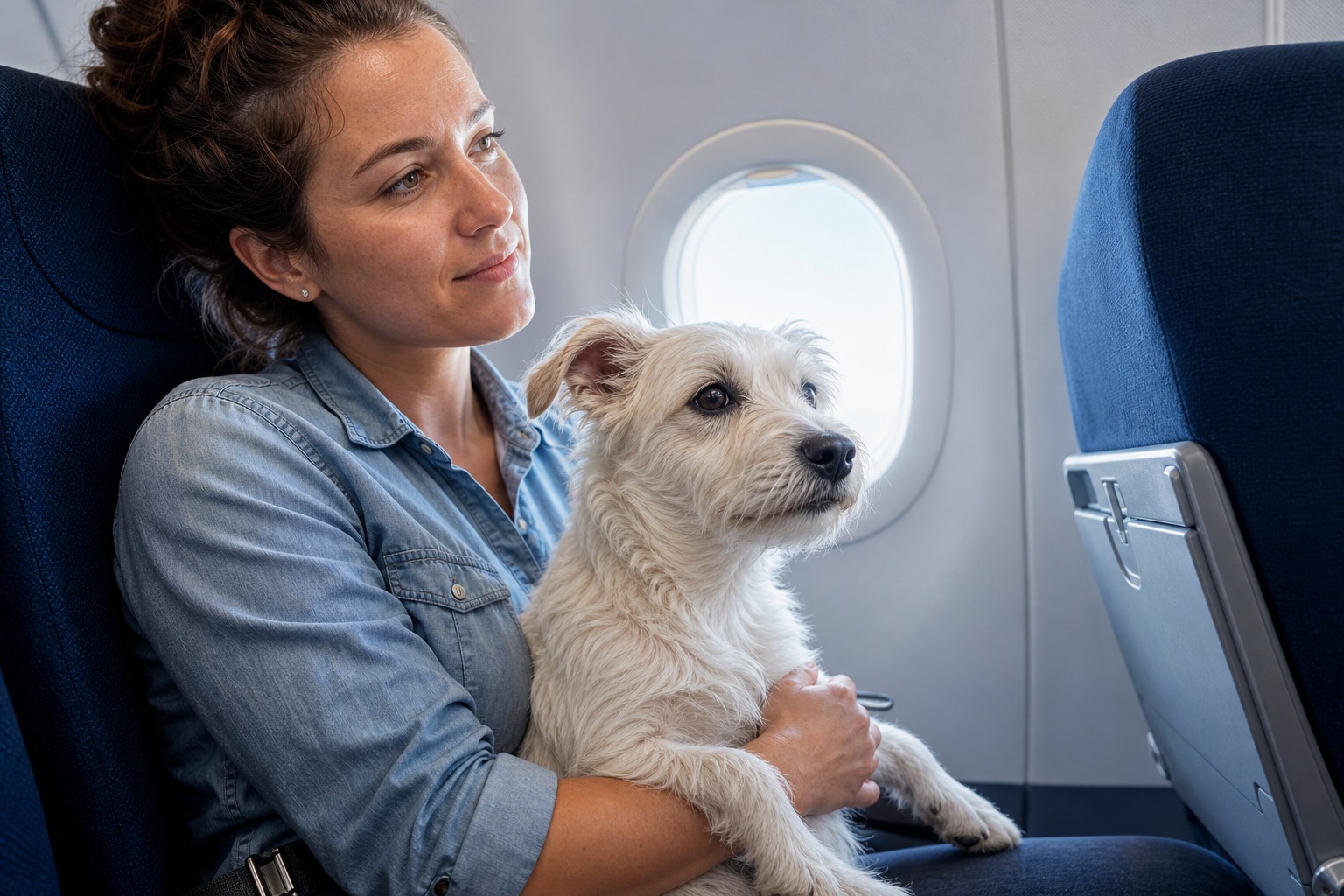 LivingFlying With Your Pet? Here's What 8 Airlines Actually Charge, and Their Fine PrintSara Lim · 7 min
 LivingThe Most Meaningful Hour of Your Vacation Might Be Spent Walking Shelter DogsLeila Torres · 5 min
 Health & WellnessWashington's Senate Voted 48-0 to Let You Idle for Your Dog. The Bill Died Anyway.Sasha Ford · 6 min