


The World's "Most Expensive Cat" Was a Con. Here's What You're Actually Paying For.
Some cats really do cost as much as a car. But the priciest one ever sold turned out to be a scam, and once you know why, the whole luxury-cat price list reads differently.

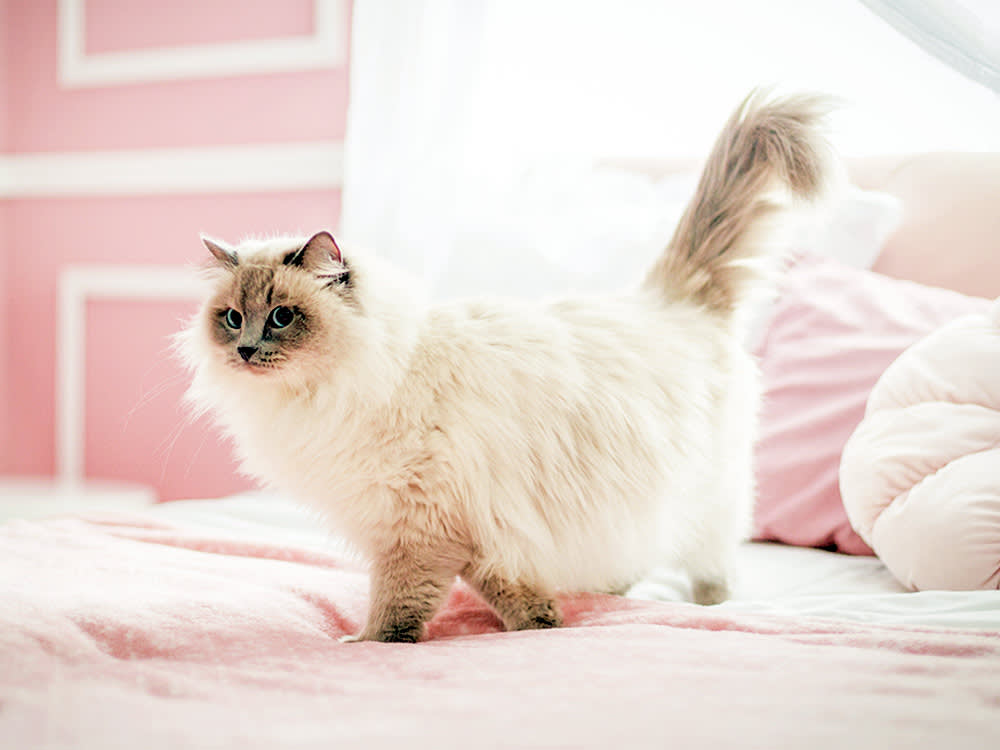
Some cats cost about as much as a used car. While plenty of people find their perfect cat wandering the neighborhood or waiting at a shelter, a small group of rare and exotic breeds carry price tags that climb into the tens of thousands. It’s genuinely fascinating, so here’s a tour of the world’s most expensive cats. But we’re going to start with the one at the very top of every list, because its story quietly explains all the others.
The cat at the top of the list was never real
For years, the title of “most expensive cat in the world” belonged to the Ashera, advertised at prices reaching up to $125,000. It was pitched as an ultra-rare hybrid, a leopard-spotted luxury cat, even marketed as hypoallergenic. It was also, essentially, a con.
The Ashera was sold by a company called Allerca, run by a man named Simon Brodie who was very good at press releases and turned his cats into an overnight media sensation. The problem surfaced in 2008, when Ashera kittens were seized at Schiphol Airport in the Netherlands and DNA tested. The results showed they weren’t a unique breed at all. They were Savannah cats, an existing hybrid, bought from a breeder, marked up enormously, and resold under a fancier name. The “hypoallergenic” claim didn’t hold up either; the cats produce the same Fel d 1 allergen as any other.
Keep the Ashera in mind as you read the rest of this list, because it’s the clearest possible illustration of what a luxury cat price actually measures. Not health. Not affection. Mostly rarity, marketing, and hype. With that lens, here are eight of the most expensive cats you can buy, and what the money is really for.
1. Savannah — $10,000 to $50,000
The Savannah is the genuine article the Ashera was pretending to be. It comes from pairing a house cat with a serval, the wild African species, and the result is a tall, lean, almost leggy cat with a dog-like loyalty owners rave about. Price hinges entirely on generation. The earliest cats, F1 or F2 and closest to that wild ancestor, run from about $10,000 to $50,000 based on the specific bloodline; later generations ease down in price but stay expensive. Who it’s for: someone who wants a genuinely active, interactive, big-personality cat and understands the early generations can be a lot of animal to live with. It is not a starter cat.
2. Khao Manee — $7,000 to $11,000
Thailand’s “Diamond Eye” cat is famous for two things: a solid, pure-white coat and jewel-bright eyes that are frequently mismatched, one blue and one gold. Regarded as lucky for centuries and once kept by royalty, it carries a price of roughly $7,000 to $11,000 that traces almost entirely to rarity and heritage rather than any wild bloodline. What sets it apart from the hybrids above it: this is a fully domestic cat, so you’re paying for a bloodline and a look, not for managing a part-wild temperament.
3. Bengal — $3,000 to $10,000
Bengals give you the exotic wild-cat look, marbled or spotted coats that shimmer thanks to a gene that adds a literal glitter effect, wrapped in a domesticated temperament. They’re energetic, sharp, and affectionate, and they need serious daily stimulation or they’ll invent their own, usually at your expense. Prices run $3,000 to $10,000, set mostly by generation and show quality. Compared to the Savannah, a Bengal delivers a lot of the same drama for a fraction of the price, which is exactly why it’s one of the most popular exotic breeds.
4. Sphynx — $3,000 to $6,000
The Sphynx is the famous hairless cat: wrinkled skin, enormous ears, and, despite the slightly alien look, a clownish, deeply affectionate personality that its fans adore. The $3,000 to $6,000 price reflects how complex and health-screening-intensive it is to breed hairless cats responsibly. Buyer beware on one point the price doesn’t cover: that bare skin is high-maintenance, needing regular bathing to manage oil, so the sticker is just the entry fee.
5. Ragdoll — $1,200 to $6,000
Ragdolls are beloved for exactly what their name promises, they tend to go limp and relaxed when you pick them up, paired with striking blue eyes and a gentle, laid-back temperament. Prices span $1,200 to $6,000, with show-quality cats at the top end. This is the entry that’s expensive because everyone wants one: that easygoing nature and those looks have made it a perennial favorite worldwide, so sheer demand does much of the pricing work here. If you want “expensive cat energy” without an exotic-cat lifestyle, this is the pick.
6. Persian — $1,500 to $5,000
Persians have been icons for centuries, all long, luxurious coat and sweet, calm personality. A kitten runs $1,500 to $5,000, more for champion bloodlines. But this is the breed where the ongoing cost tells the real story: that gorgeous coat needs daily grooming, and the flat face means regular vet attention for potential breathing and eye problems. You’re not just buying a cat; you’re signing up for the upkeep, and that upkeep is part of why the breed sits where it does.
7. Maine Coon — $1,200 to $4,000
The “gentle giants” of the cat world, Maine Coons rank among the biggest house cats going, with some males tipping the scale past 20 pounds, all tufted ears, bushy tail, and a famously playful, friendly streak. At $1,200 to $4,000 (more for rare colors or show quality), they’re the best value on this list for most people: a big, sociable, dog-like cat without hybrid genetics or high-maintenance grooming demands. If one breed here belongs in a normal household, it’s this one.
8. Peterbald — $1,700 to $5,000
Rounding out the list is the Peterbald, a rare Russian breed that traces to 1990s crosses between Oriental Shorthairs and Sphynx cats. Individuals range from fully hairless to a fine, changeable coat, all sharing a sleek, elegant build and an affectionate streak. At $1,700 to $5,000, the cost is about rarity and that distinctive look. Like the Sphynx, the mostly-bare skin means grooming and skin care are part of the deal, so factor that in beyond the purchase price.
What the money is really buying
Line these up and the pattern is obvious. The price of a cat isn’t random, but it also isn’t measuring the things most of us actually care about. It’s driven by rarity, by selective or limited breeding programs that are hard to run, by unusual traits like exotic coats and rare eye colors, and by pedigrees, international recognition, and championship bloodlines. Care and upkeep add more: some of these breeds need special diets, intensive grooming, or extra vet care to stay healthy.
Notice what’s missing from that list: any promise about health or temperament for you specifically. In fact, several of the priciest breeds carry a higher, not lower, risk of inherited conditions.
“A big price tag makes people assume they’re buying a healthier animal, and it’s often the reverse,” says Dr. Priya Nair. “The same selective breeding that produces a rare look can also concentrate the genes behind heart disease, kidney problems, or breathing trouble. Whatever you pay, ask the breeder for documented health screening on the parents, and go in knowing the breed’s specific risks. A high price is not a health guarantee.”
None of this is a knock on these cats, they’re beautiful, and the people who love them love them fiercely. It’s a reminder that the tens of thousands of dollars at the top of the list bought, in one famous case, a rebranded Savannah and a good story. Whether your cat is a $50,000 hybrid or a free tabby who chose your porch, you’re getting the same thing where it counts: a cat. And with so many of them waiting in shelters as living costs keep climbing, the most valuable cat is very often the one that costs nothing at all.
References
- The International Cat Association (TICA). Recognized breeds and standards. tica.org
- Lifestyle Pets / Allerca and the Ashera: coverage of the hybrid-cat controversy and DNA findings. Wikipedia, “Lifestyle Pets.” en.wikipedia.org/wiki/Lifestyle_Pets
- Savannah Cat Association. “Ashera Cats: The Big Hoax.” savannahcatassociation.org/ashera-cats
- Cornell University College of Veterinary Medicine. Feline breed-associated health conditions. vet.cornell.edu
Common questions
Are Maine Coons or Bengals more expensive?
Bengals generally cost more, especially early generations with stronger wildcat genetics. Maine Coons are still pricey but usually land on the lower end, from about $1,200 to $4,000.
What actually drives the price of a cat breed up?
Rarity, difficult or limited breeding, health screening, championship pedigrees, and unusual physical traits like exotic coats or rare eye colors. Price reflects demand and breeder effort far more than it reflects how good a companion the cat will be.
Does a higher price mean a healthier cat?
No. Some expensive breeds are more prone to inherited health problems, not less. A high price tag is not a guarantee of good health, and a mixed-breed cat from a shelter can be just as healthy and just as loving.
Sara Lim leads our Product Picks coverage, testing and comparing the things pets and their owners actually use. From everyday essentials to home-and-style finds, she focuses on honest, useful recommendations rather than hype.
Meet our experts ↗Keep reading
 LivingWhether a Cat Tolerates Water Is a Coat Question, Not a Willpower OneDr. Ravi Mehta · 8 min
 Health & WellnessYour Cat vs. the Christmas Tree: The Climbing Isn't the Real DangerDr. Ravi Mehta · 6 min
 LivingYour Party's Biggest Risk Isn't the Cat Getting Scared. It's the Front Door.Dr. Amara Solis · 7 min
 TrainingThat 'Come Here' Cat Video Works. Your Own Voice Works Better.Dr. Lena Park · 7 min
 Health & WellnessHalloween Is Your Cat's Least Favorite Night. Six Ways to Fix That.Dr. Lena Park · 5 min
 Health & Wellness13 Small Cat-Care Upgrades Your Cat Will Actually NoticeDr. Priya Nair · 8 min