


The Hours Aren't the Real Question When You Leave Your Cat Alone
Healthy adult cats can manage a day or two solo, but the number of hours is the easy part. Research shows a meaningful share of cats struggle with being left, and the 'aloof, independent cat' is largely a myth. Here's how to tell if yours actually copes, and how to set up a stay so it does.

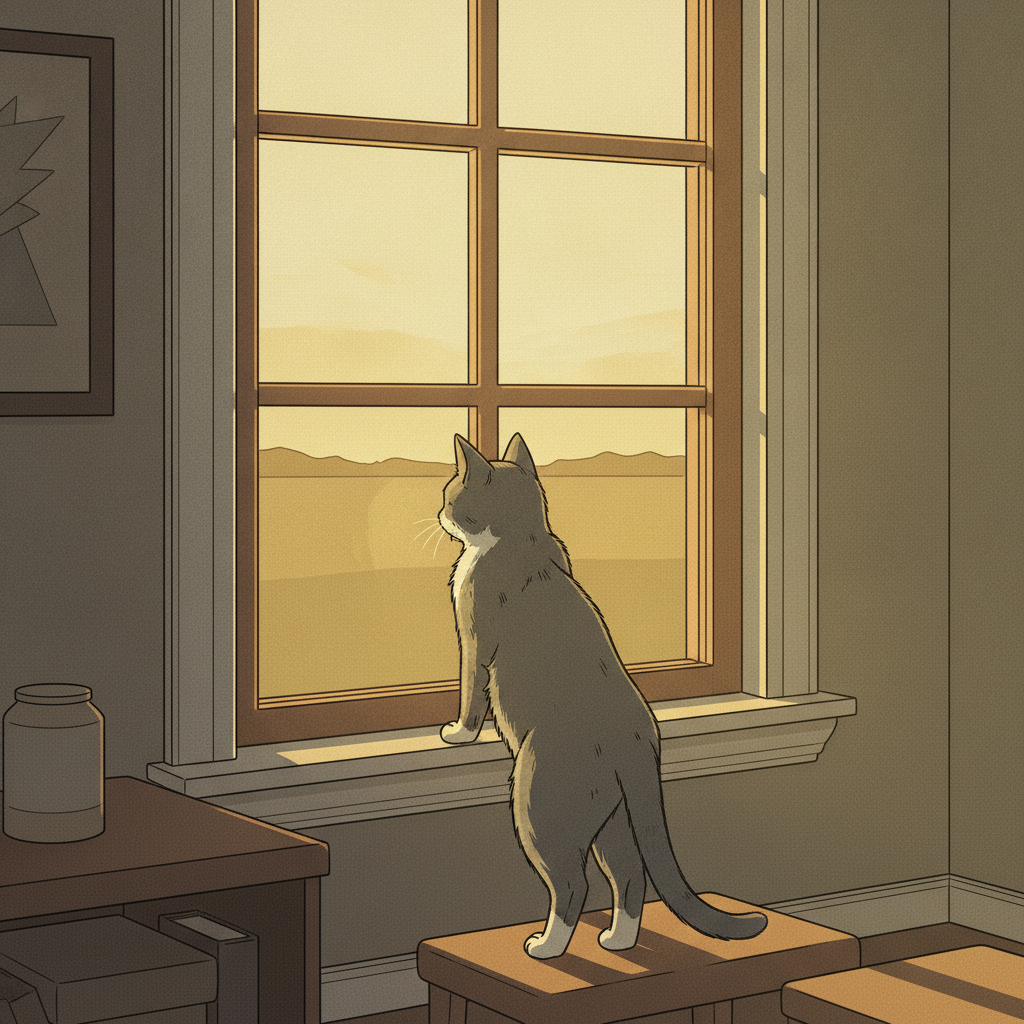
Most advice about leaving a cat alone rushes to a number: 24 hours, 36 hours, two days. That number is real and we will give it to you. But it is also the least interesting part of the question, because the hours assume the harder thing is already settled, namely whether your particular cat copes well with being left at all. The popular image of the aloof, self-sufficient cat that barely notices you are gone turns out to be mostly a story we tell ourselves. Start there, and the “how long” answer makes a lot more sense.
The independent-cat myth, and what the research actually shows
The idea that cats are solitary loners who relish their alone time is comforting and largely wrong. When researchers at Oregon State University ran an “attachment” test borrowed from studies of infants and dogs, they found that the majority of cats form a secure bond with their owners: 65.8 percent of the cats studied were classified as securely attached, almost exactly the 65 percent rate seen in human infants. Cats notice when you leave, and many genuinely miss you.
They can also struggle with it. A 2020 questionnaire study of cat owners found that about 13.5 percent of cats showed at least one sign of a separation-related problem when left alone. That is roughly one cat in eight, which is far from the “cats don’t care” cliché. The behaviors owners reported, in rough order of how often they came up, were:
- Destructive behavior (the most commonly reported)
- Excessive vocalization (crying or meowing)
- Urinating outside the litter box
- Depression or apathy, and withdrawal
- Aggression and agitation
- Defecating outside the litter box
If you have written off any of these as your cat “being difficult,” it is worth reconsidering. They are the same signs vets watch for in separation distress, and the study also found that cats with no access to toys, and homes without another animal, were more likely to show problems, both of which point to under-stimulation as a driver.
Owners often tell me their cat is fine alone, and then describe shredded curtains and a litter box being ignored. Those aren’t a fine cat. They’re a cat telling you the setup isn’t working. The good news is that’s usually fixable with enrichment and a check-in, not a personality transplant.
So how long is safe? It depends on the cat
With that context, the hours guideline is a starting point you adjust for the individual in front of you. In general, a healthy adult cat over a year old can be left for about 24 to 36 hours as long as it has food, fresh water, and a clean litter box. The variables that shift that number up or down are age, illness, medical needs, personality, the season, and whether there are other pets at home.
Kittens need far more. They eat more often, they are still being socialized, and their curiosity gets them into trouble, so a kitten under a year should have someone checking in several times a day, with the environment cleared of hazards, toxins, and anything that could fall.
Senior cats often need closer monitoring to make sure they are eating and not in distress, and some get lonely or low when left too long, while others are content with their space. Personality is your guide.
Cats with health problems can change the math entirely. A cat on medication may need dosing on a schedule, and a missed dose can be serious depending on the condition. Anyone covering for you has to be comfortable giving medication and spotting a problem. Talk to your vet about your specific cat; they may help arrange professional care or share trusted sitters.
Set up the stay so your cat actually copes
If an absence is unavoidable, the difference between a stressed cat and a settled one is mostly in the preparation. At minimum, leave:
- Food (with the right amount measured out, or an automatic feeder for fresh, portioned meals)
- Fresh water, ideally in more than one spot, or a fountain
- A clean litter box, or two for longer stays
- A comfortable, safe place to rest
Then address the boredom that the research flags as a real risk. The separation-problem study tied a lack of toys to more trouble, so enrichment is not a luxury, it is part of the safety setup. Leave interactive or puzzle toys, try “cat TV” or a window perch with a bird feeder outside it, and rotate toys so they feel new. Just make sure windows are closed and secured, since an excited cat can fall.
A pet camera is genuinely useful here. It lets you confirm your cat is eating and calm, spot a problem early, and arrange a visit if something looks off, which also tells you whether your cat is in the easygoing majority or the one-in-eight that needs more support.
Vacations and longer trips: sitter versus boarding
For anything beyond a day or two, you are choosing between bringing care to your cat or taking your cat to care, and most cats vote for staying home.
A sitter who visits or stays is usually the gentler option, especially a trusted friend, family member, or well-reviewed professional. Cats are territorial and tend to be calmest in their own space, so a sitter suits social cats, nervous cats, and any cat that hates leaving home. It also keeps medication and routine intact.
Boarding is the fallback when an at-home sitter is not possible. If you board, tour the facility first to judge whether your cat will be comfortable and to spot stressors, which matters most for cats that dislike other cats or get anxious away from home. Make sure vaccines are current before a stay, particularly where other cats are present.
When it’s more than a logistics problem
If your cat consistently shows the separation-related signs above, or you notice compulsive grooming, refusing the litter box only when you are away, or distress that starts as you get ready to leave, treat it as a behavioral issue rather than a scheduling one. Changes in routine, like a move or a shift from working at home to leaving daily, are common triggers. Your vet can rule out medical causes and help with a plan, which may include more enrichment, a companion animal for some households (a decision that is not right for every cat), or a sitter for frequent absences.
The bottom line
A healthy adult cat can be left alone for a day or so with the basics covered, and that part is simple. The part that matters is recognizing that cats are not the indifferent loners of legend. Many form deep attachments, and a real minority struggle when left, so the safest approach pairs the hours guideline with honest attention to your individual cat: the right setup, real enrichment, a way to check in, and a willingness to call distress what it is. Get that right and the number of hours mostly takes care of itself.
References
- de Souza Machado, D., et al. “Identification of separation-related problems in domestic cats: A questionnaire survey.” PLOS ONE, 2020.
- Vitale, K.R., et al. “Attachment bonds between domestic cats and humans.” Current Biology, 2019.
- Ohio State University Indoor Pet Initiative: Separation Anxiety in Cats
- Cornell Feline Health Center: Environmental Enrichment for Cats
Common questions
How long can a healthy adult cat be left alone?
In general, a healthy cat over a year old can be left for about 24 to 36 hours with fresh water, food, and a clean litter box. Beyond that, arrange a check-in. Kittens, senior cats, and cats on medication need far more frequent attention.
Does my cat have separation anxiety?
Possibly. Research suggests a notable share of cats show separation-related problems. Watch for destructive behavior, excessive vocalization, going outside the litter box, withdrawal, or over-grooming when you're away, and talk to your vet if you see them.
Should I get a cat sitter or board my cat?
For absences beyond a day or two, a sitter who visits or stays is ideal, especially a trusted friend or family member, since most cats are calmer at home. Boarding can work if you tour the facility first and your cat tolerates other cats.
Are cats really independent enough to be left alone easily?
Less than their reputation suggests. Studies find most cats form secure attachments to their people, so many genuinely miss you. Independence varies a lot by individual, which is why personality matters more than any rule of thumb.
Dr. Kohl is a board-certified veterinary dentist with a particular interest in preventive oral care. She reviews all dental health content at The Pet Times and contributes practical guides on home dental routines, professional cleaning, and oral disease prevention.
Meet our experts ↗Keep reading
 LivingYour Cat Isn't Jealous of Your Sex Life. It's Mad About the Door.Dr. Priya Nair · 5 min
 TrainingYour Couch Isn't Losing to Your Cat. It's Losing to Bad Real Estate.Dr. Nina Kohl · 9 min
 TrainingWhy a Cat Will Nurse a Duckling, and Why You Should Still Watch CloselyDr. Amara Solis · 6 min
 LivingYes, You Can Leash-Train a Cat. No, Not Every Cat Wants It.Jordan Ellis · 5 min
 TrainingToilet-Training Your Cat Means Throwing Away Their Health ChartDr. Ravi Mehta · 8 min
 LivingYou Bought the Bed. She Sleeps in the Drawer. She's Not Being Rude.Dr. Nina Kohl · 6 min