


'Lifetime' Coverage Wasn't. Nationwide Just Dropped 100,000 Pets.
The largest pet insurer in the country cancelled about 100,000 policies. The cancellations exposed the flaw at the center of pet insurance, and what to do if your plan is next.

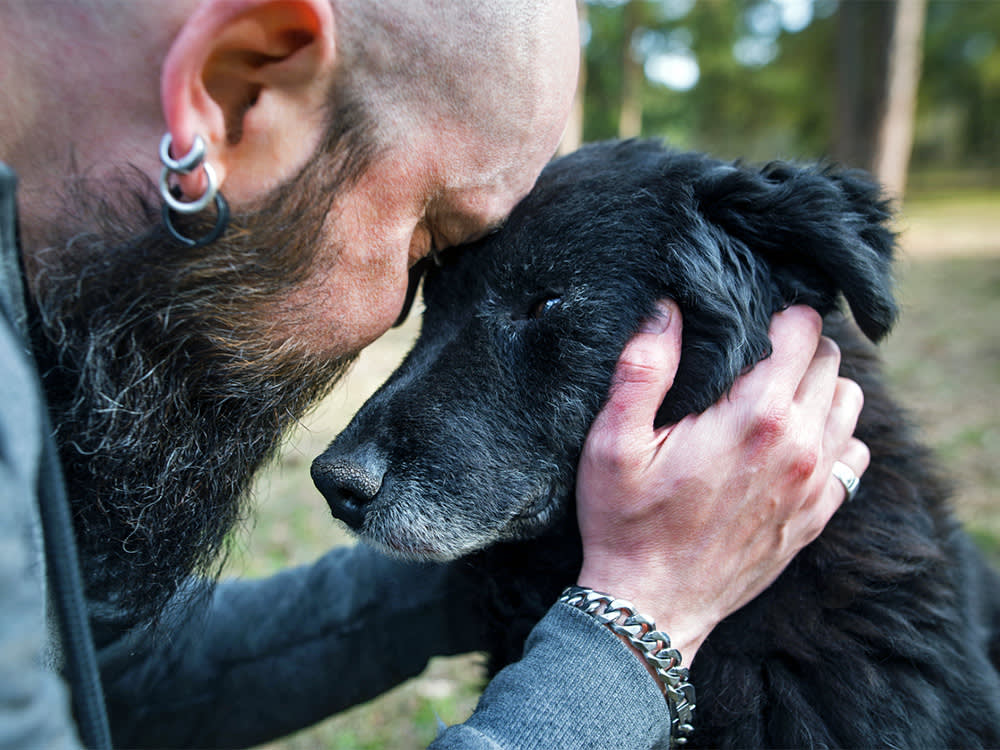
Here is the thing almost nobody understands about pet insurance until the letter arrives: you are not buying coverage for your pet’s life. You are buying a one-year contract, renewable at the insurer’s discretion, and the insurer’s discretion is not a promise.
That distinction went from academic to devastating this week. Nationwide Pet, the largest pet insurance provider in the country with more than a million registered animals, announced it will drop roughly 100,000 policies. The people holding those policies did nothing wrong. They paid, on time, for years, often precisely because they were told to insure early, before anything went wrong. And now they have nothing.
What Nationwide said
The company pointed at costs. In a statement, it blamed the rising price of veterinary medicine, together with unspecified other factors, for changes to how it underwrites policies and for pulling certain products out of certain states. It described those as difficult but necessary steps to keep its pet insurance business financially viable in the long run.
It also said the decisions are being made state by state, and that a pet’s age, breed, or claims history played no part in which policies were cut.
Take the company at its word on that. It changes very little about who gets hurt.
The mechanism that turns a cancellation into a sentence
Pet insurance has one rule that governs everything else: pre-existing conditions are not covered. That’s why every guide you have ever read, including ours, tells you to insure your pet while they are young and healthy. Get in before the diagnosis. Lock it in.
Now run that logic forward. A person follows that advice. They insure a healthy two-year-old dog. Eight years and thousands of dollars in premiums later, the dog has a heart murmur and a bad knee — which is exactly what the insurance was for. Then the policy is cancelled.
That person cannot simply shop around. Every carrier they approach will look at the heart murmur and the knee, classify them as pre-existing, and exclude them. They will be sold a policy that covers everything their dog does not have. The one thing they spent a decade paying to protect against is now the one thing nobody will touch.
That is not a coverage gap. That is a door closing. And it is why cancelling a block of policies lands hardest on the oldest and sickest animals, regardless of whether age and illness were the criteria used to choose them.
Coverage that is somewhat more forgiving does exist, but it is rare. Lemonade, for example, will cover curable pre-existing conditions in some states. Chronic and congenital conditions are a different story almost everywhere.
What the people affected are actually saying
The reaction has not been polite resignation. It has been panic.
One affected policyholder, speaking to USA TODAY, described paying a very large premium willingly, precisely because the dogs were family rather than a car or a house — something that could not be replaced or rebuilt if it broke. And then laid out the trap in plain terms: nobody, she said, is going to insure old dogs who already have conditions, and any company that technically will is going to exclude every one of those conditions anyway. She did not know what she was going to do.
Hundreds of people have gathered in a Facebook group — “Dropped by Nationwide Pet Insurance Whole Wellness? Join Us!” — where the conversation has already turned to whether Nationwide can be sued.
Notification is by letter. If yours arrives, the policy simply runs to the end of its current term and then stops. There is no renewal.
If you have been dropped: a triage list
You have a runway, because coverage runs to the end of your current term. Use it.
- Read the letter for your actual end date. That is your deadline, not the day the news broke. Everything below should happen before it.
- Front-load the care you were going to need anyway. Dental work, an overdue lump aspiration, a diagnostic workup you’ve been putting off. If it’s covered now and won’t be in four months, do it now.
- Apply elsewhere immediately, even knowing the exclusions. A policy that covers your dog for the things they don’t yet have is still worth something. Your ten-year-old dog can still blow out a cruciate or eat a sock, and those are not pre-existing.
- Get every exclusion in writing before you pay a premium. Ask the new carrier, in writing, exactly which conditions they will exclude and whether the exclusion is permanent or lifts after a symptom-free period. Some carriers will reconsider a condition that has been resolved and symptom-free for 12 months. Get that in a document, not a phone call.
- Ask your vet’s office about payment plans and third-party financing before you’re in an emergency room at 2 a.m. deciding under pressure.
- Start the account you should have had all along. A dedicated savings account, funded monthly with roughly what the premium was, is not as good as insurance. It is considerably better than nothing, and nobody can cancel it.
What’s new since this was written
The anger did turn into litigation. On June 4, 2025, a class action was filed in federal court in Massachusetts against Nationwide and related entities, alleging unfair and deceptive business practices, fraud, and negligent misrepresentation over the cancellation of the Whole Pet with Wellness policies.
The core of the complaint is the gap between what was marketed and what was delivered. The suit alleges that the product was sold as comprehensive, nose-to-tail coverage that would not drop a pet for getting old, and that the cancellations nonetheless fell disproportionately on older animals and those with serious medical conditions, who were left with no realistic replacement because re-enrolling would treat them as new customers with pre-existing conditions. The case is ongoing.
Whatever a court eventually decides, the lesson for the rest of us landed the day the letters went out. Read the renewal terms, not the brochure. Ask any insurer, before you buy, what happens to your policy if they exit your state or discontinue the product. And do not treat a pet insurance policy as a promise about your pet’s whole life, because it is a contract about the next twelve months.
References
- Nationwide. Pet insurance policy changes and customer notifications.
- Justice Law Collaborative. Press release: class action lawsuit filed against Nationwide Insurance (June 2025).
- ClassAction.org. Silberman et al. v. Nationwide Mutual Insurance Company et al. — complaint (D. Mass.).
- North American Pet Health Insurance Association. State of the Industry Report.
- American Veterinary Medical Association. Pet insurance.
Common questions
Was my pet dropped because they're old or sick?
Nationwide said the decisions were made at the state level and were not based on a pet's age, breed, or claims history. The practical impact still landed hardest on senior and chronically ill pets, because they are the hardest to re-insure.
Can I just buy a new policy somewhere else?
You can apply, but any condition your pet already has will almost certainly be excluded as pre-existing by the new insurer. That is the trap. A few carriers, such as Lemonade, will cover curable pre-existing conditions in some states, but broad coverage of existing conditions is rare.
How will I know if my policy is affected?
Affected policyholders are notified in writing. If your plan is on the list, coverage simply is not renewed when the current policy term ends.
Not a substitute for your vet. Our guidance is educational. For urgent symptoms, contact a vet or emergency clinic right away. Editorial standards
Marcus Webb writes about the gear, gadgets, and everyday choices that make life with a pet easier. His coverage runs from product picks to training and the causes worth paying attention to, always with an eye on what actually earns a place in your home.
Meet our experts ↗Keep reading
 LivingThe Best Walk for Your Dog Is the Slowest OneSasha Ford · 6 min
 LivingThe Only People Who Should Own a Husky Walk 11 Miles a DayMarcus Webb · 7 min
 TrainingSix Weeks of Crate Rest Will Break You Both. Give the Dog a Job Instead.Dr. Nina Kohl · 8 min
 LivingThe World's Shortest Dog Is 3.59 Inches Tall. That's Not the Cute Part of the Story.Nina Vasquez · 5 min
 Product PicksYour Cat Does Not Care About the Lid. 8 Boxes That Actually Fight Odor.Sara Lim · 10 min
 LivingThe Doodle Was Sold to You on Three Promises. The Data Backs None of ThemDr. Mara Chen · 9 min