


L.A. Just Slammed the Brakes on New Dog Breeding. Here's the Fight Behind It.
With its six shelters more than double over capacity, the Los Angeles City Council voted to stop issuing new dog breeding permits until the crowding eases, over the objection of the American Kennel Club.

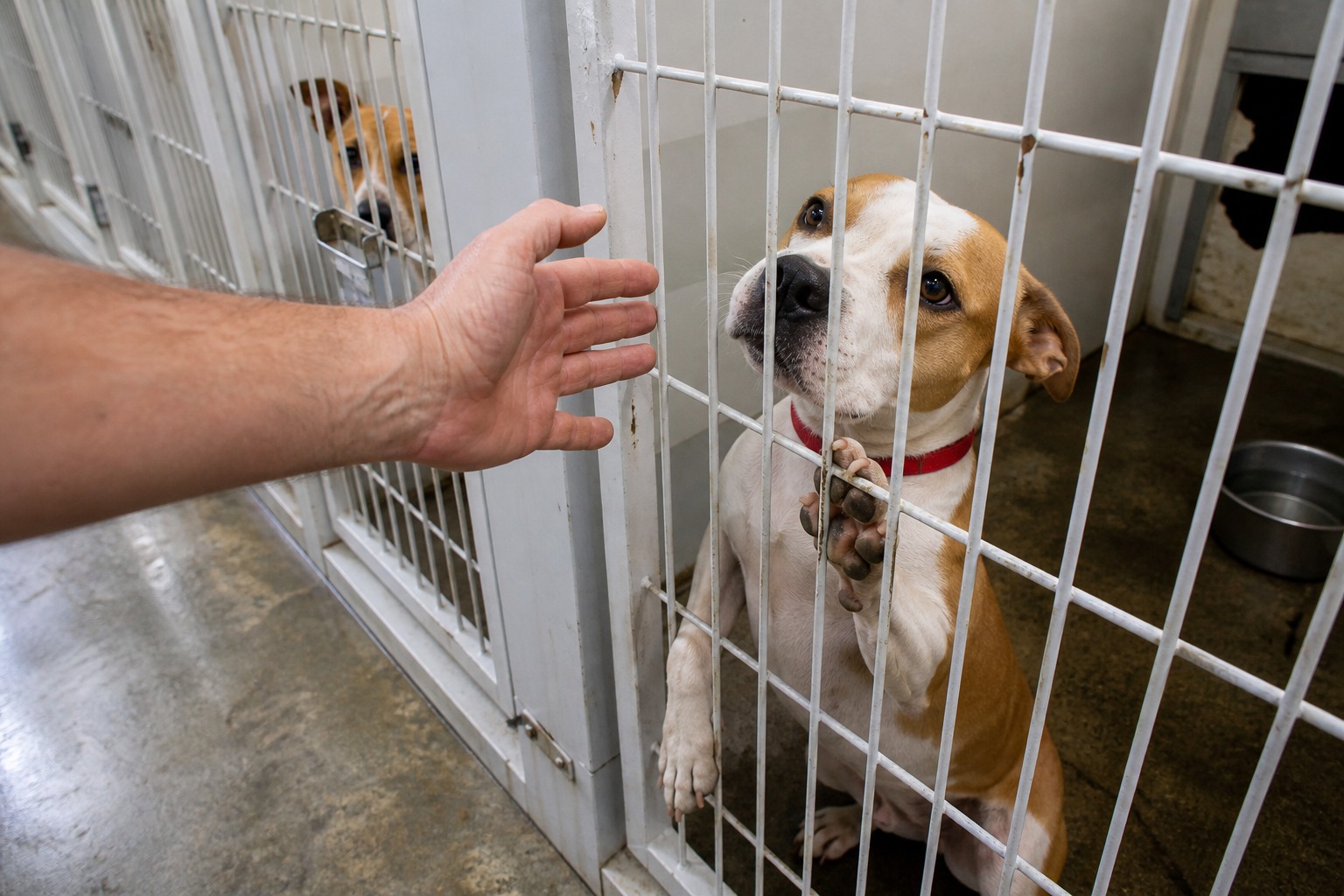
Los Angeles has decided its shelter crisis is bad enough to turn off one of the taps feeding it. On April 9, 2024, the City Council voted 13 to 0 to enact a temporary moratorium on new dog breeding permits, a first-of-its-kind lever aimed squarely at a shelter system drowning in dogs. The measure had cleared the council’s Neighborhoods and Community Enrichment Committee days earlier before heading to the full body for final approval.
The pause on issuing new permits is designed to be conditional, not permanent. Under the ordinance, it stays in place until the city’s shelters drop to or below 75 percent of capacity for three consecutive months, and it can automatically switch back on if crowding climbs again. Notably, it targets dogs specifically, not cats or rabbits, because the shelters have been reporting a flood of surrendered purebred dogs in particular.
The numbers behind the vote
The backdrop is a national problem that refuses to ease. In 2023, more than 6.5 million pets entered shelters and rescues across the United States, according to Shelter Animals Count, a database tracking close to 7,000 animal organizations. Its analysis has described shelters as full and entering a fourth straight year with more animals coming in than adoptions going out, a gap that’s been widest for dogs.
Locally, the strain is stark. When the moratorium was called for, Los Angeles’s six city-run shelters were running at roughly 210 percent of capacity, with more than 1,500 dogs crammed into space built for about 740. That kind of overcrowding is what pushed the council to act on the supply side rather than rely on adoption drives alone.
Cheap permits, unlimited breeding
Part of what critics pointed to is how permissive the existing system had been. In Los Angeles, a breeding permit runs $235 and, once obtained, allows an animal to be bred an unlimited number of times. The volume shows in the paperwork: the city issued 2,152 breeding permits in 2022, and by September 2023 had already granted 1,200, on pace for roughly 1,800 by year’s end, according to the Daily News. Advocates argue that curbing new permits nudges the culture toward adopting rather than shopping while slowing the flow of new litters into an already saturated market. In the run-up to the vote, the city also ramped up its rescue efforts, and the number of volunteers with its animal services department nearly doubled.
Not everyone is convinced
The vote wasn’t universally cheered. An official on the city’s animal services board framed the logic bluntly, arguing there’s no case for continued breeding while the shelters are packed and adoptable animals are waiting. The head of the city’s Department of Animal Services went further, contending that heavily pro-breeding groups do little to help shelter animals and effectively generate more animals that the system may later have to euthanize.
The American Kennel Club pushed back, calling the measure misguided. In a statement, the organization argued that responsible owners of intact animals aren’t the source of shelter overcrowding, and that targeting permits misreads the problem.
What comes next
Because it’s structured as a temporary, capacity-triggered measure, the moratorium’s future is tied directly to the shelters themselves. It lifts only when crowding falls to a sustained lower level, and reinstates if the numbers rebound, which means the real test isn’t the vote but whether Los Angeles can actually get animals out of its shelters and into homes faster than they come in. For a city that just used breeding permits as a pressure valve, that remains the harder problem.
James Okafor covers rescue, adoption, and the causes shaping animal welfare. His work follows the people and organisations working to give more pets a home, and the issues owners and advocates care about most.
Meet our experts ↗Keep reading
 LivingYour Rescue Can Win $1,000 for the Shelter That Saved ThemSara Lim · 4 min
 LivingA Comment on Instagram Got a Two-Legged Street Dog a Mercedes WheelchairJames Okafor · 5 min
 LivingHe Left 11 Dogs to Die in a Hot Van, Then Cremated the Evidence. A Jury Convicted Him.Nina Vasquez · 5 min
 LivingShelters Didn't Refill Because Adopters Vanished. Three Faucets Were Left RunningLeila Torres · 6 min
 Living300 Dogs, Four States, One Month: The Rescue Machine Behind the HeadlinesLeila Torres · 5 min
 LivingThe $150,000 'Bodyguard' Dog Fails at the One Thing Buyers Want MostMarcus Webb · 7 min