


Your Cat Can Eat Kiwi. The Fuzzy Skin Is the Part to Throw Away
Kiwi flesh is a safe, hydrating treat for cats. The skin's fine hairs can irritate a cat's throat and gut, and cats can't taste the sweetness anyway.

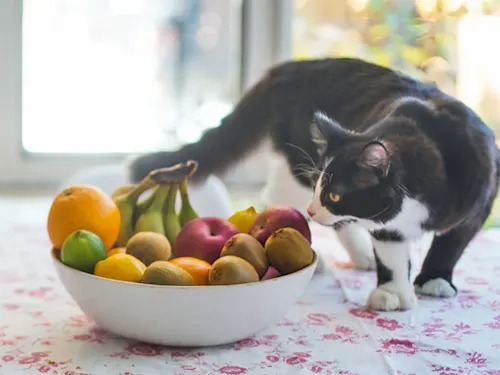
Kiwi is a rare easy yes on the “can my cat eat this” list, but the useful detail isn’t the yes, it’s the part you throw away. Peeled kiwi flesh is a safe, hydrating little treat. The fuzzy skin is the catch. Those fine hairs that make a kiwi feel like a tiny coconut can scratch and irritate a cat’s mouth, throat, and gut on the way down. So the real instruction here isn’t “can they,” it’s “peel it first,” and while you’re at it, skip the seeds.
Peel it, seed it, done
Start with the prep, because it’s the whole ballgame. Slice the kiwi, scoop out a small piece of the green flesh, remove the skin entirely, and cut around or out the tiny black seeds. What you’re left with, a soft, bite-sized piece of plain flesh, is the safe part. Offer a little the first time to make sure it agrees with your cat’s stomach.
The skin is the one part to be firm about. Its texture isn’t just unpleasant; those hairs can genuinely irritate the sensitive tissue of a cat’s throat and digestive tract. There’s no upside to leaving it on, so don’t.
Cats aren’t chewing thoughtfully the way we do, so texture matters more than people think. The fuzzy skin is the thing I’d actually flag. Peel it, give them a soft little cube of the flesh, and you’ve removed the only part worth worrying about.
What kiwi does and doesn’t offer
Kiwi flesh brings a bit of fiber, some potassium, a little calcium, and a lot of water, which makes it mildly hydrating for a species that chronically under-drinks. Those are real, if small, perks.
But keep it in perspective. Cats are obligate carnivores, and none of what kiwi provides is something they need from fruit. A complete and balanced cat food already covers it. Two things also keep kiwi firmly in “occasional treat” territory: it carries a fair amount of natural sugar, which cats don’t metabolize well and which adds up toward weight gain, and cats can’t taste sweetness at all. That last point is why so many cats sniff a piece of kiwi and simply walk off. Don’t take it personally; they’re just not built to find it rewarding. As with any treat, keep the total under about 10 percent of daily calories.
What newer research adds
Kiwi has grown popular in human nutrition for gut health and sleep, and you’ll see kiwi skin promoted to people as an edible, fiber-rich part of the fruit. It’s worth flagging that this human trend does not transfer to cats. The reasons kiwi skin is fine, even beneficial, for a person, more fiber and antioxidants, are exactly the reasons it’s a poor idea for a cat, whose narrower throat and meat-tuned gut handle that fibrous, hairy texture badly. The current, sensible guidance for cats is unchanged: flesh only, peeled and seedless, in small amounts. If anything, the more kiwi-skin advice you see aimed at humans, the more worth repeating that it’s not cat advice.
The bottom line
Cats can eat kiwi, and it’s a fine, hydrating treat when you do the two-second prep: peel it, take out the seeds, and offer a small piece of the plain flesh. The fuzzy skin is the only real hazard, and it’s an easy one to remove. If your cat shrugs and wanders away, that’s the most normal reaction there is, because to a cat, the best thing about kiwi, its sweetness, doesn’t even register.
References
- ASPCA Animal Poison Control Center. “People Foods to Avoid Feeding Your Pets.”
- Cornell Feline Health Center. “Feeding Your Cat.”
- Richardson, D. P., et al. “The Nutritional and Health Attributes of Kiwifruit: A Review.” European Journal of Nutrition.
- National Research Council. “Nutrient Requirements of Cats.”
Common questions
Can cats eat kiwi skin?
It is best avoided. The skin's many fine hairs can irritate a cat's mouth, throat, and digestive tract. Remove the skin and the seeds before sharing.
Is kiwi good for cats?
It offers fiber, potassium, and water, but nothing a cat needs. A complete cat food already provides all of it, so kiwi is a bonus at most, not nutrition.
Not a substitute for your vet. Our guidance is educational. For urgent symptoms, contact a vet or emergency clinic right away. Editorial standards
Dr. Kohl is a board-certified veterinary dentist with a particular interest in preventive oral care. She reviews all dental health content at The Pet Times and contributes practical guides on home dental routines, professional cleaning, and oral disease prevention.
Meet our experts ↗Keep reading
 FoodYour Cat Is Built to Eat Pork. The Deli Counter Is Where It Goes WrongDr. Amara Solis · 6 min
 FoodCats and Cherries: Everyone Fears the Cyanide. The Pit Is What Actually Hurts ThemDr. Lena Park · 5 min
 FoodCan Cats Eat Honey? Why It's Mostly a SkipDr. Priya Nair · 5 min
 FoodCats Can Eat Eggs. Just Never Raw.Dr. Mara Chen · 4 min
 FoodThe Real Question About Cats and Cheese Isn't Whether, It's WhichDr. Mara Chen · 6 min
 FoodYour Cat Doesn't Want a Popsicle. It Wants What the Popsicle Pretends to Be.Dr. Ravi Mehta · 5 min