


A Full Bowl Isn't Cat Care. Hire the Sitter Who Notices.
The neighbor who tops off the food misses the thing that matters: a cat quietly getting sick. Here's what actually separates a real cat sitter from a favor, and what it costs in 2026.


Most people underestimate cat-sitting because they underestimate what can go wrong with a cat. The mental model is simple: cats are low-maintenance, so leaving one alone with a heap of food and a clean litter box for a long weekend feels fine. The problem is that the risks with cats are not about loneliness. They are about the things that go sideways silently, and a full bowl does nothing to catch them. That is the real case for a sitter, and it is worth being picky about who you hire.
The bowl-and-box myth
Here is the scenario nobody plans for. A cat, especially a male cat, develops a urinary blockage. Or stops eating for two days, which in an overweight cat can trigger a serious liver problem. Or gets into something, or hurts themselves during a 2 a.m. zoomie. None of these announce themselves. A cat can look fine in a photo and be in trouble by the next visit.
“The reason to have a real cat sitter is not the food, it is the eyes,” says Dr. Lena Park, a veterinarian on the Pet Times roster. “Someone who knows cats will notice that yours did not eat, is straining in the box, is hiding somewhere new, or is breathing oddly, and will call before a bad day becomes an emergency. A neighbor doing a favor usually does not know what they are looking at.”
That is the whole argument. For a single overnight, a trusted person topping off supplies is often fine. For anything longer, you want someone whose job is to notice, because with cats the window between “seems off” and “emergency” can be short.
What it costs in 2026, honestly
Good care is not free, and the going rates have crept up. As of 2026, a standard drop-in visit, meaning a 20-to-30-minute check-in with feeding, a litter scoop, some play, and a wellness look, runs a median of about $28, with most visits landing between $20 and $40. Cats with special needs push the top of that range: medication, twice-daily box service, or a health condition to monitor all cost more. If you want a sitter staying overnight in your home, budget closer to $85 a night on average.
Two things affect the number a lot. Location is the big one: New York, San Francisco, and Los Angeles sit at the top, while smaller Midwestern and Southern cities run cheaper. And platform fees matter if you book through an app. Services like Rover typically take around a 20 percent cut of each booking, which is baked into what you pay. Across a two-week trip with daily visits, those platform fees quietly add up.
Yes, it is cheaper to hand the teenager next door twenty bucks. You also get what you pay for, and with cats the downside of “cheap” is not a messy house, it is a missed problem.
How to actually vet a sitter
There is no license required to call yourself a cat sitter, so your candidate pool runs from genuine professionals to someone doing it as a casual side hustle. Sort them with a few concrete checks rather than a good feeling.
Look for real credentials. A professional sitter should carry insurance and bonding, hold a business license, and ideally have pet first-aid training and experience with a range of cats. Insurance and bonding are not bureaucratic trivia; they mean you are covered if something goes wrong in your home or with your cat.
Check the paper trail. Read reviews, actually call references, and, before you hand over your house keys, ask for proof of a clear background check. Anyone doing this professionally will expect the question and have an answer.
Ask what a visit really looks like. This is the question that separates sitters. Will they fill the bowl, scoop the box, and leave in four minutes, or will they spend real time petting, playing, and observing? Plenty of cat owners, including people who work from home, now book “enrichment visits” specifically for that engagement and monitoring rather than bare-minimum care. Decide which you are buying.
Confirm they can handle your cat’s specifics. If your cat needs a prescription diet, daily medication, or has a condition like diabetes that demands a real routine, make sure your sitter has done it before. This is not the place for on-the-job training.
Set your sitter up to succeed
Once you have hired someone good, the quality of the sit depends on what you hand them. Give more information than feels necessary: the feeding schedule and amounts, your cat’s personality and quirks, likes and dislikes, and, crucially, where your cat hides so the sitter can confirm they have actually laid eyes on your cat each visit. A cat who never appears is a cat nobody is really monitoring.
Spell out any medical needs in writing, including what “normal” looks like for your cat and what would warrant a call to you or the vet. Leave your vet’s number, and consider authorizing a spending limit for emergency care so your sitter is not stuck if something happens while you are unreachable.
Finally, ask for photo or video updates each visit. It is not just for your peace of mind, though it is that too. A daily picture of your cat up, alert, and eating is the simplest proof that the person you hired is doing the one thing that matters most: paying attention.
References
- Rover. “How Much Do Cat Sitters Charge? We Explain the Rates.” https://www.rover.com/blog/national-cat-sitting-price/
- HomeGuide. “2026 Pet Sitting Rates (Prices Per Day or Overnight).” https://homeguide.com/costs/pet-sitting-prices
- Cornell Feline Health Center. “Feeding Your Cat.” https://www.vet.cornell.edu/departments-centers-and-institutes/cornell-feline-health-center/health-information/feline-health-topics/feeding-your-cat
Common questions
How much does a cat sitter cost in 2026?
For a 20 to 30 minute drop-in visit, the median is around $28, with most visits running $20 to $40 depending on your city and any special care. Overnight stays run higher, roughly $85 a night on average. Big metro areas sit at the top of the range.
Do I really need a cat sitter, or can a neighbor just feed my cat?
For anything longer than one night, a real sitter is worth it. The point is not just food and a clean box, it is having someone who can recognize when a cat is quietly getting sick, when a urinary blockage or a stopped appetite becomes an emergency within hours.
What should I ask a cat sitter before hiring them?
Ask about insurance and bonding, a business license, and pet first-aid training. Ask for references and reviews. Ask exactly what a visit includes and how long they stay. And confirm they can handle any medication or medical condition your cat has.
Leila Torres leads our Living coverage, from home life and travel to the products and rescue stories that come with sharing a life with animals. She edits and writes across the section, with a soft spot for pieces about the bond between people and their pets.
Meet our experts ↗Keep reading
 LivingThe Cat Lover's New York Is Really a Map of Cats Who Need HomesJordan Ellis · 7 min
 LivingHis Cat Vanished in Yellowstone. Two Months Later, a Chip Pinged 900 Miles Away.Dr. Lena Park · 5 min
 Product PicksThey Live in a Van With Two Cats. This Is the Gear That Survives ItNina Vasquez · 7 min
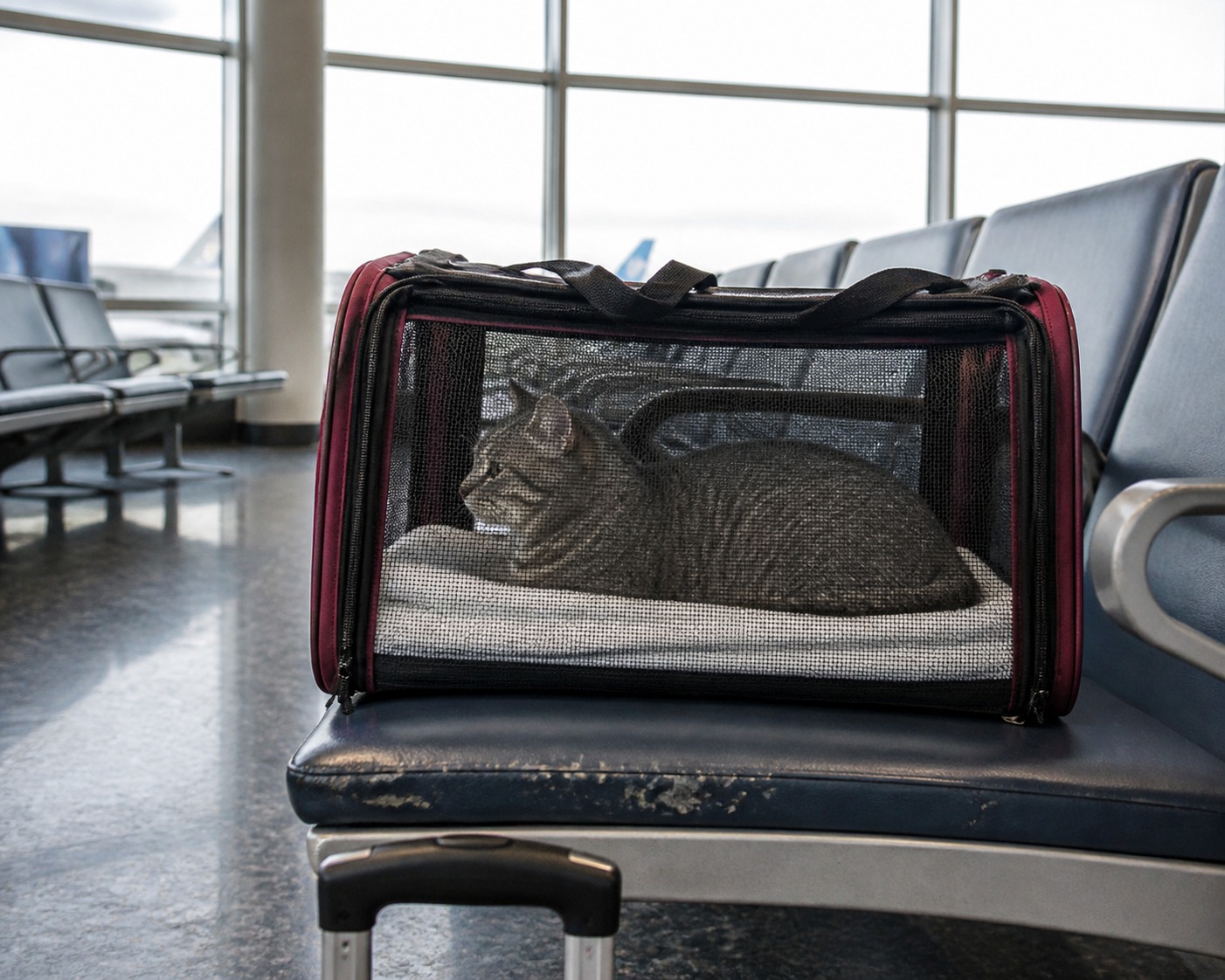 LivingTikTok Makes Flying With a Cat Look Easy. Here's the Part It Skips.Leila Torres · 10 min
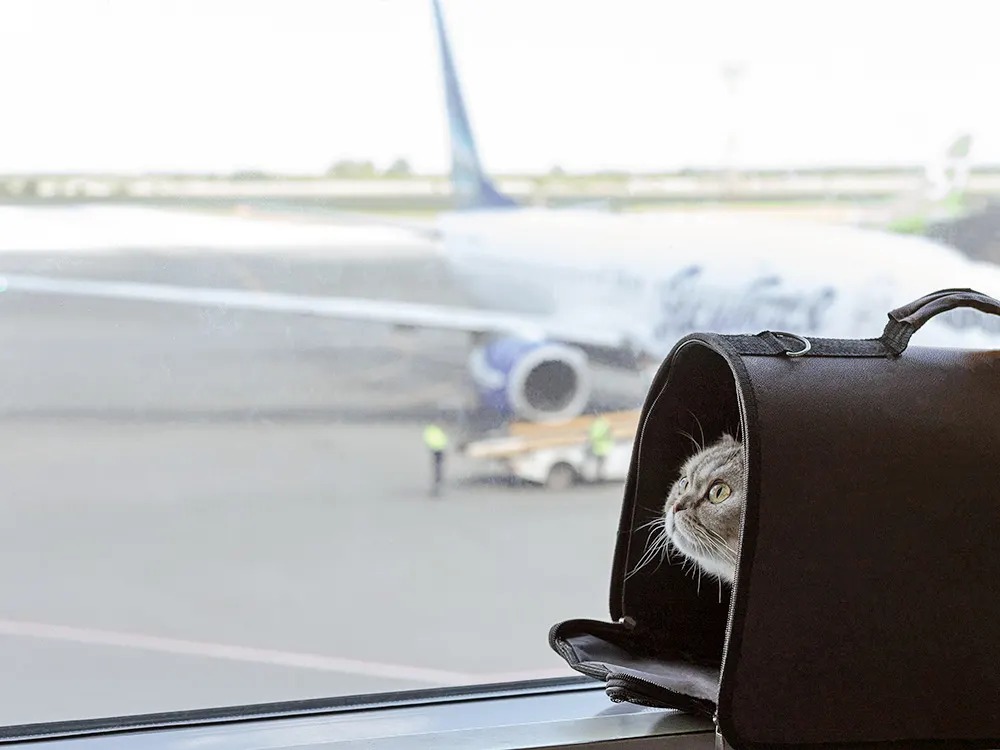 LivingOne Cat, Three Flights, Zero Consent: How Mittens Became a Frequent FlyerJordan Ellis · 4 min
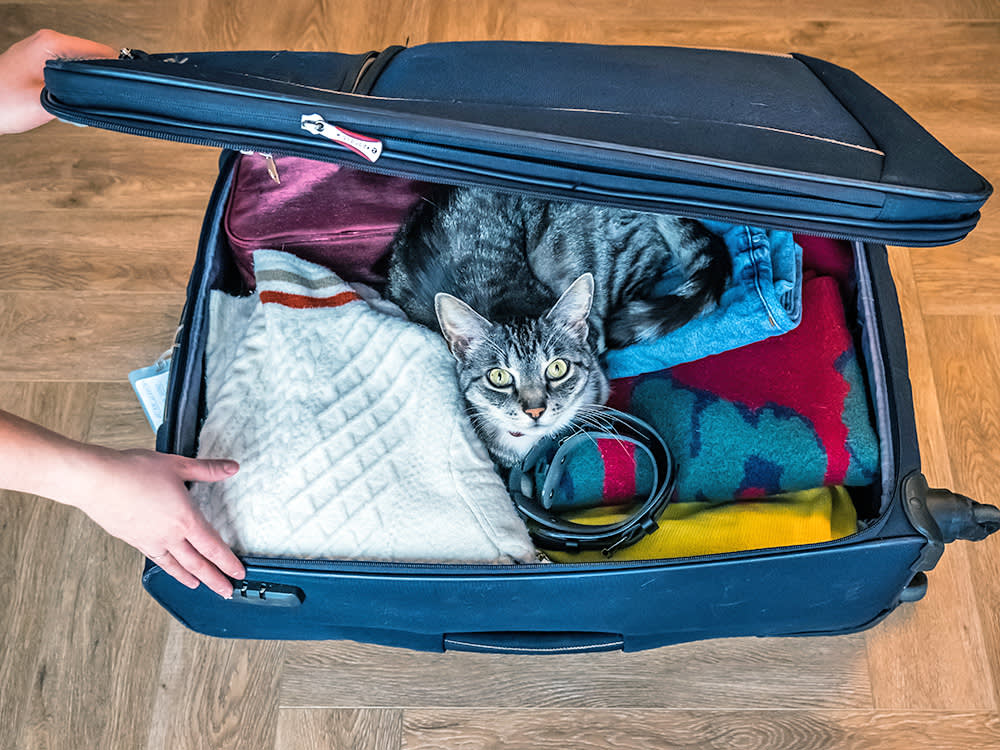 TrainingYour Cat Isn't Trying to Come With You. It's the Best Box in the House.Dr. Lena Park · 7 min