


California Just Attacked the Puppy Mill Supply Chain From Three Sides at Once
Newsom signed four animal-welfare bills in October 2025. Three of them target a different link in the puppy-mill pipeline, the seller, the broker, and the importer, while a fourth ends cat declawing statewide.

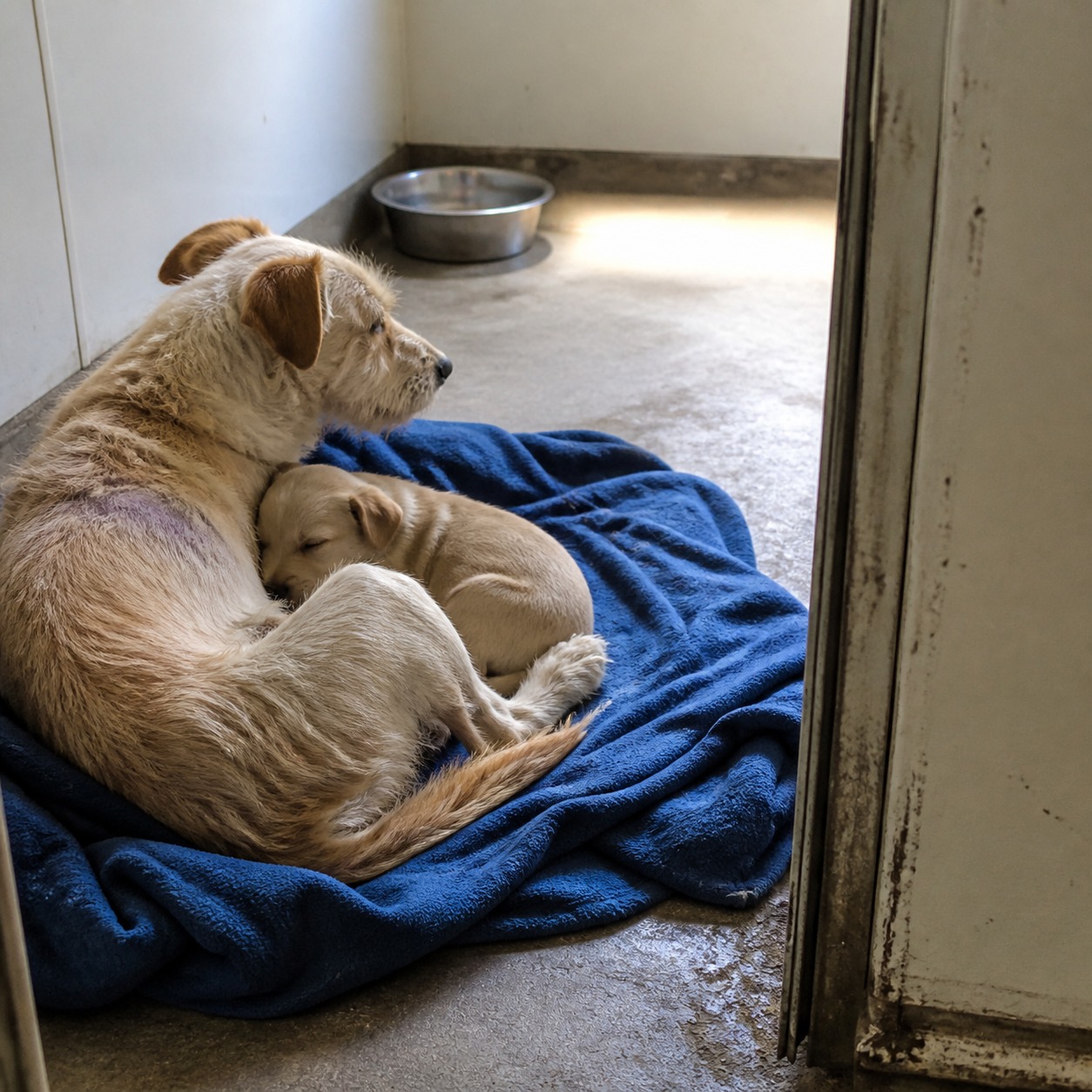
The easy way to read California’s October 2025 animal-welfare package is “Newsom signed four bills.” The more useful way is to notice that three of them were aimed at the same target from three different angles. Puppy mills do not survive because of one weak law. They survive because the supply chain has several places to hide: a seller who lies about where a dog came from, a broker who fronts for the breeder, and an importer who ships sick animals across state lines with no paper trail. California did not pass one anti-mill law. It passed three, each one slamming a different door, and then added a fourth bill on cat declawing that had been waiting years for its moment.
“Sunlight is the best disinfectant, and it’s time to shine a light on puppy mills,” Newsom wrote in the press release announcing the package. “Greater transparency in pet purchases will bring to light abusive practices that take advantage of pets in order to exploit hopeful pet owners.”
Door one: the seller who lies (AB 506)
The first link in the chain is the point of sale, where a buyer is most vulnerable to a fabricated backstory. AB 506, by Assemblymember Steve Bennett, requires pet sellers to disclose a dog’s true origin and health information, and it voids contracts built on non-refundable deposits. The deposit detail is the quiet teeth of the bill: mills have long used a “pay now, no refunds” structure that locks a buyer into a sick animal before they ever see vet records. The disclosure requirement attacks the other half of the scam. The Better Business Bureau has reported that a large share of sponsored online pet ads are fraudulent, which is exactly the trap AB 506 is built to spring open.
Door two: the broker who fronts (AB 519)
The second link is the middleman who lets a mill pretend to be a kindly small breeder. AB 519, by Assemblymember Marc Berman, bars third-party brokers, especially online ones, from selling dogs, cats, and rabbits bred by someone else for profit. This is the structural fix. A mill can produce hundreds of puppies, but if it cannot legally route them through a broker who poses as the breeder, the disguise stops working. Extending the protection to cats and rabbits matters too, because the broker model is not dog-specific, and closing it only for dogs would simply move the problem.
Door three: the importer who ships in the dark (SB 312)
The third link is the state line. SB 312, by Senator Thomas Umberg, requires dog importers to file health certificates electronically with the California Department of Food and Agriculture, which must keep them and make them available on request. Imported dogs were the pipeline’s blind spot: an animal bred in poor conditions elsewhere could enter California with almost no documentation. A searchable, retained certificate turns that blind spot into a record, and a record is what lets investigators connect a sick dog back to its source.
The fourth bill: declawing, finally (AB 867)
Set slightly apart from the pipeline bills is AB 867, by Assemblymember Alex Lee, which bans cat declawing statewide unless it is medically necessary. This one is worth being precise about, because it is a surgical, not a sales, issue.
Declawing is not a nail trim, and the name does it a disservice. It is an amputation of the last bone of every toe. Cats walk on their toes, so you are altering how the animal bears weight for the rest of its life, and the long-term costs can include chronic pain and litter-box avoidance. Banning it except for genuine medical need brings the law in line with what the veterinary evidence has said for years.
Declawing is already opposed by major veterinary bodies and outlawed in much of Europe. Before AB 867, it was banned in a handful of U.S. states, including New York, Massachusetts, Rhode Island, Virginia, and Maryland, plus Washington, D.C., and several California cities such as Los Angeles and San Francisco had local bans. The statewide ban closes the patchwork inside California.
Why California keeps being the test case
None of this is the state’s first move. A 2017 law outlawed the retail sale of dogs, cats, and rabbits while still letting pet shops partner with shelters. In 2020, Bella’s Act closed the “puppy laundering” workaround, mills posing as sham rescues to keep selling through pet shops, and added a microchipping mandate for shelter cats and dogs. A 2024 law reformed pet insurance. The 2025 package fits that pattern: California tends to legislate animal welfare in waves, patch the loophole that the last wave exposed, then move to the next. The pipeline framing is what makes this round different. It treats the mill not as a single bad actor to outlaw, but as a supply chain to dismantle one link at a time.
References
- Office of Governor Gavin Newsom. “Governor Newsom Takes Action to End the Puppy Mill Pipeline, Protect Cats.” October 9, 2025.
- California AB 506 (Bennett), pet seller disclosure and deposit provisions, 2025 session, California Legislative Information.
- California AB 519 (Berman), third-party pet broker prohibition, 2025 session.
- California SB 312 (Umberg), dog importer health certificate requirements, 2025 session.
- California AB 867 (Lee), cat declawing prohibition, 2025 session.
- American Association of Feline Practitioners. “Position Statement: Declawing.” aaha.org / catvets.com.
- Better Business Bureau. “Puppy Scams: Pet Fraud Report.” bbb.org.
Dr. Chen is a small-animal veterinarian who leads health and safety coverage at The Pet Times. She writes and reviews the bulk of our illness, condition, and safety content, translating clinical guidance into clear, practical advice owners can act on at home.
Meet our experts ↗Keep reading
 Health & WellnessThe East Palestine Derailment's First Victims Had Four LegsDr. Amara Solis · 6 min
 LivingDon't Be a Hero. Be a Witness.Leila Torres · 7 min
 Health & WellnessDead Puppies in a Freezer Ended This Vet's Career. One Complaint Is What Did ItSara Lim · 5 min
 LivingColorado Just Created a Brand-New Kind of Animal Doctor. Here's What It Means for Your Pet.Marcus Webb · 6 min
 LivingThis California Bill Could Force Landlords to Finally Allow PetsMarcus Webb · 6 min
 LivingWhy BlendVET Bets on Ten-Year-Olds to Fix Vet Medicine's Diversity GapLeila Torres · 6 min