


It Was Never Really About Pets vs. Kids
When someone bristles at 'my dog is my baby,' the fight isn't about animals. It's about whose love, labor, and grief get to count, and the data says pet parenthood is now mainstream, not a phase.

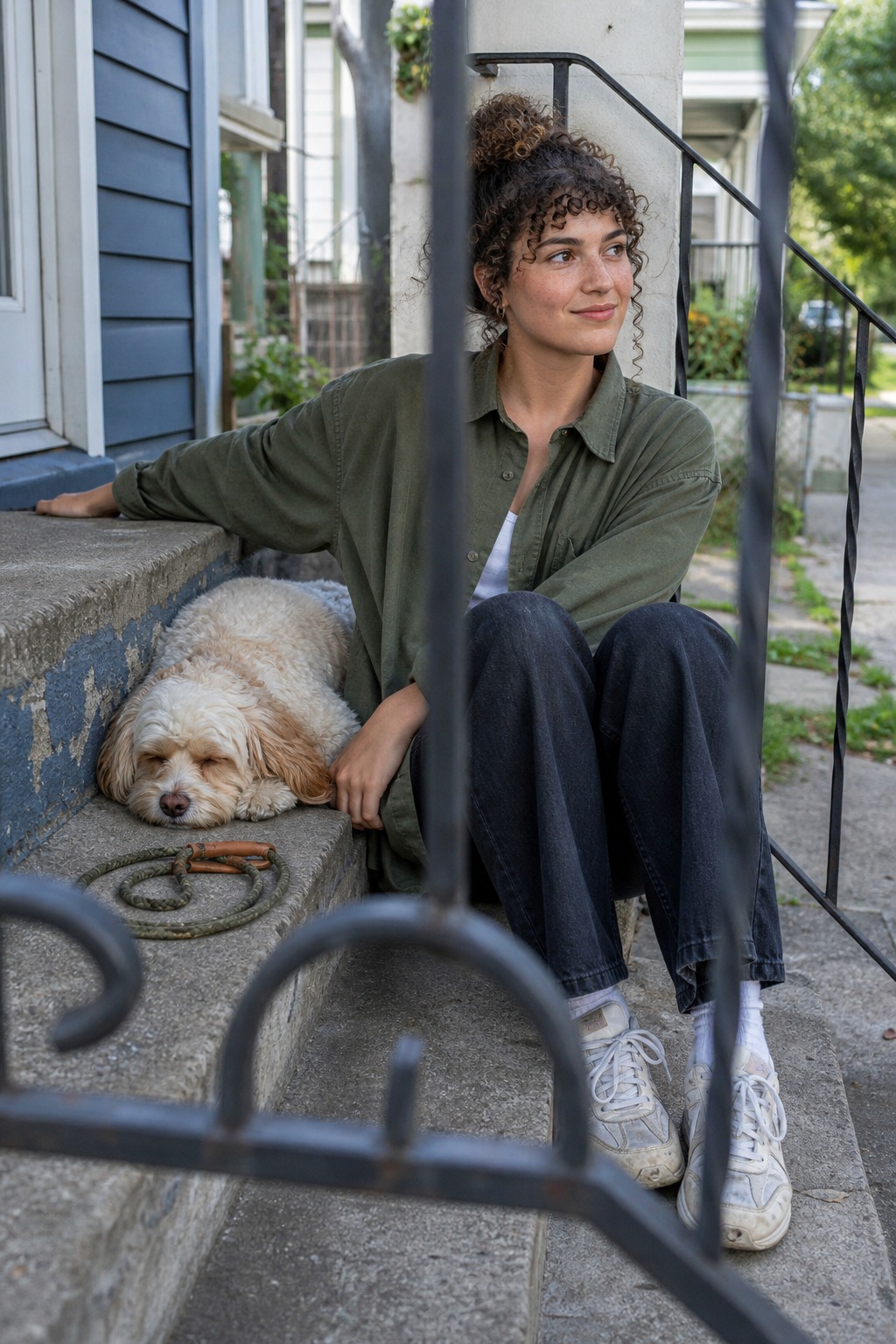
A woman I’ll call Hannah brought home her puppy seven years ago and was promptly in over her head. Puppies are adorable and also a relentless amount of work, demanding constant supervision and the kind of patience that evaporates when you are sleep-deprived and cleaning up the third mess of the morning. One day, worn out, she mentioned offhandedly to a coworker that caring for the dog was “like having a baby.” The coworker, a parent, did not take it well. “No, it isn’t,” she shot back, then turned and left.
Those few curt words lodged themselves in Hannah’s memory. “I never claimed she was literally a baby,” Hannah told me. “She was just the nearest thing I had to one back then, and honestly it was overwhelming.” The sting was not really about the dog. It was about being told, in two words, that what she was pouring herself into did not count.
That is the thing worth getting straight before anyone picks a side in the tired “pets versus kids” debate: the fight is almost never about pets, or kids. It is about whose love, labor, and grief a culture is willing to recognize as legitimate. And once you see it that way, the whole argument looks different, especially because the data now says pet parenthood is not a quirky minority position at all. It is mainstream.
The judgment is real, and weirdly consistent
Hannah’s experience is not an outlier. Pet parents, whether child-free by choice or simply not at that life stage, routinely find the love they pour into their animals met with skepticism, dismissal, or outright ridicule.
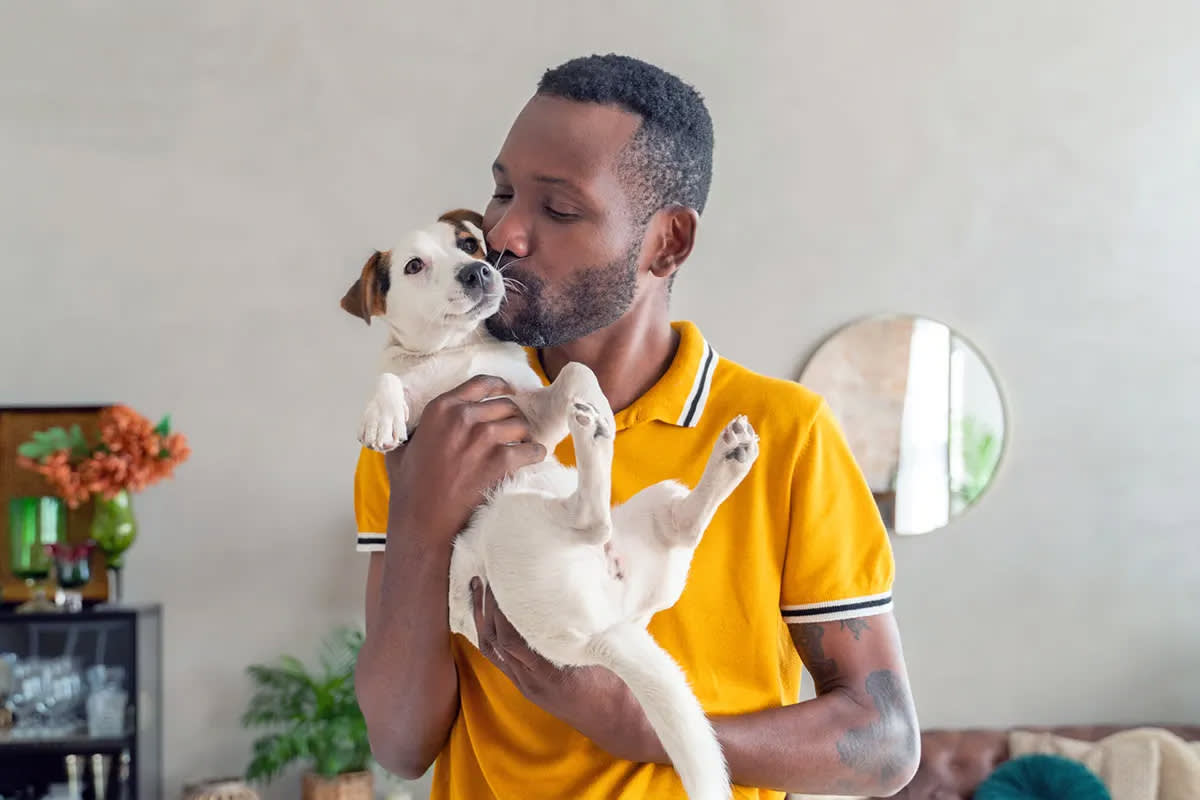
Consider the cat owner who does a full holiday photoshoot with her two cats every year, complete with names, ages, and life updates on the card. When she mentions it, people laugh and call her ridiculous. Or the long-haul pilot with no pets of his own but a devotion to his friends’ animals so deep he once flew across the country to petsit and asks for daily updates on his “godpets,” and who still gets told by colleagues with kids that he will “change his mind when he’s older.” He has stood firm for nearly a decade. Or the newly engaged woman whose family keeps treating kids as the obvious next step, when she and her fiancée have made clear their two pets are their family and that is the plan.
There is often something sharper than disagreement in these reactions, something closer to hostility, especially toward people who dare to call their animals their kids. Even an offhand, analogous comment, the kind Hannah made, gets treated like an attack on the institution of parenthood itself. After the pilot told a flight attendant he didn’t want children, she reportedly couldn’t drop it, defending her own choice as if she needed him to want kids in order to feel secure in having them. Kids will wreck your heart but repay it many times over, she insisted. He was unmoved.
Why “my dog is my baby” lands like a threat
The reason a casual comment can detonate has little to do with dogs. A pet parent isn’t the one making it a competition; something in the listener does that on their own.
“For many parents, raising human children has become the whole of who they are, the single most demanding undertaking of their lives on every front, physical, emotional, and financial,” says Dr. Amara Solis. “So a throwaway line like ‘my dog is basically my kid’ can register as something entirely unspoken: a suggestion that they aren’t so remarkable after all, or that the enormous sacrifice they made could somehow be matched by adopting a shelter pet.”
That is not, of course, the message pet parents are sending. Hannah was expressing love for her dog and real exhaustion at new-puppy life. Reading it as an insult revealed something about the coworker, not about Hannah. It is also true the coworker may have been overwhelmed herself; hearing someone describe their dog as exhausting might have felt, in that moment, like a paper-cut complaint next to a deeper wound. Both things can be true.
Parents are genuinely stretched, and that matters here
It helps to take the pressure on parents seriously rather than dismissing it. A March 2025 poll from Talker Research found that 53 percent of parents feel they can never live up to the flawless parents portrayed across their social feeds, and 94 percent reported an average of seven instances of daily chaos. It is exhausting work.
So when a stretched-thin parent sees someone opt out, especially someone who seems content, it can land hard, particularly for a person who felt they had no real choice themselves. Maybe they were pressured into parenthood by a partner, family, a doctor invoking a biological clock, or just the cultural default. Watching someone freely make a choice they felt denied can read as a quiet indictment, even when no one intended one. Even people who love their kids and would never trade places can feel that flicker of resentment.
The deeper issue: belonging and the “default” life script
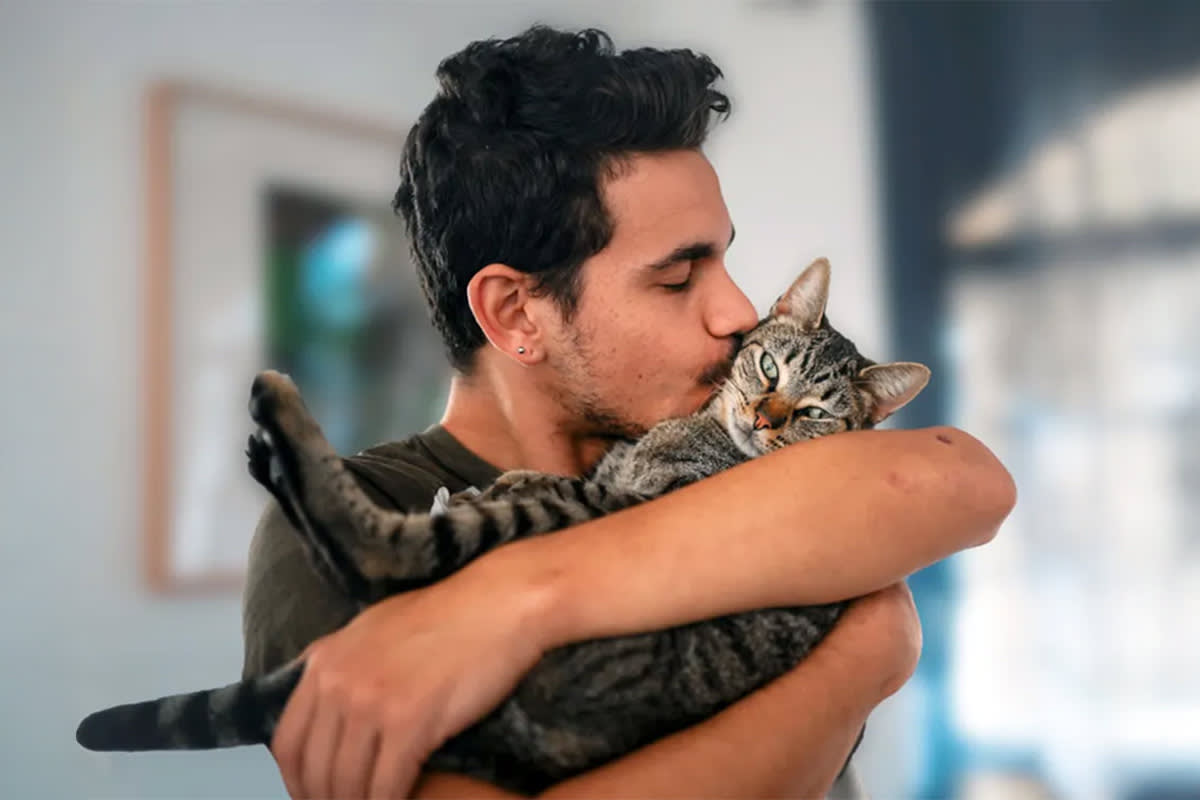
Strip it down and the conflict is about identity and the need to have one’s life choices validated in a culture with narrow ideas of what fulfillment should look like. We still treat the traditional path, partner, children, nuclear family, as the default measure of adulthood and success. People who build alternative forms of connection, like devoted pet parenthood, are sometimes seen as deviating from the script, and that can feel especially threatening to those who chose not to deviate and now carry unexamined regret about it.
The healthier move, for everyone, is to notice that the discomfort is internal. “Feeling provoked by someone is not evidence that they’ve done anything wrong,” Dr. Solis says. Our culture loves to outsource the blame, to insist that the discomfort is the other person’s doing. But that never addresses the actual issue, which is whatever feelings or memories the moment stirred up. “If you’re a parent caught in this, check whether what you’re really feeling is invisible or underappreciated for everything you shoulder. That feeling is valid. It just doesn’t mean the pet parent is belittling your path, they’ve simply chosen a different one.” Sometimes, she adds, the temperature drops the moment you tell yourself the reaction belongs to you, not to them.
How to handle it from either side
If you are the one doing the judging, the work is to sit with your own reaction before aiming it outward. If you are the one being judged and the person matters to you, approach the conversation with curiosity rather than defensiveness: ask questions, state your case, and resist the urge to prove your choice is superior. Holding different values is perfectly fine, as one counselor puts it. Whether a person opts for kids, pets, or neither comes down to their own wishes and situation, and it is never a verdict on anybody else’s choices.
It is also worth remembering that not everyone with pets instead of children chose that arrangement. Some pet parents wanted human children but struggled to conceive, lost a child, or felt they lacked the resources to parent well, and for them, being seen as “less than” cuts especially deep. Hannah is one of them; she and her partner have been working through infertility for the past two years. “Caring for my dog is a balm while we go through all this,” she said. “It isn’t identical to raising a child, I know that, but she’s what I have right now, and it’s certainly not from a lack of trying.”
And if, after all that, someone still cannot accept your choice, you are allowed to step back. You cannot change another person, only yourself, and protect your own peace. It does not require a dramatic exit, just a shift: pull back, respond less, give short, kind replies. If you want to name it before disengaging, something like “It’s clear we land in very different places on this, and that’s fine, but talking about it keeps leaving us both worse off” is plenty. You are not trying to win. You are protecting your own nervous system, which is the real work anyway.
What the numbers actually say
Here is the part that should settle the “is this a real thing or just a phase” question: it is unmistakably a real thing, and it is enormous. Millennials now make up the largest share of US pet owners, and surveys find the overwhelming majority of them, around nine in ten, regard caring for a pet as an essential part of daily life and say they care for their pets much as they would a child. Roughly 82 percent of pet owners overall describe their pet as “like my own child.” A 2024 Harris Poll found that 43 percent of Americans say they would prefer pets to children, with many Gen Z and millennials citing pets as easier and less financially burdensome to care for.
The money follows the sentiment. US pet-industry spending reached about $152 billion in 2024, and the number of pet-owning households has climbed to roughly 94 million. Whatever one thinks of it, “my dog is my baby” is no longer a fringe statement made by a few eccentrics. It describes how a large and growing share of adults actually live. The coworker who walked away was not defending a consensus. She was reacting to a shift that has already happened.
None of this means pet love and parenthood are identical, or that anyone needs to flatten the difference. It means the dismissal at the heart of “not everyone thinks so” is increasingly out of step with reality. The love is real, the labor is real, and the grief, when it comes, is real. That was always the only thing worth recognizing.
References
- Talker Research, “How parents embrace when things get real” (March 2025).
- The Harris Poll / PetfoodIndustry, “Study: 43% of Americans prefer pets over children.”
- Statista, “Pet ownership by generation, U.S. 2025.”
- American Pet Products Association, “Pet Industry Market Size & Ownership Statistics.”
Sasha Ford is a certified cat behaviour consultant who has worked with shelters, catteries, and private clients across the country. They review all feline behaviour content at The Pet Times, with expertise in multi-cat households, indoor enrichment, and stress-related disorders.
Meet our experts ↗Keep reading
 LivingThe Standard Poodle Who Rebuilt a Writer's DisciplineJordan Ellis · 6 min
 LivingPlan Your Dog's Pool Party Like a Lifeguard, Not a CatererLeila Torres · 6 min
 LivingThe Dog Who Calms Olympians Needed Help Himself. How Beacon Pulled ThroughDr. Mara Chen · 4 min
 LivingPride Gear for You and Your Dog: 20 Picks That Give BackJordan Ellis · 10 min
 LivingStop Guessing What to Pay Your Dog Sitter. Here's the 2026 Going RateJordan Ellis · 7 min
 LivingForget the Heart Balloon: 6 Ways to Be Your Dog's Real ValentineSasha Ford · 5 min