


Your Dizzy Dog Won't Eat. That's the Real Emergency With Vestibular Disease.
No food cures vestibular disease, but keeping a nauseated, off-balance dog eating and hydrated is where recovery is won or lost. A vet-informed playbook for the foods, tricks, and warning signs that matter.

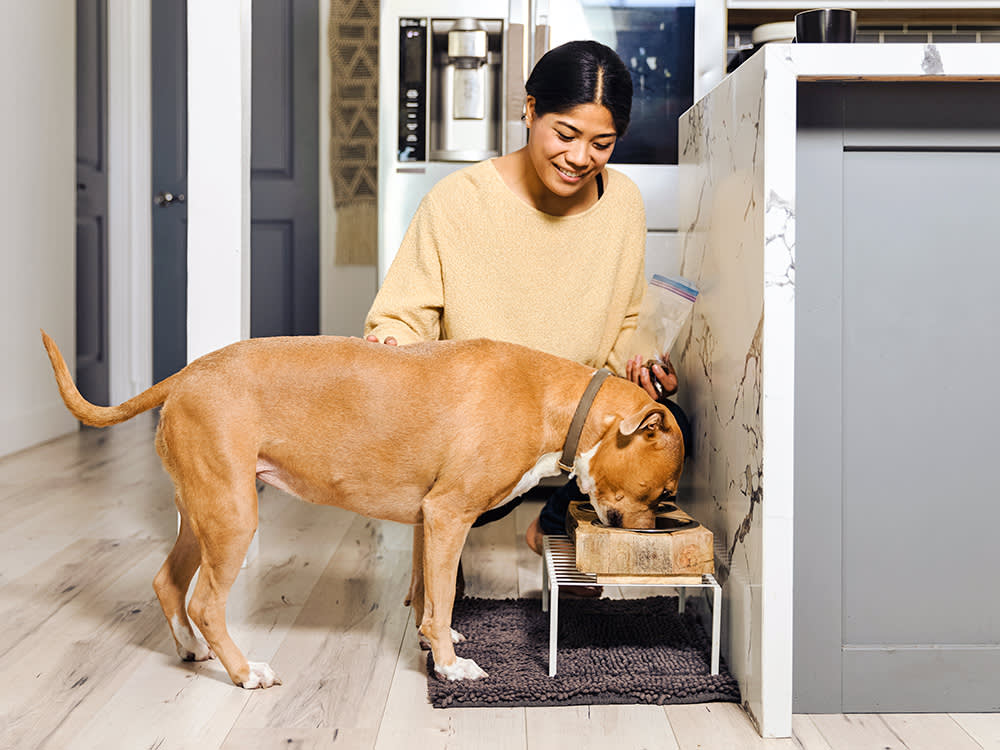
A vestibular episode is one of the scariest things a dog can put their owner through, mostly because it looks so much worse than it often is. One minute your dog is fine, the next they are stumbling, head tilted, eyes flicking side to side, maybe falling over or refusing to stand. It mimics a stroke closely enough that many owners fear the worst. Between that alarming picture, the vet bills, and the sudden need for hands-on nursing at home, it can feel like a whirlwind.
Amid all of that, there is one practical problem that quietly decides how the recovery goes, and it is easy to overlook when you are focused on the dizziness itself: getting your dog to eat and drink. No food cures vestibular disease, and none causes it. But a dog who stops eating and drinking gets into trouble fast, so nutrition is not a side issue here. It is a core part of the nursing care. Take a breath, snuggle your dog, and let’s walk through how to keep them fueled while their world stops spinning.
What vestibular disease actually is
Vestibular disease is an umbrella term for conditions that disrupt the vestibular system, the machinery that governs balance. It is the canine version of vertigo. An affected dog feels intensely dizzy and may lose its balance and topple over. Depending on severity, some dogs cannot walk at all, and many drool, feel nauseated, and vomit. A hallmark sign is nystagmus, rapid involuntary eye movements. The outward signs tend to look similar across cases, but the underlying cause can vary quite a bit.
The most common version, especially in older dogs, is idiopathic or “old dog” vestibular disease, meaning there is no identifiable cause but it tends to arrive with age. Other causes include inner-ear infections, head trauma, other infections, hypothyroidism, and tumors. Because the trigger differs, some dogs will have additional symptoms pointing to whatever is behind it, which is part of why a vet workup matters.
Why eating becomes the battle
The central feeding challenge is simple: a dizzy, nauseated dog usually does not want food. When the room is spinning and your stomach is churning, the smell of dinner can be actively repellent. But eating and drinking are exactly what your dog needs to stay hydrated, keep their strength up, and ultimately heal, so a little proactive coaxing goes a long way.
The instinct is to let a sick dog rest and leave the food alone, but with vestibular disease that can backfire. A dog who’s too dizzy to want dinner is also a dog who’s quietly slipping toward dehydration, and that turns a scary-but-recoverable episode into a genuine medical problem. Small, smelly, frequent offerings are the whole game.
Hydration comes first
A dog who isn’t eating or drinking consistently is at risk of dehydration, and that risk climbs if they are also drooling or vomiting, since both drain additional fluids. The reassuring part is that hydration doesn’t have to come from the water bowl at all. A dog can take in plenty of fluid through what they eat, particularly canned food, broth, and other moisture-rich options. The firm line to remember: if your dog eats and drinks nothing at all for a full 24 hours, that is a vet visit, not a wait-and-see.
Nutrition drives the recovery
Good nutrition matters more when a dog is sick, not less. An ill dog actually has a higher metabolic demand for nutrients because of the stress response that comes with being unwell. Dogs who go without adequate nutrition can face slower healing, muscle loss, and weakened immune function. So the calories you manage to get in are doing real work.
What to feed a dog who’s off their food
In ordinary times, nothing beats a complete and balanced commercial diet, formulated so every nutrient lands in the right proportion. If your dog’s appetite has somehow held up, keep them on that normal food, both to lock in proper nutrition and to avoid training them to hold out for something fancier at every meal. But if they’ve gone off their food, the short-term goal shifts to simply tempting them with safe, appealing options. A few categories tend to work.
Easily digestible proteins. Protein delivers energy, satiety, and the amino acids that rebuild the body during healing. Try plain white-meat chicken, scrambled eggs, fish, tofu, or even a little low-fat plain yogurt to see what appeals. Keep everything free of bones, skin, seasonings, and heavy oils or butter.
Gentle carbohydrates. Carbs are quick energy, easy to digest, and often more tolerable to a queasy stomach. Try a spoonful of plain white rice or pasta, or some skinless potato, alongside a bit of protein.
Smart fats. Fat is an energy-dense option that many dogs find irresistible by smell alone, which makes it useful when nothing else tempts them. But choose carefully, because high-fat foods like fatty meat cuts, fried food, and rich dairy can trigger digestive upset or pancreatitis. Safer picks include lean chicken, a little plain unsalted peanut butter, and oily fish like salmon once you’ve taken off the skin and pulled the bones.
What about supplements?
A dog on a complete commercial diet doesn’t need supplements, because that food already delivers everything. Supplements only enter the conversation when a fussy dog is subsisting on a rotating menu of home-cooked favorites, as insurance against nutritional gaps. Even then it rarely feels urgent short term, since the plan is to get your dog back onto their usual food within a few days. There’s also a tactical reason to wait: with a picky eater, you may not want to alter how their food smells or tastes by mixing anything in. Let your vet advise what, if anything, fits your dog’s particular diagnosis.
Homemade versus store-bought
For long-term health, a balanced commercial diet is the most reliable way to meet all of your dog’s nutritional needs, and usually the most affordable. Homemade diets come with real complications: it is nearly impossible to make them balanced without a veterinary nutritionist’s help, and buying fresh ingredients every few days is costly since the food isn’t shelf-stable.
That said, if your dog is sick and simply won’t eat, getting any safe food into them takes priority over perfect balance for a few days. If the pickiness drags on beyond that, talk to your vet. They might recommend a specialized high-calorie prescription diet, or additional support such as IV fluids and anti-nausea medication to steady your dog’s stomach and appetite.
Feeding tricks that actually help
Beyond variety, a few techniques make a real difference for a dizzy dog:
- Warm the food. Warmth amps up the aroma and makes food more appealing to a nauseated nose.
- Go small and frequent. Rather than a full bowl, offer small portions every few hours to maintain calorie intake in manageable doses.
- Try canned food. Many dogs prefer its texture, and different flavors can reignite interest alongside their kibble.
- Hand-feed. If standing or leaning over a bowl makes the dizziness worse, offer food from your palm. Just never force food into their mouth, which can cause choking or a lasting food aversion.
When to call the vet
Whenever you feel worried during your dog’s illness, reach out. If this is your first time nursing a dog through vestibular disease, it is genuinely hard to know what’s normal, and every dog is a little different. Some signs warrant prompt attention:
- Eating or drinking nothing at all for 24 hours
- Worsening vestibular signs, or new symptoms that weren’t there before
- Signs of serious illness such as difficulty breathing, seizures, collapse, or unresponsiveness
The bottom line
A dog riding out a vestibular episode needs extra support, and feeding is a central part of it. Offering a range of safe, healthy foods to spark their interest is entirely fine, so lean on warmth, texture, and flavor until something clicks. And check in with your vet whenever you’re worried, above all if a whole day passes with nothing going down. The dizziness is frightening to watch, but for most dogs it passes. Your job in the meantime is mostly to keep them eating, keep them hydrated, and keep them safe from falls until the room stops spinning.
References
- Brooks, Wendy. “Vestibular Disease in Dogs and Cats.” Veterinary Partner, September 2019.
- U.S. Food and Drug Administration. “Complete and Balanced Pet Food.”
- Corbee, Ronald J., et al. “Nutritional Support of Dogs and Cats After Surgery or Illness.” Open Journal of Veterinary Medicine, vol. 4, no. 4, 2014.
- Linder, Deborah E. “What Nutrients are Essential for my Pet?” Cummings School of Veterinary Medicine Petfoodology, 2023.
Common questions
How long can a dog with vestibular disease go without eating?
If your dog eats and drinks nothing at all for 24 hours, that's your cue to see the vet, because dehydration compounds fast when a dog is also drooling or vomiting. Don't wait longer hoping it passes.
Will my dog recover?
Usually. Most cases, especially old-dog (idiopathic) vestibular disease and inner-ear infections, improve within days to weeks. Cases tied to a brain injury or tumor are harder to predict, so discuss the specific prognosis with your vet.
Not a substitute for your vet. Our guidance is educational. For urgent symptoms, contact a vet or emergency clinic right away. Editorial standards
Dr. Park is a board-certified emergency and critical care specialist. She reviews our health and safety content for clinical accuracy and contributes guides on recognising urgent conditions. Her focus is helping owners act quickly and correctly when it matters most.
Meet our experts ↗Keep reading
 Health & WellnessThe Grain-Free Heart Disease Scare, and What the Headlines Got WrongDr. Amara Solis · 9 min
 Health & WellnessYour Dog Pukes Every Morning? It's Probably the Clock, Not a Disease.Dr. Lena Park · 6 min
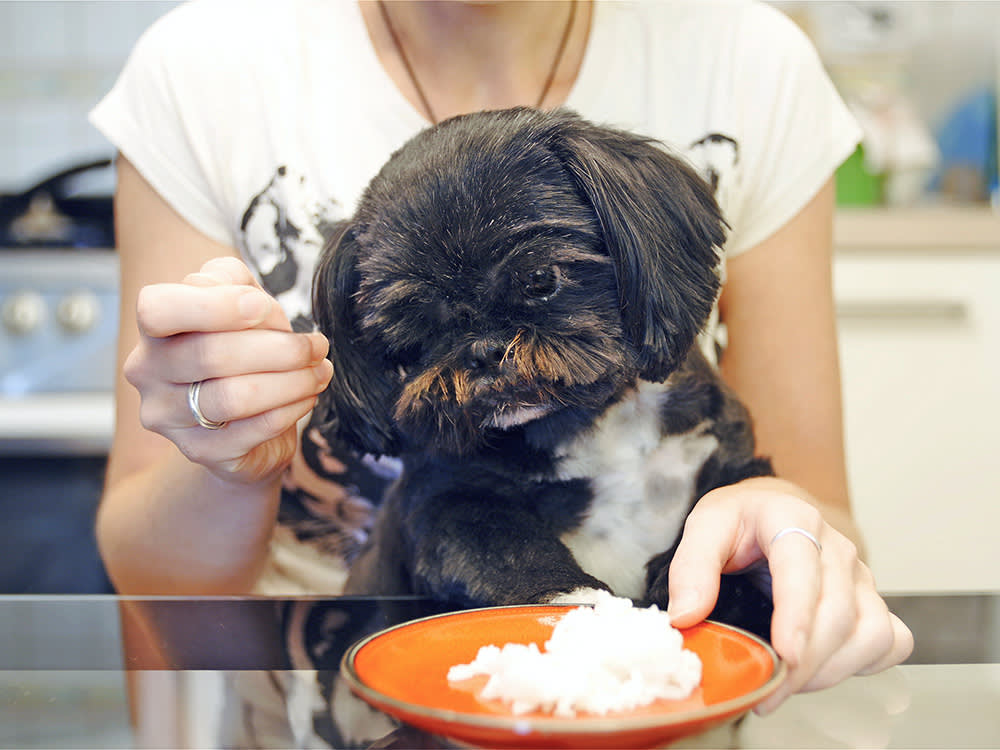 Health & WellnessDon't Fast a Dog With Diarrhea. The Advice Flipped, and Here's What to Feed Instead.Dr. Lena Park · 7 min
 Health & WellnessYour Dog's Farts Are Trying to Tell You SomethingDr. Priya Nair · 6 min
 Food'Sensitive Stomach' Isn't a Diagnosis. That's Why Switching Food First Usually Fails.Dr. Priya Nair · 8 min
 Health & WellnessMucus in Your Dog's Poop Is Not the Problem. Its Company Is.Dr. Amara Solis · 8 min